Best Hanfu for Qigong & Meditation in 2026: Wellness Guide
The Intersection of Hanfu and Wellness in 2026
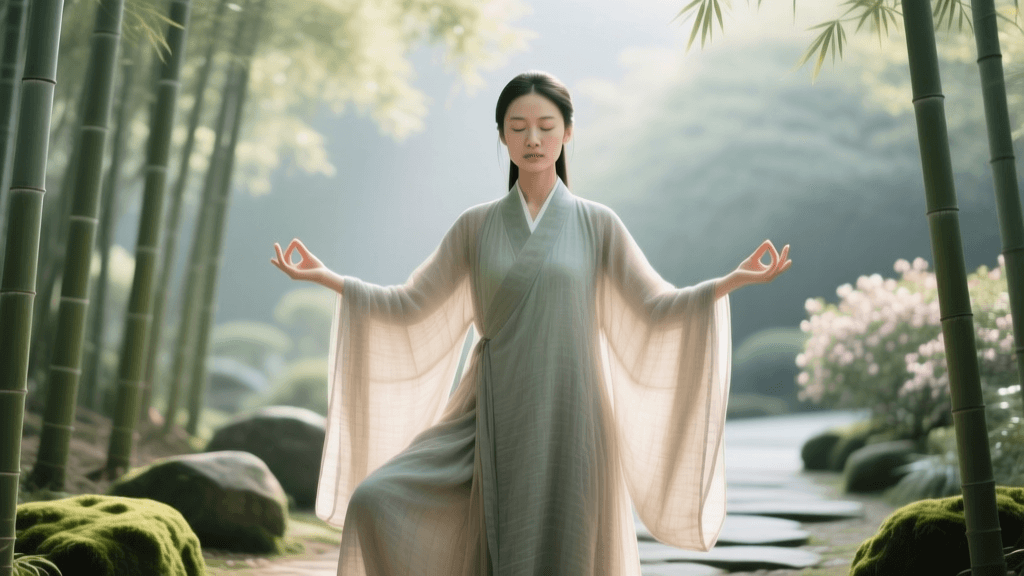
The year 2026 has marked a significant renaissance in holistic wellness, with practitioners increasingly turning away from synthetic, mass-produced activewear in favor of garments that align with the philosophical roots of their disciplines. For those practicing traditional Chinese wellness arts like Qigong, Tai Chi, and seated meditation, the clothing you wear is not merely a cosmetic choice; it is an extension of the practice itself. Hanfu, the traditional attire of the Han Chinese, offers a unique synthesis of historical elegance, unrestricted movement, and natural material science that perfectly complements the cultivation of Qi (vital energy).
As global wellness retreats and urban meditation studios embrace traditional methodologies, the demand for authentic, functional Hanfu has surged. According to the World Health Organization, the integration of traditional medicine and holistic practices into daily wellness routines has seen unprecedented global adoption in recent years. This guide explores the best Hanfu silhouettes, fabrics, and styling techniques to optimize your Qigong and meditation practice in 2026.
The Philosophy of Dress in Traditional Chinese Medicine
To understand why Hanfu is superior for energy work, one must look at the principles of Traditional Chinese Medicine (TCM). TCM posits that Qi flows through a network of meridians located just beneath the skin and along the joints. Modern Western activewear, characterized by tight, compressive synthetic fabrics, can inadvertently restrict these pathways, particularly around the joints, waist, and underarms.
Hanfu is constructed using a traditional flat-cutting method (平面裁剪). Unlike Western 3D tailoring, which forces fabric to conform tightly to the body's curves, flat-cutting drapes naturally over the frame. This creates a microclimate of air between the skin and the garment, allowing for unimpeded meridian flow and natural thermoregulation. When practicing the National Qigong Association recommended forms, such as Ba Duan Jin (Eight Brocades), this unrestricted drape ensures that your physical movements are never bottlenecked by your clothing.
Ideal Hanfu Silhouettes for Movement and Stillness
Not all Hanfu styles are created equal. The flowing, floor-sweeping garments seen in historical dramas are beautiful but impractical for deep stances like Ma Bu (Horse Stance). Here are the most functional silhouettes for wellness practitioners in 2026.
1. The Ruqun (襦裙) and Songku (宋裤) Combination
For active Qigong and Tai Chi, the combination of a cross-collar top (Jiaoling Youren) paired with Song-style trousers (Songku) is the gold standard. The Songku features a wide, pleated leg that allows for deep lunges and sweeps, while the gathered waistband sits comfortably without digging into the Dan Tian (the body's energy center located just below the navel). The cross-collar top ensures the chest remains open, facilitating deep diaphragmatic breathing.
2. The Daopao (道袍) for Static Meditation
For seated meditation (Da Zuo) or slow, static Qigong forms, the Daopao (Daoist robe) is unparalleled. Characterized by its side slits and inner ties, the Daopao provides a cocoon-like warmth that protects the practitioner from wind and cold, which TCM considers pathogenic factors that can invade open pores during deep meditation. The wide sleeves rest elegantly on the lap during seated postures, promoting a grounded, rooted feeling.
3. Sleeve Considerations: Shuangkou (束口)
While wide sleeves (Da Xiu) are aesthetically pleasing, they can interfere with hand mudras and wrist rotations. For active practice, seek out Hanfu tops with Shuangkou (bound or tapered cuffs). This historical modification keeps the fabric away from the hands while maintaining the traditional aesthetic.
2026 Fabric Guide: Natural Fibers for Qi Cultivation
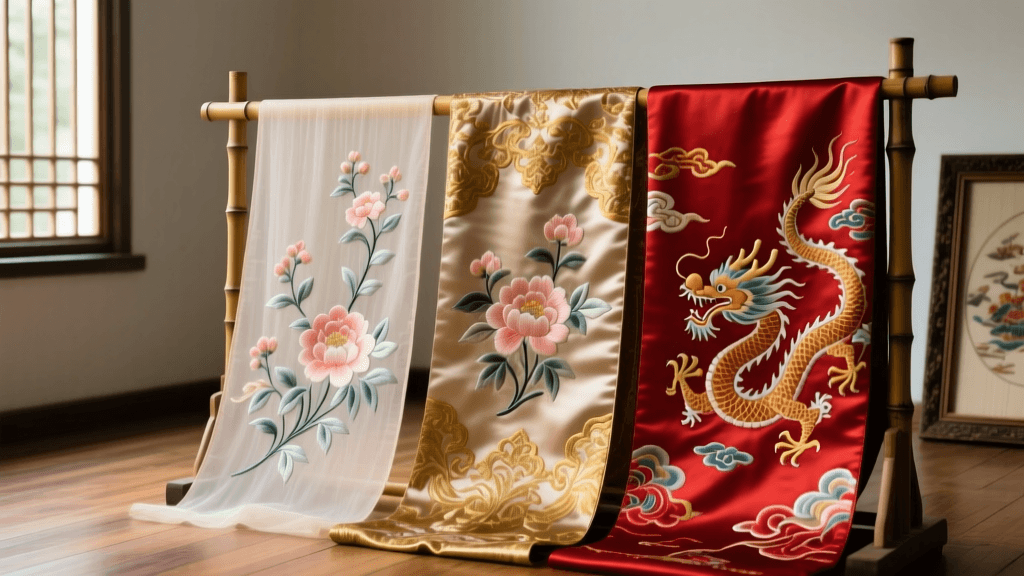
The material of your Hanfu dictates its breathability, moisture-wicking capabilities, and energetic resonance. In 2026, the market has seen a return to heritage weaving techniques combined with sustainable, eco-friendly dyeing processes. Here is a comparison of the top fabrics for wellness practitioners.
| Fabric Type | Breathability | Best Practice Type | 2026 Market Price Range |
|---|---|---|---|
| Summer Ramie (夏布) | Exceptional | Active Qigong, Summer Tai Chi | $45 - $80 / yard |
| Xiangyunsha (香云纱) | High | Year-round Meditation, Retreats | $120 - $180 / yard |
| Mulberry Silk (Crepe) | Moderate | Indoor Static Meditation | $60 - $110 / yard |
| Bamboo-Linen Blend | High | Transitional Seasons, Travel | $35 - $65 / yard |
Deep Dive: Summer Ramie and Xiangyunsha
Summer Ramie (Xia Bu): Hand-woven primarily in regions like Liwen, Ramie is a bast fiber that is naturally antibacterial and highly moisture-wicking. It has a crisp texture that softens beautifully over time. Its structural rigidity keeps the fabric off the skin, creating an excellent cooling effect for vigorous Qigong sessions in warm climates.
Xiangyunsha (Gambiered Canton Gauze): Often referred to as 'soft gold,' this silk is dyed using the juice of the薯莨 (Dioscorea cirrhosa) tuber and coated with iron-rich river mud. The result is a fabric that is water-resistant, cooling to the touch, and produces a subtle, grounding rustling sound during movement. Studies highlighted by Harvard Medical School emphasize the importance of comfort and sensory feedback in maintaining the consistency of mind-body practices; Xiangyunsha provides a premium tactile experience that anchors the practitioner in the present moment.
Building Your Morning Qigong Wardrobe: A Step-by-Step Guide
Transitioning into your practice should be a mindful ritual. Here is how to layer your Hanfu for a morning Qigong routine in varying 2026 climates.
- The Base Layer: Start with a lightweight, unbleached cotton or bamboo Moxiong (chest wrap) or a simple cotton undershirt. This protects your outer Hanfu from sweat and body oils, extending the life of delicate natural dyes.
- The Bottoms: Step into your Songku. Ensure the waist ties are secured with a flat knot to avoid pressure on the lower abdomen. The hem should fall just above the ankle bone to prevent tripping during footwork.
- The Top: Wrap your cross-collar top left over right (the traditional Han Chinese method). Secure the inner tie at the right ribcage and the outer tie at the left waist. The collar should sit flat against the collarbones, leaving the throat chakra area unobstructed.
- Footwear: Ditch modern rubber-soled shoes, which insulate the body from the earth's natural electrical charge. Opt for traditional Thousand-Layer Sole (千层底) cloth shoes. Hand-stitched from cotton and hemp, they provide a thin, flexible barrier that allows for grounding while protecting the soles of your feet.
Sourcing and Caring for Your Wellness Hanfu
When sourcing Hanfu specifically for wellness, prioritize artisans and brands that utilize flat-felled seams (来去缝). This technique encloses the raw edges of the fabric, preventing fraying and ensuring that no rough seams rub against your skin during repetitive movements. In 2026, many boutique Hanfu makers offer 'Wellness Lines' that specifically omit rigid interfacing and synthetic linings.
Caring for natural fabrics requires mindfulness. Ramie and linen should be hand-washed in cool water with a pH-neutral detergent and line-dried in the shade to prevent UV degradation of the fibers. Xiangyunsha silk requires even more care; it should be gently spot-cleaned or professionally dry-cleaned using eco-friendly liquid silicone methods, avoiding harsh chemical solvents that strip the mud-dye coating.
"The garment is the first environment the body interacts with. When that environment is natural, breathable, and historically resonant, the mind settles faster, and the Qi flows deeper." — Master Lin, Traditional Arts Conservatory, 2026.
Conclusion
Integrating Hanfu into your Qigong and meditation practice is more than a nod to historical aesthetics; it is a functional choice that honors the biomechanics and energetic philosophies of traditional Chinese wellness. By selecting the right silhouettes, prioritizing natural fibers like Ramie and Xiangyunsha, and dressing with intention, you create a seamless bridge between your physical body and your energetic practice. As you step onto your mat in 2026, let your attire be a testament to the enduring wisdom of Asian traditions.