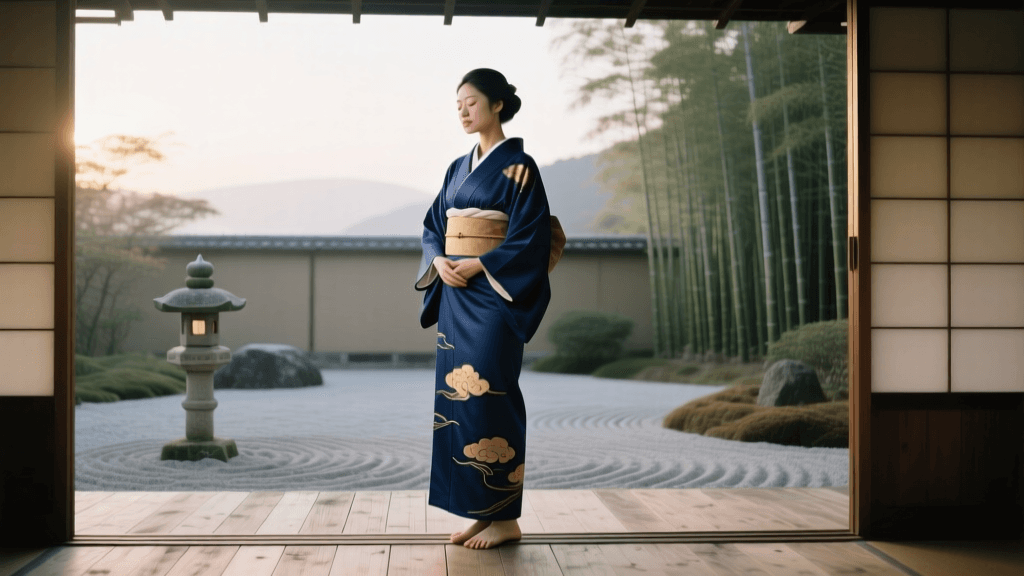
Kimono Mindfulness: Slow Fashion & Wellness Rituals for 2026
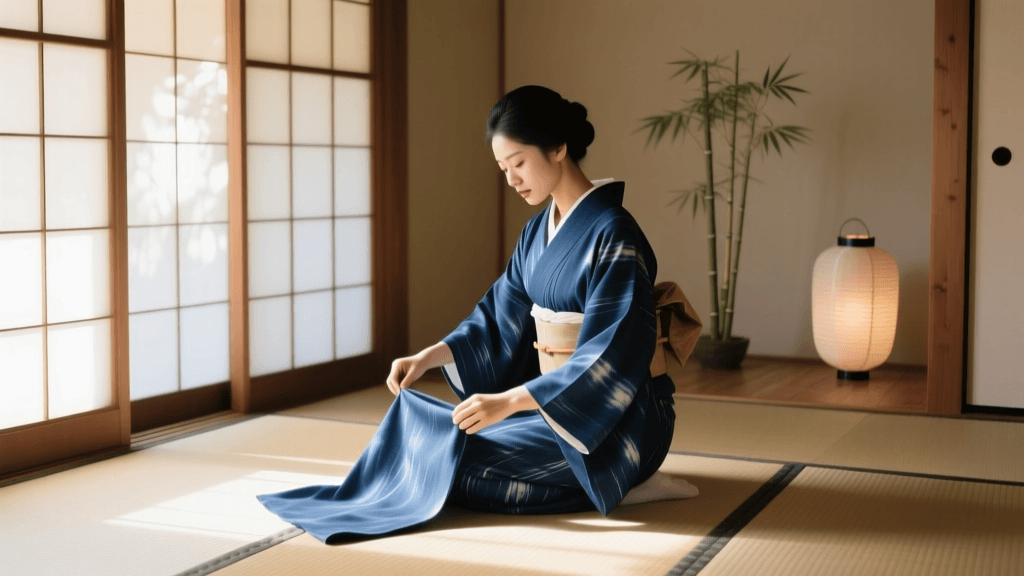
In an era dominated by algorithmic micro-trends and automated wardrobes, the year 2026 has seen a profound counter-movement toward intentional living. At the intersection of heritage and mental health, the traditional Japanese art of kitsuke (kimono dressing) has emerged as a powerful wellness ritual. Far from being a mere fashion statement, the meticulous process of wrapping oneself in layers of silk and cotton offers a grounding, somatic experience that aligns perfectly with the modern slow fashion movement.
The Philosophy of Kitsuke as a Grounding Practice
Unlike contemporary Western clothing, which is often designed for rapid consumption and immediate wear, the kimono demands presence. The act of dressing is a meditation in motion. In 2026, wellness practitioners and occupational therapists increasingly recognize kitsuke as a form of active mindfulness. The requirement to align seams perfectly, fold fabric with geometric precision, and tie complex knots forces the brain to abandon digital distractions and focus entirely on the physical body in space.
This practice embodies the Japanese concept of ichigo ichie (one time, one meeting). Every time you dress in a kimono, the drape of the fabric, the tension of the ties, and your own physical state are entirely unique to that exact moment. By treating the morning dressing routine not as a chore, but as a sacred ritual of self-care, practitioners report significant reductions in morning anxiety and improved emotional regulation throughout the day.
Slow Fashion and the 2026 Kimono Renaissance
The global fashion industry is undergoing a massive paradigm shift in 2026, moving away from synthetic, disposable garments toward circular, heritage-based wardrobes. The kimono is inherently sustainable. Its straight-line cutting method means that almost zero fabric is wasted during production, and the garment can be entirely disassembled, washed, and re-dyed. According to the Ellen MacArthur Foundation, circular fashion models that prioritize longevity and end-of-life recyclability are the cornerstone of the 2026 sustainable apparel market.
Modern enthusiasts are embracing vintage and upcycled kimonos, rescuing mid-century silk pieces from landfills and restoring them with natural, plant-based dyes. The resurgence of aizome (natural indigo dyeing) and shibori (intricate tie-dyeing) provides a chemical-free alternative to modern synthetic textiles, which are increasingly scrutinized for their microplastic pollution. Investing in a vintage kimono in 2026 typically costs between $150 and $400 for a fully restored piece—a fraction of the environmental cost of a new, mass-produced designer outfit.
A Step-by-Step Mindful Dressing Ritual
To transform your morning routine into a wellness practice, approach kitsuke with deliberate slowness. Set aside 30 to 45 minutes in a quiet, uncluttered space. Here is a mindful sequence to follow:
1. Centering and the Base Layers
Begin with three deep, diaphragmatic breaths. Put on the hadajuban (undergarment) and susoyoke (half-slip). Feel the natural cotton or hemp against your skin. These base layers protect the outer silk and absorb moisture, connecting you to the natural fibers.
2. The Nagajuban and Collar Alignment
Slide into the nagajuban (under-kimono). The critical mindful moment here is adjusting the eri (collar). The back collar must be pulled down to reveal the nape of the neck, while the front collar forms a perfect V-shape. This requires looking over your shoulder, stretching the neck, and correcting your posture.
3. Wrapping the Kimono
Drape the outer kimono over your shoulders. Hold the collar together and bring the right side to your left hip, then wrap the left side over it. Use your first koshihimo (cotton tying belt) to secure it at the waist. As you pull the belt tight, exhale fully, engaging your core.
4. Adjusting the Ohashori
Fold the excess fabric at the waist to create the ohashori. This fold acts as a visual anchor. Smooth out the fabric with flat palms, treating the silk with reverence. Use a second koshihimo and a datejime (wide under-belt) to secure the fold.
5. Tying the Obi
The obi (sash) is the centerpiece of the ritual. Whether you choose a simple otaiko (drum knot) for daily wear or a more complex style, the act of wrapping the stiff, brocaded fabric around your torso provides deep pressure stimulation. As you tie the final knot, take a moment to appreciate the structural support it offers your lower back.
Somatic Wellness: The Obi as Deep Pressure Stimulation
One of the most profound, yet under-discussed, wellness benefits of the kimono is the physical sensation of the obi. In 2026, somatic therapy heavily emphasizes Deep Pressure Stimulation (DPS) for regulating the nervous system. DPS applies firm, even pressure across the torso, which stimulates the parasympathetic nervous system, lowering heart rate and reducing cortisol levels.
A properly tied obi acts much like a weighted blanket or a therapeutic compression vest. It encourages upright posture, prevents shallow chest breathing, and forces the wearer to engage their diaphragm. For individuals dealing with chronic stress, sensory processing sensitivities, or generalized anxiety, the physical embrace of the kimono provides a continuous, soothing hug throughout the day.
Comparative Analysis: Fast Fashion vs. Mindful Kitsuke
To understand the true impact of integrating kitsuke into your wellness routine, consider how it compares to the standard modern morning routine:
| Element | Fast Fashion Routine | Mindful Kitsuke Routine |
|---|---|---|
| Time Investment | 3 to 5 Minutes | 30 to 45 Minutes |
| Mental State | Rushed, distracted, decision-fatigued | Grounded, focused, meditative |
| Posture & Somatic Feedback | Minimal support, encourages slouching | Core engagement, deep pressure stimulation |
| Environmental Impact | High (synthetic fibers, microplastics) | Low (vintage silk, natural dyes, zero waste) |
| Cost Per Wear (2026 Avg) | $2 to $5 per wear (rapid degradation) | $0.50 to $1 per wear (heirloom longevity) |
Curating a Sustainable Kimono Wardrobe in 2026
Building a mindful kimono wardrobe requires shifting away from the impulse-buying habits fostered by e-commerce algorithms. In 2026, the most ethical way to acquire traditional Japanese garments is through the secondary market, specialized vintage curators, and direct commissions from heritage artisans. The Japanese Ministry of Economy, Trade and Industry (METI) actively promotes the preservation of traditional crafts, encouraging global consumers to support living national treasures and regional weaving cooperatives rather than mass-market imitations.
When sourcing vintage pieces, look for tsumugi (pongee silk) or kasuri (ikat cotton) for everyday mindfulness practice. These fabrics are durable, breathable, and become softer and more beautiful with age. For formal occasions and deep cultural immersion, the historical context of the garment adds a layer of reverence to the practice. Institutions like the Victoria and Albert Museum have extensively documented the evolution of the kimono, reminding us that these garments are not static relics, but living, breathing artifacts that adapt to the needs of the wearer.
Mindful Garment Care
Caring for your kimono is an extension of the mindfulness practice. Avoid harsh chemical dry cleaning. Instead, embrace the traditional method of arimawashi—airing out the garments on specialized bamboo racks in a shaded, well-ventilated area. Spot clean with natural camellia oil or mild, pH-neutral soaps. Store your silk pieces wrapped in acid-free tatoushi (traditional paper) to allow the fibers to breathe, preventing the yellowing associated with plastic garment bags.
Conclusion: Wrapping Yourself in Intention
As we navigate the complexities of 2026, the kimono offers more than just aesthetic beauty; it provides a sanctuary of slowness. The ritual of kitsuke demands that we pause, breathe, and connect with our physical bodies and the artisans who wove the threads. By embracing this slow fashion wellness practice, we do not merely put on clothes—we wrap ourselves in intention, history, and profound mental clarity.