Mindful Kitsuke: A Zen Kimono Dressing Guide 2026
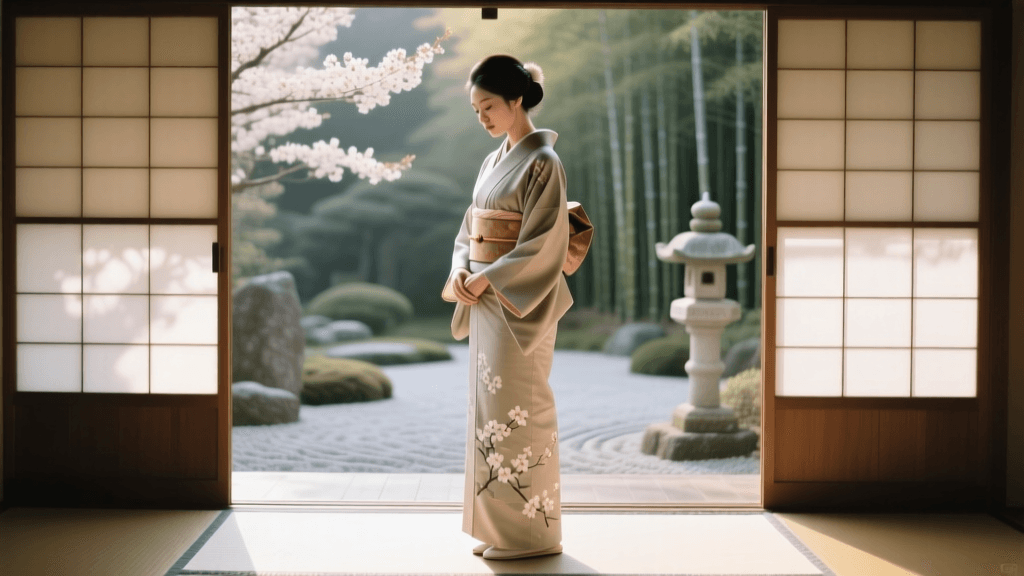
In 2026, the intersection of traditional Japanese garment culture and mental wellness has reached a profound milestone. As digital fatigue peaks globally, practitioners of mindfulness are turning to ancient, tactile disciplines to ground themselves in the present moment. Among the most powerful of these practices is mindful kitsuke—the Zen art of kimono dressing. Far from being a mere fashion routine, kitsuke is increasingly recognized in 2026 as a moving meditation, a somatic practice that aligns the breath, posture, and spirit. This comprehensive guide explores how to transform the ritual of wearing a kimono into a profound Zen meditation practice.
The Philosophy of Mindful Kitsuke in 2026
In Zen Buddhism, everyday activities are not separate from spiritual practice; they are the practice itself. This concept, known as samu (mindful work), applies to sweeping the temple grounds, preparing matcha, and, as modern practitioners have embraced, dressing in traditional garments. The kimono, with its straight seams, lack of darts, and reliance on precise folding and tying, demands absolute presence. You cannot rush the tying of an obi (sash) without the fabric buckling; you cannot pull the eri (collar) tight without restricting your breath. Thus, the garment itself becomes a strict but gentle teacher of mindfulness.
According to cultural historians at the Victoria and Albert Museum's Asian collections, the kimono is an architectural garment that shapes the body and the wearer's relationship to space. In 2026, wellness retreats across Kyoto and Kamakura have integrated this architectural awareness into their Zen meditation curricula, teaching students that the physical boundaries created by the kimono mirror the mental boundaries required for deep concentration (joriki).
Preparing the Space and Mind
Before touching a single thread of silk or hemp, the mindful practitioner must prepare the environment. The year 2026 has seen a resurgence in dedicated "dressing sanctuaries" within homes—small, uncluttered spaces featuring tatami or natural wood flooring, free from digital devices.
- Digital Detox: Leave all smart devices outside the room. The sensory experience of kitsuke requires unbroken focus.
- Olfactory Grounding: Light a stick of traditional sandalwood or aloeswood incense. Allow the scent to signal to your nervous system that it is time to transition from the mundane to the sacred.
- Vocal Resonance: Begin with three deep, diaphragmatic breaths, exhaling with a soft, audible sigh to release tension in the jaw and shoulders.
Step-by-Step Mindful Dressing Sequence
1. The Juban (Undergarment) and Grounding
The juban is the foundation. As you slip your arms through the sleeves, focus on the sensation of the fabric against your skin. Align the center seam of the back panel (se-iro) with your spine. This is your first point of physical alignment. Imagine a thread pulling the crown of your head toward the ceiling, elongating your spine. Tie the koshi-himo (waist tie) with a firm but mindful tension—tight enough to hold, loose enough to allow deep belly breathing.
2. The Kimono and Posture Alignment
Draping the main kimono requires bilateral coordination. Grasp the okumi (front panels) and bring them together. The left panel must always cross over the right. As you smooth the fabric over your hips, engage your core. The straight lines of the kimono will immediately reveal any asymmetry in your posture. If you are slouching, the hem will drag; if your shoulders are uneven, the collar will gap. Use the garment's feedback to correct your stance, embodying the Zen principle of "correcting the body to correct the mind."
3. The Obi and the Core Connection
Tying the obi is the climax of the kitsuke meditation. Wrap the sash around your center of gravity (the hara, located just below the navel). With each wrap, exhale fully. The pressure of the obi provides deep proprioceptive feedback, similar to a weighted blanket, which neurologically calms the sympathetic nervous system. When tying the final knot (such as the simple taiko musubi or a meditative bunko), do so with deliberate, unhurried movements, treating the fabric as an extension of your own energy.
The Role of Breath and the Hara
In Zen philosophy, the hara is the body's physical and spiritual center, located roughly two inches below the navel. It is the source of vital energy (ki) and the anchor for deep, meditative breathing. The architecture of the kimono is specifically designed to rest upon and support the hara. When you tie the koshi-himo and the obi, you are essentially creating a supportive band around this energetic center. During the dressing process, practitioners in 2026 are taught to synchronize their movements with their breath: inhaling while reaching and lifting the fabric, and exhaling while smoothing, folding, and tying. This rhythmic breathing lowers the heart rate and shifts the brain into an alpha-wave state, conducive to deep meditation and flow.
Choosing Fabrics for Sensory Meditation
The tactile feedback of your kimono is crucial for maintaining mindfulness. In 2026, sustainable and sensory-friendly textiles are highly prized in meditative kitsuke. Below is a comparison of traditional fabrics and their suitability for Zen practice.
| Fabric Type | Texture & Sensory Feedback | Breathability | Zen Meditation Suitability |
|---|---|---|---|
| Oshima Tsumugi (Pongee Silk) | Crisp, slightly textured, produces a soft rustling sound (kinagashi) | Moderate | High - The auditory feedback of the rustling silk anchors the mind to the present moment. |
| Echigo Jofu (Ramie/Hemp) | Cool, smooth, stiffens slightly with use | Exceptional | Very High - Ideal for summer zazen (seated meditation); the coolness prevents physical agitation. |
| Ro / Sha (Leno-weave Silk) | Sheer, lightweight, delicate grid texture | High | Moderate - Requires gentle movement; teaches the practitioner extreme physical control and grace. |
| Ise Cotton (Woven Cotton) | Soft, matte, yielding, familiar | Good | High - Excellent for beginners; the forgiving nature of cotton reduces frustration during the learning phase. |
Modern Zen Retreats and Kimono Integration
For those seeking guided instruction, several prominent temples have updated their 2026 schedules to include mindful kitsuke as a prerequisite or complementary practice to zazen. Institutions such as Shunkoin Temple in Kyoto, renowned for its English-language Zen meditation programs, frequently emphasize the mind-body connection inherent in traditional Japanese arts. While not exclusively a garment school, the temple's teachings on mindfulness deeply inform how modern practitioners approach the physical rituals of Japanese culture, including the wearing of the koromo (monk's robes) and layperson kimono.
Furthermore, the Japan Foundation has noted a significant increase in international grants and cultural exchange programs in 2026 focused on the "somatic heritage" of Japan—specifically how traditional arts like kitsuke, tea ceremony, and calligraphy serve as vehicles for mental health and spiritual preservation in a high-tech world.
Maintaining Mindfulness Post-Dressing: The Art of Walking
The meditation of kitsuke does not end once the final knot is tied; it transitions into the art of movement. Walking in a kimono requires a completely different biomechanical approach than walking in Western clothing. The straight hem and the binding of the obi restrict the stride, naturally forcing the wearer to take shorter, more deliberate steps. To walk mindfully in a kimono, one must glide, keeping the upper body perfectly still while the lower legs do the work. This is known as suri-ashi (sliding feet). In 2026, somatic therapists have noted that suri-ashi mimics the grounding techniques used in trauma therapy, forcing the practitioner to feel the earth beneath their feet and maintaining a continuous, unbroken connection with the present environment. Every step becomes a meditation in motion, a physical manifestation of the Zen proverb: "When walking, just walk."
Conclusion: The Garment as a Spiritual Mirror
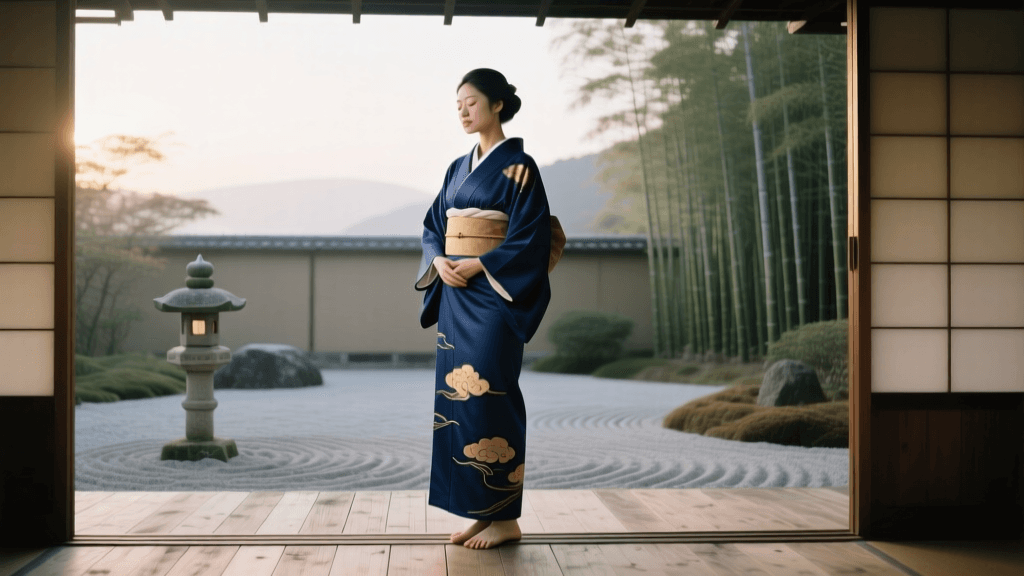
Mindful kitsuke is not about achieving a flawless, magazine-ready silhouette. It is about the journey of the fabric across the body, the breath that fills the chest as the obi is tied, and the quiet dignity that emerges when one stands fully dressed and fully present. In 2026, as we navigate an increasingly ephemeral digital landscape, the heavy, grounding reality of the kimono offers a sanctuary of stillness. By treating the act of dressing as a sacred Zen ritual, we weave mindfulness into the very fabric of our daily lives.