The Kimono Influencer Guide: Growing Online Communities
The Global Digital Kimono Revival
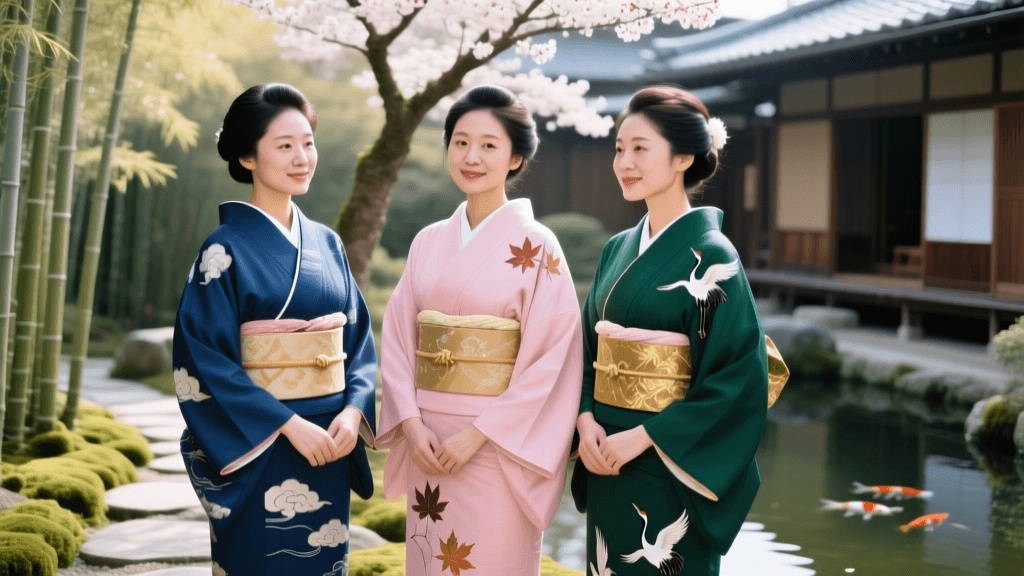
The traditional Japanese kimono has experienced a remarkable renaissance over the last decade, transitioning from a garment reserved for domestic ceremonial occasions to a global fashion phenomenon. At the heart of this revival are kimono influencers, vloggers, and dedicated online communities. Through meticulous kitsuke (dressing) tutorials, vintage textile hauls, and historical deep-dives, digital creators are demystifying the complex layers of Japanese traditional dress for an international audience. For aspiring influencers and seasoned vloggers alike, building a successful kimono-focused platform requires a blend of cultural respect, technical knowledge, and strategic community engagement. This guide explores the actionable steps to grow a thriving online presence in the niche but highly passionate world of traditional Japanese garments.
Choosing the Right Platform for Your Kitsuke Content
Different social media platforms serve distinct purposes within the kimono community. Understanding where your target audience spends their time is the first step to building a loyal following.
Instagram and Pinterest: Visual Storytelling
Instagram remains the premier platform for kimono aesthetics. Influencers utilize the grid to showcase coordinated outfits (kimono, obi, obijime, and zori), while Stories and Reels offer behind-the-scenes glimpses into the dressing process. Using targeted hashtags like #KimonoStyle, #Kitsuke, and #VintageKimono is essential for discoverability. Pinterest, meanwhile, acts as a long-term search engine for users seeking inspiration for destination weddings, tea ceremony attire, and seasonal color palettes.
YouTube: Long-Form Tutorials and Hauls
YouTube is the undisputed king of educational kimono content. Kitsuke involves precise folding, tying, and padding, which cannot be fully captured in short-form video. Successful vloggers create 10-to-15-minute step-by-step tutorials on tying complex obi knots, such as the fukura-suzume (puffed sparrow) or the tateya-kuruma. Additionally, 'thrift haul' videos, where creators review vintage finds from Japanese recycle shops or online auctions, generate massive engagement and provide practical value to viewers looking to build their own wardrobes.
TikTok and Reels: Fast-Paced Transitions
Short-form video is perfect for 'before and after' transformations. A popular format involves a creator in modern Western clothing snapping their fingers or spinning, instantly transitioning into a fully dressed, immaculate kimono silhouette. These visually striking transitions are highly shareable and serve as excellent top-of-funnel content to draw new audiences into your longer, more educational videos.
Reddit and Discord: Deep-Dive Textile Analysis
For community building and deep engagement, platforms like Reddit (specifically the r/kimono subreddit) and dedicated Discord servers are invaluable. These spaces are where enthusiasts gather to identify mysterious textiles, discuss the nuances of shibori (tie-dye) versus yuzen (resist-dyeing), and troubleshoot difficult obi ties. Active participation in these forums establishes you as an authoritative and approachable voice in the community.
Essential Gear for Filming Silk and Textiles
Capturing the intricate details of traditional Japanese textiles requires specific equipment. Silk, metallic threads (surihaku), and subtle woven patterns can easily look flat or washed out under improper lighting. Furthermore, accurately representing the color of vintage dyes is a matter of respect to the original artisans.
| Equipment | Purpose | Estimated Cost (USD) | Pro-Tip for Kimono Vloggers |
|---|---|---|---|
| High-CRI LED Panels (95+ CRI) | Accurate color rendering for silk dyes | $150 - $300 | Avoid mixed color temperatures; stick to 5600K daylight to prevent altering the perception of delicate pastel spring kimono. |
| Macro Lens (e.g., 90mm or 100mm) | Close-up shots of embroidery and weave | $400 - $900 | Use a tripod when shooting macro; even slight breathing movements will blur the intricate details of a fukuro obi. |
| Adjustable Dress Form / Torso | Displaying kimono flat or pinned | $100 - $250 | Standard Western mannequins lack the straight, columnar shape needed to display kimono correctly. Look for specialized Japanese torso forms or use padding to square the shoulders. |
| Wireless Lavalier Microphone | Clear audio for kitsuke narration | $80 - $200 | The rustling of silk (known as 'kinu-zure') is a beloved ASMR element in the community; a good mic captures this satisfying sound. |
Sourcing Vintage: Measurements and Online Auctions
A major pillar of kimono influencer content is sourcing authentic, vintage garments. Most creators do not buy retail; instead, they navigate Yahoo! Auctions Japan, Mercari, Etsy, and specialized online stores like Ichiroya or Yamato. To provide actionable advice to your followers, you must master the unique measurement system of the kimono, which is entirely different from Western sizing.
When reviewing garments or teaching your audience how to buy online, always emphasize these three critical measurements:
- Yuki (Center Back to Wrist): Measured from the center back seam, across the shoulder, and down to the wrist edge. A standard modern female yuki is between 64cm and 68cm. Vintage kimono from the early Showa era often have much shorter yuki (60-62cm), which requires specific styling tricks to hide the short sleeves.
- Mitake (Back Length): Measured from the base of the collar seam down to the hem. This should ideally match the wearer's height from the nape of the neck to the ankle (typically 150cm to 165cm). Unlike Western dresses, kimono length is adjusted at the waist using the ohashori fold, but having the correct mitake is crucial for proper proportions.
- Kuri-koshi (Shoulder Peak): A small tuck sewn into the back of the collar to accommodate the slope of the shoulders and the natural curve of the spine. Explaining how to adjust or sew a kuri-koshi is highly valuable, niche content that performs exceptionally well on YouTube.
Navigating Cultural Appreciation in the Digital Space
As a kimono influencer, you are acting as a cultural ambassador. The line between cultural appreciation and appropriation is a frequent topic of discussion in online communities. The most respected creators in the space prioritize education, historical context, and proper terminology. According to the Metropolitan Museum of Art, the kimono's T-shaped structure and its evolution from the kosode of the Edo period carry deep historical significance that goes far beyond mere 'costume.' By educating your audience on the history of the garment, you foster a community rooted in respect.
Furthermore, highlighting the regional artisans who keep these traditions alive is a powerful way to give back. The Japan National Tourism Organization provides extensive resources on regional crafts, such as Kaga-yuzen from Ishikawa or Oshima-tsumugi from Amami Oshima. Vloggers who travel to these regions to document the dyeing and weaving processes provide immense value, bridging the gap between rural Japanese artisans and global consumers.
When discussing dyeing techniques, accuracy is paramount. For instance, the Metropolitan Museum of Art's Heilbrunn Timeline details the painstaking process of shibori (tie-dyeing), where thousands of individual knots are tied by hand before the fabric is submerged in indigo. Explaining the labor-intensive nature of these crafts helps your audience understand the true value and pricing of authentic vintage and antique kimono, steering them away from mass-produced, culturally insensitive knock-offs.
Community Building: Virtual Tea Parties and Challenges
Growing an audience is only half the battle; retaining them requires active community building. Successful kimono influencers host regular interactive events to keep their followers engaged.
- Virtual Kitsuke Sessions: Host a live stream on YouTube or Instagram where you and your viewers dress in kimono simultaneously. You can pause to help viewers troubleshoot their obi ties or datejime (under-belts) in real-time.
- Seasonal Coordination Challenges: Japanese traditional dress is deeply tied to the seasons. Host monthly challenges where your community posts outfits featuring specific seasonal motifs (e.g., cherry blossoms in April, maple leaves in November, or plum blossoms in February). Create a unique hashtag for your community to track entries.
- Textile Identification Games: Use Instagram Stories or Discord polls to post close-up macro shots of vintage textiles and have your community guess the technique (e.g., 'Is this kanoko shibori or ro-shibori?'). This gamifies the learning process and boosts algorithmic engagement.
Monetizing Your Kimono Community
While passion drives the kimono community, sustaining a high-quality vlog or blog requires financial investment. Influencers in this niche have developed several unique monetization streams:
- Affiliate Marketing: Partnering with reputable online kimono retailers, Japanese proxy buying services (like Buyee or ZenMarket), and traditional accessory shops. Providing your audience with discount codes for their first vintage purchase is a proven conversion strategy.
- Digital Products and Patterns: Selling downloadable, high-resolution PDF guides on obi tying, seasonal color coordination charts, or even sewing patterns for making your own han-eri (decorative collars) and koshihimo (tying sashes).
- Patreon and Memberships: Offering exclusive content to paying supporters, such as unedited 'shop-with-me' vlogs from Japanese flea markets, detailed textile care and washing tutorials, or early access to your vintage kimono shop drops.
- Curated Vintage Drops: Many influencers eventually open their own online boutiques. By sourcing, cleaning, and photographing vintage kimono, you can sell them at a premium to your audience, who trusts your eye for quality and your accurate sizing descriptions.
Conclusion
Building a successful presence as a kimono influencer or vlogger is a deeply rewarding endeavor that merges fashion, history, and global community building. By investing in the right equipment to showcase the beauty of traditional textiles, mastering the precise terminology and measurements of kitsuke, and approaching the culture with profound respect and curiosity, you can carve out a dedicated space in the digital landscape. Whether you are teaching a beginner how to tie their first Nagoya obi or guiding a seasoned collector through the nuances of Edo-period komon, your content plays a vital role in keeping the living art of the kimono vibrant for future generations.