How to Build a Kimono Influencer Brand and Community
The Rise of the Digital Kimono Community
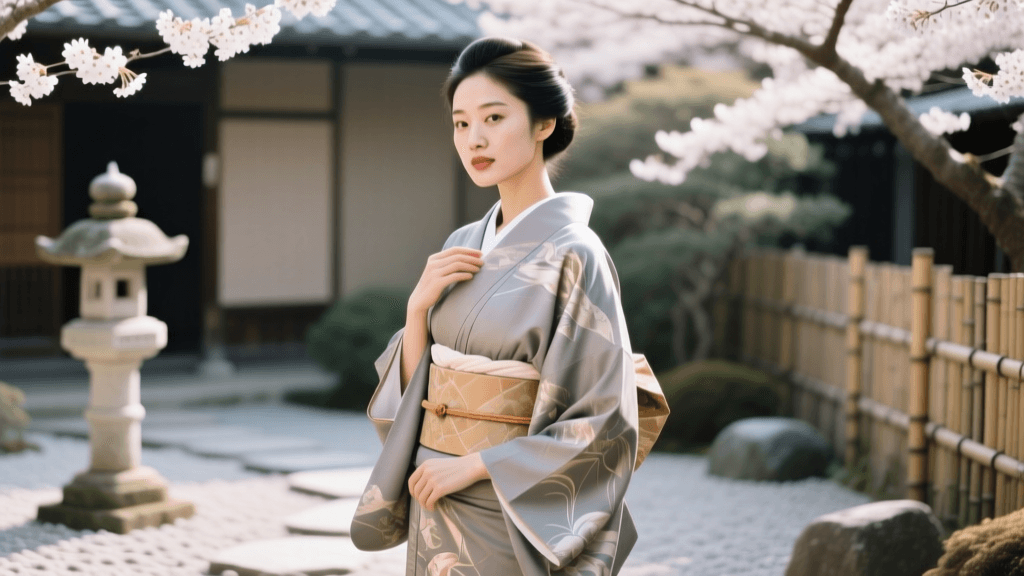
The intersection of traditional Japanese garments and modern digital media has birthed a vibrant, global subculture. Once confined to local festivals, specialized boutiques, and family heirlooms, the kimono is now a staple of global fashion vlogging and social media influence. The global fascination with these garments was spectacularly highlighted by the Victoria and Albert Museum's 'Kimono: Kyoto to Catwalk' exhibition, which proved that traditional Japanese fashion holds a massive, enduring appeal on the world stage. Today, a new generation of digital creators is translating this historical richness into engaging online content, building dedicated communities around the art of kitsuke (kimono dressing), vintage textile collecting, and modern styling.
Becoming a kimono influencer or vlogger is not just about posting beautiful photos; it requires a deep understanding of garment construction, cultural etiquette, and community engagement. Whether you are based in Tokyo, London, or New York, the digital kimono community is highly active, deeply knowledgeable, and incredibly welcoming to those who approach the craft with respect and curiosity.
Defining Your Kimono Content Niche
The online kimono space is diverse. To stand out, you need to carve out a specific niche that aligns with your skills and interests. Here are the most successful content pillars for kimono influencers:
1. Kitsuke (Dressing) Tutorials
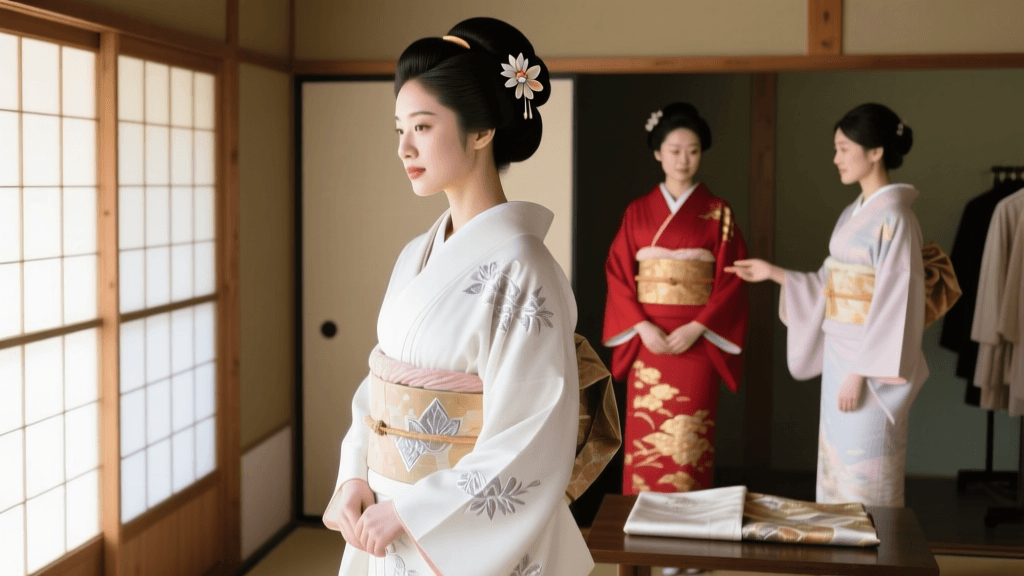
Kitsuke is the art of wearing a kimono. A standard women's kimono typically requires a length of about 158cm to 163cm, and the process of folding, tying, and adjusting the garment involves numerous steps. Vloggers who break down the complexities of tying a fukura-suzume obi knot or achieving the perfect ohashori (the fold at the waist) are highly sought after. Actionable tip: Create short-form reels for quick obi ties, and long-form YouTube videos for full, step-by-step dressing routines.
2. Vintage Thrifting and Restoration
The secondary market for vintage kimono is booming. Influencers who document their 'kimono hauls' from Japanese auction sites like Yahoo! Auctions or local thrift stores (recycle shops) perform exceptionally well. Content focusing on how to spot authentic yuzen dyeing, how to wash silk with specialized detergents, or how to mend minor tears in the lining provides immense value to aspiring collectors.
3. Historical and Textile Education
For those with an academic bent, diving into the history of textiles is a highly respected niche. Explaining the differences between shibori (tie-dye), kasuri (ikat), and Edo komon (micro-patterns) helps educate the global audience. Referencing authoritative resources like the Metropolitan Museum of Art's historical archives on Japanese dress can add immense credibility to your video essays and carousel posts.
Essential Gear for Kimono Vloggers
Capturing the intricate details of silk threads, gold leaf embroidery, and subtle damask (rinzu) patterns requires specific equipment. You do not need a Hollywood studio, but you do need the right tools.
- Camera: The Sony ZV-E10 (approx. $700) is a favorite among fashion vloggers. Its interchangeable lenses and excellent autofocus are perfect for capturing the fine details of obi embroidery.
- Lighting: Silk is highly reflective. Avoid harsh, direct flash which will wash out the colors. Instead, invest in a Godox SL60W continuous LED light (approx. $139) paired with a large octagonal softbox. Position it at a 45-degree angle to create soft shadows that highlight the texture of the fabric.
- Audio: If you are narrating kitsuke tutorials, the rustling of silk can easily overpower your voice. A Rode Wireless GO II (approx. $299) clipped to your collar (or hidden beneath the obi) ensures crystal-clear audio.
- Background: Keep backgrounds uncluttered. A simple shoji screen or a minimalist tatami-mat corner ensures the vibrant colors of the kimono remain the focal point.
Navigating Online Kimono Communities
Building an audience means actively participating in existing communities. The r/kimono subreddit and various Facebook groups (such as 'Kimono Ladies' and 'Junk to Kimono') are goldmines for networking, learning, and sharing your content. However, these communities have strict, unwritten rules of etiquette.
'The golden rule of online kimono communities is respect. Respect for the garment, respect for the culture, and respect for the collective knowledge of the group. Always ask about the era and formality of a piece before making assumptions, and never refer to a kimono as a costume.'
Community Action Plan:
- Lurk and Learn: Spend your first two weeks reading community FAQs. Learn the terminology (e.g., knowing the difference between a haori, a michiyuki, and a kimono).
- Provide Value: Before dropping links to your YouTube channel, answer questions. If a beginner asks how to tie a bunko obi, reply with a helpful text breakdown and then gently link to your tutorial video for visual reference.
- Host Giveaways: Partner with online vintage kimono shops to host Instagram giveaways. Require participants to tag three friends and follow both you and the shop, which rapidly cross-pollinates your audience with established kimono communities.
Platform Strategy: Where to Share Your Kitsuke
Different social media platforms serve different purposes in a kimono influencer's marketing funnel. Use the comparison chart below to allocate your time and resources effectively.
| Platform | Best Content Type | Ideal Frequency | Monetization Potential |
|---|---|---|---|
| High-res OOTD, Reels, Carousel Education | 3-5x / week | High (Brand deals, Shop features) | |
| YouTube | Long-form Kitsuke, History Essays, Hauls | 1x / week | Medium (AdSense, Patreon, Affiliates) |
| TikTok | Quick styling hacks, Transitions, Trends | Daily | High (TikTok Shop, Virality, Creator Fund) |
| Aesthetic flatlays, Obi knot diagrams | 10+ pins / week | Medium (Affiliate links, Blog traffic) |
Monetizing Your Traditional Fashion Influence
Once you have cultivated a loyal following, there are several avenues to monetize your expertise without compromising the cultural integrity of the garments.
- Digital Products: Create and sell comprehensive PDF guides on kimono care, seasonal motifs (kacho-fugetsu), or a step-by-step visual glossary of obi knots. Price these between $15 and $30.
- Affiliate Marketing: Partner with established online kimono retailers. By using tracking links, you can earn a 5% to 10% commission on vintage silk kimono, zori sandals, and kanzashi hair ornaments purchased by your followers.
- Patreon / Memberships: Offer exclusive content for $5 to $10 a month. Perks can include early access to your vintage sourcing lists, monthly Q&A sessions on textile identification, and behind-the-scenes vlogs of your visits to Japanese flea markets (nomiya).
- Consulting and Styling: Offer virtual wardrobe audits for international collectors. For a flat fee (e.g., $75/hour), you can review a client's collection via video call, advise on proper storage (using paulownia wood boxes or specialized paper), and help them build a balanced wardrobe of formal and casual pieces.
Respecting the Culture: A Note on Authenticity
As a kimono influencer, you are a cultural ambassador. The line between cultural appreciation and appropriation is a frequent topic of debate in online fashion spaces. The general consensus within the Japanese kimono community is that non-Japanese people wearing kimono is widely celebrated, provided it is done with respect and a willingness to learn the rules of formality and seasonal appropriateness.
Always credit the artisans, dye houses, and historians whose work you feature. Acknowledge that the kimono is a living, evolving garment, not a relic of the past. By combining high-quality digital production with a deep, reverent understanding of Asian traditions, you can build a thriving influencer brand that honors the past while shaping the future of global fashion.