Global Runway Kimono Trends: 2026 High Fashion Guide
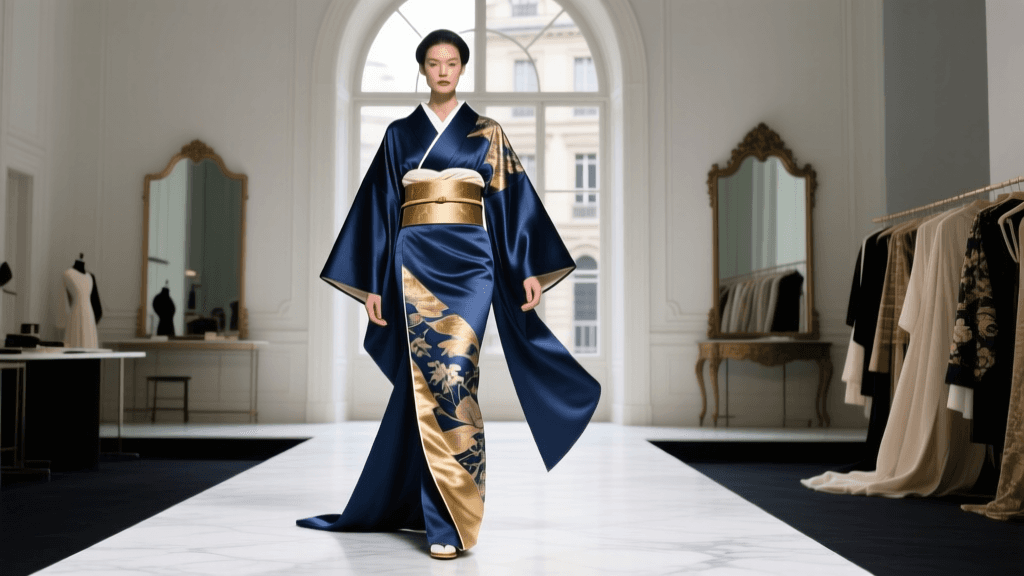
The Renaissance of the Kimono on 2026 Runways
As the global fashion calendar unfolds for the Spring/Summer and Fall/Winter 2026 seasons, one traditional garment continues to exert a profound influence on haute couture and ready-to-wear alike: the Japanese kimono. No longer relegated to mere thematic pastiche or costume-like homage, the structural elegance and textile mastery of the kimono have been fully integrated into the architectural vocabulary of modern high fashion. From the grand salons of Paris to the industrial lofts of Milan, designers are looking to the T-shaped silhouette, the intricate wrap closures, and the unparalleled craftsmanship of Japanese weaving to define luxury in 2026.
The shift this year marks a departure from the 'quiet luxury' trend of previous years, moving toward what industry critics are calling 'heritage structuralism.' This movement prioritizes garments that offer volumetric drama, historical resonance, and artisanal integrity. According to the Victoria and Albert Museum's extensive archives on the kimono, the garment's inherent flatness and reliance on draping rather than tailoring have historically challenged Western pattern-making. In 2026, however, top fashion houses are embracing this very challenge, utilizing the kimono's geometry to create gender-fluid, size-inclusive, and profoundly elegant collections.
Key Kimono-Inspired Silhouettes Dominating 2026
The 2026 runway season is defined by three distinct kimono-inspired silhouettes that have been reimagined for contemporary wardrobes. Designers are deconstructing the traditional elements and rebuilding them with modern fabrics, ranging from recycled technical nylons to heavyweight organic silks.
1. The Architectural Haori
The haori, traditionally a hip- or thigh-length jacket worn over a kimono, has become the quintessential outerwear piece of 2026. On the runways of Paris, we are seeing haori jackets crafted from stiff, structured wools and vegan leathers. The drop-shoulder seam, a hallmark of the traditional haori, is being exaggerated, extending up to eight inches past the natural shoulder line to create a commanding, cocoon-like profile. This silhouette provides a striking contrast when layered over the ultra-slim, bias-cut slip dresses that remain popular this season.
2. The Obi as Modern Corsetry
Perhaps the most innovative adaptation seen during Milan Fashion Week is the transformation of the obi—the wide, stiff sash used to secure a kimono. In 2026, the obi has been reimagined as an external corset and waist-cinching belt. Designers are utilizing rich brocades, Nishijin-ori weaves, and even upcycled automotive fabrics to create wide, rigid belts that wrap the torso, secured not by traditional knots, but by modern magnetic closures and industrial hardware. This fusion of Edo-period waist-cinching with futuristic hardware perfectly encapsulates the 2026 aesthetic.
3. Furisode Sleeves on Eveningwear
The furisode, characterized by its long, swinging sleeves, has heavily influenced 2026 eveningwear. Gowns featuring elongated, open sleeves that drape to the floor are dominating the red carpet and the runway. These sleeves create a sense of kinetic movement, allowing the fabric to billow and catch the air, mimicking the graceful gestures required when wearing a traditional furisode.
Table: 2026 Runway Trends vs. Traditional Elements
| Traditional Element | 2026 Runway Adaptation | Key Materials Used in 2026 | Styling Application |
|---|---|---|---|
| Haori (Jacket) | Exaggerated drop-shoulder, cocoon-fit outerwear | Heavyweight wool, technical nylon, vegan leather | Layered over minimalist slip dresses or wide-leg trousers |
| Obi (Sash) | Rigid, wide external corset with magnetic hardware | Nishijin-ori brocade, upcycled industrial textiles | Cinched over oversized blazers or flowing maxi skirts |
| Furisode (Sleeves) | Floor-draping, open-seam sleeves on evening gowns | Crepe de chine, liquid silk satin, sheer organza | Statement eveningwear, requiring minimalist accessories |
| Tabi (Footwear) | Split-toe ankle boots and derbies with block heels | Polished calfskin, patent leather, suede | Paired with cropped trousers or midi-length skirts |
Textile Innovation: Nishijin-ori and Shibori on the Catwalk
Beyond silhouette, the soul of the kimono lies in its textiles. The Metropolitan Museum of Art's Heilbrunn Timeline of Art History notes that Japanese textile techniques like Nishijin-ori (brocade weaving) and Shibori (shaped-resist dyeing) represent centuries of localized, generational knowledge. In 2026, as the fashion industry faces intense scrutiny regarding sustainability and mass production, these slow-fashion techniques are being elevated to the highest echelons of luxury.
Several prominent European and Japanese fashion houses have established direct, equitable partnerships with weaving cooperatives in Kyoto and Kanazawa for their 2026 collections. Rather than printing digital approximations of traditional motifs onto cheap polyester, designers are commissioning authentic, hand-loomed Nishijin-ori fabrics. These textiles, characterized by their raised, intricate patterns woven with metallic threads, are being used sparingly as focal points in garments—such as a single, dramatic lapel on a tuxedo or a structured panel on a trench coat. Similarly, Shibori dyeing is being applied to organic linens and hemp blends, offering a sustainable, zero-waste alternative to chemical printing processes.
Cultural Appreciation in the 2026 Fashion Landscape
The integration of traditional garments into global fashion always carries the risk of cultural appropriation. However, the 2026 runway season demonstrates a marked improvement in cultural appreciation, driven by stricter industry guidelines and a more educated consumer base. The Kyoto Costume Institute Digital Archives has been instrumental in educating global design teams on the historical and social significance of specific motifs, color palettes, and garment constructions.
This year, respectful collaboration is the standard. Designers are actively crediting the Japanese artisans, weavers, and dyers in their show notes and press releases. Furthermore, the appropriation of sacred or highly specific ceremonial garments (like the uchikake wedding kimono) for casual streetwear has been widely abandoned by major houses. Instead, the focus remains on structural homage—borrowing the geometry of the T-shape, the philosophy of flat-pattern cutting, and the aesthetic of asymmetry (wabi-sabi) without stripping the garments of their cultural dignity.
Actionable Styling: Translating Runway to Real Life
While haute couture provides the inspiration, translating these kimono-inspired trends into a wearable 2026 wardrobe requires a strategic approach to proportion and balance. Here is how to style these elements for everyday elegance:
- The Haori Layering Technique: When wearing a modern, oversized haori jacket, balance the volume on top by keeping the bottom half streamlined. Pair a heavyweight silk haori with straight-leg, high-waisted denim and a fitted turtleneck. Ensure the haori's hem falls at least mid-thigh to maintain the dramatic, elongated line seen on the runways.
- Obi Belt Proportions: If you are adopting the obi-as-corset trend, opt for a belt that is between 4 to 6 inches wide. Cinch it over an oversized, crisp white button-down shirt or a lightweight cashmere sweater. This instantly transforms a basic layer into a high-fashion statement piece, echoing the structured waistlines of Milan's FW26 shows.
- Footwear Integration: The split-toe tabi boot remains a staple in avant-garde fashion. In 2026, opt for a sleek, leather tabi derby with a modest 2-inch block heel. Style them with cropped, wide-leg trousers that end exactly at the ankle bone, allowing the unique silhouette of the shoe to take center stage.
Sourcing and Investment Guide for 2026
For collectors and enthusiasts looking to invest in authentic or contemporary kimono-inspired pieces, the 2026 market offers diverse avenues. Vintage markets in Tokyo, such as the famous Oedo Antique Market, remain the best source for authentic, mid-century silk haori and obi, with prices for excellent condition pieces ranging from $150 to $600 USD.
For contemporary, runway-quality pieces, buyers should look to specialized ateliers that bridge Japanese heritage and modern design. Brands focusing on sustainable Nishijin-ori accessories and modernized haori jackets typically price their garments between $800 and $2,500 USD. When investing, always verify the provenance of the textile and ensure that the brand practices transparent, equitable compensation for the Japanese artisans involved in the weaving and dyeing processes.
The Future of Japanese Textiles in Global Fashion
As we move through 2026, it is clear that the kimono's influence on global runways is not a fleeting trend, but a permanent shift in how the fashion industry views garment construction. The move away from hyper-tailored, restrictive Western silhouettes toward the fluid, wrapping, and forgiving nature of the kimono reflects a broader societal desire for comfort, inclusivity, and mindfulness in what we wear. By continuing to honor the artisanal roots of these textiles and respecting the architectural genius of the traditional silhouette, the global fashion industry ensures that the legacy of the kimono will continue to evolve, inspire, and captivate for generations to come.