Kimono On Global Runways: 2026 Fashion Week Trends
The 2026 Runway Renaissance: Beyond Superficial Motifs
The Spring/Summer and Fall/Winter 2026 fashion weeks in Paris, Milan, and Tokyo have solidified a monumental shift in how traditional Japanese garments are interpreted on the global stage. No longer confined to costume-like reproductions or superficial cherry-blossom prints, the kimono has emerged as a masterclass in structural engineering, zero-waste pattern cutting, and artisanal preservation. As the global fashion industry faces increasing pressure to adopt sustainable and culturally respectful practices, the structural genius of the Japanese kimono offers a profound blueprint for modern haute couture.
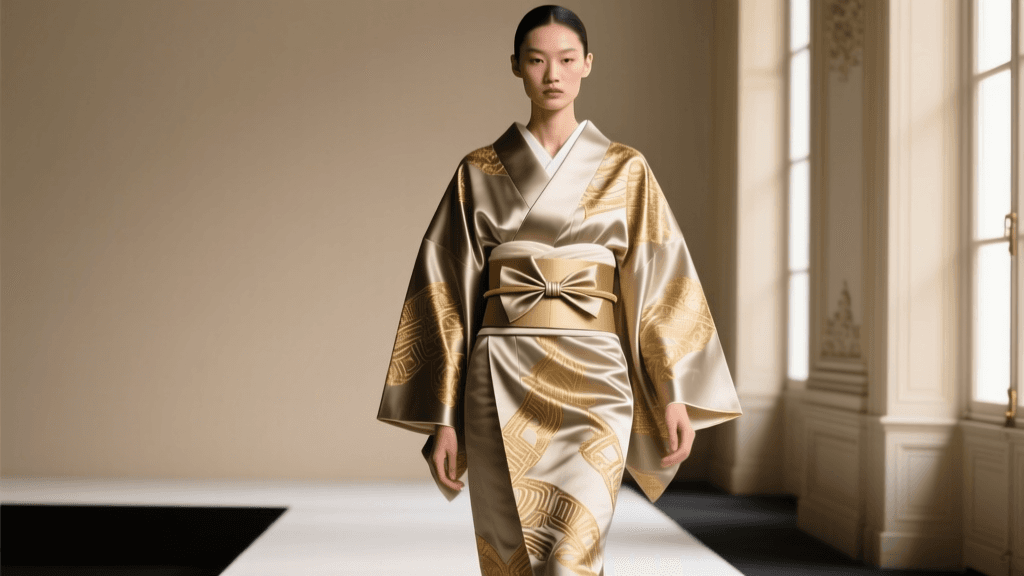
In 2026, top-tier design houses are moving past mere orientalism, choosing instead to deconstruct and revere the garment's foundational architecture. From the dramatic sweep of the furisode sleeve to the intricate, zero-waste geometry of the tanmono (fabric bolt), the kimono is dictating the silhouette of the year. This comprehensive guide explores how traditional Japanese tailoring and textile arts are dominating the 2026 international runway circuit, and how you can translate these high-fashion concepts into a sophisticated, everyday wardrobe.
The Architecture of the T-Shape: Zero-Waste Pattern Cutting
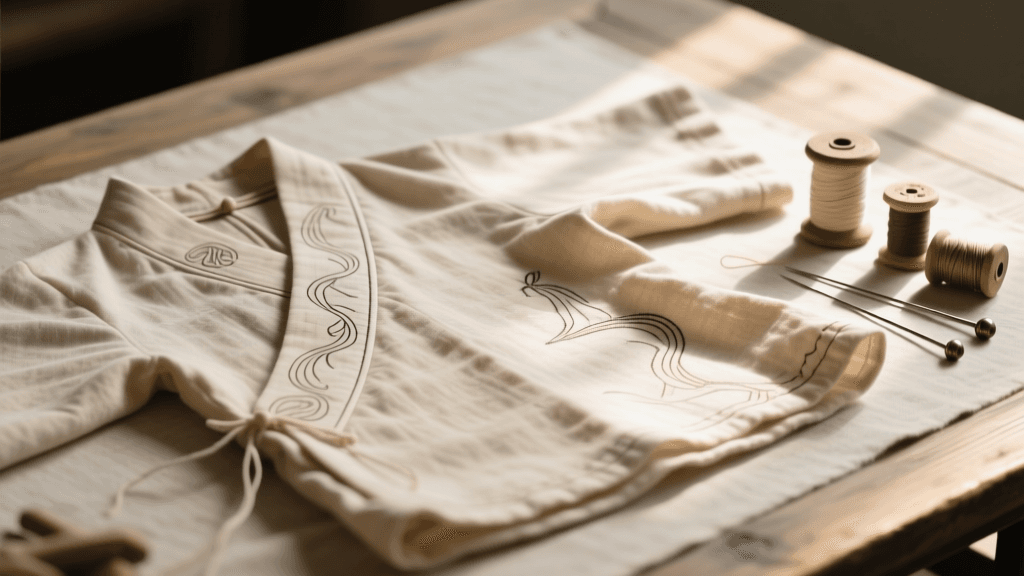
At the core of the 2026 runway kimono trend is a deep appreciation for the garment's T-shaped, straight-seamed construction. Historically, kimonos are crafted from a single bolt of fabric measuring approximately 14 inches wide and 12.5 yards long. Because the fabric is cut in straight lines rather than curved to fit the body, there is virtually zero textile waste—a concept that aligns perfectly with the stringent sustainability mandates enforced by the Fédération de la Haute Couture et de la Mode this year.
According to the Metropolitan Museum of Art's Heilbrunn Timeline of Art History, the evolution of the kimono from the intimate kosode of the Edo period to the expansive outer garment we recognize today was driven by a desire to use the entire canvas of the fabric for artistic expression. In 2026, Parisian couturiers are adopting this straight-line cutting method to create sweeping, architectural outerwear that drapes fluidly without relying on complex darts or curved seams. Designers are presenting floor-length, T-shaped coats in heavy silk wools, utilizing the garment's natural rectangular geometry to create striking, minimalist silhouettes that prioritize fabric conservation.
Heritage Textiles Stealing the 2026 Spotlight
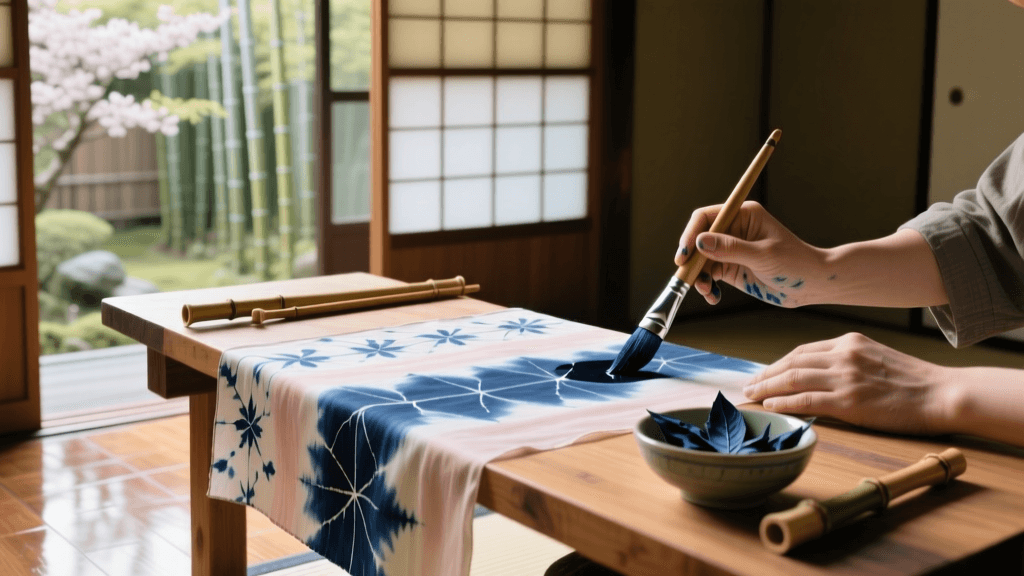
The 2026 catwalks in Milan have been defined by a return to hyper-artisanal textiles, specifically traditional Japanese weaving and dyeing techniques. Rather than relying on digital prints, luxury houses are partnering directly with heritage workshops in Kyoto and Kanazawa to source authentic textiles. Two techniques, in particular, have dominated the seasonal reviews:
- Nishijin-ori (Brocade Weaving): Known for its dense, multi-layered weaving and incorporation of metallic threads, Nishijin-ori is being used in 2026 for structured evening corsetry and rigid, architectural obi-inspired belts.
- Yuzen (Resist Dyeing): This meticulous hand-painting technique, which uses a rice-paste resist to create crisp, intricate boundaries between colors, is being featured on fluid silk-crepe runway gowns, offering a watercolor-like depth that digital printing cannot replicate.
2026 Runway Application of Traditional Techniques
| Technique | Traditional Application | 2026 Runway Adaptation |
|---|---|---|
| Nishijin-ori | Formal Obi sashes, theatrical Noh costumes | Structured corsetry, rigid lapels on tailored blazers, architectural handbags |
| Yuzen Dyeing | Furisode and Tomesode formal kimono | Bias-cut silk slip dresses, flowing palazzo trousers, sheer organza overlays |
| Shibori | Yukata, casual summer wear, linings | Textured denim, heat-pressed technical nylon outerwear, tiered maxi skirts |
| Kanoko (Fawn Spot) | Coming-of-age ceremony furisode | Velvet evening capes, embossed leather accessories, 3D-printed textile mimics |
Structural Dramatics: The Obi and the Furisode Sleeve
Beyond the fabric itself, the structural components of the kimono are being reimagined as avant-garde fashion elements. The obi, traditionally a wide, stiff sash used to secure the kimono and dictate the wearer's posture, has been transformed in 2026 into a symbol of sartorial empowerment. Runway stylists are wrapping oversized, heavily embroidered obi belts over sleek, minimalist sheath dresses and even oversized menswear-inspired suits. The rigid structure of the maru obi (the most formal, double-woven obi) provides a striking contrast to fluid fabrics, creating an hourglass silhouette without the need for internal boning.
Simultaneously, the furisode—the long, swinging sleeves worn by unmarried women for formal occasions—has inspired a new approach to sleeve construction in evening wear. Designers are engineering gowns with exaggerated, floor-grazing sleeves that feature deep underarm gussets. This allows for dramatic movement and volume while maintaining the straight, unbroken line characteristic of traditional Japanese tailoring.
"The genius of the kimono lies in its relationship with the body. It does not restrict; it frames. The 2026 collections are finally understanding that the space between the fabric and the skin is where the true elegance lives."
— Senior Curator of Asian Textiles, International Fashion Institute
Navigating Cultural Appreciation in Modern Couture
A critical discourse surrounding the 2026 fashion week circuit is the boundary between cultural appreciation and appropriation. In previous decades, global brands frequently utilized Japanese motifs without context or credit, leading to widespread industry backlash. Today, the standard has fundamentally shifted. The most celebrated 2026 collections are those that practice radical transparency and equitable collaboration.
Institutions like the Kyoto Costume Institute and the Victoria and Albert Museum's Asia Collections have played pivotal roles in educating global design teams on the historical and spiritual significance of specific garments, crests (mon), and color palettes. In 2026, leading luxury conglomerates are establishing joint ventures with multi-generational weaving families in the Nishijin district of Kyoto. These contracts ensure that traditional artisans receive not only fair compensation for their labor but also royalties and prominent co-branding credit on the runway and in global press releases. This model of collaborative preservation is setting a new benchmark for how global fashion interacts with indigenous and traditional crafts.
Actionable Styling: Translating Runway Trends to Daily Wear
While the avant-garde interpretations of the kimono on the Paris and Milan runways are breathtaking, integrating these elements into a practical, everyday wardrobe requires a nuanced approach. Here is how you can adopt the 2026 kimono runway trends with sophistication and respect for the garment's origins:
1. The Modern Haori Layer
The haori is a traditional hip- or thigh-length jacket worn over the kimono. In 2026, it is the ultimate transitional outerwear piece. Look for a vintage or modern silk haori and wear it open over a crisp white t-shirt and tailored, wide-leg trousers. Pro Tip: Ensure the haori features a chi (decorative braided cord) at the front. Instead of tying it traditionally, let the cords hang loose for a relaxed, bohemian drape, or remove the haori and use the braided cord as a statement necklace.
2. Architectural Obi-Inspired Belting
You do not need to wear a traditional kimono to utilize the structural power of the obi. Invest in a stiff, brocade belt measuring between 4 to 6 inches in width. Wrap it high on the natural waist over an oversized linen blazer or a fluid midi-dress. The rigidity of the Nishijin-style brocade will cinch the waist and add a striking, architectural focal point to an otherwise simple outfit.
3. Drop-Shoulder Silhouettes
To mimic the relaxed, straight-line drape of the kimono without wearing the actual garment, seek out modern blouses and coats with pronounced drop-shoulder seams. Measurement Guide: Look for a drop-shoulder seam that extends at least 3 to 4 inches past your natural shoulder line. This creates the sloping, elegant profile characteristic of the kimono silhouette, allowing the fabric to pool and drape naturally around the collarbone.
4. The Han-Eri (Layered Collar) Effect
Traditional kimono layering often features a han-eri, a decorative half-collar that peeks out from beneath the main garment. You can replicate this 2026 runway styling trick by wearing a detachable, heavily embroidered collar or a contrasting silk turtleneck beneath a deep V-neck sweater or suit jacket. This draws the eye upward and adds a layer of intricate textile artistry near the face, honoring the Japanese aesthetic principle of subtle, layered revelation.
Conclusion: A Future Woven in Tradition
The presence of the kimono on the 2026 global runways is not a fleeting trend; it is a profound acknowledgment of Japanese sartorial mastery. By embracing zero-waste pattern cutting, elevating heritage textiles like Nishijin-ori and Yuzen, and fostering equitable partnerships with traditional artisans, the global fashion industry is finding a sustainable and culturally rich path forward. As we continue to navigate the 2026 fashion calendar, the kimono stands as a timeless reminder that true luxury lies in the meticulous, respectful, and intentional creation of garments that transcend seasons and centuries.