Kimono Couture on Global Runways: 2026 Fashion Trends

The global fashion landscape in 2026 has witnessed a profound structural shift, moving far beyond the surface-level 'Japonisme' that characterized early 2000s runway trends. Today, the traditional Japanese kimono is not merely referenced through cherry blossom prints or silk robes; it is deeply embedded in the architectural foundation of haute couture. From the sweeping avenues of Paris to the industrial show spaces of Milan, the Spring/Summer and Fall/Winter 2026 collections have showcased a masterclass in structural adaptation, zero-waste pattern cutting, and artisanal textile integration. As luxury houses face increasing pressure to adopt sustainable and culturally resonant practices, the kimono offers a centuries-old blueprint for the future of high fashion.
The Architecture of the T-Sleeve and Zero-Waste Geometry
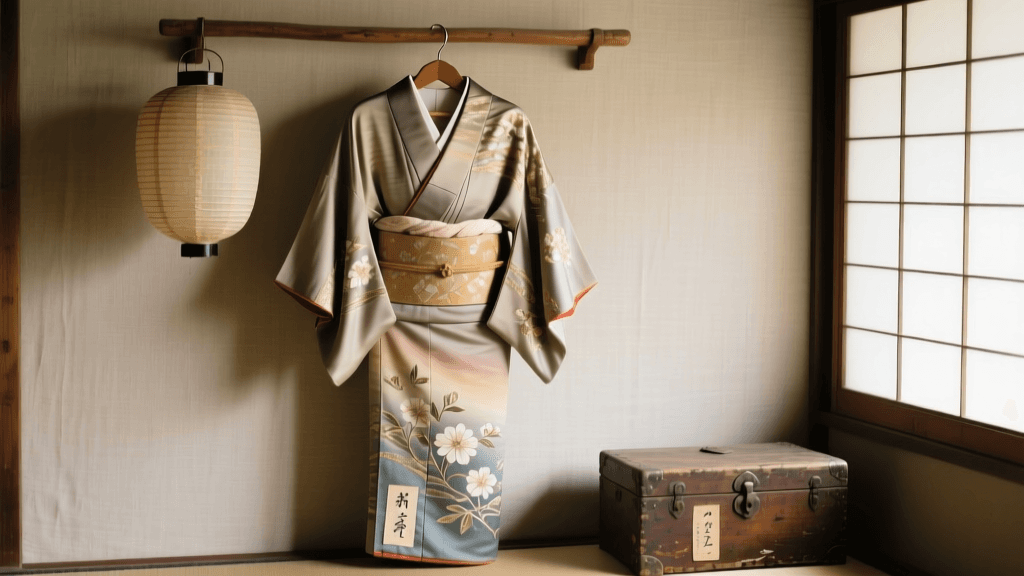
At the core of the 2026 runway kimono renaissance is a fascination with the garment's foundational geometry. Unlike Western tailoring, which relies on complex curved seams to contour the body, the traditional kimono is constructed from straight, rectangular panels cut from a single bolt of fabric known as a tanmono. This bolt typically measures exactly 36 centimeters in width and 11.5 meters in length. Historically, this method ensured that almost zero fabric was wasted during the cutting process.
In 2026, avant-garde designers and sustainability-focused luxury houses have adopted this straight-line cutting technique to engineer voluminous, deconstructed silhouettes that drape effortlessly. The iconic T-shaped sleeve, or sode, has been exaggerated on the runways of Paris, transforming into floor-sweeping capes and structured drop-shoulder jackets. By utilizing the kimono's flat-packing geometry, contemporary designers are creating modular garments that can be disassembled and reconfigured, aligning perfectly with the circular fashion mandates dominating the European market this year.
According to The Metropolitan Museum of Art's Heilbrunn Timeline of Art History, the kimono's structural brilliance lies in its ability to conceal and reveal simultaneously, relying on the drape rather than the cut to interact with the human form. Modern couturiers are leveraging this exact principle, using weighted hems and internal silk organza scaffolding to create gravity-defying T-sleeves that maintain their architectural integrity even in motion.
Nishijin-Ori and Bio-Silk: A Textile Renaissance
Beyond silhouette, the 2026 fashion weeks have been defined by a radical evolution in textile sourcing, specifically the integration of traditional Japanese weaving techniques with next-generation biomaterials. Nishijin-ori, the highly complex, multi-layered brocade weaving technique originating from Kyoto's Nishijin district, has become the most sought-after textile collaboration for elite fashion houses.
This season, rather than simply importing vintage brocades, European luxury conglomerates have established direct, ethical partnerships with Kyoto weaving cooperatives. These collaborations have resulted in hybrid textiles: traditional Nishijin-ori looms are now being threaded with lab-grown bio-silks and upcycled metallic yarns. The result is a fabric that possesses the historical weight, intricate motifs, and luxurious hand-feel of heritage brocade, but with a significantly reduced carbon and water footprint.
Similarly, Shibori (traditional Japanese tie-dyeing) has been reimagined for the modern runway. Artisans in Arimatsu are working alongside Milanese dye houses to apply 2026's trending 'living dyes'—pigments derived from engineered algae and fermented botanicals that actually absorb carbon dioxide during the dyeing process. The intricate, spider-web patterns of kumo shibori are appearing on structural evening gowns, offering a textured, three-dimensional surface that catches the runway lighting in mesmerizing ways.
The Obi Reimagined: From Traditional Sash to Architectural Corsetry
No kimono ensemble is complete without the obi, the wide sash that secures the garment and serves as the focal point of the outfit. On the 2026 runways, the obi has been completely deconstructed and reimagined as a piece of architectural corsetry and outerwear. Designers are drawing inspiration from the fukuro obi (a formal, double-width sash) and the maru obi (the most formal, heavily brocaded sash), translating their rigid, sculptural qualities into modern waist-cinching pieces.
Rather than traditional silk, these runway obis are crafted from molded leather, stiffened neoprene, and even 3D-printed flexible resins. They are worn over flowing, unstructured slip dresses and oversized tailoring, creating a striking contrast between fluid drapery and rigid waist definition. The obi-jime (the decorative cord used to secure the obi) has also been scaled up, appearing as thick, braided macramé belts that wrap around the torso multiple times, adding a tactile, artisanal element to minimalist evening wear.
Runway vs. Reality: Adapting Kimono Elements
To understand how these high-fashion concepts translate into wearable elements, it is essential to compare the traditional garment with its 2026 runway counterparts. The table below outlines the key adaptations seen across the major fashion capitals this year.
| Garment Element | Traditional Kimono Standard | 2026 Runway Adaptation |
|---|---|---|
| Silhouette | Straight, T-shaped, flat construction | Asymmetrical, deconstructed, volumetric draping |
| Fastening | Obi belt, koshihimo (hidden ties) | Hidden magnetic closures, structured corsetry |
| Textile | Silk, hemp, cotton, woven brocade | Bio-silks, upcycled synthetics, living dyes |
| Sleeve (Sode) | Furisode (long), Tomesode (short) | Exaggerated drop-shoulders, detachable panels |
| Layering | Kimono, nagajuban (undergarment), haori | Sheer organza overlays, modular outerwear |
Cultural Appreciation and Ethical Collaboration
A critical conversation surrounding the 2026 runway shows is the delicate balance between cultural appreciation and appropriation. In the past, fashion houses frequently lifted Asian motifs without credit or context. Today, the industry standard demands rigorous ethical collaboration. The most celebrated shows in Paris and Milan this season were those that credited specific Japanese artisans by name, shared profits with heritage cooperatives, and utilized their platforms to educate audiences on the historical significance of the garments.
Institutions like the Victoria and Albert Museum's Asian Collections have long emphasized the importance of understanding the socio-cultural context of Asian dress. Modern fashion houses are now consulting with cultural historians and Japanese textile experts during the design phase to ensure that sacred motifs, such as specific crane or pine arrangements reserved for weddings or funerals, are used respectfully and accurately in their collections.
Styling the Runway Trends for Everyday Wear
While the avant-garde runway pieces may not be practical for daily life, the underlying principles of the 2026 kimono trend are highly adaptable for the modern wardrobe. Here is how you can incorporate these high-fashion concepts into your everyday style:
- The Haori Duster: The haori, a traditional hip- or thigh-length kimono-style jacket, is the most accessible entry point. In 2026, styling a vintage or modern silk haori over a minimalist turtleneck and wide-leg trousers creates an elegant, bohemian silhouette perfect for transitional weather.
- Obi-Jime Belt Styling: You do not need a heavy brocade sash to capture the obi trend. Use a braided obi-jime cord, or a similar thick, tasseled silk rope, to cinch an oversized blazer or a flowy maxi dress at the natural waist. This adds a touch of Japanese artisanal craft to Western basics.
- Zero-Waste Wrap Skirts: Embrace the straight-line cutting philosophy by investing in wrap skirts made from rectangular panels of heavy linen or silk. These skirts mimic the flat-fold geometry of the kimono and offer a customizable, zero-waste fit that flatters every body type.
- Layering with Sheer Textiles: The runway trend of layering sheer nagajuban-style undergarments over opaque pieces can be replicated by wearing delicate, lace-trimmed silk slips beneath structured wool coats or oversized knitwear, allowing just a fraction of the collar and hem to peek through.
Conclusion
The presence of the kimono on the 2026 global runways is a testament to its enduring brilliance as a masterclass in garment engineering. By looking past the exoticism and focusing on the structural, sustainable, and artisanal qualities of traditional Japanese dress, modern haute couture has found a vital blueprint for the future. As fashion continues to evolve toward modularity, zero-waste production, and deep cultural respect, the centuries-old wisdom woven into every tanmono bolt remains as relevant and revolutionary as ever.