Kimono Runway Trends 2026: Global Fashion Week Guide
The Evolution of Kimono on the 2026 Global Runways
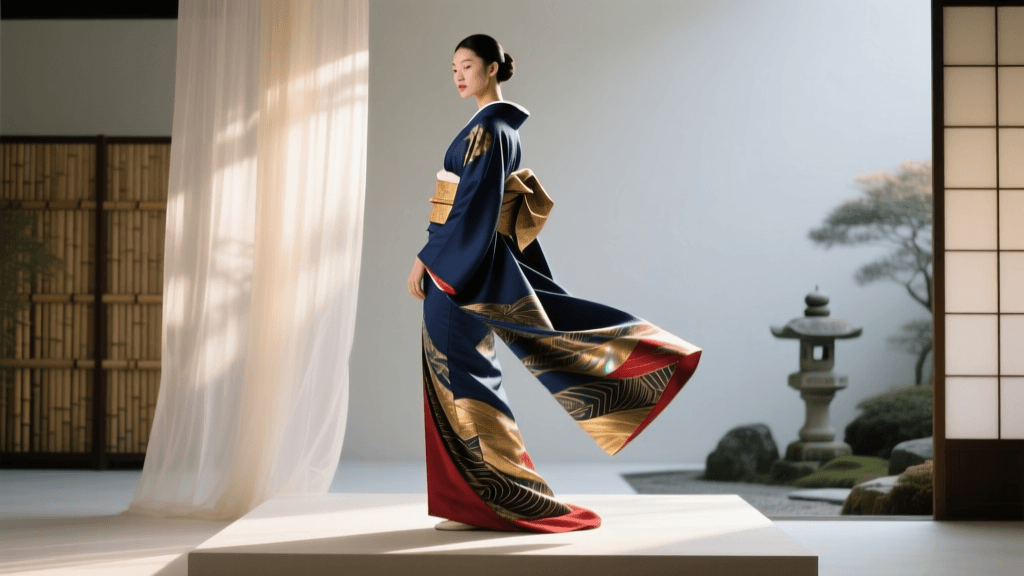
The intersection of Japanese heritage and Western haute couture has reached an unprecedented zenith during the 2026 global fashion weeks. Moving far beyond the superficial motifs of previous decades, the Spring/Summer and Fall/Winter 2026 collections presented in Paris, Milan, and Tokyo showcase a profound, structural reverence for the traditional kimono. Designers are no longer merely printing cherry blossoms on silk; they are engaging in deep, equitable partnerships with Kyoto-based artisans, utilizing centuries-old weaving techniques like Nishijin-ori and Yuzen dyeing to redefine modern luxury. According to recent analyses by Vogue Runway, Japanese sartorial architecture is the defining silhouette of the 2026 eveningwear and outerwear markets, signaling a permanent shift in how global fashion houses approach non-Western garment traditions.
1. The Neo-Obi Corset and Structural Silhouettes
The most striking innovation on the 2026 runways is the reimagining of the obi. Traditionally a wide sash used to secure the kimono, the obi has been deconstructed and merged with Western corsetry. Runway presentations from avant-garde houses this season featured 'Neo-Obi' corsets measuring up to 45 centimeters in width, reinforced with flexible steel boning and crafted from stiff, metallic brocades. This creates an exaggerated, architectural hourglass silhouette that pays homage to the straight, tubular elegance of the traditional kimono while introducing a fierce, contemporary edge. The styling often involves wearing these structural obi belts over fluid, asymmetrical slip dresses or tailored wool trousers, bridging the gap between historical garment and modern power dressing.
2. Nishijin-Ori Brocade in Modern Evening Wear
Nishijin-ori, the luxurious jacquard weave originating from Kyoto's Nishijin district, has become the textile of choice for 2026 high-fashion evening wear. Historically reserved for the most formal of kimonos and aristocratic obi, this dense, heavily patterned silk is now being draped into voluminous, furisode-inspired gowns with sweeping, elongated sleeves. The 2026 collections emphasize the tactile weight of Nishijin-ori, allowing the fabric's natural stiffness to create dramatic, gravity-defying collars and structured peplums. Designers are collaborating directly with multi-generational weaving families in Japan, ensuring that the integration of these textiles supports the preservation of endangered artisanal crafts. As noted by The Metropolitan Museum of Art, the historical significance of these weaves adds a layer of museum-quality prestige to contemporary luxury garments.
3. Upcycled Vintage and Sustainable Yuzen Dyeing
The driving force behind the 2026 kimono renaissance on global runways is a stringent commitment to sustainability and ethical sourcing. The fashion industry's pivot toward circularity has made vintage kimono textiles highly sought after. Designers are purchasing damaged or unwearable antique kimonos from Japanese archives, carefully deconstructing them, and patchworking the pristine Yuzen-dyed silk panels into new, one-of-a-kind runway garments. This practice not only prevents textile waste but also preserves the intricate, hand-painted artistry of the past. The Business of Fashion's sustainability archives frequently highlight how heritage upcycling is becoming a core pillar of luxury brand narratives, proving that true modern luxury is inherently tied to historical preservation and zero-waste methodologies.
Comparative Analysis: Traditional vs. 2026 Runway Adaptations
| Garment Element | Traditional Function | 2026 Runway Adaptation | Styling Application |
|---|---|---|---|
| Obi Sash | Secures kimono, denotes formality | Steel-boned Neo-Obi corset (45cm width) | Worn over tailored suits or slip dresses |
| Furisode Sleeves | Formal wear for unmarried women | Detachable, asymmetrical evening gown sleeves | Paired with minimalist bodices |
| Haori Jacket | Lightweight outdoor kimono coat | Padded, technical-fabric statement outerwear | Layered over casual knitwear and denim |
| Nishijin-Ori Silk | Aristocratic obi and formal sashes | Structured peplums and gravity-defying collars | Used in high-fashion evening separates |
Color Palettes and Textile Innovations for 2026
The color stories dominating the 2026 kimono-inspired runways draw heavily from traditional Japanese natural dyeing techniques, updated for modern sensibilities. Matcha green, deep indigo (aizome), and oxidized copper are the prevailing hues, replacing the stark monochromatic palettes of previous seasons. Textile innovation is also at the forefront, with several Milan-based houses introducing bio-engineered silks that mimic the exact drape and luster of traditional habutai silk, but with enhanced water-resistant properties. This allows the delicate, flowing lines of kimono-inspired outerwear to be practical for the unpredictable weather of global fashion capitals, merging ancient aesthetics with 2026 material science.
How to Style Runway Kimono Trends in 2026
Translating these high-concept runway trends into a wearable 2026 wardrobe requires a nuanced understanding of proportion and textile mixing. The key to styling kimono-inspired pieces this year is contrast and intentional juxtaposition.
- The Statement Haori: Pair a heavy, structured Nishijin-ori runway jacket with a simple, bias-cut silk slip dress and minimalist leather ankle boots. Let the jacket be the sole focal point of the ensemble.
- Neo-Obi Belt Styling: Avoid wearing head-to-toe traditional silhouettes. Instead, isolate a deconstructed obi belt and use it to cinch an oversized, masculine-tailored blazer, creating a striking hourglass shape over wide-leg trousers.
- Footwear Pairings: Footwear has evolved to complement these silhouettes. 2026 collections feature platform boots that mimic the elevated, architectural stance of traditional geta and okobo sandals, providing both height and a subtle nod to Japanese heritage without resorting to costume.
- Layering Techniques: Use sheer, organza kimono-style wraps over structured leather corsets to balance the fragility of traditional textiles with the hardness of modern punk-inspired elements.
The Economics of Kyoto Artisan Collaborations
The economics of acquiring these runway pieces reflect their artisanal origins and the intense labor required to produce them. A genuine, newly woven Nishijin-ori runway coat from a major European luxury house in 2026 will typically command a retail price between $8,500 and $15,000, reflecting the hundreds of hours of hand-loom weaving required by master artisans in Kyoto. Conversely, upcycled vintage kimono jackets from emerging, sustainability-focused designers range from $1,200 to $3,500. For those seeking the aesthetic without the haute couture price tag, high-street interpretations utilizing digital prints and synthetic brocades are available for $250 to $600, though they lack the structural integrity and cultural authenticity of the artisanal originals.
'The 2026 collections prove that the kimono is not a static museum piece, but a living, breathing architectural blueprint that continues to challenge and inspire the boundaries of Western tailoring.' - Senior Textile Curator, Kyoto Museum of Traditional Crafts.
Sourcing Authentic and Runway-Inspired Pieces
For collectors and fashion enthusiasts looking to invest in the 2026 kimono runway trends, authentication and provenance are paramount. When purchasing vintage silk pieces intended for upcycling or direct wear, always request documentation of the Yuzen dyeing process and the region of origin. The secondary market for authenticated, late-Showa and early-Heisei era formal kimonos has surged by 40% in 2026, driven by luxury brands buying up stock for their own archives. To participate in this market safely, utilize certified vintage textile dealers in Tokyo's Jimbocho district or established international auction houses that specialize in Asian sartorial arts. Ultimately, the presence of the kimono on the 2026 global runways is a permanent recalibration of how the fashion industry values non-Western garment architectures, cementing its legacy as a dynamic cornerstone of global haute couture.