Kimono & Haori Styling Guide 2026: Modern Japanese Wear
The Renaissance of Japanese Traditional Fashion in 2026
Japanese fashion has always been a masterclass in balancing heritage with avant-garde innovation. As we navigate the style landscape of 2026, the integration of traditional garments like the kimono, haori, and hakama into everyday global wardrobes has reached an unprecedented peak. Driven by the sustainable fashion movement and a desire for artisanal craftsmanship, neo-traditional Japanese styling is no longer reserved for formal ceremonies. It is a living, breathing component of contemporary sartorial expression.
According to the Victoria and Albert Museum's extensive archives on Japanese dress, the kimono is not merely a static historical artifact but a dynamic canvas for personal expression. In 2026, the global shift toward circular fashion has placed vintage Japanese textiles at the forefront of sustainable luxury. Consumers are increasingly bypassing fast fashion in favor of upcycled Nishijin-ori silks and hand-dyed Yuzen cottons, recognizing the unparalleled longevity and zero-waste construction of traditional Japanese garments.
Deconstructing the Wardrobe: Core Japanese Garments
The Haori: The Ultimate Transitional Layer
Originally worn by samurai and later adopted by geisha and commoners, the haori is a hip- or thigh-length jacket. In 2026, it serves as the ultimate transitional outerwear piece. Unlike Western blazers, the haori’s straight, T-shaped construction allows it to drape elegantly over any body type without the restriction of tailored shoulders. Modern styling often sees vintage silk haori worn open over crisp white t-shirts and wide-leg denim, allowing the intricate interior linings to peek through. The haori requires no complex tying, making it the most accessible entry point into Japanese traditional fashion.
The Kimono: From Formalwear to Street Style
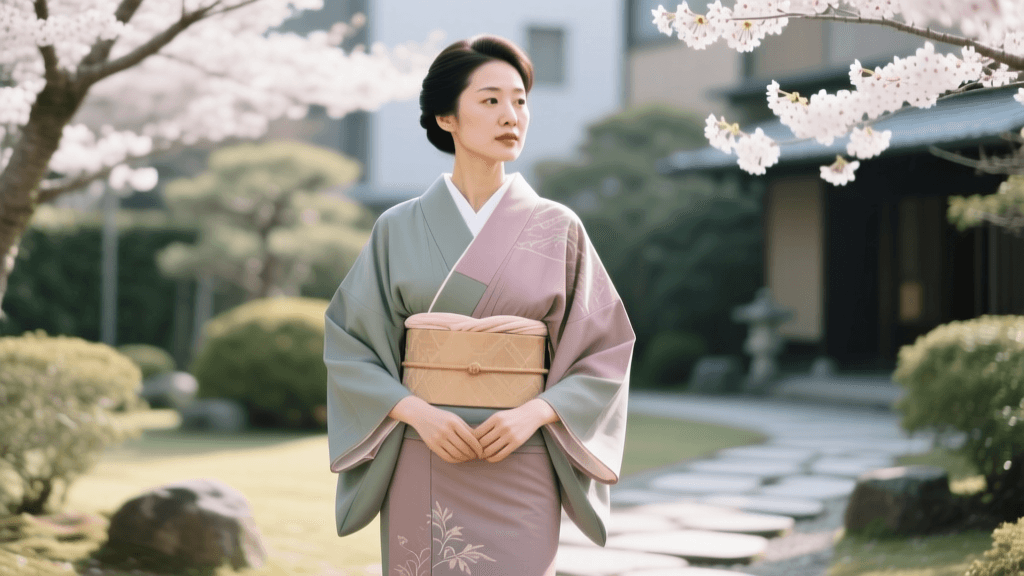
The word kimono simply translates to 'thing to wear.' While the formal, multi-layered kitsuke (dressing) rules still apply for tea ceremonies and weddings, the 2026 approach to everyday kimono wear embraces 'broken' styling. This involves pairing a shortened, tailored kimono with modern leather boots, or using the garment as a wrap dress secured with a contemporary leather obi belt. The Metropolitan Museum of Art highlights the T-shaped structure of the kimono as a marvel of geometric tailoring, a feature that modern designers are actively preserving in their 2026 upcycled collections.
Hakama and Tabi: Grounding the Silhouette
Hakama are wide-legged, pleated trousers traditionally worn by nobility and martial artists. Today, they are a staple in high-fashion streetwear and academic circles in Japan. The rigid structure of the hakama provides a striking contrast to soft, draped upper garments. Paired with modern split-toe footwear, the silhouette is grounded and architectural.
Understanding 2026's Prized Textile Techniques
To truly appreciate the value of vintage and contemporary Japanese garments, one must understand the labor-intensive techniques used to create them. In 2026, as mass-produced digital prints flood the market, hand-crafted textiles have become highly sought-after investments.
- Yuzen Dyeing: Originating in Kyoto, this resist-dyeing technique uses rice paste to outline intricate designs before applying vibrant colors. A vintage Yuzen kimono can take months to complete by a single artisan, making it a masterpiece of wearable art.
- Shibori: The Japanese art of shaped-resist dyeing. By binding, stitching, folding, or twisting the fabric before submerging it in indigo or other natural dyes, artisans create organic, three-dimensional patterns. Shibori haori are particularly popular in 2026 summer collections due to their breathable cotton and hemp bases.
- Sashiko and Boro: Once a necessity for repairing worn workwear, Sashiko (decorative reinforcement stitching) and Boro (patchwork) are now celebrated as premium sustainable design elements. Upcycled jackets featuring authentic, aged Boro patchwork command premium prices in Tokyo's vintage districts and global sustainable boutiques.
2026 Market Guide: Sourcing and Pricing
Sourcing authentic Japanese garments in 2026 requires an understanding of textile eras and weaving techniques. The most prized vintage pieces hail from the Taisho and early Showa periods, celebrated for their bold, modernist motifs. Below is a comprehensive pricing guide for the 2026 market, reflecting current valuations for authentic, well-preserved pieces.
| Garment Type | Material / Era | 2026 Est. Price (USD) | Best Modern Use Case |
|---|---|---|---|
| Vintage Haori | Silk / Mid-Century Vintage | $85 - $250 | Outerwear layer over denim and tees |
| Komono Kimono | Wool or Cotton / Late 20th Century | $60 - $150 | Casual wrap dress or duster coat |
| Furisode (Long Sleeve) | Heavy Silk / Taisho Era | $400 - $1,200+ | Statement evening wear, upcycling projects |
| Modern Hakama | Polyester Blend / 2026 | $120 - $300 | Wide-leg alternative to tailored trousers |
| Vintage Maru Obi | Brocade Silk / Vintage | $150 - $500 | Corset styling, wall art, table runners |
Actionable Styling: Blending Eras in 2026
Integrating these pieces into a contemporary wardrobe requires a balance of proportions and textures. Here are three actionable styling formulas dominating the 2026 neo-traditional scene:
- The Urban Haori: Pair a mid-thigh silk haori with a fitted black turtleneck, high-waisted pleated trousers, and minimalist leather loafers. The haori acts as a sophisticated alternative to a trench coat, providing movement and a flash of vibrant interior lining.
- The Obi Cinch: Utilize a vintage Hanhaba (half-width) obi as a structural belt. Wrap it tightly over an oversized white button-down shirt or a flowing midi dress. This creates an hourglass silhouette while showcasing the intricate metallic threading of the obi fabric.
- Modern Tabi & Hakama: Combine cropped, ankle-length hakama with contemporary split-toe (tabi) boots or traditional zori sandals. This look honors the martial arts origins of the garments while fitting seamlessly into modern avant-garde streetwear.
Footwear: Tabi, Zori, and Geta in the Modern Era
No Japanese fashion guide is complete without addressing footwear. The split-toe design, known as tabi, has transcended its traditional roots to become a global fashion phenomenon, heavily popularized by both heritage brands and high-fashion houses. In 2026, brands continue to innovate, offering ergonomic rubber-soled tabi boots that provide the aesthetic of traditional footwear with the comfort required for modern city walking.
For formal or semi-formal occasions, the zori (a flat sandal made of rice straw, cloth, or synthetic materials) remains the standard. When styling a modern kimono silhouette, pairing it with a sleek, minimalist leather zori bridges the gap between tradition and contemporary minimalism. Conversely, the geta (wooden clog) is reserved for casual summer wear, particularly with yukata (lightweight cotton kimono) during festivals. The elevated wooden teeth of the geta keep the garment's hem clean and provide a distinctive, rhythmic clacking sound that is deeply nostalgic.
Fabric Care and Preservation
Preserving vintage Japanese textiles in 2026 requires moving away from harsh chemical dry cleaning. Silk kimono and haori should be aired out in the shade after wearing to release moisture and odors. For spot cleaning, use specialized, pH-neutral enzyme cleaners designed for antique protein fibers. When storing, avoid wire hangers which distort the delicate shoulder seams. Instead, fold the garments using the traditional flat-folding method and store them in acid-free tissue paper within breathable cotton bags or traditional paulownia wood chests (tansu), which naturally regulate humidity and repel insects.
Conclusion
The Japanese traditional garment is not a relic of the past; it is a sustainable, versatile cornerstone of the 2026 global wardrobe. By understanding the history, construction, and modern styling potential of the kimono, haori, and hakama, fashion enthusiasts can participate in a rich cultural dialogue while championing the slow fashion movement.