Modern Kimono Styling 2026: Sustainable Silks and Streetwear Guide
Introduction to 2026 Japanese Streetwear
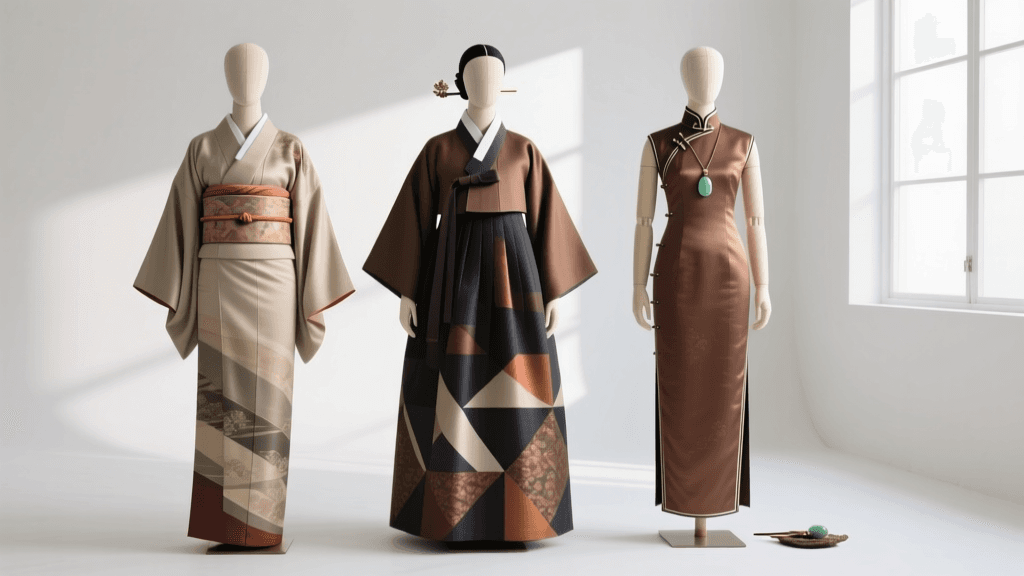
The intersection of traditional Japanese clothing and contemporary global fashion has reached a fascinating zenith in 2026. No longer confined to ceremonial occasions or seasonal festivals, garments like the kimono, haori, and hakama have been fully embraced by the international streetwear community. This comprehensive guide explores how to style traditional Japanese garments in 2026, focusing on the integration of sustainable silk alternatives, modern streetwear silhouettes, and practical styling techniques that respect the cultural heritage of these iconic pieces while pushing the boundaries of modern fashion.
The Haori: From Ceremonial Jacket to Streetwear Staple
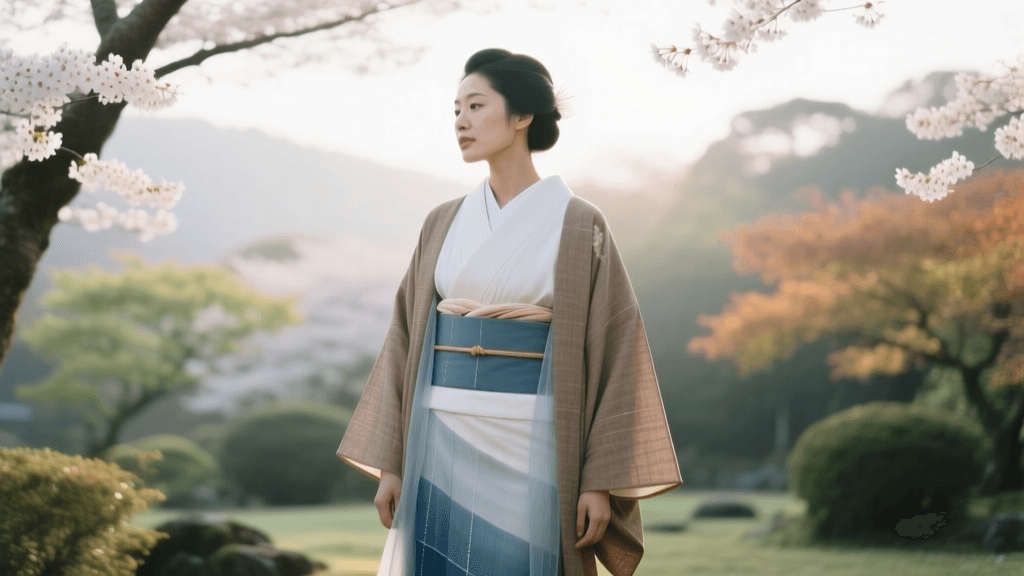
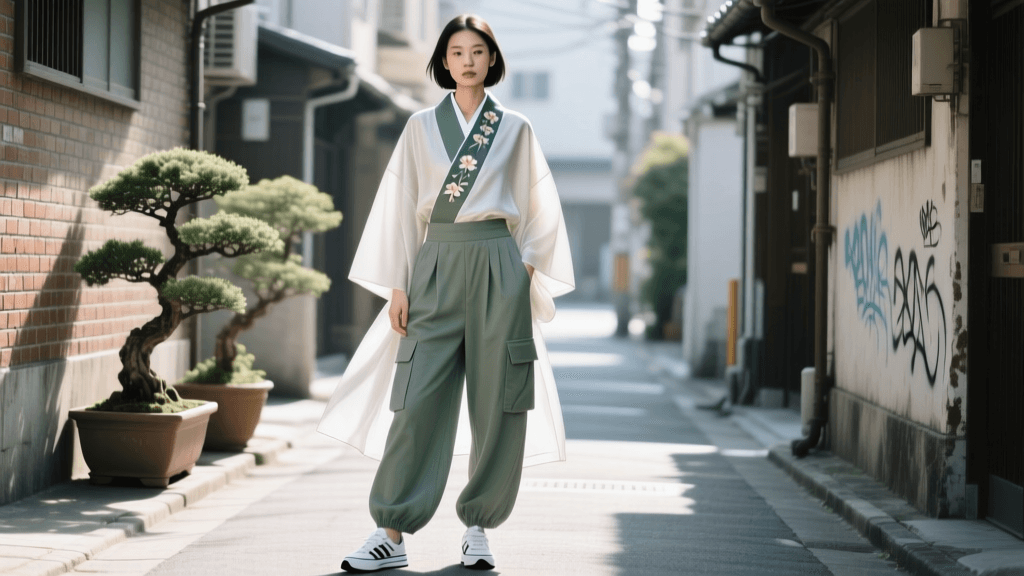
At the forefront of the 2026 Japanese streetwear movement is the haori. Traditionally worn as a formal jacket over a kimono, the haori’s open-front, T-shaped design makes it the perfect transitional layering piece for modern urban environments. In 2026, fashion enthusiasts are pairing heavy, textured silk haori with minimalist techwear, creating a striking contrast between historical craftsmanship and futuristic utility. A popular styling method involves wearing a mid-length, dark indigo haori over a monochromatic, water-resistant hoodie and tailored cargo trousers. The drop-shoulder construction of the haori naturally complements the oversized fits prevalent in current streetwear trends. For those seeking authenticity, vintage silk haori from the mid-Showa period are highly sought after, offering unique, hand-painted Yuzen motifs that cannot be replicated by modern mass-production techniques.
Material Innovations: Sustainable Silks and Washi Textiles
As the fashion industry faces increasing scrutiny over its environmental impact, 2026 has seen a massive shift toward sustainable textiles within the realm of traditional Japanese garments. The production of traditional silk, while beautiful, is resource-intensive. Today, forward-thinking Japanese artisans and global designers are utilizing lab-grown spider silk and brewed protein fibers that mimic the luster and drape of traditional mulberry silk without the environmental toll. Furthermore, Washi (traditional Japanese paper) is being spun with organic cotton to create lightweight, breathable textiles that are perfect for summer Yukata and informal Jinbei sets. These innovative materials not only reduce water consumption and carbon emissions but also introduce new textures and structural properties to classic silhouettes. When shopping for modern kimono or haori, looking for certifications in recycled PET silk substitutes or bio-based protein fibers is a hallmark of a conscious 2026 wardrobe.
Traditional vs. 2026 Streetwear Styling
To understand how these garments have transitioned from historical artifacts to modern wardrobe staples, it is helpful to compare traditional styling rules with the adapted streetwear approaches seen in 2026. The following table outlines the key differences in silhouette, layering, and accessory integration.
| Garment | Traditional Styling Rules | 2026 Streetwear Adaptation |
|---|---|---|
| Kimono | Worn with specific undergarments (juban), tied tightly with a structured Obi, hemline perfectly level at the ankles. | Layered over turtlenecks or hoodies, hemline often hitched up (karasan) for mobility, paired with relaxed cotton sashes. |
| Haori | Worn open over a formal kimono, secured with a braided silk cord (haori himo) at the front. | Worn as an outer jacket over techwear or denim, often belted at the waist or left completely unfastened for a draped look. |
| Hakama | Worn high on the waist over a kimono, strictly pleated, with formal tabi and zori footwear. | Worn lower on the waist as statement wide-leg trousers, paired with chunky sneakers or combat boots. |
| Obi | Highly structured, requiring stiffeners (obi-ita) and complex, symmetrical knots like the Taiko musubi. | Soft, woven cotton or bio-silk, tied in asymmetric, sculptural knots without the need for rigid padding. |
Color Palettes and Motifs in 2026
The color palettes and motifs of 2026 Japanese streetwear heavily draw from the traditional concept of 'Shiki', or the four seasons, but with a muted, desaturated twist. While traditional kimono strictly adhere to seasonal rules—such as wearing cherry blossom motifs only in early spring—modern streetwear styling treats these motifs as year-round artistic expressions. Deep indigo, charcoal, moss green, and rust are the dominant colors in 2026, providing a versatile foundation that integrates easily with existing urban wardrobes. Subtle geometric patterns, inspired by traditional 'Asanoha' (hemp leaf) and 'Seigaiha' (ocean waves) designs, are often woven directly into the fabric rather than painted on the surface, offering a more understated, textural aesthetic. This shift towards subdued, nature-inspired palettes reflects a broader global desire for grounding, timeless pieces that transcend fleeting fast-fashion trends.
Footwear: Integrating Tabi and Modern Zori
Footwear remains one of the most critical elements of integrating Japanese traditions into a modern wardrobe. The iconic Tabi boot, popularized in high fashion decades ago, has evolved in 2026 into a variety of sneaker-hybrid and rugged sole iterations that pair seamlessly with both hakama and modern denim. When wearing traditional garments like the kimono or yukata in a streetwear context, the rigid formality of the wooden Geta or the woven Zori is often replaced by sleek, split-toe leather boots or minimalist canvas slip-ons. This adaptation allows for all-day urban comfort while maintaining the distinct visual split-toe aesthetic that anchors the Japanese fashion silhouette. For formal-casual hybrid events, modern Zori crafted from recycled rubber and vegan leather offer a contemporary, weather-resistant alternative to traditional straw and velvet.
Practical Guide: Tying the Modern Asymmetric Obi
The Obi, or sash, is the defining accessory of the kimono. Traditionally, tying an obi requires precise measurements, specialized padding, and a deep understanding of complex knots. However, the 2026 streetwear approach favors the modern asymmetric knot, a simplified, structural tie that provides a sculptural element to the back without the need for rigid obi-ita (stiffeners). To achieve this look, start with a soft, woven cotton or sustainable silk Obi. Wrap it around your waist twice, ensuring the fabric lies flat. Bring the ends to the front, cross them, and pull them tightly to the back. Instead of a traditional bow, twist the remaining fabric into a tight rope, loop it asymmetrically to one side, and tuck the excess securely into the wrapped layers. This creates a dynamic, avant-garde silhouette that pairs perfectly with an open haori, allowing the knot to be visible as a statement piece.
The Hakama: Avant-Garde Volume and Structure
Beyond the kimono, the hakama has emerged as a dominant force in 2026 avant-garde and streetwear fashion. Originally worn by samurai and later adopted as formal wear for men and women, the hakama’s wide, pleated legs offer a dramatic, flowing silhouette. In contemporary styling, the hakama is frequently worn over slim-fit leggings or paired with cropped jackets to balance the voluminous lower half. Modern interpretations often feature technical fabrics, such as ripstop nylon or water-resistant polyester blends, making them practical for unpredictable urban weather. The deep pleats of the hakama create a sense of movement and architectural structure that is highly prized in modern fashion editorials and street style photography.
Sourcing Authentic and Sustainable Pieces in 2026
Sourcing these garments in 2026 requires a blend of digital savvy and an appreciation for physical craftsmanship. For authentic vintage pieces, online platforms specializing in Japanese antique textiles offer curated selections of mid-century silk kimono and haori, with prices typically ranging from $80 for casual wool pieces to over $1,500 for pristine, hand-woven Nishijin-ori silk. For sustainable, newly manufactured garments, direct-to-consumer brands based in Kyoto and Tokyo are leading the charge, offering made-to-order pieces utilizing the aforementioned bio-silks and Washi blends. As documented by the Metropolitan Museum of Art, the kimono's T-shaped silhouette has remained fundamentally unchanged for centuries, yet its contextual application continues to evolve. Similarly, the Museum of Fine Arts, Boston houses extensive archives that remind us of the incredible regional diversity in Japanese weaving and dyeing techniques, inspiring today's sustainable innovations.
Conclusion
The integration of traditional Japanese garments into the 2026 global streetwear landscape is a testament to the timelessness of their design. By embracing sustainable textiles, adapting historical silhouettes for modern mobility, and respecting the intricate craftsmanship of the past, today's fashion enthusiasts are ensuring that the kimono, haori, and hakama remain vibrant, living elements of the global wardrobe. Whether you are sourcing a vintage Showa-era haori or investing in a newly woven Washi-blend hakama, the key to modern Japanese styling lies in the harmonious balance between deep cultural reverence and bold, contemporary expression.