Kimono vs Hanbok vs Cheongsam: 2026 Formal Wear Guide
Introduction to Asian Heritage Formalwear in 2026
The year 2026 marks a pivotal moment in global fashion, characterized by a profound return to cultural heritage and sustainable textile practices. As international galas, weddings, and cultural festivals increasingly embrace traditional dress, the kimono, hanbok, and cheongsam have emerged as the premier choices for formal Asian-inspired attire. However, selecting the right garment requires a deep understanding of their distinct silhouettes, historical construction methods, and modern styling applications. This comprehensive guide compares these three iconic garments, providing actionable insights for buyers, stylists, and cultural enthusiasts navigating the 2026 heritage fashion landscape.
The Kimono: Linear Elegance and Textile Artistry
Construction and Silhouette
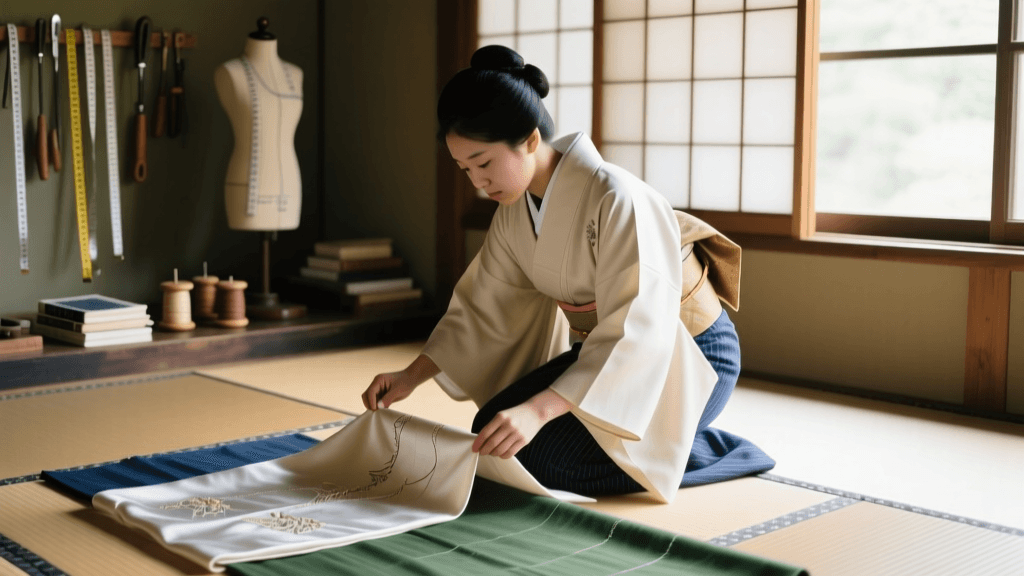
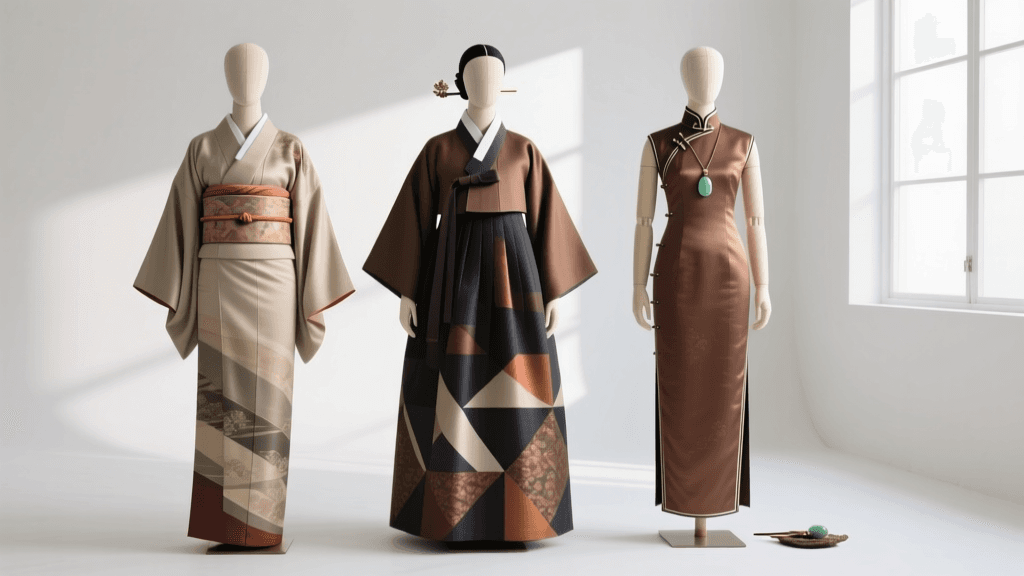
The Japanese kimono is defined by its T-shaped, straight-line construction. Unlike Western garments that are cut to follow the contours of the body, the kimono is created from standard bolts of fabric known as tanmono. This method involves minimal cutting, meaning the garment can be entirely disassembled and re-dyed or repurposed, aligning perfectly with the 2026 global zero-waste fashion movement. According to the Metropolitan Museum of Art's Heilbrunn Timeline of Art History, the kimono's structural brilliance lies not in its tailoring, but in its surface design and the complex layering of its components.
The formal silhouette is cylindrical and modest, concealing the body's natural curves while drawing attention to the textile artistry and the obi (sash). For formal events in 2026, the kurotomesode (black kimono with patterns below the waist) remains the standard for married women attending weddings, while the furisode (featuring long, swinging sleeves) is the definitive choice for unmarried women at coming-of-age ceremonies and formal galas.
2026 Styling and Market Trends
In 2026, the kimono market is seeing a surge in demand for upcycled vintage silks paired with newly woven, sustainable hemp-blend obi belts. The cost of a bespoke, hand-painted yuzen silk kimono from a Kyoto atelier currently ranges from $4,500 to $9,000. However, high-quality formal rental and digital tailoring services have made the garment more accessible. When styling a kimono for a modern evening event, contemporary dressers are opting for minimalist obijime (decorative cords) in metallic threads and subtle, matte-finish hair ornaments (kanzashi) to balance the visual weight of the heavy brocade fabrics.
The Hanbok: Volumetric Grace and Vibrant Hue
Construction and Silhouette
The Korean hanbok is celebrated for its dramatic volume, vibrant color palettes, and flowing lines. The traditional female formal hanbok consists of the jeogori (a short, cropped jacket) and the chima (a high-waisted, voluminous wrap skirt). The male equivalent pairs the jeogori with baji (baggy trousers) and often a durumagi (overcoat). The Encyclopaedia Britannica's comprehensive guide to the Hanbok notes that the garment's beauty is rooted in its natural curves and the way the fabric moves dynamically with the wearer.
Unlike the kimono, the hanbok does not require complex wrapping or tying with stiff sashes. Instead, it is secured with long, elegant ribbons called goreum, which tie at the front of the jeogori. The silhouette creates a bell-like shape that allows for exceptional comfort and ease of movement, making it highly practical for lengthy wedding receptions and outdoor cultural festivals.
2026 Styling and Market Trends
The 2026 hanbok market is heavily influenced by the 'modernized hanbok' movement, which retains traditional construction but utilizes contemporary textiles. While traditional myeongju (raw silk) and ramie remain popular for summer ceremonies, 2026 formal trends favor structured organza, metallic-threaded jacquards, and lightweight neoprene blends that hold the bell-shape of the chima without the need for heavy, traditional under-petticoats. A custom-tailored formal bridal or gala hanbok from a premier Seoul designer currently costs between $1,500 and $4,500. Modern styling often involves pairing the traditional jeogori with sleek, contemporary updos and minimalist pearl or jade drop earrings, bridging the gap between historical reverence and modern red-carpet aesthetics.
The Cheongsam: Sculpted Lines and Modern Tailoring
Construction and Silhouette
The cheongsam (also known as the qipao) is a masterclass in structural tailoring and form-fitting elegance. Originating in 1920s Shanghai, the garment is characterized by its high mandarin collar, asymmetrical side fastenings secured by intricate pankou (knotted buttons), and strategic side slits that allow for movement. As detailed in Britannica's historical overview of the Cheongsam, the dress evolved from a loose, modest garment into a symbol of modern femininity and urban sophistication.
The cheongsam is the only one of the three garments that is explicitly tailored to hug the wearer's body. It requires precise measurements across the bust, waist, hips, and torso length to ensure the darts and seams flatter the natural figure. The side slits, which can range from modest knee-height to daring thigh-high, add a dynamic element of movement and reveal glimpses of the lining or the wearer's footwear.
2026 Styling and Market Trends
In 2026, the cheongsam is experiencing a renaissance driven by advancements in textile technology and digital bespoke tailoring. Modern buyers are utilizing 3D body-scanning apps to send exact measurements to master tailors in Shanghai and Hong Kong, ensuring a flawless fit without the need for multiple in-person fittings. While heavy winter brocades remain a staple for December galas, the 2026 summer formal season is dominated by breathable Xiangyunsha (mud-silk) and stretch-silk crepes that offer comfort without sacrificing the garment's sculpted silhouette. A bespoke, hand-finished cheongsam with authentic pankou knots and custom embroidery ranges from $1,200 to $3,800 in 2026.
Comparative Analysis: Kimono vs Hanbok vs Cheongsam
To assist in selecting the appropriate garment for your specific 2026 event, refer to the structured comparison below:
| Feature | Kimono (Japan) | Hanbok (Korea) | Cheongsam / Qipao (China) |
|---|---|---|---|
| Primary Silhouette | Linear, cylindrical, concealing | Volumetric, bell-shaped, flowing | Form-fitting, sculpted, tailored |
| Fastening Method | Obi (wide sash) and ties | Goreum (front ribbon ties) | Pankou (knotted side buttons) |
| Construction Style | Straight-line, zero-waste cutting | Flat cutting, gathered waist volume | Western-style darts and seaming |
| 2026 Custom Cost | $4,500 - $9,000+ | $1,500 - $4,500 | $1,200 - $3,800 |
| Best Formal Occasion | Tea ceremonies, traditional weddings | Chuseok, dynamic stage performances | Evening galas, cocktail receptions |
Sourcing, Fitting, and Care in 2026
Measurement and Tailoring
Purchasing authentic heritage formalwear in 2026 requires an understanding of regional sizing and fitting protocols. For the cheongsam, precise torso and hip measurements are non-negotiable; a difference of a single inch can alter the drape of the silk and the alignment of the embroidered motifs. For the kimono, sizing is generally determined by height and arm span rather than girth, as the wrap-style construction accommodates a wider range of body fluctuations. The hanbok is the most forgiving in terms of lower-body measurements due to the adjustable tie of the chima, though the shoulder width and sleeve length of the jeogori must be custom-fitted to avoid bunching.
Accessories and Footwear
Completing the look requires culturally appropriate footwear. In 2026, traditional zori sandals with modernized, cushioned memory-foam soles are the standard for kimono wearers, ensuring comfort during long events. Hanbok is traditionally paired with taesachae (embroidered silk shoes) or modernized leather slip-ons that mimic the traditional curved toe. The cheongsam is almost exclusively paired with closed-toe or peep-toe heels; in 2026, block-heeled velvet pumps with subtle jade accents are highly sought after for their blend of vintage glamour and modern stability.
Maintenance and Storage
Proper care is essential to preserve these investment pieces. While 2026 has seen the introduction of 'washable silks' for casual wear, formal garments like the kurotomesode, bridal hanbok, and heavy brocade cheongsam must be professionally dry-cleaned by specialists who understand heritage textiles. Storage should always involve acid-free tissue paper to prevent dye transfer and silk degradation. Kimono and hanbok should be stored flat in specialized tatoushi (paper envelopes) or breathable cotton boxes, while the cheongsam should be hung on wide, padded hangers to maintain the structural integrity of the shoulder darts and prevent the pankou knots from warping.
Conclusion
Whether you are drawn to the textile-centric, linear grace of the Japanese kimono, the vibrant, volumetric joy of the Korean hanbok, or the sculpted, tailored sophistication of the Chinese cheongsam, 2026 offers unprecedented access to authentic, high-quality heritage garments. By understanding the unique construction, fitting requirements, and modern styling nuances of each dress, you can confidently select a garment that not only honors Asian cultural traditions but also serves as a stunning, sustainable statement on the modern formal stage.