Best Japanese Kimono Tailoring Schools & Apprenticeships 2026
The Renaissance of Wafuku Education in 2026
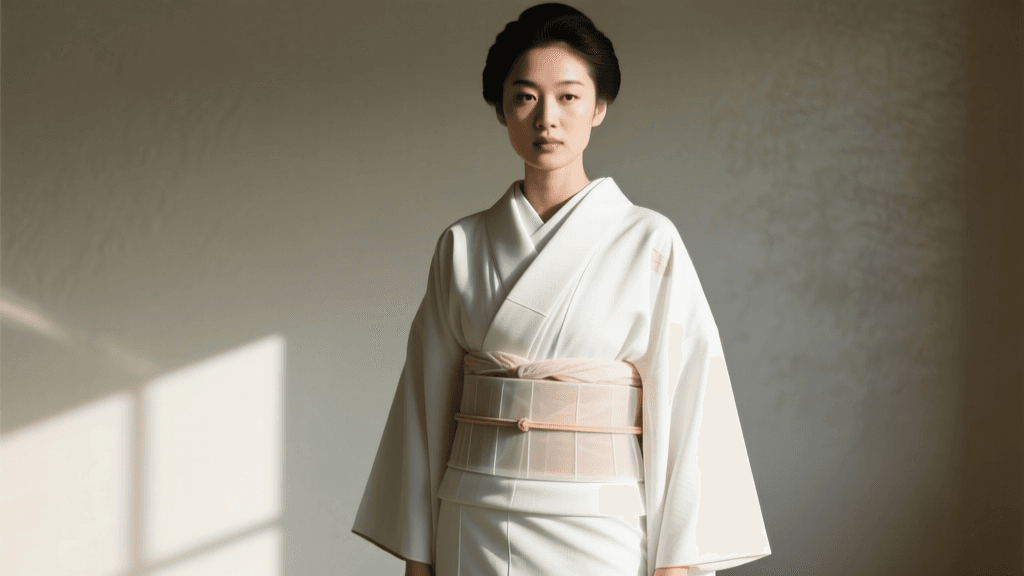
As we navigate through 2026, the landscape of traditional Japanese garment making—collectively known as Wafuku—is experiencing a profound renaissance. For decades, the kimono industry faced a severe demographic crisis, with master artisans aging out of the workforce faster than they could be replaced. However, a renewed global and domestic interest in sustainable, slow fashion, combined with aggressive preservation initiatives by the Japanese government, has revitalized the educational pathways for aspiring kimono tailors (wasai-shi). Today, prospective students can choose between structured vocational schools (senmon gakko) and the deeply traditional, immersive master-disciple apprenticeship (deshi) system. Both routes offer distinct advantages, costs, and career trajectories for those dedicated to mastering the art of Japanese fashion education and heritage preservation.
Premier Vocational Schools for Kimono Tailoring
Vocational schools provide a modernized, systematic approach to learning Wafuku construction. These institutions blend centuries-old hand-sewing techniques with contemporary business education, ensuring graduates can not only craft a garment but also sustain a livelihood in the 2026 market.
Tokyo College of Kimono Tailoring (Tokyo Wasai Senmon Gakko)
Located in the heart of Tokyo, this institution remains the gold standard for formal Wafuku education. The two-year diploma program covers everything from basic yukata (unlined cotton summer kimono) construction to the highly complex awase (lined silk kimono) and haori (traditional jacket) tailoring. In 2026, the annual tuition hovers around 1,350,000 JPY, which includes access to premium silk fabrics and specialized tools. The curriculum heavily emphasizes Hon-biki (true cutting), a method that ensures the fabric's grain is perfectly aligned, and Kuke (blind stitching), which hides all threads on the exterior of the garment.
Kyoto Traditional Arts and Crafts Vocational College
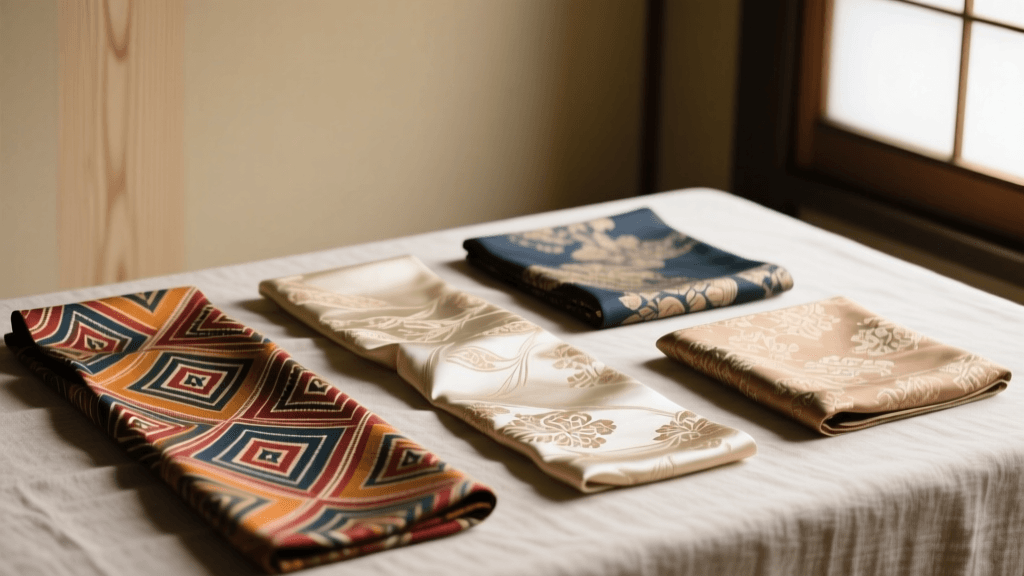
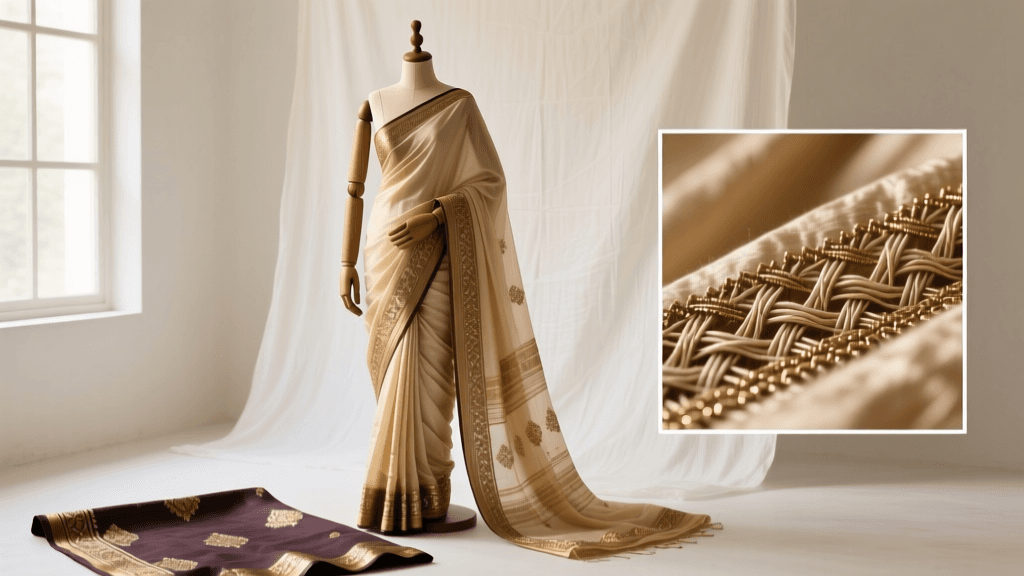
For those looking to integrate tailoring with Kyoto’s legendary dyeing and weaving traditions, this college offers a specialized Wafuku track. Students here learn how to tailor garments using delicate Kyo-yuzen dyed silks and Nishijin-ori brocades. The school’s strong ties to local artisan guilds provide unparalleled networking opportunities, often leading directly to placements in historic Kyoto tailoring houses upon graduation.
The Traditional Deshi (Apprenticeship) Route
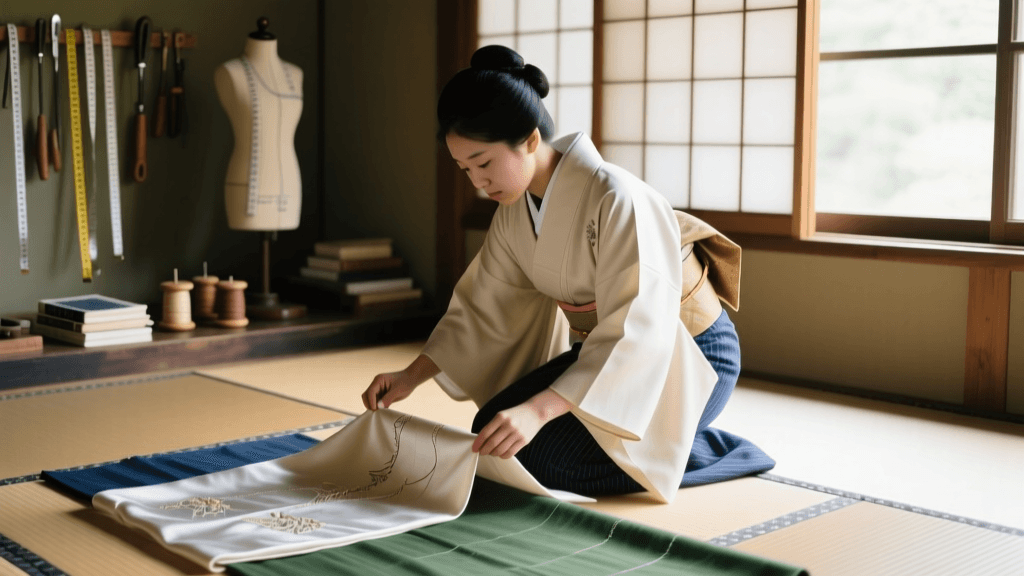
While vocational schools offer structured classrooms, the deshi (apprenticeship) route remains the most authentic way to absorb the intangible cultural nuances of Wafuku. In this system, an apprentice lives and works under a shishou (master tailor) for three to five years. According to the Agency for Cultural Affairs, this immersive transfer of knowledge is critical for preserving micro-techniques that cannot be captured in textbooks, such as the precise tension required when sewing the eri (collar) to ensure it sits perfectly against the nape of the neck.
In 2026, the financial dynamics of apprenticeships have improved. Thanks to subsidies from the Ministry of Economy, Trade and Industry (METI) aimed at preserving traditional crafts, many masters can now offer their apprentices a monthly living stipend ranging from 120,000 to 150,000 JPY. While modest, this stipend allows dedicated students to focus entirely on their craft without the burden of part-time work. The ultimate goal of a deshi is often Noren wake—the traditional practice where a master allows a graduating apprentice to open their own shop using the master’s prestigious trade name.
Vocational School vs. Traditional Apprenticeship
Choosing the right educational pathway depends on your learning style, financial situation, and long-term career goals. Below is a comprehensive comparison of the two primary routes available in 2026.
| Feature | Vocational School (Senmon Gakko) | Traditional Apprenticeship (Deshi) |
|---|---|---|
| Duration | 2 to 3 years | 3 to 5+ years |
| Financial Cost | 1.2M - 1.5M JPY per year (Tuition) | Earns 120k - 150k JPY/month (Stipend) |
| Curriculum Focus | Standardized techniques, business, broad Wafuku styles | Master's specific lineage, bespoke tailoring, deep mastery |
| Certification | Diploma, eligibility for National Wasai Exam | Lineage certification, path to Dento Kogeishi status |
| Best For | International students, career-changers, modern retail focus | Purists, those seeking master-level bespoke craftsmanship |
Essential Tools and Techniques Mastered in 2026
Regardless of the educational path, every Wafuku student must master a specific arsenal of traditional tools. Unlike Western tailoring, which relies heavily on chalk, pins, and complex paper patterns, Japanese tailoring utilizes a modular, geometric approach based on the standard bolt of fabric (tanmono).
- Shaku (Ruler): Traditionally made of whalebone or bamboo, the shaku is used to measure the tanmono. Students learn to convert modern metric measurements into the traditional shaku/sun system, which is still preferred by master tailors for its proportional harmony.
- Hera (Spatula): A smooth, bamboo spatula used to crease fabric and mark sewing lines without leaving permanent stains or damaging delicate silk fibers.
- Kote (Traditional Iron): While modern electric irons are used for initial pressing, students learn to use the heavy, traditional kote to set seams and create the signature kise (the slight fold over the seam allowance that protects the stitching from wear).
- Chikara-nuno (Reinforcement Cloth): Students are taught how to apply these hidden strips of silk or cotton at high-stress areas, such as the underarm and hem, ensuring the kimono can be entirely disassembled, washed, and re-sewn (arai-hari) decades later.
Navigating Visas and Language Requirements
For international enthusiasts, Japan has made significant strides in welcoming foreign talent into its traditional craft sectors. As of 2026, the Japanese government offers specific visa pathways for those entering the Wafuku industry. International students typically enter on a Student Visa to attend a recognized senmon gakko. However, the Japanese Language Proficiency Test (JLPT) remains a strict barrier; a minimum of JLPT N2 is required for vocational school admission, while JLPT N1 is virtually mandatory for a traditional deshi apprenticeship, as the nuanced terminology of the craft is rarely translated.
Upon graduation, foreign tailors can transition to a Designated Activities visa or a Specialist in Humanities/International Services visa if they are employed by a recognized tailoring house or cultural preservation entity. Organizations like the Japan Kogei Association frequently advocate for the inclusion of international artisans, recognizing that diverse perspectives are vital for the evolution and global survival of Wafuku.
Actionable Steps to Begin Your Wafuku Journey
If you are resolved to pursue Japanese fashion education in the realm of traditional tailoring, follow these actionable steps to prepare for the 2026 academic and apprenticeship cycles:
- Achieve Language Fluency: Enroll in an intensive Japanese language program immediately. Focus on keigo (polite language) and craft-specific vocabulary, as the hierarchical nature of the shishou-deshi relationship demands impeccable linguistic etiquette.
- Build a Textile Portfolio: While you do not need prior sewing experience, schools and masters look for a demonstrated understanding of textiles. Document your study of fabric drape, weave structures, and natural dyeing processes.
- Attend the Tokyo Kimono Show: Held annually, this event is the premier networking hub. Use it to meet school representatives and independent masters who may be scouting for dedicated deshi.
- Research the Dento Kogeishi Certification: Familiarize yourself with the requirements for the 'Traditional Craftsperson' designation. The Association for the Promotion of Traditional Craft Industries provides extensive resources on the 12-year timeline and rigorous practical exams required to achieve this pinnacle of Japanese artisan status.
Conclusion
The pursuit of Wafuku tailoring in 2026 is not merely an exercise in historical reenactment; it is a commitment to a living, breathing art form that demands immense physical discipline and aesthetic sensitivity. Whether you choose the structured, business-minded environment of a Tokyo vocational school or the quiet, rigorous dedication of a Kyoto master’s atelier, the path of the wasai-shi offers a profound connection to Asian traditions. By mastering the fold of the silk and the hidden strength of the kuke stitch, today’s students are ensuring that the kimono remains a vibrant, relevant garment for generations to come.