2026 Hanfu Guide: Family Ceremonies, Weddings & Ancestral Rites
The Evolution of Hanfu in 2026 Family Milestones
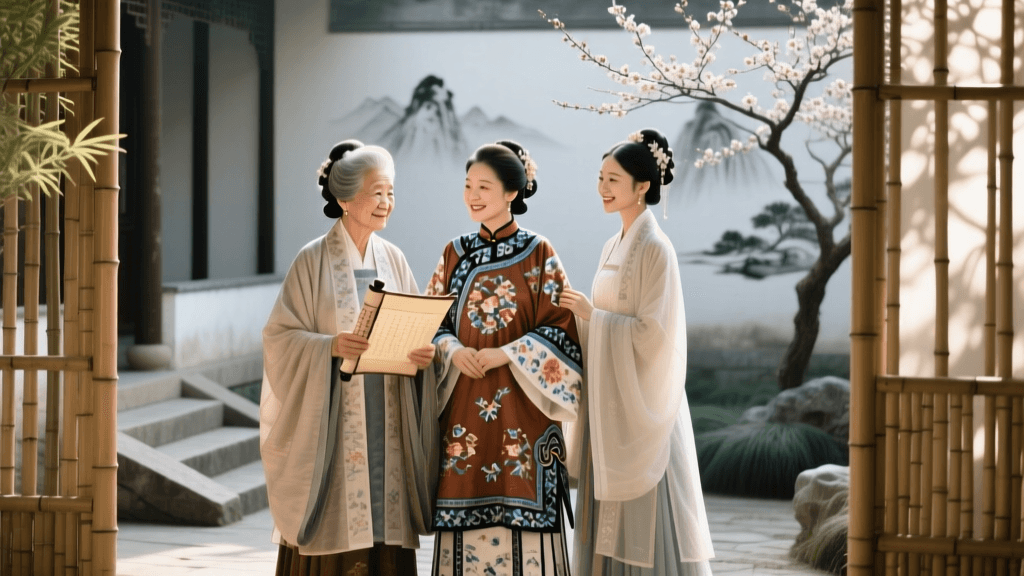
As we navigate through 2026, the Hanfu movement has transcended its origins as a niche street-fashion revival to become deeply institutionalized within the fabric of Chinese family life. Today, traditional Han clothing is no longer reserved solely for photoshoots or cultural festivals; it is the premier choice for marking life’s most significant milestones. From the joyous celebrations of a child’s first birthday to the solemnity of ancestral worship, Hanfu serves as a sartorial bridge connecting modern families with millennia of philosophical and cultural heritage.
Understanding the strict etiquette, appropriate silhouettes, and fabric requirements for these events is crucial. Wearing the wrong color to an ancestral rite or selecting an overly casual garment for a wedding can be seen as a breach of filial piety. This comprehensive 2026 guide breaks down the essential protocols for dressing in Hanfu for births, weddings, and ancestral rites, ensuring your family honors tradition with grace, accuracy, and respect.
Wearing Hanfu for family rites is not merely about aesthetics; it is a profound reconnection with the philosophical concepts of filial piety, harmony, and ancestral reverence that have anchored Chinese society for centuries.
Hanfu for Birth and Coming-of-Age Ceremonies
Zhuazhou: The First Birthday
The Zhuazhou (first birthday grab) ceremony is a beloved tradition where an infant is surrounded by symbolic objects to predict their future. In 2026, parents are increasingly dressing their infants in historically accurate, miniature Hanfu. The standard attire includes a soft silk dudou (belly cover) and a tiger-head hat, designed to ward off evil spirits. For the outer layer, a lightweight, breathable cotton or silk Beizi (open-front jacket) in auspicious colors like peach, soft yellow, or pale jade is recommended. Because infants have sensitive skin, modern parents prioritize 100% organic mulberry silk or washed linen, avoiding synthetic blends that can cause irritation during the lengthy ceremony.
Guan Li and Ji Li: The Coming of Age
Historically performed at age 20 for men (Guan Li) and age 15 for women (Ji Li), these capping and hair-pinning ceremonies have seen a massive resurgence in 2026, often adapted for high school or university graduations. The ceremony involves three distinct additions of clothing, each symbolizing a deeper level of societal responsibility.
- First Addition: A simple, unadorned Shenyi (deep robe) in plain white or pale blue, representing the innocence of youth and the foundation of learning.
- Second Addition: A darker, more structured robe, often a Lanshan for scholars, symbolizing the pursuit of knowledge and civic duty.
- Third Addition: Formal ceremonial wear, such as a richly embroidered Duan Da or formal Daopao, representing readiness to assume adult responsibilities and honor the family lineage.
For young women, the Ji Li centers on the transition from twin braids to an intricate updo secured with a jade or gold zan (hairpin), paired with an elegant Mamianqun (horse-face skirt) and a formal Aoqun (jacket and skirt ensemble).
Wedding Attire: Honoring Matrimonial Traditions
Chinese traditional weddings in 2026 are dominated by the breathtaking elegance of Ming Dynasty-inspired attire, though Tang and Song styles remain popular for specific regional or thematic ceremonies. The wedding Hanfu is an investment piece, often custom-tailored using advanced 3D body-scanning technology now standard in high-end boutiques across Shanghai, Chengdu, and international Chinatowns.
The Bride: Fengguan and Xiapei
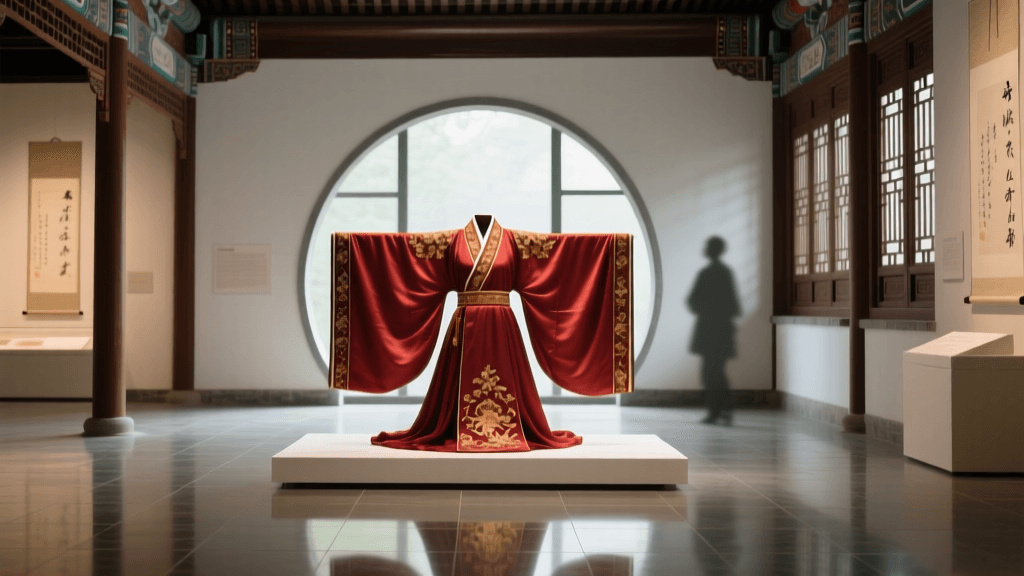
The pinnacle of Ming-style bridal wear is the Fengguan Xiapei (Phoenix Crown and Cloud Shoulder). The Fengguan is an elaborate headdress adorned with kingfisher feather inlay (or ethical 2026 alternatives like dyed silk and enamel), pearls, and gold filigree. The Xiapei is a V-shaped embroidered stole draped over the shoulders, weighted with jade pendants at the ends to ensure it hangs perfectly. Beneath this, the bride wears a voluminous red or deep green Daoshan (robe) with intricate Panjin (gold-leaf thread) embroidery featuring dragons, phoenixes, and peonies. According to the Metropolitan Museum of Art overview of Ming Dynasty textiles, the use of gold thread and specific animal motifs was historically regulated by sumptuary laws, but today, these regal motifs are universally embraced to elevate the bride to a 'queen for a day' status.
The Groom: Daopao and Wusha
The groom typically wears a dark, formal Daopao (Taoist robe with side slits and inner pleats) or a Yuanlingpao (round-collar robe). While red is acceptable, deep navy, maroon, and black with subtle gold embroidery are highly favored in 2026 to provide a striking visual contrast to the bride’s vibrant attire. The groom’s headwear is usually a formal scholar’s cap or a stylized Wusha hat.
Budgeting for 2026 Wedding Hanfu
The cost of a bespoke Ming-style wedding set in 2026 ranges significantly based on embroidery density and fabric weight. A standard 19-momme silk set with machine-assisted hand-embroidery starts around $1,200. However, a fully hand-embroidered Daoshan utilizing authentic Su embroidery techniques and 30-momme heavy silk can easily exceed $4,500. Couples are advised to begin the bespoke ordering process at least six months prior to the wedding date to accommodate the intricate hand-stitching timelines.
Ancestral Rites (Jisi): Protocol and Reverence
Ancestral worship, or Jisi, requires a starkly different approach to Hanfu. Whether attending the Qingming Festival tomb-sweeping ceremonies or an indoor ancestral hall gathering during the Lunar New Year, the guiding principles are modesty, solemnity, and respect. Ostentatious displays of wealth or overly vibrant colors are considered deeply disrespectful to the spirits of the departed.
For these occasions, the Shenyi (deep robe) is the most historically and philosophically appropriate choice. The Shenyi wraps the body entirely, symbolizing the unity of heaven and earth and the containment of one’s ego in the presence of ancestors. Color palettes must be subdued: slate grey, navy blue, pale celadon, crisp white, or unbleached raw linen. Bright reds, golds, and neon accents must be strictly avoided.
Women often opt for a plain, unembroidered Ruqun (cross-collar top and skirt) in muted tones, securing their hair simply with a wooden or bone hairpin rather than flashy metallic accessories. Men typically wear a dark, unpatterned Daopao or a simple Zhiduo. The focus is on the purity of the fabric and the neatness of the silhouette. As highlighted by the China Daily Heritage section, modern families are increasingly returning to these subdued, historically grounded practices to foster a deeper, more contemplative connection with their lineage during annual rites.
2026 Ceremonial Hanfu Comparison Chart
| Ceremony Type | Recommended Style | Primary Colors | Fabric Choice (2026 Standard) | Estimated Cost (USD) |
|---|---|---|---|---|
| Zhuazhou (1st Birthday) | Silk Dudou, Tiger Hat, Beizi | Peach, Jade, Soft Yellow | Organic Mulberry Silk, Washed Linen | $80 - $250 |
| Ji Li / Guan Li (Coming of Age) | Shenyi, Lanshan, Mamianqun | White, Pale Blue, Navy | Cotton-Linen Blends, Light Silk | $150 - $400 |
| Wedding (Ming Style) | Fengguan, Xiapei, Daoshan | Crimson, Deep Green, Gold | 19-30 Momme Heavy Silk, Brocade | $1,200 - $4,500+ |
| Ancestral Rites (Jisi) | Shenyi, Plain Ruqun, Zhiduo | Slate, Navy, White, Celadon | Raw Linen, Ramie, Matte Silk | $120 - $350 |
Sourcing, Measurements, and Tailoring in 2026
Purchasing ceremonial Hanfu requires a different approach than buying everyday streetwear. The structural integrity of garments like the Mamianqun or the heavy Daoshan relies heavily on precise measurements and high-quality textiles. In 2026, the integration of AI-driven virtual fitting rooms on major e-commerce platforms has drastically reduced the return rate for off-the-rack ceremonial wear, but custom tailoring remains the gold standard for weddings and major coming-of-age rites.
Essential Measurements
When ordering bespoke Hanfu, you must provide more than just standard bust, waist, and hip measurements. Tailors will require:
- Arm Span: Crucial for determining the correct sleeve length and drape of the Huijue (curved sleeves).
- Shoulder-to-Floor: Necessary for ensuring the hem of the Shenyi or Daopao rests exactly one inch above the ground to prevent tripping while maintaining a regal silhouette.
- Neck and Collarbone Circumference: The cross-collar (Jiaoling) must sit perfectly flat against the collarbones without gaping or choking the wearer.
Fabric Sourcing and Sustainability
The demand for authentic, sustainably produced silk has surged. According to the UNESCO Intangible Cultural Heritage list regarding Chinese sericulture, traditional silk craftsmanship involves intricate, generations-old techniques that are now being paired with modern eco-friendly dyeing methods. When sourcing fabric for a 2026 wedding or rite, look for certifications indicating eco-friendly mordants and plant-based dyes (such as indigo, madder root, and gardenia). These natural dyes not only provide the historically accurate, slightly muted tones seen in museum artifacts but also age beautifully, allowing the garment to become a genuine family heirloom passed down to the next generation.
Whether you are wrapping an infant in auspicious silk, donning a phoenix crown for your wedding, or bowing in quiet reverence in a linen Shenyi, the Hanfu you choose for family ceremonies is a powerful declaration of identity. By adhering to historical protocols and embracing the high-quality tailoring available in 2026, you ensure that these vital traditions continue to thrive with dignity and beauty.