Kimono vs Hanbok vs Cheongsam: 2026 Ceremonial Wear Guide
The Resurgence of Traditional Asian Garments in 2026
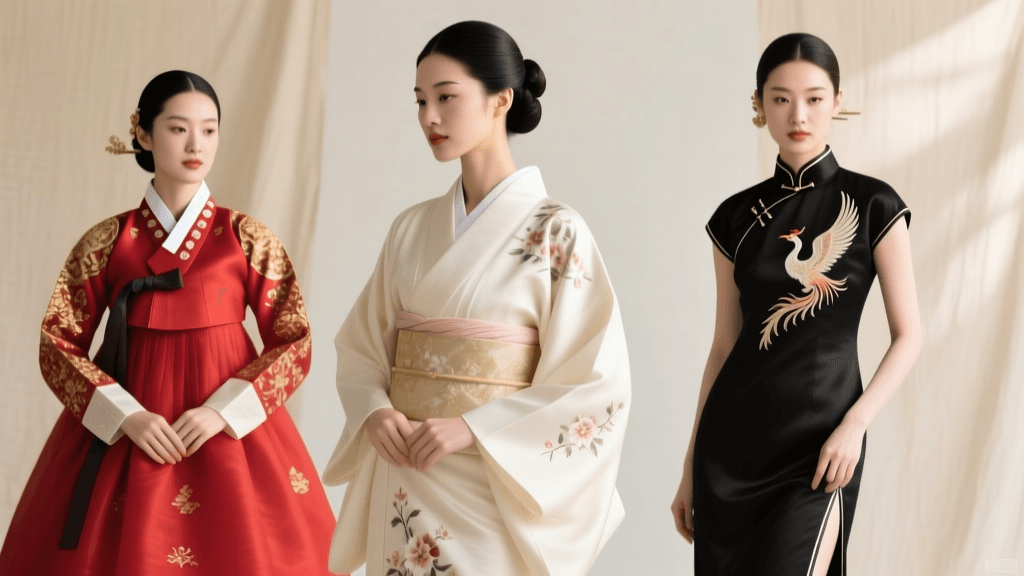
As we navigate the global fashion landscape of 2026, the appreciation for traditional Asian garments has evolved from mere aesthetic admiration to a profound respect for heritage, craftsmanship, and sustainable sartorial practices. For those planning weddings, cultural ceremonies, or high-profile galas this year, choosing between the Japanese kimono, the Korean hanbok, and the Chinese cheongsam (qipao) requires an understanding of their distinct silhouettes, historical weight, and modern adaptations. This comprehensive guide breaks down the structural differences, 2026 market trends, and practical styling advice for these three iconic garments, ensuring you make an informed, respectful, and stunning choice for your next major event.
The Japanese Kimono: Structured Elegance
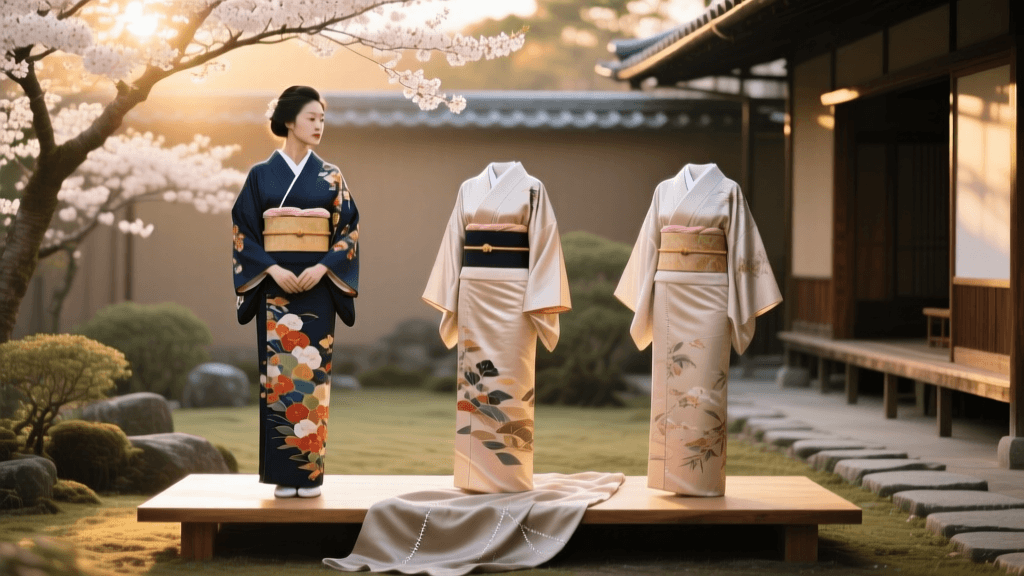
The Japanese kimono, literally translating to "thing to wear," remains a masterclass in textile artistry and structured elegance. Unlike Western garments that are cut to follow the body's curves, the kimono is constructed from straight, rectangular pieces of fabric, creating a distinctive T-shape that wraps around the body and is secured with an intricate obi (sash). In 2026, the kimono rental and bespoke markets have seen a surge in demand for vintage Meiji and Taisho-era silks, driven by a global push toward circular fashion and sustainable luxury. According to the Encyclopedia Britannica, the kimono's design has remained remarkably consistent for centuries, yet modern weavers in Kyoto are now integrating cruelty-free peace silk and organic indigo dyes to appeal to eco-conscious consumers.
When styling a kimono for a formal 2026 ceremony, the choice of obi knot (such as the elaborate taiko musubi) and the layering of the juban (undergarment) are critical. The garment restricts stride length, enforcing a graceful, measured walk, making it ideal for stationary ceremonial roles or seated tea ceremonies, but less practical for high-energy dancing. Expect to invest between $1,500 and $4,000 for a new, artisan-crafted formal kimono (such as a furisode or kurotomesode) in today's market, while high-end vintage pieces can be sourced for $300 to $800 through specialized dealers in Tokyo and online heritage platforms.
The Korean Hanbok: Voluminous Grace
The Korean hanbok is celebrated for its vibrant colors, voluminous silhouette, and striking geometric lines. Traditionally consisting of a jeogori (cropped jacket) and a chima (full, high-waisted skirt) for women, or baji (roomy trousers) for men, the hanbok is designed to conceal the body's natural shape while allowing for immense freedom of movement. In 2026, the "saenghwal hanbok" (everyday hanbok) movement has heavily influenced ceremonial wear, introducing softer, muted pastel palettes and lightweight, breathable ramie blends that are perfect for outdoor summer weddings. As noted by cultural historians at Britannica, the hanbok's high waistline and flowing skirt create an illusion of elongated legs and effortless grace.
Modern ceremonial hanboks often feature intricate gold foil stamping (geumbak) on the jeogori, symbolizing prosperity and good fortune. One of the most significant advantages of the hanbok for modern wearers is its inherent comfort and adjustability; the chima is tied above the bust, accommodating various body types and fluctuations in weight without the need for complex tailoring. For a custom-tailored ceremonial hanbok utilizing traditional Korean silk (myeongju) and authentic geumbak detailing, 2026 pricing typically ranges from $800 to $2,500, depending on the artisan's pedigree and the complexity of the embroidery.
The Chinese Cheongsam (Qipao): Tailored Sophistication
The Chinese cheongsam, widely known in the West as the qipao, offers a stark contrast to the voluminous hanbok and the structured kimono. Originating in the 1920s as a modernized, form-fitting evolution of traditional Manchu dress, the cheongsam is characterized by its high mandarin collar, asymmetrical opening, pankou (knotted) fasteners, and thigh-high side slits. By 2026, the cheongsam has cemented its status as a staple of global red-carpet and high-society wedding fashion, celebrated for its sleek, body-conscious silhouette. Contemporary designers are now utilizing advanced 3D body scanning technology to achieve flawless bespoke fits, eliminating the restrictive discomfort historically associated with the garment. Furthermore, the introduction of stretch-silk brocades and moisture-wicking linings has revolutionized the cheongsam's wearability for long, multi-hour banquets.
The qipao's evolution reflects a dynamic blend of Eastern tailoring and Western sartorial influences. When selecting a cheongsam for a formal event, the length and slit height must be carefully balanced to maintain modesty and elegance; a floor-length hem with slits stopping just above the knee is the 2026 standard for bridal and ceremonial wear. Bespoke cheongsams crafted from premium mulberry silk brocade by master tailors in Shanghai or Hong Kong currently command prices between $1,200 and $3,500, reflecting the intense labor required for hand-rolled hems and custom-knotted pankou buttons.
2026 Ceremonial Wear Comparison Chart
| Feature | Japanese Kimono | Korean Hanbok | Chinese Cheongsam (Qipao) |
|---|---|---|---|
| Silhouette | T-shaped, structured, wraps the body | Voluminous, high-waisted, conceals shape | Form-fitting, tailored, side slits |
| Primary 2026 Fabrics | Peace silk, organic indigo-dyed linen, vintage brocade | Ramie blends, organic silk, lightweight cotton | Stretch-silk brocade, mulberry silk, velvet |
| Mobility | Restricted stride, best for seated or slow walking | High mobility, flowing skirt allows wide steps | Moderate, tailored fit restricts extreme movement |
| Avg. Bespoke Cost (2026) | $1,500 - $4,000+ | $800 - $2,500 | $1,200 - $3,500 |
| Best Suited For | Tea ceremonies, formal shrine weddings, galas | Outdoor weddings, ancestral rites, festive dancing | Banquets, red-carpet events, modern receptions |
Sourcing, Fitting, and Cultural Etiquette
In 2026, the line between cultural appreciation and appropriation is heavily defined by where and how you source your garments. The rise of ultra-fast-fashion e-commerce platforms has flooded the market with poorly constructed, culturally inaccurate knockoffs that disrespect the heritage of these garments. To engage with these traditions respectfully, buyers must prioritize heritage artisans, certified cultural cooperatives, and reputable vintage dealers.
When commissioning a kimono, seek out weavers in Nishijin (Kyoto) or specialized vintage curators who can properly authenticate the garment's era and formality level. For the hanbok, look for designers registered with the Hanbok Advancement Center in Seoul, ensuring your purchase supports the preservation of traditional sewing techniques like the hidden inner stitching (heoritti). For the cheongsam, the gold standard remains the master tailors of Shanghai and Hong Kong, many of whom now offer virtual 3D scanning consultations for international clients, ensuring a bespoke fit without requiring multiple in-person fittings.
Care and Preservation for Heritage Textiles
Investing in traditional Asian garments requires a commitment to proper textile preservation. The structural differences of these garments dictate entirely different storage protocols.
- Kimono Care: Never hang a silk kimono on a wire or standard wooden hanger, as the weight of the fabric will distort the shoulders and damage the delicate fibers. In 2026, the standard for kimono preservation is folding the garment along its original seams and storing it in a breathable, acid-free paulownia wood box (tatou) with natural camphor to deter pests.
- Hanbok Care: The chima (skirt) can be hung on a padded, wide hanger to maintain its voluminous pleats, but the jeogori (jacket) should be folded flat. Ramie and organic silk blends should be kept out of direct sunlight to prevent the natural dyes from fading, and dry cleaning should only be performed by specialists familiar with Korean traditional textiles.
- Cheongsam Care: Because of its tailored, form-fitting nature, a cheongsam should be hung on a padded, contoured hanger that mimics the slope of human shoulders. The intricate pankou knots and hand-rolled hems are highly susceptible to snagging, so storing the garment in a breathable cotton dust cover is essential. Avoid folding the cheongsam, as permanent creases in heavy silk brocade are nearly impossible to remove without professional steaming.
By understanding the unique construction, modern market realities, and preservation needs of the kimono, hanbok, and cheongsam, you can confidently select a garment that not only honors Asian cultural heritage but also elevates your personal style for any 2026 ceremonial occasion.