Hanfu Travel Guide 2026: Packing Tips & Top Destinations
The Renaissance of Hanfu Tourism in 2026
As we navigate through 2026, the Hanfu movement has evolved from a niche subculture into a mainstream pillar of Asian cultural tourism. Travelers across the globe are now intentionally planning itineraries around historical aesthetics, seeking to immerse themselves in ancient architecture while draped in meticulously crafted traditional Chinese garments. However, traveling with Hanfu presents a unique set of logistical challenges. The voluminous skirts, delicate silk overlays, and intricate hair accessories require specialized packing strategies to ensure your garments remain pristine from the hotel closet to the photography location.
Whether you are a seasoned Hanfu enthusiast or a first-time traveler looking to rent or purchase garments on the road, this comprehensive 2026 guide covers everything from advanced packing techniques to the most photogenic heritage destinations this year.
Essential Hanfu Packing Gear for 2026 Travelers
Standard luggage simply will not suffice for a multi-day Hanfu excursion. To protect your investment and save time on garment care, you must equip yourself with the right travel accessories.
- Steamery Cirrus No.3 Handheld Steamer: The undisputed champion of 2026 travel garment care. This dual-voltage steamer heats up in seconds and functions as both a steamer and an iron. It is essential for removing deep creases from heavy Ming-style brocades and delicate Song-style silks without risking heat damage.
- Breathable Canvas Garment Bags: Never pack Hanfu in the plastic dry-cleaning bags provided by vendors; they trap moisture and cause mildew. Invest in unbleached, breathable cotton or canvas garment bags that allow natural fibers to ventilate during transit.
- EVA Hard-Shell Accessory Cases: Traditional hairpins (zanzi), buyao, and floral combs are easily crushed in standard toiletry bags. A molded EVA hard-shell case with adjustable foam dividers will protect delicate gold filigree and pearl inlays from bending or breaking.
- Downy Wrinkle Releaser Travel Spray: For quick touch-ups on the go, a specialized fabric relaxer spray is invaluable. It allows you to smooth out minor wrinkles on pleated Mamianqun skirts right before a photoshoot without needing to set up your steamer.
Master the Roll: Packing Techniques for Voluminous Garments
The biggest mistake travelers make with Hanfu is folding it along rigid crease lines. Folding causes permanent micro-fractures in silk fibers and creates stubborn wrinkles in heavy pleats. Instead, adopt the Modified Ranger Roll technique for your upper garments (ru, ao, and beizi).
Lay the garment flat, fold the sleeves inward to create a rectangular shape, and roll tightly from the bottom hem up to the collar. This prevents hard creases and maximizes space in your suitcase. For pleated skirts like the Mamianqun (horse-face skirt), never roll the pleats. Instead, fold the skirt in half vertically along the natural center seam, lay it flat at the bottom of your suitcase, and place softer items on top to weigh it down without crushing the structural integrity of the pleats.
Choosing the Right Hanfu for Your Destination
Not all Hanfu styles are created equal when it comes to travel. Climate, terrain, and historical context should dictate your wardrobe choices. Below is a comparison chart to help you select the ideal style for your 2026 itinerary.
| Hanfu Style | Era | Best Destination | Recommended Fabric | Packability Score |
|---|---|---|---|---|
| Mamianqun & Ao | Ming Dynasty | Beijing (Forbidden City) | Wool Blends, Brocade | 3/5 (Bulky) |
| Qixiong Ruqun | Tang Dynasty | Luoyang (Longmen Grottoes) | Silk Chiffon, Organza | 4/5 (Lightweight) |
| Beizi & Song Pants | Song Dynasty | Suzhou (Classical Gardens) | Ramie, Linen | 5/5 (Highly Packable) |
| Quju Shenyi | Han Dynasty | Xi'an (City Wall) | Cotton, Hemp | 4/5 (Moderate) |
Top 3 Heritage Destinations for Hanfu Photography in 2026
1. Luoyang: The Tang Dynasty Dream
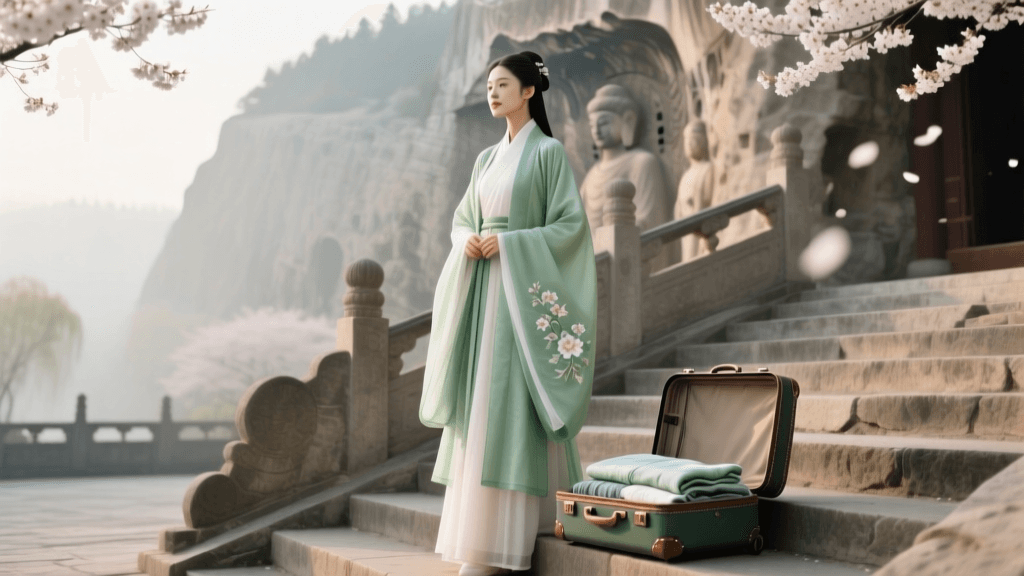
Luoyang remains the undisputed capital of Tang Dynasty aesthetics. In 2026, the city has further enhanced its pedestrian zones to accommodate the sweeping trains of Tang-style Qixiong Ruqun and round-collar robes (Yuanlingpao). The absolute pinnacle of your trip should be a sunrise visit to the Longmen Grottoes. As a UNESCO World Heritage site, the colossal limestone Buddhas carved during the Northern Wei and Tang dynasties provide a breathtaking, solemn backdrop for photography. The soft morning light filtering over the Yi River perfectly illuminates the vibrant silks of Tang-style garments. Be sure to visit during the Luoyang Peony Festival in April, where the city blooms with flowers that have been celebrated in Chinese poetry for over a millennium.
2. Beijing: Ming Dynasty Majesty
For those who prefer the structured elegance and rich embroidery of the Ming Dynasty, Beijing is your ultimate canvas. The iconic red walls and golden roof tiles of the Imperial Palaces of the Ming and Qing Dynasties (The Forbidden City) offer unparalleled contrast to the deep jewel tones of Ming-style Mamianqun and woven gold (zhi jin) jackets. In 2026, the Palace Museum has implemented advanced crowd-flow management systems, allowing early-bird ticket holders exclusive access to quieter courtyards like the East Six Palaces, perfect for uninterrupted photoshoots. Pack a heavy brocade skirt and a lined jacket (pi feng) if you are traveling in early spring or late autumn, as Beijing winds can be brisk.
3. Suzhou: Song Dynasty Minimalism
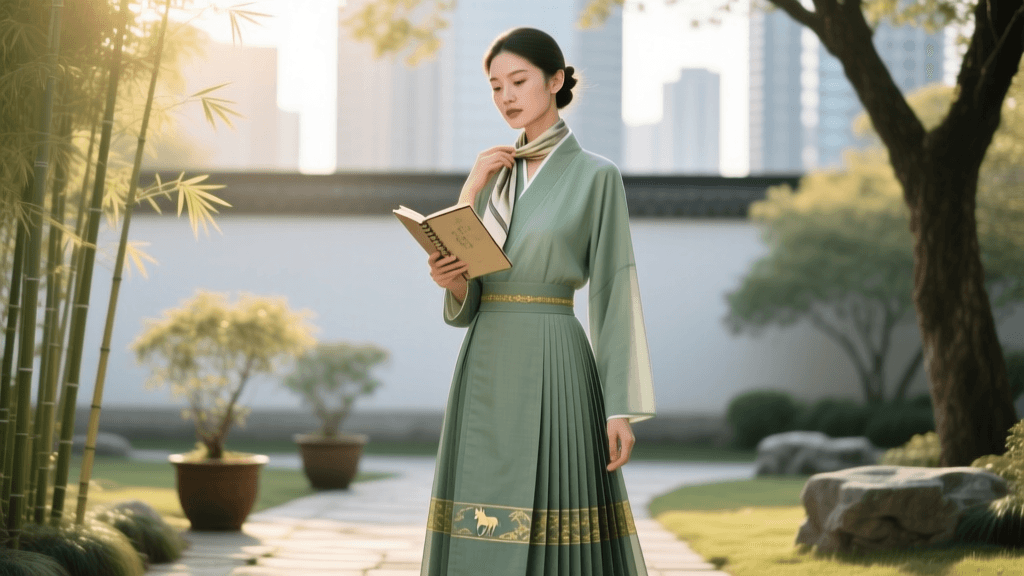
If your travel style leans toward quiet luxury and understated elegance, the Song Dynasty aesthetic paired with Suzhou’s classical gardens is a match made in heaven. The Humble Administrator's Garden and the Lingering Garden feature intricate latticework, koi ponds, and weeping willows that perfectly frame the slender silhouettes of Song-style Beizi (long outer coats) and pleated skirts. Because Suzhou experiences the humid 'Plum Rain' season in early summer, packing breathable ramie or high-quality linen is non-negotiable. These natural fibers not only keep you cool but also provide an authentic, textured drape that photographs beautifully in the dappled garden light.
Navigating 2026 Transit Logistics and Etiquette
Traveling across China's expansive high-speed rail (Gaotie) network in 2026 is a breeze, but luggage restrictions are strictly enforced. Standard carry-on dimensions are limited to 130cm in total length, width, and height. Hanfu shipping boxes often exceed these limits. Always unbox your garments before arriving at the station and transfer them to a soft-sided, compressible duffel bag or a specialized garment carry-on.
Furthermore, cultural etiquette remains paramount. When visiting active religious sites, such as certain pavilions within the Longmen Grottoes or active Taoist temples in the Wudang Mountains, avoid wearing overly revealing cuts or dragging your skirts through sacred thresholds. Always carry a modern, neutral-colored tote bag to hold your daily essentials, as traditional Hanfu garments rarely feature functional pockets. By respecting the heritage sites and preparing your wardrobe meticulously, your 2026 Hanfu travel experience will be nothing short of extraordinary.