Kimono vs Hanbok vs Cheongsam: 2026 Styling & Fit Guide
The Evolution of East Asian Elegance in 2026
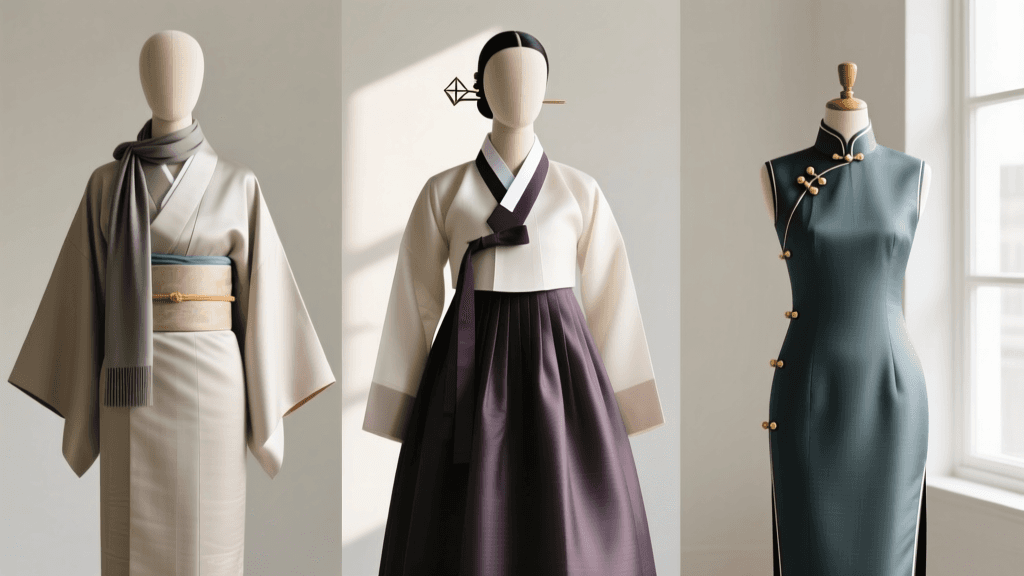
In the global fashion landscape of 2026, heritage garments are no longer relegated to museum archives or strictly ceremonial occasions. The kimono of Japan, the hanbok of Korea, and the cheongsam (qipao) of China have undergone a remarkable renaissance, driven by a renewed interest in sustainable craftsmanship, cultural pride, and modern tailoring innovations. For enthusiasts, collectors, and those looking to integrate traditional Asian silhouettes into a contemporary wardrobe, understanding the structural and cultural nuances of these three iconic garments is essential.
This comprehensive guide breaks down the architectural differences, 2026 textile trends, and modern styling rules for the kimono, hanbok, and cheongsam, helping you navigate bespoke sourcing and everyday wear with confidence and cultural respect.
Kimono: The Architectural Canvas of Japan
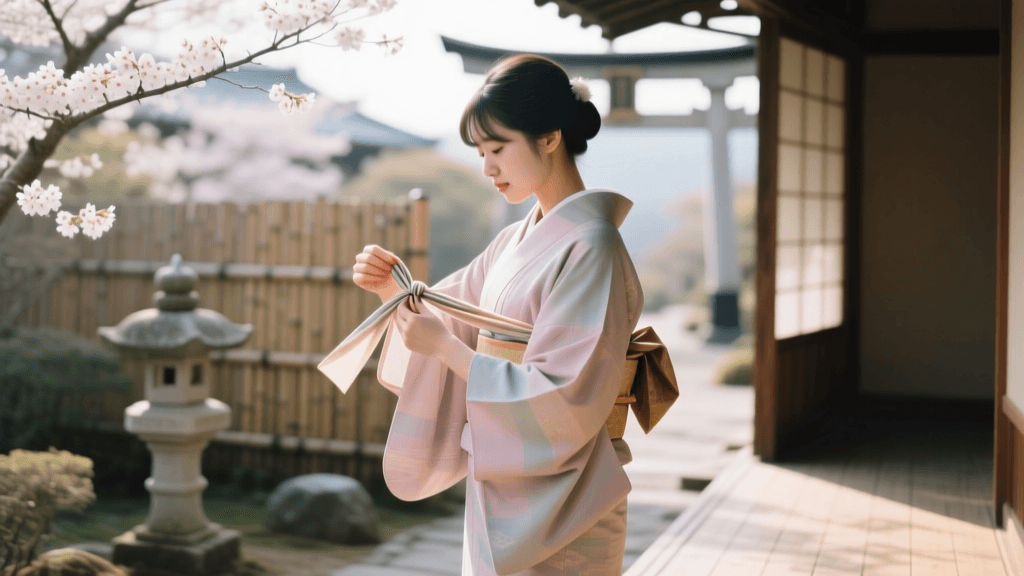
The Japanese kimono is defined by its T-shaped, straight-seamed construction. Unlike Western tailoring, which cuts fabric to follow the curves of the body, the kimono is built from straight bolts of fabric (tanmono), creating a flat, two-dimensional canvas that only gains its three-dimensional form when wrapped and tied. According to the Metropolitan Museum of Art, the kimono's surface design and the intricate tying of the obi (sash) are where the garment's true artistry and social signaling lie.
Structure and Fastening
The kimono is wrapped left over right (right over left is strictly reserved for dressing the deceased) and secured with a koshihimo (tying sash) and the highly decorative obi. The obi itself is a structural marvel, often requiring padding and a rigid core (obi-ita) to maintain its shape. In 2026, the art of kitsuke (kimono dressing) has been aided by modern elastic accessories and magnetic obi clips, making the garment far more accessible to beginners without sacrificing the traditional silhouette.
2026 Textile Trends and Sourcing
While vintage silk kimonos remain highly sought after, the 2026 market is dominated by 'washable silks' and innovative vegan alternatives. Lotus silk and lab-grown spider silk blends are now being utilized by avant-garde weavers in Kyoto and Kanazawa, offering the luster of traditional habutai silk with the durability of modern synthetics. A bespoke, hand-painted silk kimono from a master artisan in Kyoto currently ranges from $3,500 to $8,500 USD, while high-quality, machine-washable daily kimonos (komon) can be sourced from modern brands for $250 to $450 USD.
Hanbok: The Volumetric Grace of Korea
The Korean hanbok is celebrated for its fluid lines and vibrant, volumetric silhouette. The traditional women's hanbok consists of the jeogori (a short, cropped jacket) and the chima (a full, high-waisted wrap skirt). Men's hanbok features a jeogori paired with baji (roomy, tied trousers). As noted by Encyclopaedia Britannica, the hanbok's design is deeply rooted in the philosophy of Obangsaek, the traditional Korean color spectrum representing the five elements of the universe.
Structure and Fastening
The defining structural element of the hanbok is the otgoreum, the long, asymmetrical bow that fastens the jeogori. The chima relies on a wide, structured waistband that ties securely at the back, allowing the skirt to bell out dramatically. The silhouette is designed to obscure the natural lines of the body, emphasizing grace, movement, and a connection to the natural world.
2026 Textile Trends and Sourcing
The 'Saenghwal Hanbok' (Daily Hanbok) movement has fully matured in 2026. Contemporary designers are utilizing Tencel, cupro, and structural organza to maintain the hanbok's iconic volume without the heavy, restrictive weight of traditional stiffened silks. Machine-washable, wrinkle-resistant blends are now the standard for everyday wear. Modern hanbok brands in Seoul offer bespoke daily sets starting around $300 USD, while haute couture interpretations featuring hand-embroidered gold leaf (geumbak) can exceed $4,000 USD.
Cheongsam: The Sculpted Silhouette of China
Originating from the Manchu robes of the Qing Dynasty and modernized in 1920s Shanghai, the cheongsam (or qipao) is a masterclass in sculpted, form-fitting tailoring. It is characterized by its mandarin collar, asymmetrical front opening, pankou (frog fasteners), and daring side slits. Encyclopaedia Britannica highlights the qipao's historical significance as a symbol of female emancipation and modernity in early 20th-century China, a legacy that continues to evolve today.
Structure and Fastening
Unlike the kimono and hanbok, the cheongsam is cut to follow and flatter the natural contours of the body. It utilizes darts and precise tailoring to contour the waist and bust. The traditional pankou knots are both functional and decorative, though 2026 iterations frequently incorporate hidden side zippers for ease of wear, reserving the pankou for the collar and upper chest as purely aesthetic elements.
2026 Textile Trends and Sourcing
The 'New Qipao' movement in Shanghai and Singapore has introduced stretch-woven mulberry silk, jacquard blends, and even sustainable bamboo-silk textiles into the market. Modular designs with detachable collars and adjustable hemlines are trending heavily in 2026, allowing the garment to transition seamlessly from boardroom to evening gala. Bespoke tailoring on Shanghai's Changle Road remains the gold standard, with custom-fitted silk cheongsams averaging $800 to $2,200 USD, reflecting the intense labor required for perfect contouring and hand-rolled hems.
Comparative Analysis: Silhouette, Fit, and Investment
To visualize the distinct differences between these three garments, refer to the 2026 comparison matrix below:
| Feature | Kimono (Japan) | Hanbok (Korea) | Cheongsam / Qipao (China) |
|---|---|---|---|
| Primary Silhouette | Tubular, straight, architectural | Bell-shaped, voluminous, high-waisted | Form-fitting, contoured, sculpted |
| Primary Fastening | Obi (wide sash) and ties | Otgoreum (asymmetrical bow) and wrap ties | Pankou (frog knots) and hidden zippers |
| 2026 Trending Fabric | Washable silk, lotus fiber blends | Tencel, cupro, structural organza | Stretch-mulberry silk, bamboo jacquard |
| Bespoke Lead Time | 3 to 6 months (weaving/dyeing) | 4 to 8 weeks | 2 to 4 weeks (multiple fittings required) |
| Avg. Bespoke Cost (USD) | $3,500 - $8,500+ | $800 - $4,000+ | $800 - $2,200 |
Modern Styling Rules for the Contemporary Wardrobe
Integrating traditional Asian garments into a 2026 wardrobe requires a balance of respect for the garment's heritage and an eye for modern proportion. Here are three actionable styling strategies for the contemporary wearer:
- The Cheongsam Top: For a sophisticated office look, pair a cropped, sleeveless cheongsam top featuring a mandarin collar with high-waisted, wide-leg wool trousers. This honors the garment's intricate neckline while providing comfort and mobility.
- The Hanbok Skirt (Chima): Contrast the dramatic volume of a daily hanbok skirt with a sleek, fitted turtleneck or a structured blazer. This anchors the silhouette and prevents the outfit from looking like a costume, making it perfect for gallery openings or evening dinners.
- The Obi as an Accent: If a full kimono feels too formal, repurpose a vintage or modern woven obi as a statement belt over a minimalist trench coat or a tailored linen suit. This introduces Japanese textile artistry into Western outerwear seamlessly.
Final Thoughts on Cultural Appreciation
As the kimono, hanbok, and cheongsam continue to captivate the global fashion consciousness in 2026, the line between cultural appropriation and appreciation is navigated through education and ethical sourcing. By understanding the structural engineering, historical context, and modern innovations behind these garments, wearers can celebrate East Asian heritage with the reverence and stylistic flair it deserves.