Kimono vs Hanbok vs Cheongsam: 2026 Styling Guide
The Evolution of Asian Sartorial Heritage in 2026
The global fashion landscape in 2026 has fully embraced the integration of traditional Asian garments into everyday and formal wardrobes. Moving beyond mere costume or ceremonial wear, the kimono, hanbok, and cheongsam have been reimagined through the lens of modern tailoring, sustainable textiles, and cross-cultural styling. For enthusiasts and newcomers alike, understanding the structural differences, historical contexts, and contemporary adaptations of these three iconic garments is essential for building an authentic and respectful wardrobe.
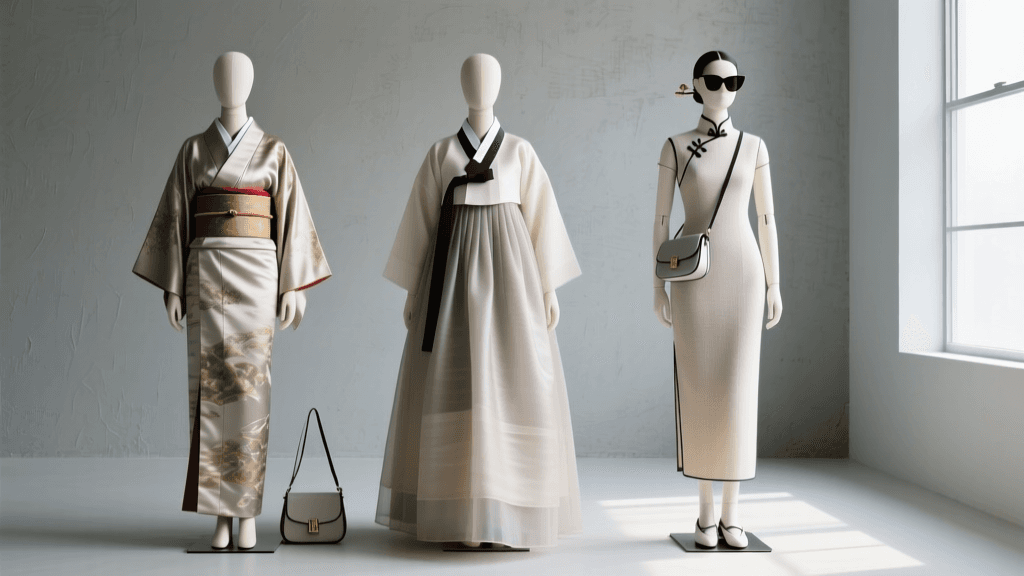
While all three garments represent the pinnacle of their respective cultural heritages—Japan, Korea, and China—they differ vastly in silhouette, construction, and the way they interact with the human body. This comprehensive guide breaks down the structural nuances of the kimono, hanbok, and cheongsam, offering actionable advice on sizing, sourcing, and styling for the modern era.
The Kimono: Linear Geometry and Layering
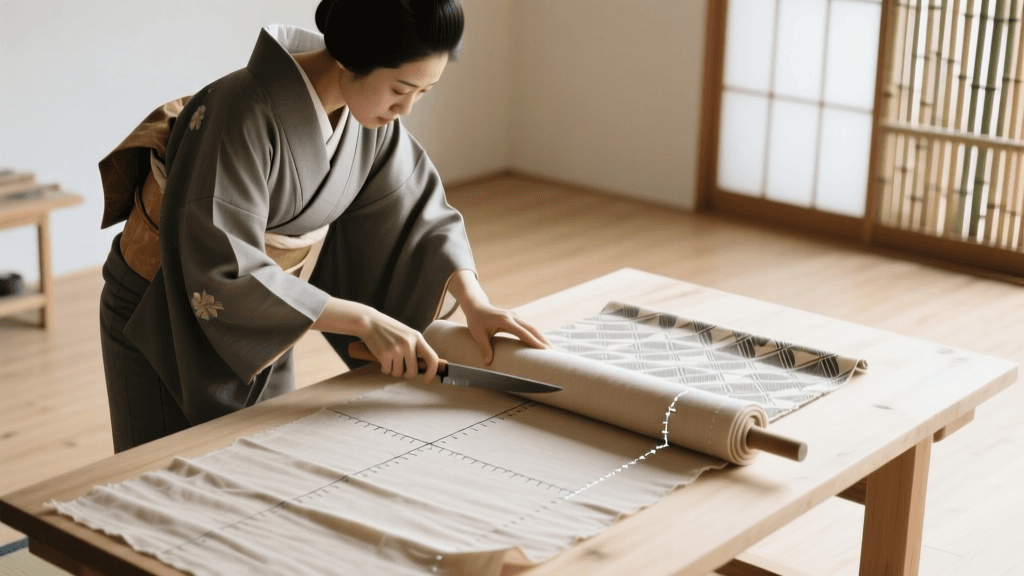
The Japanese kimono is fundamentally defined by its T-shaped, straight-line construction. Unlike Western garments that are cut and darted to follow the curves of the body, the kimono is constructed from bolts of fabric cut into straight rectangular panels. This creates a cylindrical silhouette that conceals the body's natural shape, focusing instead on the surface design, the drape of the fabric, and the artistry of the obi (sash).
According to Encyclopedia Britannica's guide to the Kimono, the garment's origins trace back to the Heian period, evolving into the highly codified system of dress seen today. The fundamental rule of wearing a kimono remains unchanged: the left side must always be wrapped over the right side, secured tightly by the obi at the waist or hips.
2026 Fabric Innovations and Care
In 2026, the kimono market has seen a massive surge in high-tech, washable silk blends and premium recycled polyesters. While traditional silk crepe (chirimen) remains the gold standard for formal events, modern 'washable silks' allow for easy maintenance without sacrificing the luxurious drape required for proper folding. When purchasing a kimono today, buyers should look for 'anti-wrinkle' and 'water-repellent' treatments, which have become standard in mid-to-high-tier garments, making them highly practical for outdoor events and unpredictable weather.
The Hanbok: Volumetric Grace and the Goreum
The Korean hanbok is celebrated for its vibrant colors, voluminous skirts, and elegant, flowing lines. The traditional women's hanbok consists of the jeogori (a short, fitted jacket) and the chima (a full, high-waisted wrap skirt). The men's version pairs the jeogori with baji (roomy, tied trousers). The defining structural feature of the hanbok is its use of negative space; the voluminous skirt creates a bell-like silhouette that allows for fluid movement and hides the lower body entirely.
As detailed in Britannica's historical overview of the Hanbok, the garment's design is deeply rooted in Confucian ideals of modesty and harmony with nature. The fastening mechanism relies entirely on the goreum, a long, elegant ribbon tied at the chest, which replaced metal buttons and pins to maintain the garment's soft, uninterrupted lines.
The Rise of the 'Daily Hanbok' in 2026
The 'Daily Hanbok' (Saenghwal Hanbok) movement has matured significantly by 2026. Modern iterations feature shortened jeogori sleeves, machine-washable cotton-linen blend chima, and hidden side pockets. Contemporary designers are actively blending traditional goreum tying techniques with modern minimalist aesthetics, resulting in garments that can be seamlessly paired with modern knitwear, loafers, and structured handbags. For those looking to invest in a daily hanbok in 2026, look for skirts with adjustable inner drawstrings rather than traditional tie-waists, offering a more secure and comfortable fit for all-day wear.
The Cheongsam (Qipao): Sculpted Tailoring
In stark contrast to the concealing nature of the kimono and the voluminous hanbok, the Chinese cheongsam (or qipao) is renowned for its form-fitting, sculpted silhouette. Originating in the 1920s in Shanghai, the modern cheongsam features a high Mandarin collar, asymmetrical front openings secured by pankou (knotted frog buttons), and strategic side slits that allow for ease of movement while highlighting the wearer's figure.
The Britannica archive on the Qipao notes that the garment was a symbol of modern femininity and liberation in the early 20th century. Today, it remains a staple for formal events, weddings, and high-fashion editorial spreads. The construction of a true cheongsam requires master-level tailoring, utilizing complex darting and bias cutting to ensure the fabric contours perfectly to the bust, waist, and hips without pulling or gaping.
Sizing and Custom Fitting in 2026
Because the cheongsam is unforgiving of poor fit, off-the-rack purchases are rarely recommended for formal wear. In 2026, digital tailoring and remote bespoke services have made custom cheongsams more accessible than ever. When ordering a custom piece, you must provide exact measurements for the bust, natural waist, high hip, low hip, and the 'hollow to hem' (neck to desired hemline). Modern 2026 adaptations often include hidden stretch panels or utilize elastane-blended brocades, providing a 2% to 4% stretch that drastically improves comfort when sitting or dining.
Comparative Analysis: Kimono vs Hanbok vs Cheongsam
To help you decide which garment best suits your needs, climate, and styling preferences, refer to the comparative table below.
| Feature | Kimono (Japan) | Hanbok (Korea) | Cheongsam / Qipao (China) |
|---|---|---|---|
| Silhouette | Cylindrical, straight-line, concealing | Bell-shaped, voluminous skirt, high waist | Form-fitting, sculpted, side slits |
| Primary Fastening | Obi (wide sash) and koshihimo (ties) | Goreum (chest ribbon) | Pankou (frog buttons) and hidden zippers |
| 2026 Custom Cost | $800 - $3,000+ (Formal Silk) | $300 - $900 (Premium Daily/Formal) | $400 - $1,500 (Bespoke Tailored) |
| Climate Suitability | Highly adaptable via layering (ro/juban) | Excellent for cold (layering) and heat (linen) | Best for mild to warm climates |
| Modern Styling | Haori jackets over jeans; obi belts on dresses | Chima skirts with modern turtlenecks | Cheongsam tops with wide-leg trousers |
Actionable Buying and Styling Guide for 2026
1. Mastering the Undergarments
The secret to all three garments lies in the foundation. For the kimono, you must wear a hadajuban (under-kimono) and use padding to create a cylindrical torso; curves will cause the kimono to fold incorrectly. For the hanbok, a modern structural petticoat or an A-line underskirt is essential in 2026 to support the heavy volume of the chima without relying on traditional, bulky cotton under-layers. For the cheongsam, seamless, nude-toned shapewear and a high-quality strapless bra are non-negotiable to maintain the sleek, unbroken lines of the side slits and sheer fabric panels.
2. Cross-Cultural Wardrobe Integration
You do not need to wear a full traditional ensemble to appreciate these garments. In 2026, the most popular styling method is 'deconstruction.' Pair a vintage, short-sleeved silk kimono jacket (haori) with a plain white tee and tailored denim. Wear a modern, calf-length hanbok skirt with a chunky, oversized cashmere sweater tucked into the high waistband. Alternatively, commission a cheongsam collar top (without the full dress length) and pair it with high-waisted, wide-leg linen trousers for a sophisticated, contemporary office look.
3. Sourcing Authentically
When shopping online in 2026, beware of fast-fashion 'costume' replicas that use cheap, non-breathable synthetics and inaccurate frog button placements. For authentic kimono, look for sellers based in Kyoto or Tokyo who specialize in recycled vintage silks or certified modern washable crepes. For hanbok, seek out independent Korean designers on global platforms who explicitly list 'daily hanbok' and use natural fibers like ramie, cotton, or raw silk. For cheongsams, the best investment is a local bespoke tailor or a verified Shanghai/Hong Kong-based heritage brand that offers virtual consultations and muslin mock-ups before cutting the final silk.
'The beauty of traditional Asian garments in 2026 is not in their rigidity, but in their adaptability. By understanding the foundational architecture of the kimono, hanbok, and cheongsam, we can honor their history while seamlessly weaving them into our modern lives.'
Whether you are drawn to the geometric elegance of the kimono, the sweeping grace of the hanbok, or the sculpted sophistication of the cheongsam, investing in these garments is an investment in wearable art. By prioritizing proper fit, high-quality modern textiles, and respectful styling, you can confidently carry these rich cultural traditions into the future.