Best Hanfu Styles for Tai Chi & Qigong Wellness Practice in 2026
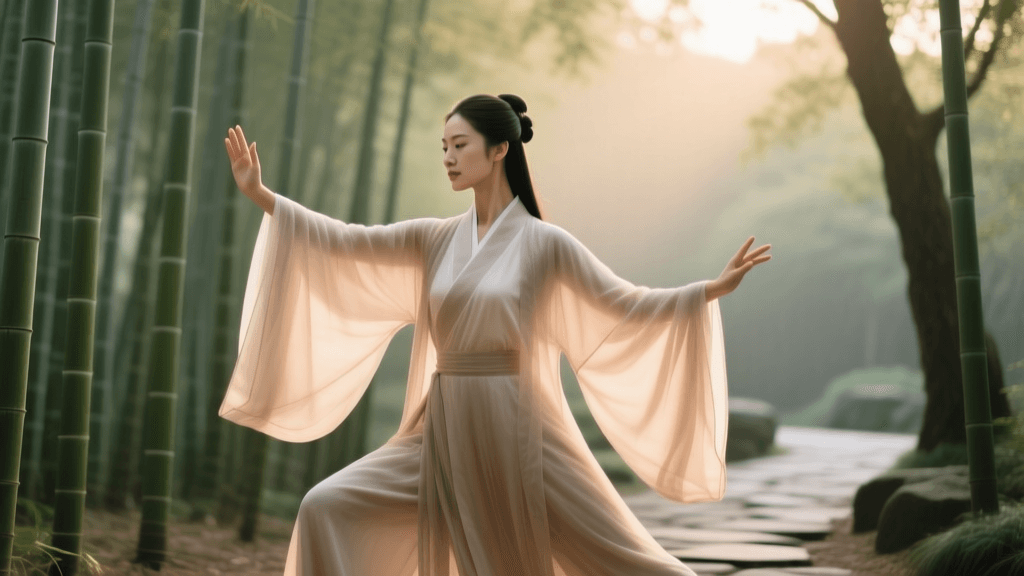
The Renaissance of Mindful Movement in Traditional Garments
The intersection of traditional Chinese clothing and internal martial arts has reached a sophisticated peak in 2026. As the Xin Zhongshi (New Chinese Style) movement continues to evolve, practitioners of Tai Chi and Qigong are no longer forced to choose between modern synthetic activewear and historically accurate but overly cumbersome ceremonial garments. Today’s wellness-focused Hanfu integrates ancient tailoring philosophies with advanced, breathable textiles, creating a seamless conduit for qi (vital energy) flow. According to Harvard Health Publishing, the gentle, flowing movements of Tai Chi and Qigong offer profound benefits for balance, flexibility, and cardiovascular health. To fully experience these benefits, the practitioner's clothing must facilitate, rather than restrict, the body's natural mechanics and deep diaphragmatic breathing.
In 2026, the global wellness market has seen a massive surge in "somatic dressing"—the practice of wearing garments that enhance mind-body awareness. For the traditional Chinese wellness practitioner, this means selecting Hanfu silhouettes that honor the Jiaoling Youren (cross-collar, right lapel) tradition while incorporating modern ergonomic gussets and sustainable, moisture-wicking natural fibers.
Essential Hanfu Cuts for Unrestricted Qi Flow
Not all Hanfu styles are created equal when it comes to the deep stances and sweeping arm movements required in internal martial arts. Ceremonial robes with floor-dragging sleeves or rigid brocades are beautiful but impractical for the training hall. Here are the top three silhouettes dominating the 2026 wellness space.
1. The Yese (曳撒) for Tai Chi Sword and Fan Forms
Originally a Ming Dynasty garment influenced by Mongol riding coats, the Yese features a cross-collared top that connects to a pleated lower skirt. The side pleats (called ma mian or horse-face pleats) are the secret weapon for Tai Chi practitioners. When you drop into a deep Pu Bu (crouch stance) or execute a wide bow stance, the pleats expand dynamically, offering zero resistance to the hips and knees. In 2026, wellness brands have introduced the "Active Yese," which utilizes hidden elasticized waistbands and lightweight Tussah silk, keeping the garment secure during inverted or low-center-of-gravity movements.
2. The Modified Beizi (褙子) for Standing Qigong
The Beizi is a long, open-front coat with side slits that date back to the Song Dynasty. For Qigong practices like Zhan Zhuang (standing like a tree) or the Eight Brocades (Ba Duan Jin), the Beizi is unparalleled. The straight, vertical lines of the coat visually elongate the spine, providing a psychological cue for postural alignment. The deep side slits, which in 2026 are often tailored to start just above the knee, allow for complete freedom of the legs while the long sleeves protect the arms from wind and cold during outdoor morning practice in the park.
3. The Jiaoling Ruqun (交领襦裙) for Flowing Silk Reeling
The classic cross-collared top and wrap skirt combination remains a staple. However, the 2026 wellness adaptation features a secured, pleated wrap skirt with internal tie-ribbons that prevent the skirt from unwinding during rotational waist movements (Chan Si Gong). The cross-collar naturally opens the chest and shoulders, promoting the expansive breathing techniques central to Qigong.
2026 Fabric Innovations: Breathability Meets Tradition
The choice of fabric dictates how well a garment regulates body temperature during the alternating stillness and exertion of internal arts. The World Health Organization's ongoing integration of traditional wellness practices into global health frameworks, as noted in their traditional medicine strategy reports, emphasizes the holistic environment of the practitioner, which includes the tactile sensation of their clothing.
While The Metropolitan Museum of Art highlights the historical supremacy of Chinese silk in global textile history, modern practitioners require fabrics that can withstand frequent washing and sweat. Here is how the top fabrics compare for wellness practice in 2026:
| Fabric Type | Weight & Drape | Breathability | Ideal Discipline | 2026 Avg. Cost (USD) |
|---|---|---|---|---|
| Washed Tussah Silk | Medium (16-19 momme), matte finish, fluid drape | High | Tai Chi, Sword Forms | $120 - $180 |
| Bamboo-Linen Blend | Lightweight, slight texture, structured drape | Very High | Summer Qigong, Zhan Zhuang | $75 - $110 |
| Cupro-Cotton Jersey | Stretch-knit, heavy drape, modern Xin Zhongshi hybrid | Medium-High | Dynamic Qigong, Warm-ups | $60 - $95 |
| Organic Hemp | Heavyweight, stiff initially, softens over time | High (Moisture-wicking) | Outdoor Meditation, Grounding | $90 - $140 |
Expert Tip: Avoid heavy brocades or stiff raw silks for active practice. These fabrics trap heat and restrict the micro-movements of the shoulders and shoulder blades, which are essential for Song (active relaxation and sinking of the joints).
Precision Tailoring: Sleeves, Hems, and the Horse Stance
When ordering a custom or made-to-measure Hanfu for Tai Chi and Qigong in 2026, off-the-rack sizing often fails to account for the specific biomechanics of the art. Use this precise measurement guide when consulting with your tailor or selecting from specialized wellness-Hanfu brands:
- Sleeve Width (Guangxiu vs. Narrow): While ceremonial Hanfu features massive, sweeping sleeves, wellness Hanfu should utilize a modified "straight sleeve" (Zhi Xiu) or a gently tapered sleeve. Aim for a sleeve circumference of 35cm to 42cm at the bicep, tapering to 22cm at the wrist. This allows the fabric to drape beautifully when the arms are raised, but prevents the fabric from sliding down and covering the hands during complex sword grips or mudras.
- Sleeve Length: The sleeve should end exactly at the base of the thumb knuckle when the arms are resting at the sides. When you extend your arms in Peng (ward off), the sleeve will naturally pull back to the wrist, revealing the hand without requiring you to constantly push the fabric back.
- Skirt and Robe Hemlines: The most critical safety measurement is the hemline. When standing in a natural posture, the hem should rest exactly 3cm to 5cm above the ankle bone. When you drop into a low Ma Bu (Horse Stance), the fabric will naturally ride up. If the hem is too long, you risk stepping on the inner folds of the skirt or robe, leading to a dangerous loss of balance.
- The Gusset Addition: Request a diamond-shaped underarm gusset. Traditional Hanfu relies on flat-pattern cutting, which can pull tightly across the chest when the arms are extended forward. A modern 5cm cotton gusset sewn into the underarm seam provides the necessary 3D articulation for the shoulder joint.
Sourcing, Cost, and Garment Care in 2026
The Xin Zhongshi movement has birthed a new tier of specialized ateliers that cater exclusively to the traditional wellness community. In 2026, a high-quality, custom-tailored Bamboo-Linen Qigong set (top and pants or top and skirt) averages between $85 and $130 USD, while premium Washed Tussah Silk Tai Chi robes range from $150 to $250 USD. When sourcing, look for brands that explicitly advertise "flat-felled seams" on the interior. This traditional sewing technique prevents the seams from unraveling and ensures that no rough edges press against the skin during mindful movement, maintaining the sensory deprivation aspect of deep Qigong states.
"The garment should feel like a second skin, or rather, an extension of your aura. If you are thinking about your clothing while practicing your form, the tailoring has failed you."
— Master Lin, 2026 International Wushu and Wellness Symposium
Maintenance and Washing: Natural fibers like hemp and bamboo-linen can be machine washed on a gentle, cold-water cycle using a pH-neutral detergent. However, Tussah silk requires hand washing in cool water with a specialized silk wash. Never wring silk; instead, roll the garment in a clean, dry towel to press out the moisture, then hang it on a padded hanger in the shade. The natural drape of the silk will pull out most wrinkles as it dries, eliminating the need for high-heat ironing, which can scorch the delicate protein fibers.
Conclusion: Embodying Tradition Through Movement
Practicing Tai Chi and Qigong in a thoughtfully designed Hanfu is more than an aesthetic choice; it is a profound way to connect with the cultural lineage of the arts. The right garment acts as a physical boundary that contains and directs your qi, while the flowing fabrics provide immediate visual feedback on your alignment, speed, and fluidity. By selecting the appropriate silhouette—like the dynamic Yese or the grounding Beizi—and investing in modern, breathable natural textiles, practitioners in 2026 can honor the past while fully optimizing their physical and spiritual wellness journey.