2026 Kimono Guide: Birth, Coming-of-Age & Memorials
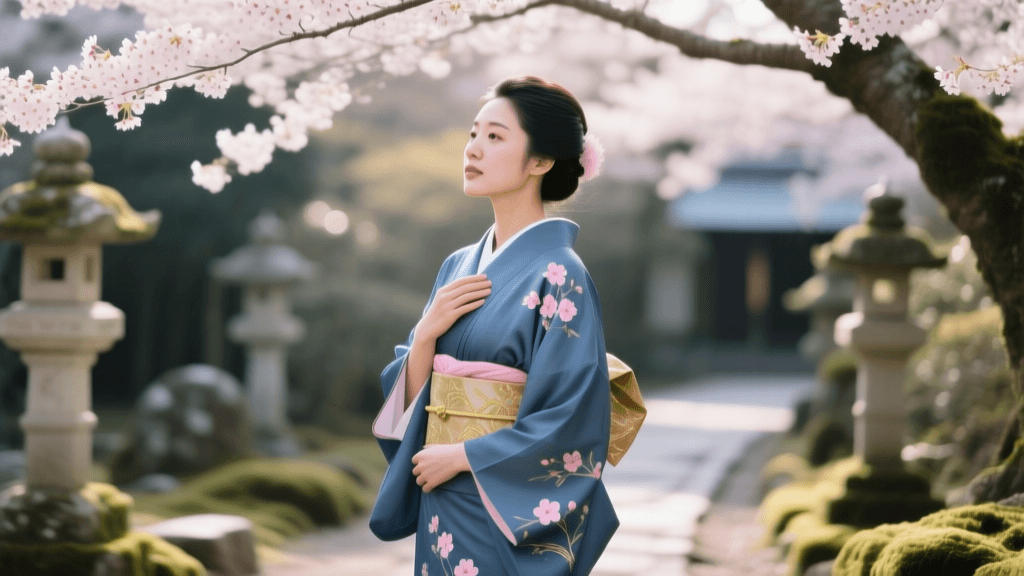
The kimono is far more than a beautiful garment; it is a living archive of Japanese cultural identity, deeply intertwined with the most significant milestones of human life. In 2026, as sustainable fashion and heritage preservation continue to shape global trends, the traditional garments worn during family ceremonies remain a vital expression of respect, joy, and remembrance. From the first shrine visit of a newborn to the vibrant Coming-of-Age celebrations and the solemn elegance of memorial services, selecting the appropriate kimono requires an understanding of strict etiquette, seasonal fabrics, and modern adaptations.
Omiyamairi: Celebrating Birth and the First Shrine Visit
One of the earliest and most joyous family ceremonies in Japan is Omiyamairi, the first shrine visit, which traditionally takes place around thirty days after a baby is born. This ceremony is designed to introduce the newborn to the local tutelary deity (ujigami) and pray for their health and longevity. In 2026, while the exact timing may be adjusted to accommodate the mother's recovery and seasonal weather, the sartorial traditions remain deeply respected.
Garments for the Baby and Parents
For the infant, the traditional ensemble consists of a white cotton or silk under-robe called an ubugi, layered beneath a beautifully decorated outer robe known as an iwagi (or ubushita). The iwagi is often adorned with auspicious motifs such as cranes, turtles, pine trees, or treasure ships, symbolizing a long and prosperous life. In 2026, many families opt for lightweight, breathable silk blends for summer births, reflecting a growing demand for climate-adaptive traditional wear.
The mother and grandmothers typically wear formal visiting kimonos. A houmongi (visiting kimono) or a tsukesage are the most appropriate choices. These garments feature elegant, continuous patterns that flow across the seams, striking a balance between celebratory formality and modest grace. Subdued pastel palettes and floral motifs that reflect the current season are highly favored. Grandmothers often choose slightly more conservative patterns, such as edokomon (fine dot patterns) or classic komon, paired with a dignified fukuro obi (brocade sash).
Seijin Shiki: The 2026 Coming-of-Age Ceremony
Held annually on the second Monday of January, Seijin Shiki celebrates young adults reaching the age of twenty. Although Japan's legal age of adulthood was lowered to eighteen earlier this decade, municipalities and families overwhelmingly continue to hold the traditional ceremonies and wear formal kimono at age twenty. This practical compromise allows young people to finish high school and settle into university life before participating in this major cultural milestone.
Furisode and Hakama Trends
For young women, the undisputed star of Seijin Shiki is the furisode, a highly formal kimono characterized by its long, swinging sleeves. The sleeves of a standard o-furisode measure approximately 114 centimeters in length, creating a dramatic and elegant silhouette. In 2026, furisode trends showcase a blend of classic Yuzen dyeing techniques and contemporary color palettes, with deep jewel tones, metallic leaf accents, and retro-modern geometric patterns gaining immense popularity. Renting a premium furisode package in 2026—including the kimono, obi, undergarments, salon styling, and professional photography—typically costs between ¥180,000 and ¥350,000.
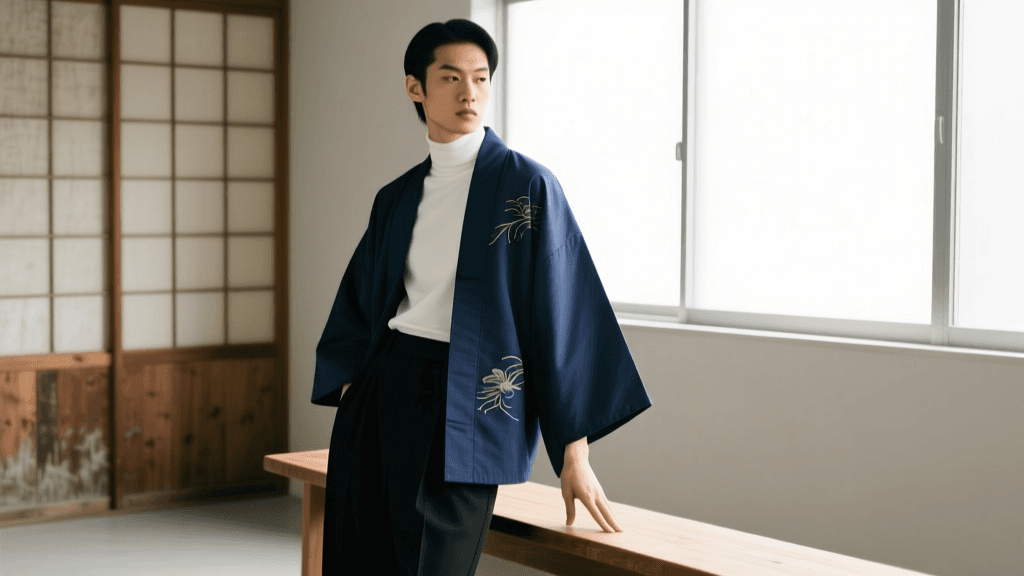
For young men, while Western suits are common, there has been a significant resurgence in wearing traditional hakama (pleated trousers) paired with a haori (half-coat) and a formal kimono. The men's ensemble is usually dark and understated, often featuring the family crest (kamon) stamped in white on the back of the neck, the sleeves, and the chest. The five-crest (itsutsu-mon) configuration denotes the highest level of formality. The hakama's seven pleats are traditionally said to represent the seven virtues of the samurai, adding a layer of historical gravity to the modern celebration.
Mourning and Memorials: Navigating Mofuku Etiquette
In stark contrast to the vibrancy of birth and coming-of-age ceremonies, mourning attire requires strict adherence to somber, unadorned aesthetics. Japanese funeral and memorial etiquette is highly codified, and wearing the incorrect garment can be seen as deeply disrespectful to the deceased and their family.
Funerals vs. Later Memorials (Obon and Higan)
For the funeral itself and the immediate 49-day mourning period, close family members wear mofuku, the highest level of mourning attire. Mofuku is a solid, matte black silk crepe (chirimen) kimono bearing five white family crests. Every accessory must align with the somber occasion: the obi is black with a subtle matte weave, the obi-jime (sash cord) is black and white or solid black, and the zori (sandals) are plain black with no glossy finishes. Jewelry is strictly prohibited, save for a simple string of pearls or a wedding band.
As time passes, the strictness of the mourning attire relaxes. For subsequent memorial services, such as the first Obon (festival of the dead) or Higan (equinox memorials), family members transition to iro-mofuku (colored mourning wear). Iro-mofuku features subdued, melancholic colors such as slate grey, deep navy, muted plum, or dark forest green. These garments typically bear one to three family crests and are paired with darker, understated obi. By the time the 33rd or 50th-year memorial arrives, standard semi-formal kimonos in muted tones are generally acceptable, marking the family's gradual return to everyday life.
2026 Kimono Rental vs. Purchase Comparison
Deciding whether to rent or buy a ceremonial kimono depends on the frequency of use, storage capabilities, and budget. The table below outlines the current landscape for family ceremonies in 2026.
| Ceremony | Primary Garment | 2026 Avg. Rental Cost | Booking Lead Time | Key Accessories |
|---|---|---|---|---|
| Omiyamairi (Birth) | Iwagi / Houmongi | ¥35,000 - ¥65,000 | 2 - 3 Months | Silk bonnet, family crest fan |
| Seijin Shiki (Coming-of-Age) | Furisode / Hakama | ¥180,000 - ¥350,000 | 6 - 9 Months | Furisode obi, ornate hairpins |
| Funeral (Immediate Mourning) | Mofuku (5 Crests) | ¥15,000 - ¥25,000 | 1 - 2 Days | Matte black zori, prayer beads |
| Obon / Higan (Later Memorials) | Iro-mofuku (1-3 Crests) | ¥20,000 - ¥40,000 | 1 - 2 Months | Subdued obi-jime, dark tabi |
Climate Adaptations and Modern Undergarments
One of the most significant shifts in the kimono industry by 2026 is the integration of climate-control technologies to combat increasingly hot and humid summers. Traditional silk layers can be oppressive in July and August. To address this, modern hadajuban (the innermost undergarment worn directly against the skin) are now frequently manufactured with advanced contact-cooling fibers, moisture-wicking meshes, and UV-blocking properties. These innovations allow attendees of summer Omiyamairi or Obon festivals to maintain the elegant exterior of traditional dress without suffering from heat exhaustion.
Furthermore, summer ceremonies heavily utilize ro and sha fabrics. These are sheer, lightweight silks woven with intentional gaps in the threads to allow for maximum airflow. A dark navy ro kimono is a staple for summer memorial services, providing the required formality and somber tone while ensuring the wearer remains comfortable. Footwear has also seen updates; modern tabi (split-toe socks) now feature stretch fabrics and arch support, while zori soles are crafted from lightweight, shock-absorbing cork and synthetic leathers that mimic traditional materials but offer superior durability and comfort for walking on modern pavement.
Sources and Further Reading
For those looking to deepen their understanding of Japanese cultural heritage and ceremonial etiquette, the following authoritative resources provide excellent guidance:
- The Japan National Tourism Organization offers comprehensive overviews of seasonal traditions, including the cultural significance of Seijin Shiki and Omiyamairi across different prefectures.
- The Official Kyoto Travel Guide provides detailed insights into the preservation of traditional crafts, including the intricate Yuzen dyeing techniques used in modern furisode and formal visiting kimonos.
- The Agency for Cultural Affairs, Japan maintains extensive archives on the historical evolution of Japanese textiles, mourning etiquette, and the ongoing efforts to designate master kimono artisans as Living National Treasures.
Navigating the world of ceremonial kimono in 2026 is a rewarding journey that connects the wearer to centuries of ancestral wisdom. Whether wrapping a newborn in the protective folds of an iwagi, celebrating a young adult's future in a sweeping furisode, or honoring a departed loved one in the quiet dignity of mofuku, these garments ensure that the most profound moments of life are marked with unparalleled beauty and respect.