Douyin Street Style: Mastering the New Chinese Fashion Trend
The Rise of 'New Chinese Style' on Douyin
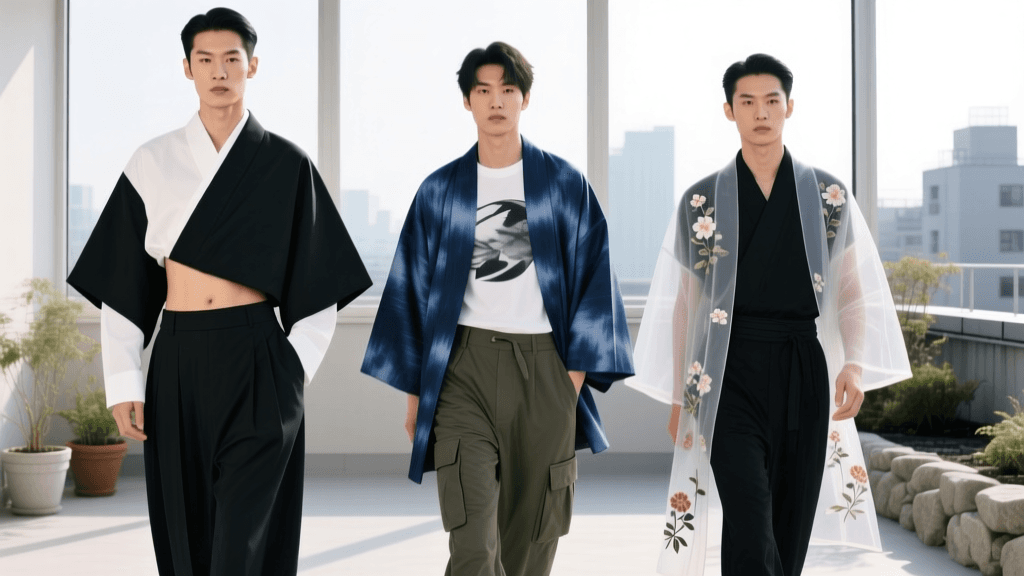
Over the past few years, the Chinese short-video platform Douyin (the domestic counterpart to TikTok) has become the undisputed global epicenter for street fashion trends. Among the most captivating and culturally significant movements to emerge from this digital landscape is 'Xin Zhong Shi' (New Chinese Style). This trend represents a sophisticated evolution of the Hanfu revival movement, moving away from strict historical reenactment and embracing a fluid, hybrid aesthetic that blends traditional Chinese garments with modern streetwear. For fashion enthusiasts and cultural observers alike, understanding this trend offers a fascinating glimpse into how Gen Z consumers in Asia are redefining their cultural identity through clothing.
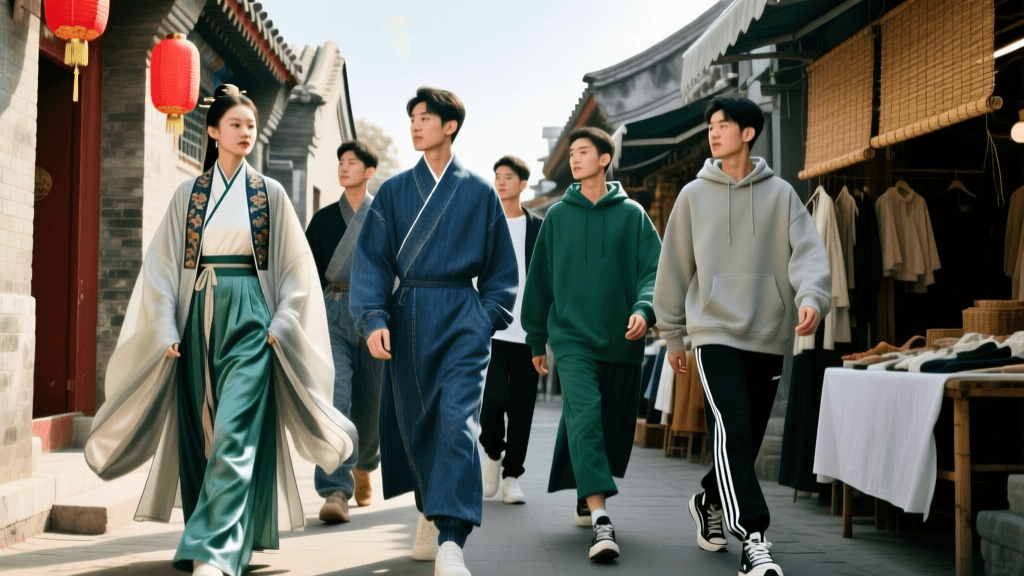
Unlike traditional Hanfu, which often requires intricate layering and specialized undergarments, New Chinese Style prioritizes wearability, comfort, and visual impact. Influencers on Douyin have mastered the art of the 'street snap'—slow-motion, high-definition videos capturing their outfits in motion against the backdrop of bustling urban centers. These videos frequently garner millions of views, driving immediate sell-outs for featured garments on e-commerce platforms like Taobao and Xiaohongshu.
The Epicenter of Street Snaps: Chengdu's Taikoo Li
To understand the Douyin street fashion phenomenon, one must look to Chengdu, specifically the Taikoo Li shopping complex. This open-air retail hub has become the unofficial runway for China's most stylish youth. Photographers and influencers flock to Taikoo Li to capture and broadcast the boldest sartorial choices. The algorithmic nature of Douyin heavily favors high-contrast visuals, dynamic movement, and striking silhouettes—all of which are hallmarks of the New Chinese Style outfits seen in Chengdu. The swirling pleats of a traditional skirt caught in the wind, paired with a modern leather jacket, create the exact visual hook required to stop users from scrolling.
Core Garments: What Influencers Are Actually Wearing
The Mamianqun (Horse-Face Skirt)
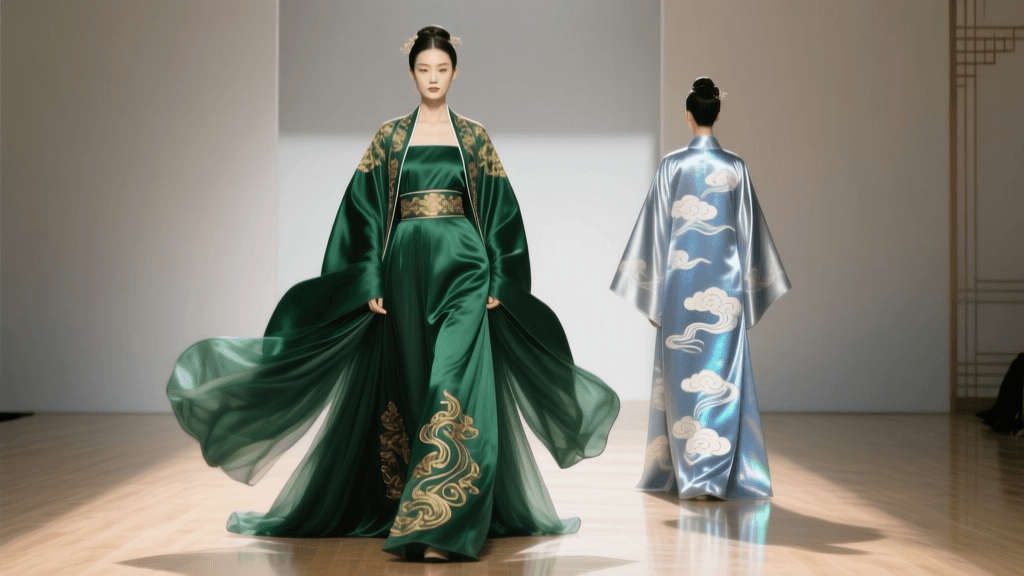
The undisputed star of the Douyin street fashion scene is the Mamianqun, or horse-face skirt. Originating in the Song and Ming dynasties, this wrap skirt features flat front and back panels with heavily pleated sides. According to historical textile archives documented by Wikipedia, the skirt's unique structure allowed for ease of movement, particularly for horseback riding, which is how it earned its name. Today, Douyin influencers have modernized the Mamianqun by experimenting with contemporary fabrics, metallic threads, and varying lengths. The wide, flat panels (the 'horse faces') serve as a canvas for intricate jacquard weaving, often featuring traditional motifs like dragons, phoenixes, or blooming peonies, reimagined with modern color palettes such as holographic silver, deep emerald, or matte black.
Song Dynasty Beizi and Modern Outerwear
Another staple in the influencer wardrobe is the Beizi, a long, open-front jacket popular during the Song Dynasty. Characterized by its straight silhouette, side slits, and minimalist elegance, the Beizi translates seamlessly into modern outerwear. Influencers frequently layer a sheer or lightweight silk Beizi over a simple modern camisole and wide-leg jeans, creating a look that is both ethereal and grounded. The contrast between the flowing, traditional lines of the Beizi and the structured, utilitarian nature of modern denim or cargo pants is a defining characteristic of the Xin Zhong Shi aesthetic.
Actionable Styling Guide: Recreating the Douyin Look
Transitioning from passive scrolling to active styling requires an understanding of proportion and texture. The key to mastering New Chinese Style is juxtaposition. You must balance the historical weight of traditional garments with the casual edge of contemporary streetwear. Below is a structured guide to building your outfit based on popular Douyin influencer formulas.
| Traditional Element | Modern Streetwear Pairing | Footwear & Accessories | Vibe / Occasion |
|---|---|---|---|
| Mamianqun (Midi length, 85cm) | Oversized graphic tee or cropped leather biker jacket | Chunky platform boots, silver hardware | Edgy, Urban, Taikoo Li Street Snap |
| Song Dynasty Beizi (Sheer organza) | Fitted ribbed turtleneck and high-waisted wide-leg denim | Pointed-toe ankle boots, jade pendant necklace | Elegant, Casual, Coffee Shop Run |
| Qing-inspired Pan-kou button top | Black cargo parachute pants | Classic sneakers, minimalist claw clip | Y2K fusion, Daily Commute |
| Mamianqun (Maxi length, 105cm) | Tailored wool blazer with structured shoulders | Loafers, velvet hair ribbon | Smart Casual, Office to Evening |
Sourcing, Budgeting, and Measurements
For international enthusiasts looking to replicate these looks, sourcing directly from Chinese e-commerce platforms like Taobao or Xianyu (for second-hand luxury pieces) is essential. When searching, use the Mandarin terms: '新中式' (Xin Zhong Shi) for the general style, '马面裙' (Mamianqun) for the skirt, and '宋制' (Song Dynasty style) for the jackets.
Budgeting: Entry-level, high-quality daily wear skirts from established Taobao brands like Shisanyu or Minghuatang's diffusion lines typically range from 150 to 300 RMB ($20 to $45 USD). These are usually made from jacquard-woven polyester blends, which are highly durable, machine washable, and excellent at holding sharp pleats. For luxury pieces crafted from 100% mulberry silk or real gold-leaf brocade, expect to pay between 800 and 2,500 RMB ($110 to $350 USD).
Measurements and Fit: The fit of a Mamianqun relies entirely on the waist measurement and the skirt length. Unlike Western skirts, the waistband is wide and stiff, designed to sit flush against the natural waist or slightly above the belly button. Always measure your natural waist and add 2-3 cm for overlap and comfort. For length, an 85cm skirt will hit mid-calf on a person who is 160cm (5'3") tall, which is ideal for pairing with chunky boots. A 105cm skirt will graze the ankle on a 170cm (5'7") person, offering a more dramatic, sweeping silhouette favored in slow-motion Douyin transitions.
Hair, Accessories, and the Final Polish
The Douyin aesthetic is incomplete without meticulous attention to hair and accessories. Influencers rarely wear elaborate, heavy historical wigs for street fashion. Instead, they opt for modern, effortless hairstyles accented with singular traditional pieces. A popular choice is the velvet flower (Ronghua), a traditional Nanjing craft made from silk threads and copper wire, shaped into delicate peonies or swallows. Alternatively, a simple matte acrylic or wooden hair stick, paired with a modern claw clip, provides a subtle nod to antiquity without looking like a costume.
Jewelry also plays a pivotal role. Hetian jade pendants, woven with intricate macrame knots, are frequently layered over modern t-shirts or attached to the waistbands of skirts. The cool, translucent green of the jade provides a striking visual contrast against the dark, rich tones of modern streetwear fabrics.
Cultural Impact and the Future of the Trend
The explosion of New Chinese Style on Douyin is not merely a fleeting fashion fad; it is deeply intertwined with a broader cultural shift among Chinese youth. As reported by BBC Culture, the Hanfu and traditional dress movements are driven by a desire for cultural confidence and a reconnection with pre-modern Chinese aesthetics. Young consumers are using fashion to assert a unique national identity that is distinct from Western luxury brands.
Furthermore, as noted in an analysis by The Guardian, this sartorial revival is heavily supported by domestic manufacturing advancements and social media algorithms that reward visual storytelling. The transition from niche historical societies to mainstream streetwear demonstrates the commercial viability of cultural heritage. As international fashion houses begin to take note of Douyin's trend-setting power, we can expect to see the silhouettes, textiles, and styling techniques of Xin Zhong Shi increasingly integrated into global couture and fast fashion alike. For the traditional garment enthusiast, mastering this look is not just about wearing beautiful clothes; it is about participating in a living, breathing cultural renaissance.