Celebrity Kimono Trends: How To Style Haori Streetwear
The Red Carpet to Streetwear Pipeline
The global fashion landscape has witnessed a profound shift in how traditional Japanese garments are integrated into modern wardrobes. Driven by high-profile celebrities, K-pop idols, and avant-garde streetwear influencers, the kimono—and specifically its jacket counterpart, the haori—has transcended cultural boundaries to become a staple of global high fashion and everyday streetwear. Icons like Rihanna, A$AP Rocky, Zendaya, and BTS have all been photographed donning silk haori, kimono-inspired wrap coats, and hakama-style trousers, blending Edo-period silhouettes with contemporary urban aesthetics.
However, replicating these high-fashion looks requires more than simply throwing on a vintage jacket. It demands an understanding of traditional proportions, fabric types, and the delicate balance between cultural appreciation and appropriation. According to the Victoria and Albert Museum's landmark exhibition on the kimono, the garment's T-shaped, straight-seamed construction has influenced Western designers from Alexander McQueen to John Galliano, proving that its architectural silhouette is universally adaptable. This guide breaks down exactly how celebrities and influencers are styling traditional Japanese outerwear today, complete with actionable advice, measurement guides, and sourcing costs so you can recreate these editorial looks in your own closet.
The Celebrity Blueprint: Why the Haori Dominates Streetwear
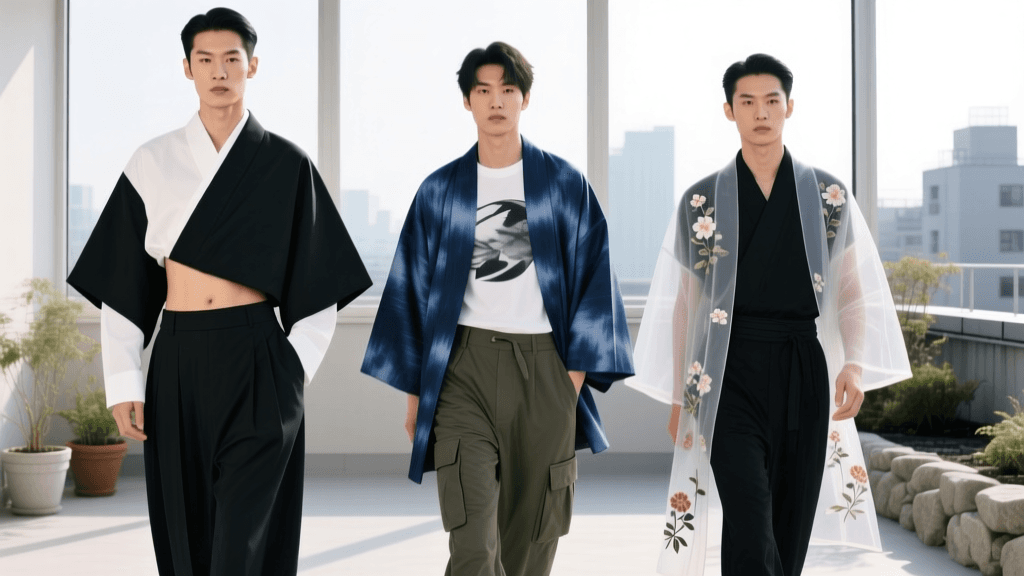
While the full kimono ensemble is a complex, multi-layered commitment requiring specialized undergarments (juban) and intricate obi tying, the haori (kimono jacket) is the ultimate gateway garment for modern styling. Originally worn by samurai to protect their kimono from the elements, the haori is designed to be worn open, making it functionally identical to a modern duster coat, cardigan, or bomber jacket.
Influencers favor the haori for its dramatic, sweeping sleeves (sode) and the striking contrast of the hidden inner lining (hakkake), which often features hand-painted landscapes or bold geometric patterns that flash when the wearer moves. Celebrities frequently pair vintage silk haori with minimalist, monochrome base layers to let the intricate Yuzen dyeing techniques take center stage. By treating the haori as a statement outer layer rather than a traditional costume, fashion-forward individuals bridge the gap between Tokyo's Harajuku district and New York's SoHo.
Sourcing Guide: Vintage vs. Modern Artisan vs. Designer
When building a celebrity-inspired kimono wardrobe, knowing where to source authentic pieces is crucial. Fast-fashion 'kimono jackets' often misappropriate sacred motifs and use cheap synthetics that lack the drape of genuine silk. Below is a cost and sourcing breakdown for authentic garments.
| Garment Category | Price Range (USD) | Material & Origin | Styling Best Practice |
|---|---|---|---|
| Vintage Silk Haori | $45 - $150 | 100% Silk, Japan (1970s-90s) | Monochrome streetwear, elegant evening layering |
| Modern Cotton Haori | $120 - $280 | Cotton/Linen Blend, Contemporary | Casual summer festivals, relaxed Harajuku style |
| Designer Avant-Garde | $800 - $2,500+ | Mixed Media, Japanese Runway | High-fashion editorial, red carpet, gallery openings |
| Upcycled Kimono Coats | $60 - $200 | Repurposed Vintage Silk | Eco-conscious streetwear, boho-chic layering |
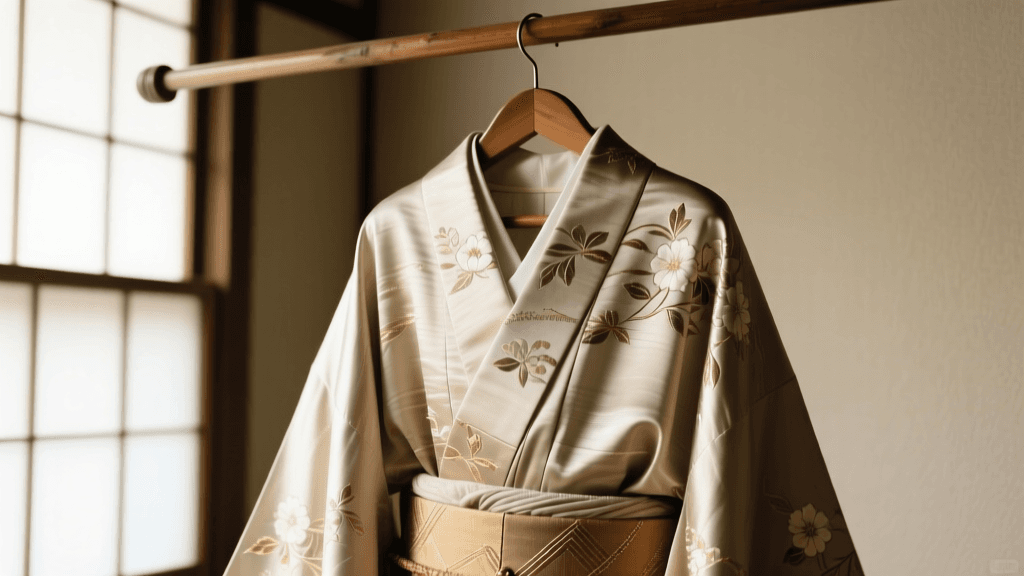
Pro-Tip: When shopping for vintage silk on platforms like Etsy or specialized Japanese proxy services (e.g., Buyee), always search for 'chirimen' (crepe silk) for a textured, matte finish that reads as highly luxurious and modern, rather than shiny satin which can look costumey.
Mastering the Measurements: Proportions and Fit
Unlike Western clothing, kimono and haori do not have standardized S, M, L sizes. They are measured by specific dimensions that dictate how the garment drapes. Influencers often play with exaggerated proportions, but knowing the baseline measurements is essential for a deliberate, high-fashion look.
- Yuki (Sleeve Length): Measured from the center back of the neck, across the shoulder, to the wrist. A standard vintage women's haori has a yuki of 60-64cm. For an oversized, avant-garde streetwear look popularized by brands like Yohji Yamamoto, look for a yuki of 70cm or greater, or opt for men's vintage haori which naturally feature broader shoulders and longer sleeves.
- Katahaba (Shoulder Width): The distance from shoulder seam to shoulder seam. Because traditional garments lack a structured shoulder seam, the drape is entirely dependent on this measurement. A wider katahaba (40cm+) will create the dropped-shoulder effect highly sought after in modern streetwear.
- Sodetake (Sleeve Depth): The vertical length of the sleeve opening. Deep sleeves (50cm+) create a dramatic, cape-like silhouette when the arms are raised, perfect for editorial photography and dynamic street style shots.
Step-by-Step Influencer Styling Formula
To achieve the modern, celebrity-approved kimono aesthetic, follow this three-step styling formula that respects the garment's origins while anchoring it firmly in contemporary fashion.
1. The Monochrome Base Layer
The most common mistake beginners make is pairing a highly patterned haori with equally busy streetwear. Influencers instead use a 'canvas' approach. Start with a fitted black or cream turtleneck, or a high-quality heavyweight cotton crewneck. For bottoms, opt for wide-leg, pleated trousers that mimic the flow of traditional hakama pants, or straight-leg raw denim. The goal is to let the haori's intricate patterns—whether it's subtle geometric 'kasuri' or bold floral 'kabuki' motifs—be the sole focal point.
2. The Footwear Crossover
Footwear can make or break a traditional-meets-modern look. The undisputed champion of this crossover is the Maison Margiela Tabi Boot, which splits the toe in homage to traditional Japanese tabi socks. Pairing a vintage silk haori with black leather Tabi boots and tailored trousers is a staple uniform for fashion week attendees in Tokyo and Paris. Alternatively, chunky, architectural sneakers (like the Balenciaga Track or New Balance 990s) provide a grounding, utilitarian contrast to the delicate nature of vintage silk.
3. Modernizing the Haori Himo (Ties)
Traditional haori are fastened at the front using braided silk cords called 'himo'. While you can tie them in a traditional slip knot, many streetwear stylists remove the himo entirely, allowing the jacket to flow open like a duster coat. For a more structured, high-fashion look, replace the traditional cords with a minimalist black leather clasp, or belt the haori at the waist using a thick, Western-style leather obi belt to create an hourglass silhouette over a slip dress.
Cultural Etiquette and Respectful Styling
As the kimono enters the global mainstream, the line between appreciation and appropriation must be navigated with care. The Japan National Tourism Organization (JNTO) emphasizes that foreign visitors and global fashion enthusiasts are generally welcomed to wear traditional garments, provided they adhere to fundamental rules of respect.
The most critical rule in wearing any kimono or haori is the 'migi-mae' rule: the left side of the garment must always wrap over the right side. In Japanese culture, wrapping right-over-left is strictly reserved for dressing the deceased for burial. Wearing a garment right-over-left is considered highly inauspicious and deeply disrespectful. Furthermore, when sourcing vintage pieces, be mindful of the 'kamon' (family crests). While wearing a jacket with a generic crest is generally acceptable in casual streetwear, avoid wearing garments featuring specific, identifiable imperial or sacred religious motifs to casual, alcohol-heavy environments like nightclubs.
Finally, treat the silk with the reverence it deserves. Vintage chirimen silk is delicate and susceptible to water damage and sun fading. Experts in Japanese garment care recommend spot-cleaning only, storing the garments flat rather than on wire hangers to prevent shoulder distortion, and using specialized cedar blocks to protect against moths. By investing in the proper care and understanding the rich history woven into every thread, you elevate your streetwear from a mere trend to a profound celebration of Asian textile artistry.