Styling Leesle Modern Hanbok Jeogori in Streetwear 2026
The Evolution of the Modern Hanbok in 2026
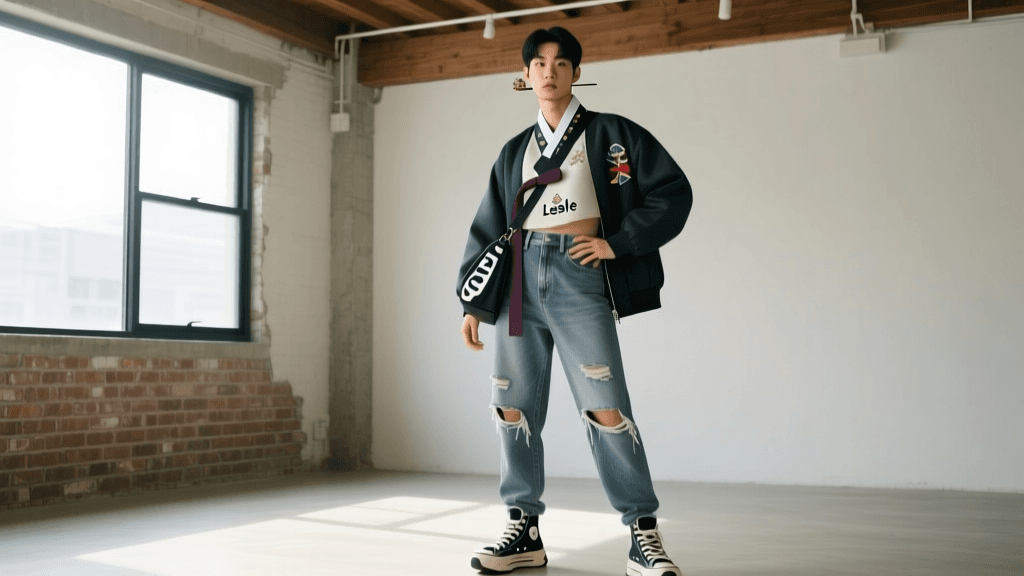
The global fashion landscape in 2026 is defined by a deep appreciation for cultural heritage seamlessly woven into everyday utility. Moving far beyond the realm of ceremonial costume, traditional Asian garments have firmly established themselves in the contemporary capsule wardrobe. At the forefront of this sartorial revolution is the modern hanbok, specifically the jeogori (the traditional upper garment). Brands like Leesle have pioneered the transition of the jeogori from a rigid, formal piece into a versatile, fluid component of modern streetwear and office attire.
Historically, the hanbok is characterized by its vibrant colors and simple lines without pockets, a design that has been worn by Koreans for centuries. According to Encyclopedia Britannica, the traditional silhouette emphasizes a harmonious balance between the structured upper body and the voluminous lower half. In 2026, designers have retained this philosophical balance while adapting the physical proportions to suit the kinetic demands of urban life. The modern jeogori is now cropped slightly higher, featuring shortened sleeves and simplified goreum (ties), making it the ultimate transitional layering piece for the contemporary wardrobe.
Anatomy of the 2026 Modern Jeogori
To successfully mix the jeogori with modern streetwear, one must understand its updated architectural elements:
- The Git (Collar): Modern iterations often feature a softer, less rigid git that lays flat against the collarbone, mimicking the drape of a contemporary bomber or Harrington jacket.
- The Dongjeong (White Collar Trim): While traditionally a stark white band framing the face, 2026 designs frequently integrate tonal trims or removable contrast collars for easier maintenance and stylistic versatility.
- The Goreum (Ties): The traditional long, flowing ribbons have been shortened and weighted. In streetwear contexts, they are often tied in a single, asymmetrical knot or left untied to function as decorative fringe.
- The Baerae (Sleeve Curve): The iconic curved underarm seam is preserved but narrowed, allowing the jeogori to be worn comfortably under modern overcoats without excessive bunching.
Color Theory: Adapting Obangsaek for Urban Wardrobes
Traditional Korean color theory is rooted in Obangsaek, the five cardinal colors (blue, red, yellow, white, and black) representing the elements. While historical garments utilized these in high-contrast, saturated blocks, 2026 streetwear styling relies on muted, earth-toned interpretations of this palette. A modern Leesle jeogori in muted celadon (green-blue) or dusty ochre acts as a neutral anchor in a minimalist wardrobe. The Korea.net Cultural Portal frequently highlights how contemporary Korean designers are reinterpreting these historical dyes using sustainable, plant-based methods that appeal to the eco-conscious 2026 consumer.
3 Ways to Style the Modern Jeogori in 2026
1. The Urban Commuter: Jeogori over Tailored Wide-Leg Trousers
For a sophisticated office-to-evening look, pair a structured cotton-blend jeogori with high-waisted, wide-leg wool trousers. The cropped hem of the jeogori naturally defines the waist, eliminating the need for a belt and creating a seamless, elongated leg line. In 2026, the preferred silhouette involves trousers with a 34-inch inseam that slightly pools over chunky leather loafers or minimalist white sneakers. Choose a jeogori in a deep navy or charcoal grey to maintain professional gravity while the subtle curve of the baerae sleeve introduces an element of architectural intrigue.
2. Weekend Casual: Cropped Organza Jeogori with Barrel-Leg Denim
Streetwear thrives on the juxtaposition of textures. Layering a sheer, organza or lightweight linen jeogori over a simple ribbed tank top and pairing it with rigid, barrel-leg denim creates a striking visual contrast. The voluminous shape of the barrel jeans echoes the traditional chima (skirt) silhouette but grounds the outfit in contemporary denim culture. Leave the goreum ties loosely knotted at the side. This look is perfectly finished with 2026’s trending footwear: retro-inspired suede running sneakers in neutral tones.
3. Evening Edge: Silk Jeogori Layered with Leather Outerwear
As explored in the Victoria and Albert Museum’s extensive archives on the Hallyu wave, Korean fashion excels at blending delicate heritage with aggressive modernity. For evening wear, treat a washable silk crepe jeogori as a substitute for a button-down shirt. Wear it beneath an oversized, cropped leather moto jacket. The delicate white dongjeong collar peeking out from beneath the heavy leather lapels frames the face beautifully and adds a layer of refined cultural depth to an otherwise standard streetwear uniform.
2026 Modern Hanbok Fabric & Care Matrix
Mixing traditional garments with daily wear requires practical fabric choices. The table below outlines the most common 2026 modern hanbok textiles and their care requirements.
| Fabric Type | Best Modern Pairing | Care Instructions | 2026 Avg. Price (USD) |
|---|---|---|---|
| Washable Silk Crepe | Leather Jackets, Tailored Wool | Cold hand wash, flat dry in shade | $180 - $260 |
| Structured Cotton-Linen | Wide-Leg Trousers, Denim | Machine wash cold, tumble dry low | $95 - $140 |
| Recycled Organza | Barrel Jeans, Slip Skirts | Spot clean or delicate cycle, hang dry | $120 - $175 |
| Tencel Twill | Minimalist Streetwear, Joggers | Machine wash cold, iron on low heat | $110 - $150 |
Accessorizing the Fusion Wardrobe
When styling the jeogori in 2026, the rule of thumb is to let the garment’s silhouette do the heavy lifting. Avoid traditional hairpieces like the binyeo (ornamental hairpin) unless you are attending a specific cultural event. Instead, opt for modern, architectural silver jewelry. A single, sculptural ear cuff or a heavy, asymmetrical silver ring complements the clean lines of the git collar without overwhelming the outfit. For bags, structured micro-bags or slouchy leather hobo bags worn crossbody provide the perfect utilitarian counterweight to the romantic drape of the jeogori’s sleeves.
Sourcing Authentic Modern Hanbok in 2026
The global accessibility of modern hanbok has expanded significantly. While flagship boutiques in Seoul’s Bukchon Hanok Village remain the premier destination for bespoke fittings, international consumers in 2026 have access to seamless global shipping via dedicated K-Fashion platforms. Brands like Leesle, Danha, and Tchai Kim offer ready-to-wear collections that ship worldwide. Expect to invest between $100 and $300 for a high-quality, designer-collaboration jeogori that utilizes sustainable textiles and ethical manufacturing processes. Always verify the size charts, as modern hanbok sizing often relies on a universal fit system based on tie adjustments rather than strict bust and shoulder measurements.
Conclusion
Integrating the Leesle modern hanbok jeogori into a 2026 streetwear wardrobe is more than a fleeting trend; it is a meaningful dialogue between history and modernity. By understanding the garment's architectural roots and pairing it with contemporary staples like barrel-leg denim and structured wool, you can create a personal style that is globally relevant, culturally respectful, and undeniably chic.