Kimono vs Hanbok vs Cheongsam: 2026 Fit & Style Guide
The 2026 Renaissance of Asian Heritage Garments
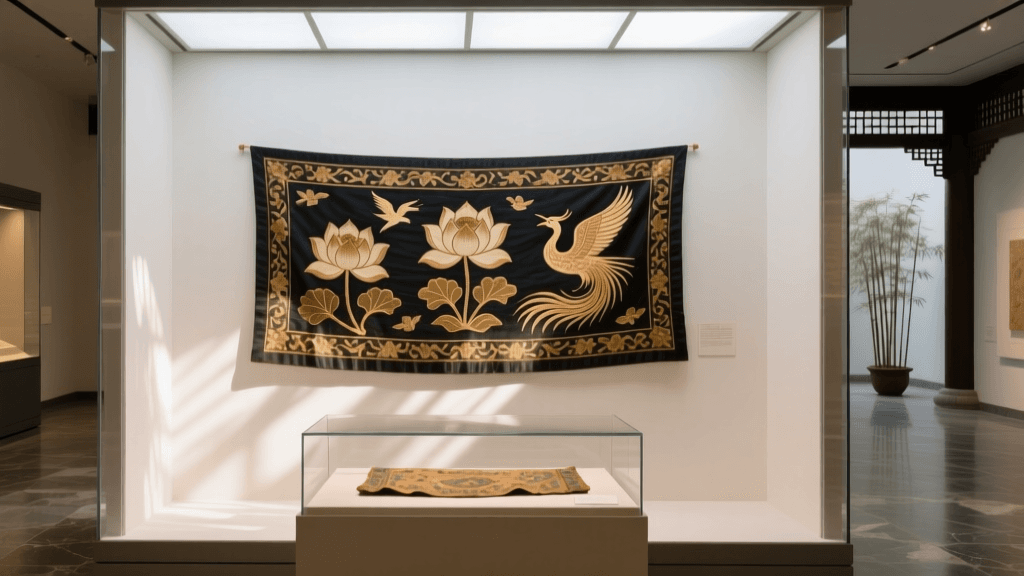
In 2026, the global fashion landscape has fully embraced the "heritage fusion" movement, elevating traditional Asian garments from strictly ceremonial use to versatile, high-fashion statements. Whether you are attending a modern wedding, a global gala, or curating a high-end streetwear wardrobe, understanding the structural and stylistic nuances of the Japanese kimono, Korean hanbok, and Chinese cheongsam (qipao) is essential. According to the Victoria and Albert Museum's Asian collections, the preservation of these garments relies heavily on adapting their historical construction to contemporary lifestyles without losing their cultural soul.
This comprehensive guide breaks down the anatomy, 2026 fabric innovations, precise measurement guides, and modern styling techniques for these three iconic garments, ensuring you can buy, wear, and respect them with confidence.
The Kimono: T-Shaped Elegance and Structured Draping
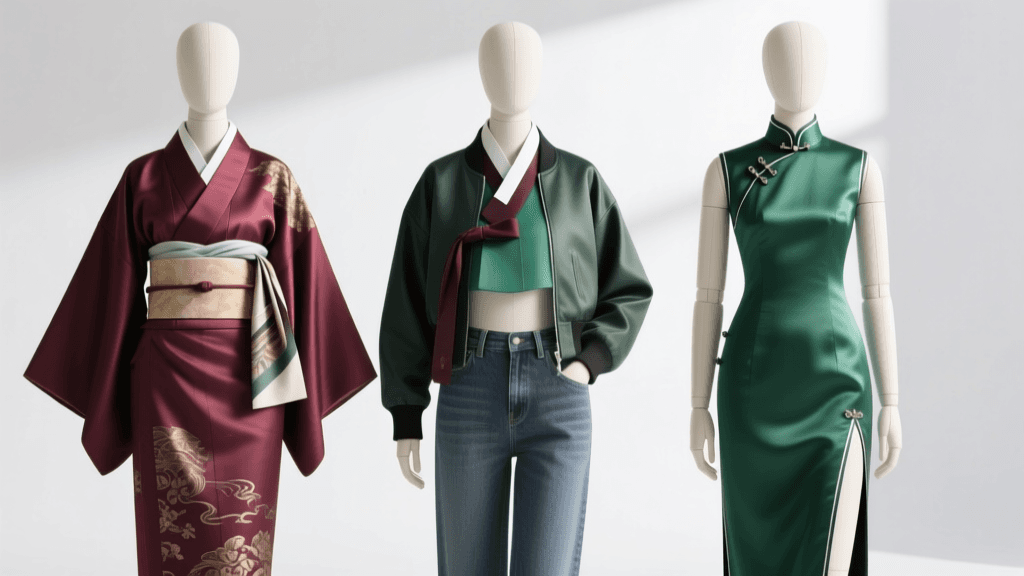
The Japanese kimono is instantly recognizable by its T-shaped, straight-seamed construction and its iconic obi belt. Unlike Western tailoring, which cuts fabric to follow the body's curves, the kimono is designed to conceal the body's natural shape, creating a elegant, cylindrical silhouette that serves as a canvas for textile art.
2026 Fabric Trends and Innovations
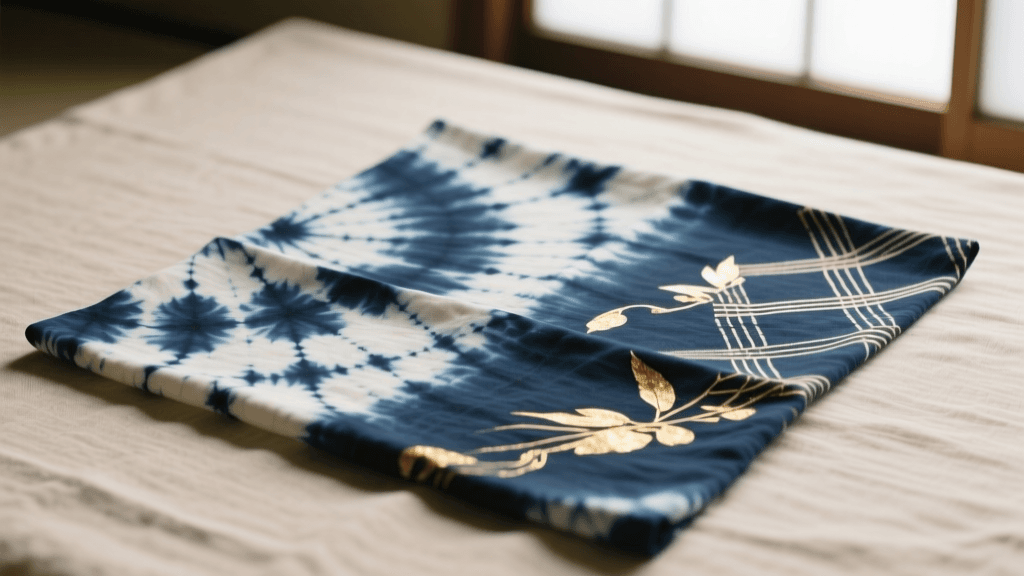
While traditional silk (shoken) remains the gold standard for formal events, the 2026 market has seen a massive surge in "washable silk" alternatives. These advanced polyester-silk blends mimic the exact drape and luster of heavy crepe silk but can withstand gentle machine washing—a game-changer for modern wearers. Additionally, 3D-printed obijime (decorative cords) and sustainable bamboo-woven obis are dominating the Tokyo and Kyoto boutique scenes this year.
Essential Measurements for a Perfect Fit
Buying a kimono in 2026 requires understanding three critical measurements:
- Yuki (Sleeve Length): Measured from the center back of the neck, across the shoulder, and down to the wrist bone. A standard modern yuki is around 64-68 cm.
- Mitake (Back Length): Measured from the base of the neck to the ankle. The kimono should ideally graze the ankle bone when the ohashori (waist fold) is tied.
- Okumi (Front Panel Width): Determines how comfortably the garment wraps across the chest and hips, crucial for broader body types often ignored by vintage sizing.
The Hanbok: Volumetric Grace and the Daily Movement
The Korean hanbok is defined by its dramatic contrasts in volume: a fitted, cropped jeogori (jacket) paired with a massively voluminous chima (wrap skirt) for women, or loose baji (trousers) for men. The silhouette creates a bell-like shape that allows for incredible freedom of movement and a striking visual presence.
The 2026 "Saenghwal Hanbok" Evolution
The "Daily Hanbok" (Saenghwal Hanbok) movement has matured significantly by 2026. Driven by global K-culture and sustainable fashion mandates, modern hanbok designers are utilizing Tencel, organic cotton, and lightweight organza. The 2026 color palettes have shifted away from the hyper-saturated neons of the early 2020s toward muted, earthy pastels and deep jewel tones inspired by traditional Korean mineral pigments (chaehwa).
Sizing the Jeogori and Chima
Proper hanbok fit hinges on the proportions of the upper garment:
- Hwajang (Sleeve Length): Should end just at the base of the thumb, allowing the delicate white inner cuff (kkotdong) to peek out by exactly one inch.
- Jeogori Length: Modern 2026 daily hanbok jackets sit slightly lower on the ribcage than historical versions to accommodate modern layering, but must never cover the navel.
- Goreum (Ties): The front ties must be long enough to create a symmetrical bow with tails that hang precisely to the hem of the jeogori.
The Cheongsam (Qipao): The Tailored Silhouette
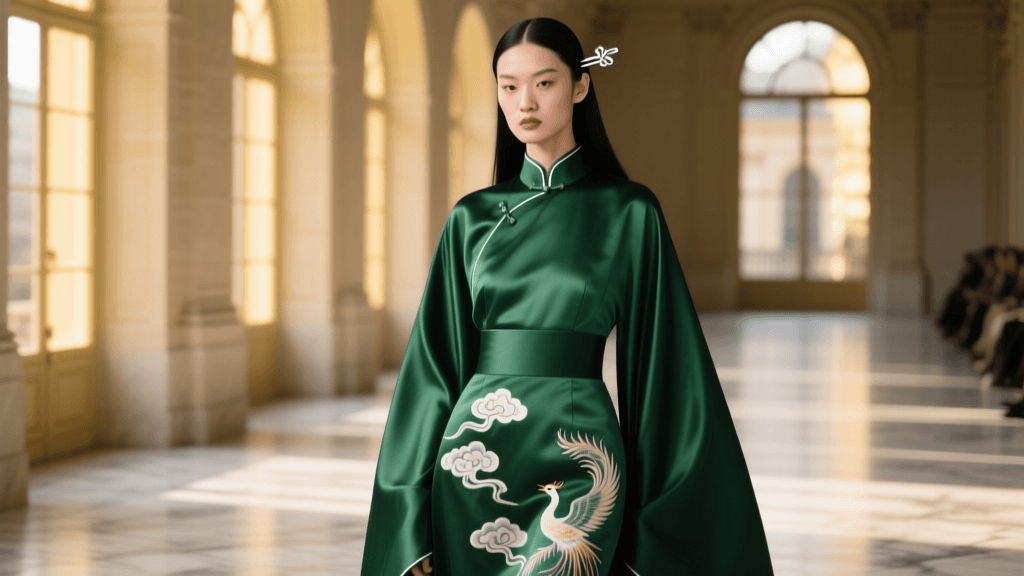
Originating in 1920s Shanghai, the cheongsam is a masterclass in structured tailoring. It features a high mandarin collar, asymmetrical side fastenings secured by intricate pankou (knotted buttons), and strategic side slits. It is the only garment of the three that relies on Western-style darts and seaming to hug the body's natural curves.
Stretch Brocades and Modular Designs
In 2026, the cheongsam has adapted to warming global climates and active lifestyles. The Metropolitan Museum of Art's Asian Art department has noted the historical evolution of Chinese silk, and today's market reflects this with the introduction of "stretch brocades." By weaving a 2% elastane thread into traditional jacquard looms, artisans have created cheongsams that offer the regal look of stiff brocade with the comfort of activewear. Furthermore, modular cheongsams featuring detachable collars and snap-in sleeves are trending for their versatility across seasons.
The 12-Point Bespoke Measurement System
A true bespoke cheongsam requires a rigorous 12-point measurement process. Key metrics include:
- Collar Stand Height: Must be measured precisely to avoid choking; a 2026 standard is 3.5 cm to 4 cm, allowing a finger's width of breathing room.
- Slit Placement: The side slit should begin exactly at the apex of the hip curve to ensure the skirt drapes flatly when walking, preventing unwanted exposure.
- Pankou Spacing: The knotted buttons must be spaced to distribute tension evenly across the chest, preventing the notorious "gaping" effect common in mass-produced, fast-fashion knockoffs.
2026 Garment Comparison Chart
Use this structured comparison to determine which garment best suits your upcoming event, body type, and budget.
| Feature | Kimono (Japan) | Hanbok (Korea) | Cheongsam (China) |
|---|---|---|---|
| Silhouette | T-shaped, cylindrical, structured | Volumetric, bell-shaped, high-waisted | Form-fitting, tailored, side-slits |
| Primary Fastening | Obi belt (tied/wrapped) | Goreum (fabric ties) | Pankou (knotted buttons) / hidden zippers |
| 2026 Trending Fabrics | Washable silk blends, bamboo-woven obi | Tencel, organic cotton, lightweight organza | Stretch brocade, sustainable bamboo-silk |
| Climate Suitability | Best for cool/temperate weather (layered) | Highly adaptable; breathable skirts for summer | Excellent for warm/humid climates (with slits) |
| Avg. Bespoke Cost (USD) | $3,000 - $8,000+ | $400 - $1,500 | $800 - $2,500 |
Modern Styling and Cultural Respect in 2026
Wearing traditional garments in a globalized 2026 society requires a balance of modern styling and deep cultural respect. The golden rule of heritage fashion is to avoid mixing ceremonial garments with casual streetwear in a way that mocks or degrades their historical significance.
Footwear and Accessory Pairings
- Kimono: For formal events, pair with traditional zori sandals and tabi socks. For a modern 2026 fusion look, minimalist leather mules or sleek ankle boots (worn with a shorter, casual komon kimono) are highly fashionable in Tokyo's Omotesando district.
- Hanbok: The daily hanbok pairs beautifully with chunky, architectural sneakers or modern loafers. Avoid wearing heavy, formal ceremonial crowns (jokduri) with casual daily hanbok; opt instead for subtle, modern hairpins.
- Cheongsam: Pointed-toe kitten heels remain the classic choice, but in 2026, pairing a midi-length stretch cheongsam with tailored, wide-leg trousers underneath is a massive trend in Shanghai and Singapore, offering both modesty and avant-garde style.
Ethical Sourcing and Avoiding Fast Fashion
As the demand for Asian traditional wear grows, so does the market for cheap, culturally inaccurate knockoffs. In 2026, conscious consumers are prioritizing ethical sourcing. When purchasing a cheongsam, seek out tailors who understand the structural integrity of the pankou knots rather than factories that simply glue faux-knots over hidden plastic zippers. For hanbok, support designers who source traditional Korean ramie and natural dyes, ensuring the survival of intangible cultural heritage techniques. For kimono, consider the thriving 2026 rental and vintage restoration markets in Japan, which promote circular fashion and preserve antique textiles that would otherwise degrade in storage.
Whether you are drawn to the wrapped elegance of the kimono, the sweeping grace of the hanbok, or the tailored precision of the cheongsam, understanding their structural DNA allows you to wear these masterpieces with the reverence and modern flair they deserve in 2026.