Kimono vs Hanbok vs Cheongsam: 2026 Fit & Style Guide
The global fashion landscape in 2026 has witnessed a profound renaissance of traditional Asian garments. No longer confined to ceremonial occasions or museum archives, the kimono, hanbok, and cheongsam (qipao) have been reimagined for contemporary wardrobes while retaining their deep cultural significance. For enthusiasts, collectors, and those seeking to integrate heritage wear into their daily rotation, understanding the structural, cultural, and stylistic differences between these three iconic garments is essential.
At The Garment Atlas, we believe that respectful appreciation begins with education. Whether you are sourcing a vintage silk kimono, commissioning a modern daily hanbok, or tailoring a form-fitting cheongsam, this comprehensive 2026 guide breaks down the architecture, fit, and styling of East Asia's most celebrated traditional dress.
The Architecture of Heritage: Silhouettes Compared
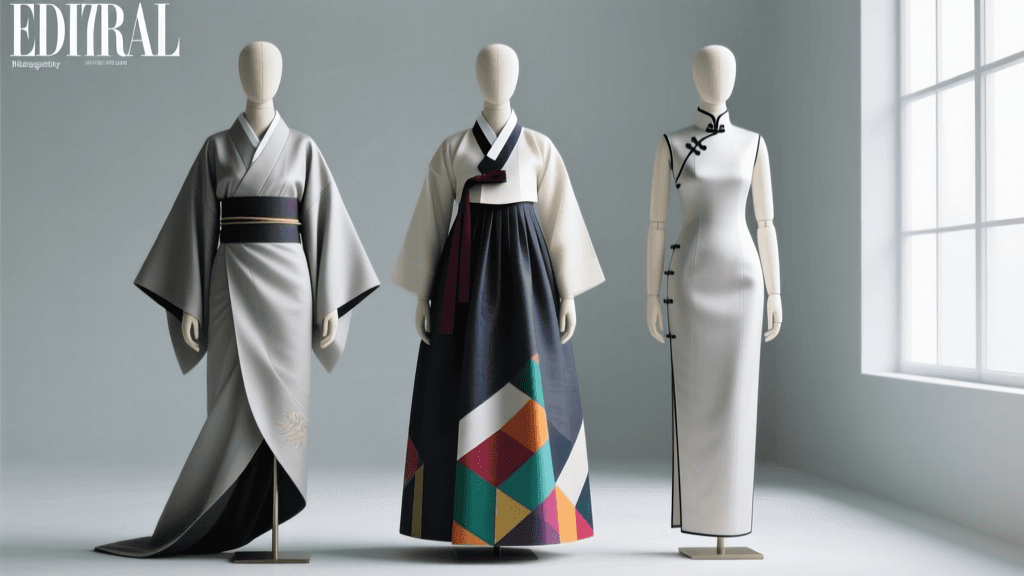
While Western fashion has historically relied on darting and tailoring to follow the contours of the human body, traditional Asian garments often prioritize the relationship between the fabric, the body, and the surrounding space. However, the execution of this philosophy varies wildly across Japan, Korea, and China.
Kimono: The Linear Canvas
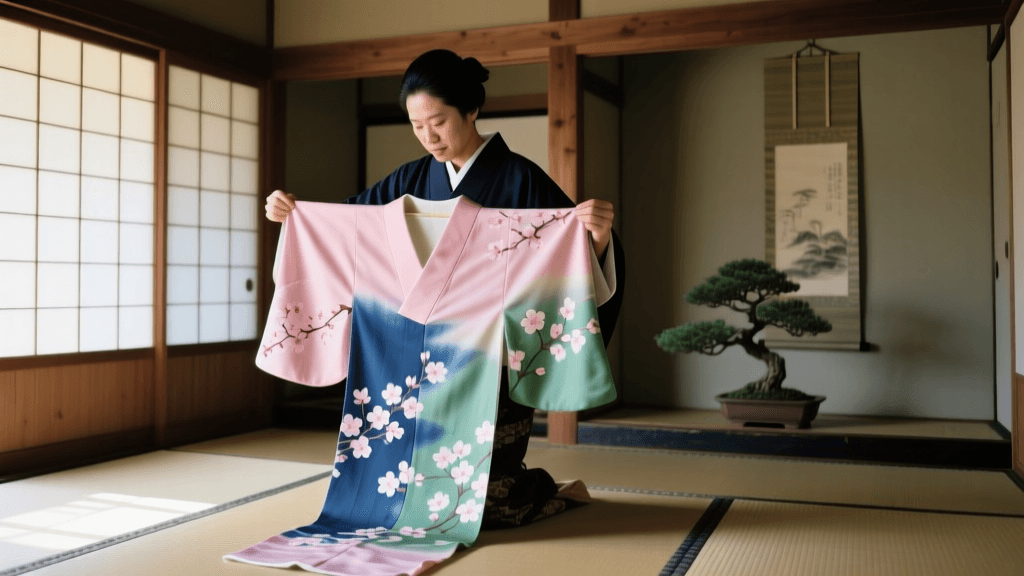
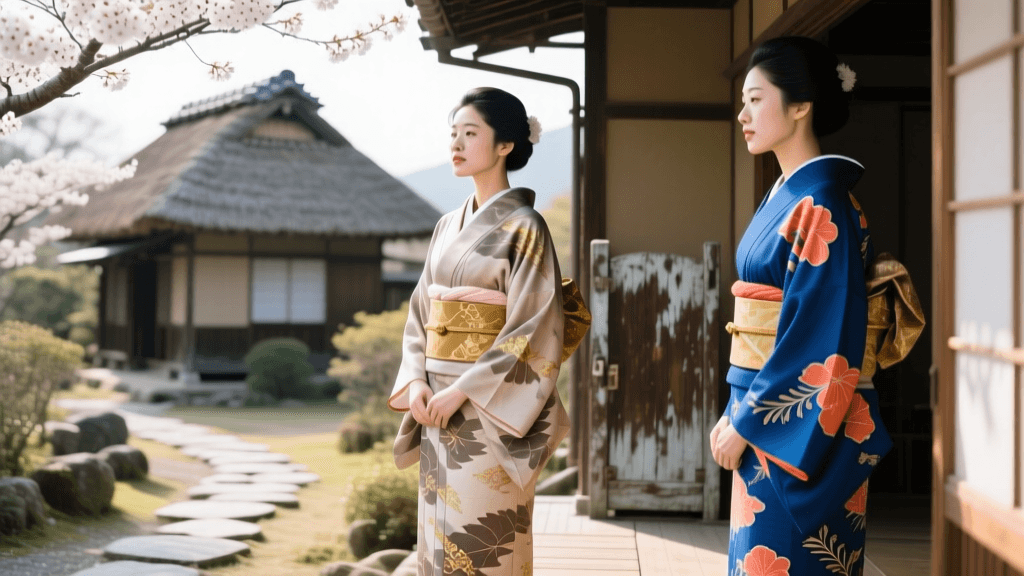
The Japanese kimono is fundamentally a T-shaped, linear garment constructed from flat panels of fabric. As noted by the Victoria and Albert Museum, the kimono's beauty lies not in its three-dimensional tailoring, but in its two-dimensional surface design and the intricate layering of textiles. The garment does not cling to the body; instead, it creates a cylindrical silhouette that is shaped and secured by the obi (sash). In 2026, the resurgence of upcycled vintage kimonos has popularized the haori (jacket) as a versatile outerwear piece that maintains this striking linear geometry without the restrictive binding of a full obi.
Hanbok: The Volumetric Bell
The Korean hanbok is defined by its dramatic use of volume and curved lines. The traditional silhouette features a slim, structured top (jeogori) contrasted against a massively voluminous, bell-shaped skirt (chima) for women, or wide, billowing trousers (baji) for men. The hanbok is designed to allow for ease of movement and to obscure the body's natural shape, reflecting historical Confucian ideals of modesty. According to Encyclopædia Britannica, the vibrant color palettes and sweeping curves of the hanbok are deeply tied to the Korean aesthetic of natural harmony and fluid motion.
Cheongsam: The Sculpted Line
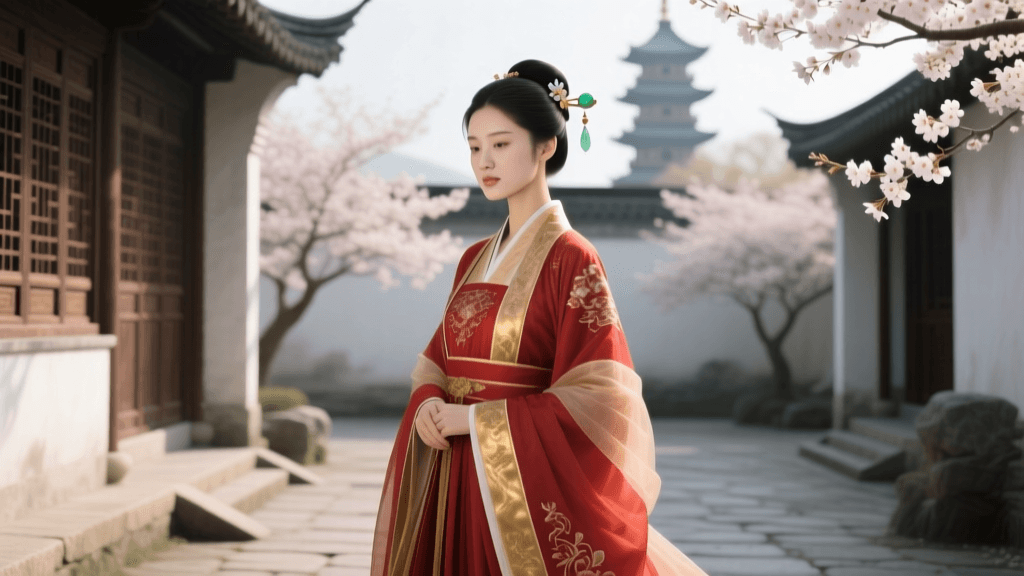
In stark contrast to the flat-cut kimono and the voluminous hanbok, the Chinese cheongsam (or qipao) is a masterclass in sculpted, form-fitting tailoring. Evolving significantly in the 1920s and 1930s, the modern cheongsam incorporates Western darting techniques to hug the bust, waist, and hips, while retaining traditional elements like the mandarin collar, asymmetric diagonal closures, and side slits. Britannica's guide to the qipao highlights how the garment represents a unique fusion of Eastern modesty and Western silhouettes, creating a sleek, elongated profile that remains highly relevant in 2026 formalwear and modern business attire.
Structural Comparison Chart
| Feature | Kimono (Japan) | Hanbok (Korea) | Cheongsam / Qipao (China) |
|---|---|---|---|
| Silhouette | T-shaped, linear, flat-cut | Bell-shaped, voluminous, curved | Form-fitting, darted, elongated |
| Key Components | Obi, juban, hanging sleeves | Jeogori, chima/baji, goreum | Mandarin collar, pankou, side slits |
| Fastening Method | Tied sash (Obi) | Tied ribbon (Goreum) | Frog buttons (Pankou) & hidden zippers |
| 2026 Textile Trend | Upcycled vintage silks & hemp blends | Eco-friendly daily wear & 3D-woven organza | Stretch brocades & modular detachable collars |
| Ideal Climate | Layered for winter; ro-silk for summer | Breathable ramie for summer; padded for winter | Mid-weight silks; sleeveless variants for heat |
Measurements and Tailoring Requirements in 2026
Commissioning or purchasing traditional garments requires a departure from standard Western sizing. If you are ordering a custom piece in 2026, you must provide specific, non-standard measurements to ensure an authentic and comfortable fit.
- Kimono Measurements: The most critical measurement is the yuki (the distance from the center back of the neck, over the shoulder, to the wrist). Unlike Western shirts, kimono sleeves are not measured from the shoulder seam. The length of the kimono is also calculated based on your height, allowing for the traditional ohashori (the fold at the waist that adjusts the hemline).
- Hanbok Measurements: For the women's chima, the waist measurement is taken much higher than the natural waist—usually just under the bust. The length is measured from this high waist down to the ankle bone. The jeogori requires precise armhole and chest measurements to ensure the stiff collar sits perfectly flat against the collarbone without gaping.
- Cheongsam Measurements: The qipao requires the most exhaustive list of measurements. A master tailor will require over 20 distinct data points, including the apex of the bust, the exact placement of the side slits (usually measured from the floor up to ensure modesty when seated), and the circumference of the mandarin collar to prevent choking or sagging.
Sourcing and Textile Innovations
The year 2026 has brought remarkable advancements in sustainable heritage textiles. Consumers are increasingly demanding transparency and eco-conscious production methods, leading to a shift in how these garments are sourced.
For the kimono, the market has seen a massive surge in the remaking of vintage silks. Artisans in Kyoto and Tokyo are deconstructing post-war kimonos, cleaning the silk, and reweaving it into modern haori and two-piece sets. This circular fashion approach preserves historical dyeing techniques like yuzen and shibori without the environmental toll of new silk production.
In South Korea, the saenghwal hanbok (daily hanbok) movement has matured. Designers are utilizing lab-grown peace silk and recycled PET organza to create the signature voluminous skirts without the heavy environmental footprint of traditional sericulture. These modern fabrics are machine-washable, addressing the primary historical complaint regarding hanbok maintenance.
For the cheongsam, the integration of micro-stretch fibers into traditional jacquard and brocade weaves has revolutionized the fit. Historically, a silk qipao restricted movement and was prone to tearing at the seams. The 2026 iterations offer the same lustrous, ornate appearance but provide the kinetic flexibility required for modern urban commuting.
Modern Styling: Respectful Integration
Wearing traditional garments outside of their native cultural contexts requires a mindful approach. The goal in 2026 is cultural appreciation—honoring the garment's origins and construction—rather than treating it as a costume. Here is how to style these pieces respectfully and elegantly today.
Styling the Kimono
For everyday wear, the haori is the most accessible entry point. Treat a vintage haori like a tailored blazer or an open duster coat. Pair it with a high-neck merino wool sweater, wide-leg tailored trousers, and leather loafers. Avoid mixing the haori with garments that mimic traditional underlayers (like the juban) unless you are committing to the full, traditional kitsuke (dressing) process.
Styling the Hanbok
The modernized daily hanbok separates are incredibly versatile. A cropped, contemporary jeogori can be worn over a simple slip dress or paired with high-waisted denim. Conversely, the voluminous chima skirt can be grounded with a fitted, modern turtleneck and ankle boots. The key is to let the structural volume of the hanbok piece be the focal point of the outfit, keeping accessories minimal and contemporary.
Styling the Cheongsam
The cheongsam is inherently formal, but it can be dressed down for the modern workplace. Opt for a sleeveless, knee-length qipao in a muted, matte fabric like crepe or cotton-linen blends. Layer it under an oversized, unstructured wool blazer, allowing the mandarin collar and the delicate pankou (frog buttons) to peek through. Pair with sleek, pointed-toe flats or low block heels to maintain the garment's elongated visual line.
Ceremonial Significance and Etiquette
While daily wear adaptations are thriving, the ceremonial roots of these garments remain sacred. When attending traditional weddings, tea ceremonies, or Lunar New Year celebrations, it is vital to adhere to specific etiquette.
'Heritage garments are not merely clothing; they are woven archives of history, social status, and philosophical ideals. To wear them is to carry the weight and beauty of that history on your shoulders.'
— 2026 Global Textile Heritage Report
For instance, in Japanese culture, the left side of the kimono must always cross over the right; crossing right over left is strictly reserved for dressing the deceased. In Korean culture, the placement and color of the goreum (ribbons) on a hanbok can indicate marital status and age. In Chinese culture, the motifs embroidered on a cheongsam—such as peonies for wealth or cranes for longevity—carry specific blessings that should be respected and understood by the wearer.
Conclusion
The kimono, hanbok, and cheongsam represent three distinct philosophies of dress: the linear canvas, the volumetric bell, and the sculpted line. As we navigate 2026, the intersection of heritage craftsmanship and modern sustainable innovation has made these garments more accessible and wearable than ever before. By understanding their unique tailoring requirements, structural differences, and cultural contexts, you can build a wardrobe that not only looks extraordinary but also honors the profound Asian traditions from which these masterpieces originate.