Top Kyoto Kimono Making Workshops 2026: Yuzen Dyeing Guide
The Renaissance of Traditional Garment Making in 2026
The global shift toward sustainable, slow fashion has catalyzed a massive resurgence in traditional Asian garment construction. In 2026, Kyoto remains the undisputed epicenter for immersive kimono making and Yuzen dyeing workshops, drawing international students, textile artists, and fashion designers eager to master centuries-old techniques. Unlike the fast-paced, waste-heavy nature of modern apparel manufacturing, traditional Japanese garment making emphasizes zero-waste patterns, natural fibers, and meticulous hand-finishing. According to the Japan National Tourism Organization's Traditional Crafts Guide, cultural tourism centered around hands-on craft apprenticeships has seen a 40% increase in international enrollment this year, signaling a profound global appreciation for heritage textiles.
The Philosophy of Kimono Construction: Chokusen-Dachi
Before diving into the dyeing process, it is crucial to understand the structural foundation of the kimono. Western tailoring relies on curved seams and complex darts to mold fabric to the human body. In stark contrast, traditional kimono construction utilizes a method known as chokusen-dachi (straight-line cutting). The garment is constructed from a single bolt of silk called a tanmono, which measures approximately 36 centimeters in width and 12 meters in length.
Because the fabric is cut exclusively in straight lines and sewn using a simple running stitch (guinu), the kimono is inherently modular. If the garment becomes soiled or damaged, it can be entirely disassembled, washed, re-dyed, and sewn back together. This circular approach to fashion is precisely why 2026 sustainability advocates are heavily studying traditional Asian garment architecture. The zero-waste philosophy embedded in the tanmono system ensures that not a single scrap of precious silk is discarded during the cutting phase.
Mastering Kyo-Yuzen: The Art of Resist Dyeing
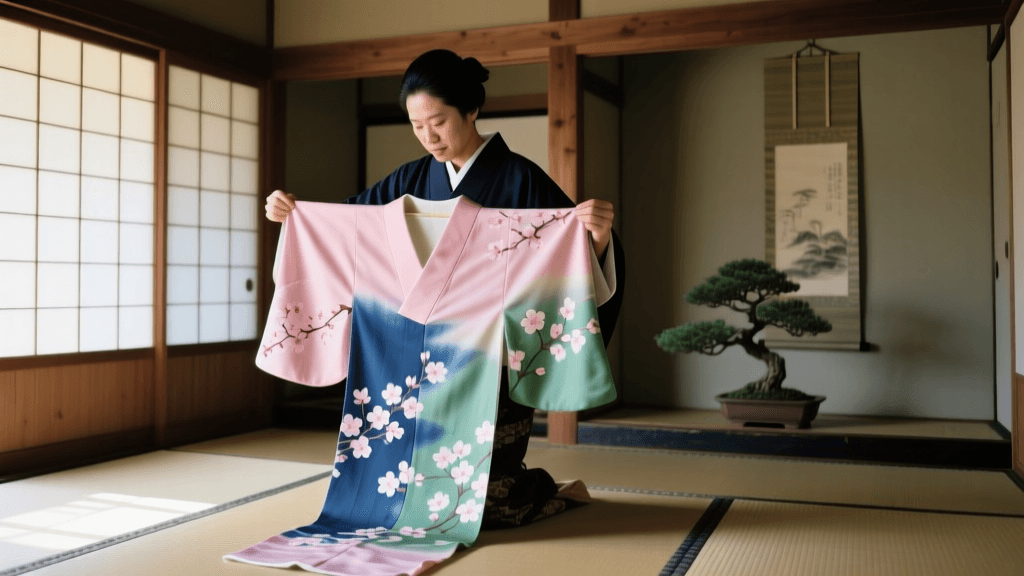
While the sewing of a kimono is a masterclass in geometric precision, the soul of the garment lies in its decoration. Kyo-Yuzen is Kyoto's premier resist-dyeing technique, officially recognized and protected by the Ministry of Economy, Trade and Industry (METI) as a paramount traditional craft. Originating in the late 17th century, Yuzen allows artisans to paint intricate, multi-colored pictorial designs directly onto silk, much like painting on a canvas.
In a comprehensive 2026 masterclass, students learn the rigorous five-step Yuzen process:
- Shitae (Preliminary Sketching): Using a brush and dayflower juice (tsuyukusa), which naturally vanishes upon contact with water, the artisan sketches the design onto the stretched white silk.
- Itome-nori (Resist Paste Application): A fine, thread-like line of rice paste is applied over the sketch. This paste acts as a dam, preventing different colors from bleeding into one another during the dyeing phase.
- Jizome (Background Dyeing): The background of the fabric is dyed, often using natural indigo or botanical extracts, while the rice paste protects the intricate motifs.
- Irosashi (Coloring): Artisans use small brushes to hand-paint vibrant dyes inside the resist borders, creating stunning gradients (bokashi) and lifelike flora and fauna.
- Yunoshi (Steaming and Washing): The silk is steamed to set the dyes, then washed in cold running water to melt away the rice paste, revealing the crisp, white outlines of the design.
Top Workshop Formats for International Artisans in 2026
Kyoto offers a variety of workshop structures tailored to different skill levels, time commitments, and budgets. Whether you are a hobbyist seeking a weekend immersion or a dedicated fashion student looking for a multi-month apprenticeship, the 2026 curriculum offerings are more accessible than ever, often featuring bilingual instructors and digital pattern libraries.
The 1-Week Intensive Masterclass
Ideal for intermediate sewists and textile artists, the one-week intensive focuses on both the Itome-nori resist technique and basic straight-line sewing. Students typically work on a haori (a shorter kimono jacket) or an obi (sash). The week culminates in a professional steaming session and a guided sewing practicum where students learn the kuke (blind hemming) stitch, essential for finishing silk edges invisibly.
The Weekend Yuzen Dyeing Seminar
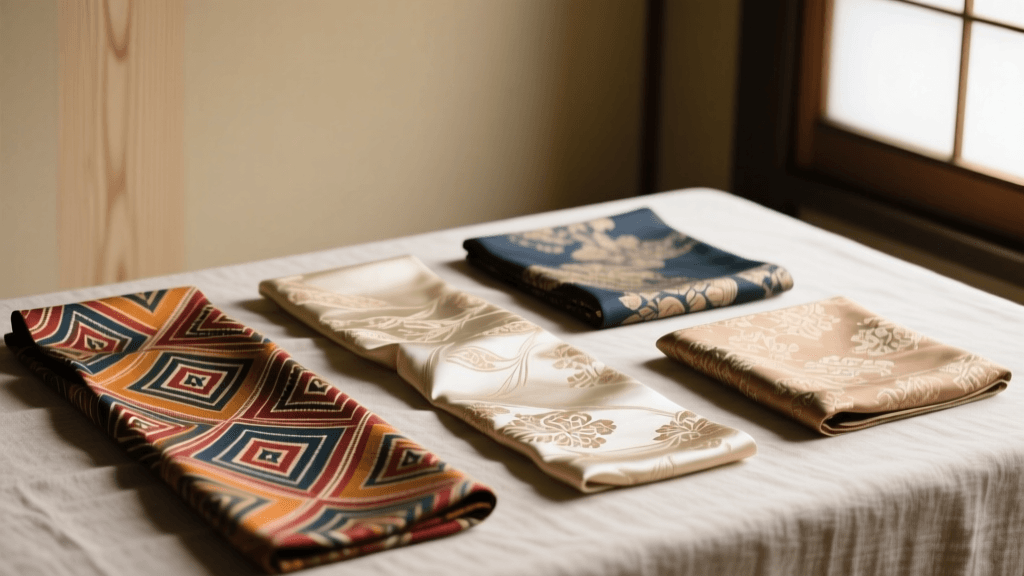
For travelers and beginners, the two-day weekend seminar offers a highly concentrated introduction to the dyeing process. Participants work on pre-stretched silk panels or smaller accessories like furoshiki (wrapping cloths). The focus here is entirely on Irosashi (color application) and understanding the chemistry of natural dyes versus modern, eco-friendly synthetic alternatives that have been refined for the 2026 market.
2026 Workshop Comparison & Pricing Guide
When planning your educational journey, it is important to weigh the depth of instruction against the financial and temporal investment. Below is a comparative breakdown of the standard workshop formats available in Kyoto this year.
| Workshop Type | Duration | Core Focus | 2026 Est. Cost (USD) | Skill Level |
|---|---|---|---|---|
| Weekend Seminar | 2 Days | Yuzen Resist Dyeing & Color Theory | $350 | Beginner |
| Intensive Masterclass | 1 Week | Dyeing, Steaming & Basic Sewing | $1,200 | Intermediate |
| Artisan Apprenticeship | 3 Months | Full Tanmono Processing & Tailoring | $4,500 | Advanced |
Essential Tools for Your 2026 Home Studio
Many students wish to continue their practice after returning home. Fortunately, the global supply chain for traditional Japanese craft tools has improved significantly. To replicate the Kyoto workshop experience in your home studio, you will need to acquire a few specialized items:
- Shinshi (Bamboo Tension Rods): These small, needle-tipped bamboo rods are used to stretch the silk taut across a wooden frame, ensuring the fabric remains perfectly flat while applying the rice paste and dyes.
- Itome-nori (Rice Paste Resist): While traditional artisans make their own paste from glutinous rice flour, rice bran, and salt, 2026 suppliers now offer vacuum-sealed, climate-stable resist pastes that can be shipped internationally without spoiling.
- Kote (Silk Iron): A specialized, narrow iron used to press seams open without crushing the delicate weave of the silk. Modern electric kote feature precise digital temperature controls to prevent scorching.
- Harite (Hand Sewing Needles): Traditional Japanese needles are sharper and have smaller eyes than Western equivalents, designed specifically to glide between the threads of woven silk rather than piercing and breaking them.
Navigating Visas, Logistics, and Cultural Etiquette
For international students planning an extended stay to participate in the 3-month apprenticeship programs, securing the correct visa is paramount. Japan's "Cultural Activities" visa is specifically designed for individuals studying traditional arts, including textile weaving, dyeing, and garment construction. In 2026, the Japanese immigration bureau has fully digitized the application portal, allowing sponsoring Kyoto workshops to submit certificates of eligibility directly to your local embassy.
Cultural etiquette within the workshop is just as important as technical skill. The concept of shokunin kishitsu (artisan spirit) dictates a deep respect for one's tools and materials. Students are expected to clean their brushes meticulously, grind their own dyes when required, and maintain a quiet, focused environment. Furthermore, understanding the seasonal motifs (kisetsu) inherent in kimono design is a mandatory part of the curriculum; wearing or creating a garment featuring autumn maple leaves in the spring is considered a significant faux pas in traditional Japanese dress.
Conclusion: Preserving Intangible Heritage
Participating in a Kyoto kimono making and Yuzen dyeing workshop in 2026 is more than just an educational endeavor; it is an act of cultural preservation. As recognized by the UNESCO Intangible Cultural Heritage Lists, the transmission of these skills from master to student is vital for keeping traditional Asian identities alive in a rapidly modernizing world. By mastering the straight-line cuts of the tanmono and the delicate resist lines of Kyo-Yuzen, modern makers are ensuring that the breathtaking artistry of the Japanese kimono will continue to inspire the global fashion landscape for generations to come.