Kimono vs Hanbok vs Cheongsam: 2026 Fit & Cost Guide
The Renaissance of Asian Heritage Garments in 2026
The global fashion landscape in 2026 has embraced heritage garments not merely as museum pieces, but as living, breathing components of modern wardrobes. No longer confined to historical reenactments or strictly formal domestic ceremonies, the Japanese kimono, Korean hanbok, and Chinese cheongsam (qipao) are being reimagined by a new generation of global citizens. For collectors, diaspora communities, and cultural enthusiasts, understanding the nuanced differences in silhouette, construction, and modern market pricing is essential. This comprehensive guide breaks down the structural DNA of these three iconic garments, offering actionable advice on sourcing, tailoring, and styling them for the modern era.
The Japanese Kimono: Structured Elegance and Linear Geometry
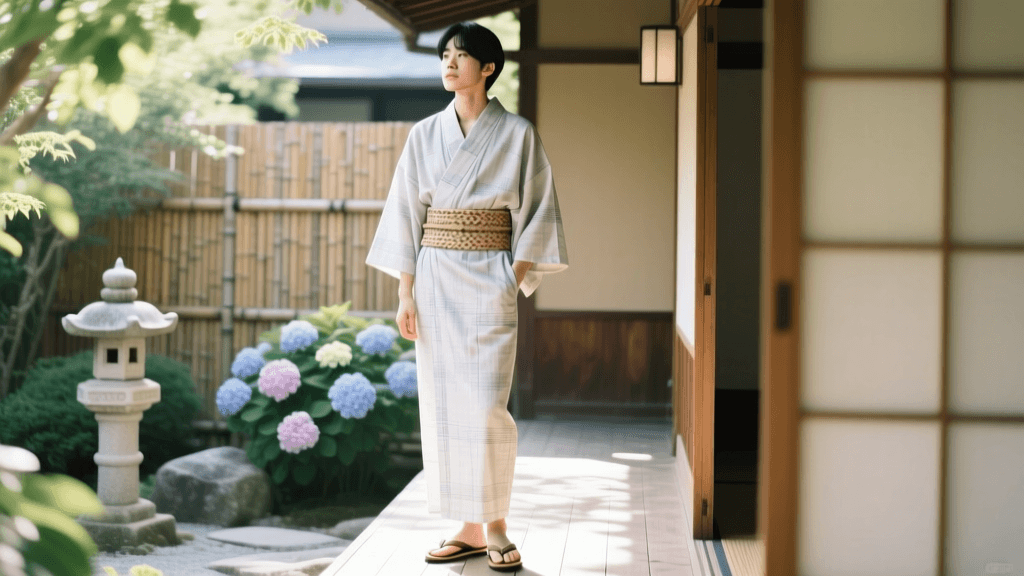
The kimono is defined by its T-shaped, straight-seamed construction. Unlike Western garments that are cut to follow the curves of the body, the kimono is a flat, rectangular canvas that wraps around the wearer, creating a cylindrical silhouette. The beauty of the kimono lies not in its tailoring to the body, but in the drape of the fabric, the artistry of the dyeing techniques (such as yuzen or shibori), and the intricate folding of the obi (sash).
In 2026, the kimono market has bifurcated into two distinct streams: the vintage revival and the modern sustainable weave. Authentic vintage silk kimonos from the Showa era remain highly sought after, with premium pieces featuring hand-painted motifs retailing between $400 and $1,200 in specialized Tokyo boutiques and international online archives. Conversely, modern 2026 collections are increasingly utilizing washable silk blends and cruelty-free peace silk, catering to buyers who demand practical maintenance without sacrificing heritage aesthetics. According to the Kyoto Costume Institute, the preservation of these historical textile techniques is now being paired with modern, climate-responsive linings that make wearing multiple layers feasible even during warmer months.
Actionable Styling for 2026
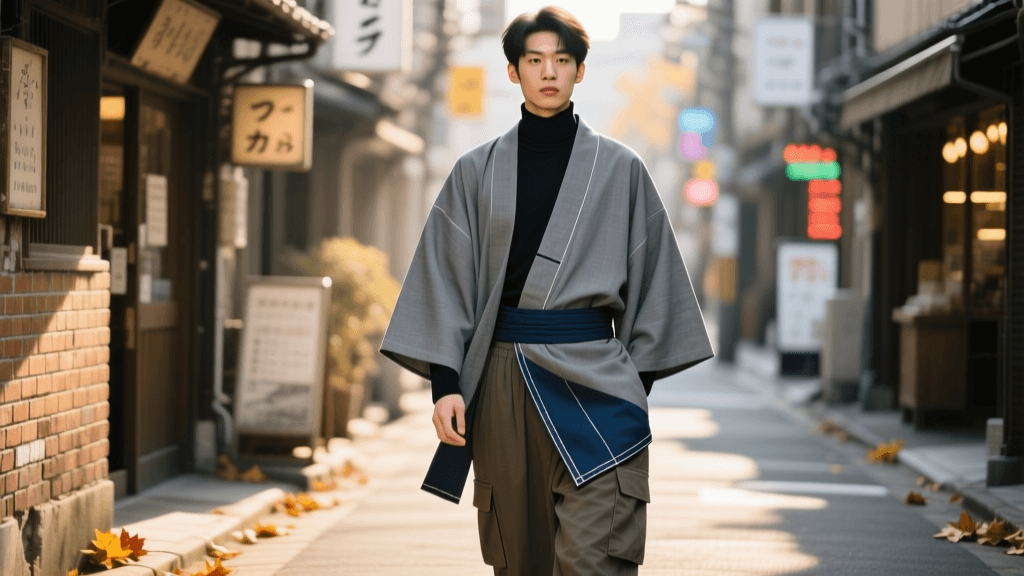
To modernize the kimono for daily wear, pair a subtle komon (repeating pattern) kimono with a minimalist, structured leather obi belt instead of the traditional brocade. Footwear has also evolved; while traditional zori sandals remain standard for ceremonies, modern practitioners frequently pair casual kimonos with sleek, low-profile leather boots or architectural loafers.
The Korean Hanbok: Voluminous Grace and High-Waisted Fluidity
The hanbok is characterized by its vibrant colors, simple lines without pockets, and a dramatic contrast between a fitted upper garment and a voluminous lower skirt or trousers. For women, the traditional ensemble consists of the jeogori (jacket) and the chima (wrap-around skirt). For men, it comprises the jeogori and baji (baggy trousers). The defining feature of the hanbok is its high waistline, which sits just below the bust, allowing the chima to cascade gracefully to the floor and providing an illusion of elongated lower proportions.
The 2026 fashion scene has fully embraced the 'Saenghwal Hanbok' (daily hanbok) movement. Designers have cropped the jeogori even further for a contemporary silhouette and introduced lightweight, breathable Tencel and organic cotton blends. A high-quality, ready-to-wear modern hanbok set from a reputable Seoul-based designer currently ranges from $150 to $350. Custom ceremonial hanboks, featuring intricate gold-leaf (geumbak) stamping and premium silk ramie, can easily exceed $1,500. The Metropolitan Museum of Art's Asian Art archives highlight how the historical evolution of the hanbok's silhouette reflects broader socio-cultural shifts in Korea, a narrative that modern designers are actively referencing in their 2026 lookbooks.
Actionable Styling for 2026
When wearing a modern chima, ensure the waistband is positioned exactly two inches above your natural waist to maintain the traditional proportions. For a contemporary evening look, swap the traditional dongjeong (white paper collar) for a detachable, embroidered silk collar, and accessorize with a modern minimalist norigae (pendant) crafted from brushed brass or recycled glass.
The Chinese Cheongsam: Sculptural Form and Bespoke Tailoring
The cheongsam, widely known in the West as the qipao, is a masterclass in sculptural tailoring. Originating in the 1920s as a modernization of Manchu dress, the contemporary cheongsam is form-fitting, featuring a high mandarin collar, asymmetrical side fastenings secured by pankou (knotted buttons), and strategic side slits for mobility. Unlike the kimono and hanbok, which obscure the body's natural shape, the cheongsam celebrates it, requiring precise, bespoke measurements to achieve its signature sleek silhouette.
In 2026, Shanghai and Hong Kong remain the epicenters of bespoke qipao tailoring, though a new wave of diaspora designers in London and New York has popularized the 'daily qipao.' This modern iteration utilizes stretch-crepe, washed linen, and even smart-fabrics that regulate body temperature. A custom-tailored silk cheongsam from an established master tailor in Shanghai will cost between $800 and $2,500 in 2026, reflecting the dozens of hours required for hand-rolled hems and custom-knotted pankou. Ready-to-wear linen versions designed for office or casual wear are widely available for $120 to $250. The Victoria and Albert Museum notes that the cheongsam's evolution represents one of the most significant intersections of Eastern heritage and Western tailoring techniques in modern fashion history.
Actionable Styling for 2026
The key to a comfortable daily qipao is the slit placement and fabric stretch. Ensure the side slits begin no higher than the mid-thigh for professional environments. Pair a sleeveless, midi-length linen cheongsam with a lightweight, oversized cashmere cardigan during transitional weather, and opt for block-heeled mules to complement the garment's vertical lines.
Comparative Matrix: Kimono vs. Hanbok vs. Cheongsam
| Feature | Kimono (Japan) | Hanbok (Korea) | Cheongsam / Qipao (China) |
|---|---|---|---|
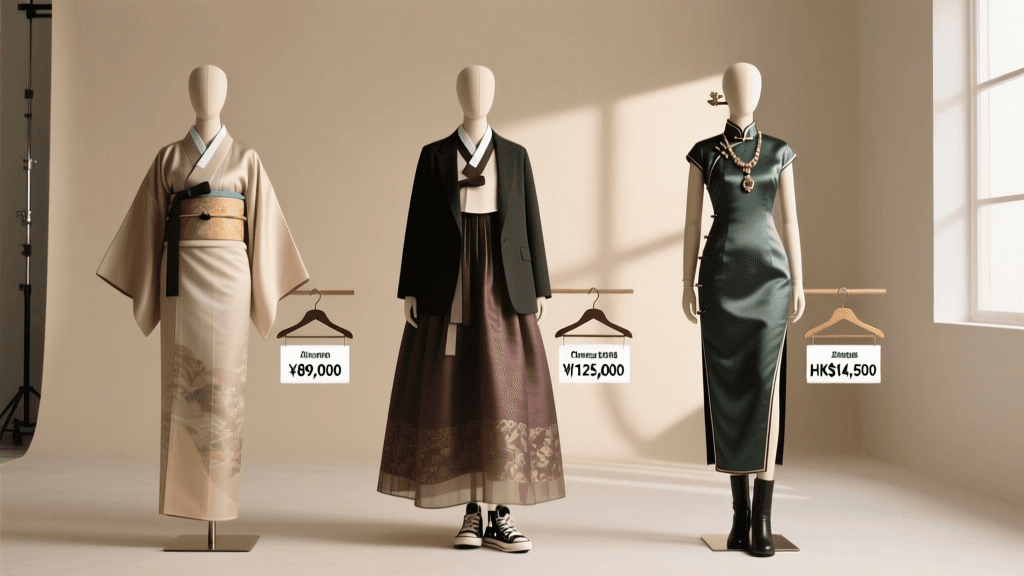
| Silhouette | Cylindrical, T-shaped, straight seams | Voluminous, high-waisted, A-line skirt | Form-fitting, sculptural, side slits |
| Fastening | Obi (sash) and ties | Goreum (ribbon ties), side hooks | Pankou (knotted buttons), hidden zippers |
| 2026 Avg. Cost | $150 (Vintage) - $1,200 (Modern Silk) | $150 (Ready-to-wear) - $1,500 (Bespoke) | $120 (Linen RTW) - $2,500 (Bespoke Silk) |
| Best 2026 Occasion | Tea ceremonies, gallery openings, weddings | Chuseok, palace visits, modern galas | Cocktail parties, diplomatic events, daily office wear |
2026 Fabric Innovations and Sustainability
In 2026, sustainability is no longer a niche concern but a central pillar of heritage garment production. Traditional sericulture is being supplemented by lab-grown spider silk blends and regenerative agricultural cottons. For the cheongsam, stretch-crepes made from recycled ocean plastics have become a staple for daily-wear brands in Shenzhen and Taipei. Meanwhile, Japanese weavers in Kyoto are pioneering waterless dyeing techniques for their yuzen silks, drastically reducing the environmental footprint of formal kimono production. When shopping, look for the 2026 Heritage Eco-Label, a newly established certification that guarantees both traditional construction methods and modern environmental standards.
Sizing, Tailoring, and Authentic Sourcing in 2026
Purchasing traditional garments requires a departure from standard Western sizing charts. Here is a practical guide to measuring and sourcing for each garment this year:
- Kimono Sizing: Kimonos are generally sold based on length rather than width, as the width is adjusted during the wrapping process. Measure from the base of your neck to your ankle. A standard vintage kimono will fit a height range of about 5'2' to 5'6'. If you are taller, you must seek out modern 'tall-size' kimono makers or wear the garment with a deeper fold at the waist (the ohashori).
- Hanbok Measurements: The critical measurement for the chima is the upper chest circumference, not the natural waist, because the skirt ties just below the bust. Ensure you provide your tailor with your shoulder-to-bust and bust-to-floor measurements to guarantee the hem grazes the floor perfectly when wearing your intended footwear.
- Cheongsam Tailoring: The qipao requires at least 12 distinct measurements, including the circumference of the neck, upper arm, bust, waist, hips, and the precise distance between the collarbone and the bust apex. When ordering online in 2026, always request a video consultation with the tailor to demonstrate your posture, as a forward-leaning stance requires a different back-panel cut to prevent the collar from gaping.
Conclusion
Whether you are drawn to the linear artistry of the Japanese kimono, the sweeping volume of the Korean hanbok, or the bespoke sculptural elegance of the Chinese cheongsam, 2026 offers more accessible and innovative ways than ever to integrate these garments into your life. By understanding their unique structural requirements, respecting their cultural origins, and leveraging modern textile advancements, you can build a heritage wardrobe that is both historically resonant and distinctly contemporary.