Kimono vs Hanbok vs Cheongsam: A 2026 Comparison
Introduction to Asia's Iconic Silhouettes in 2026
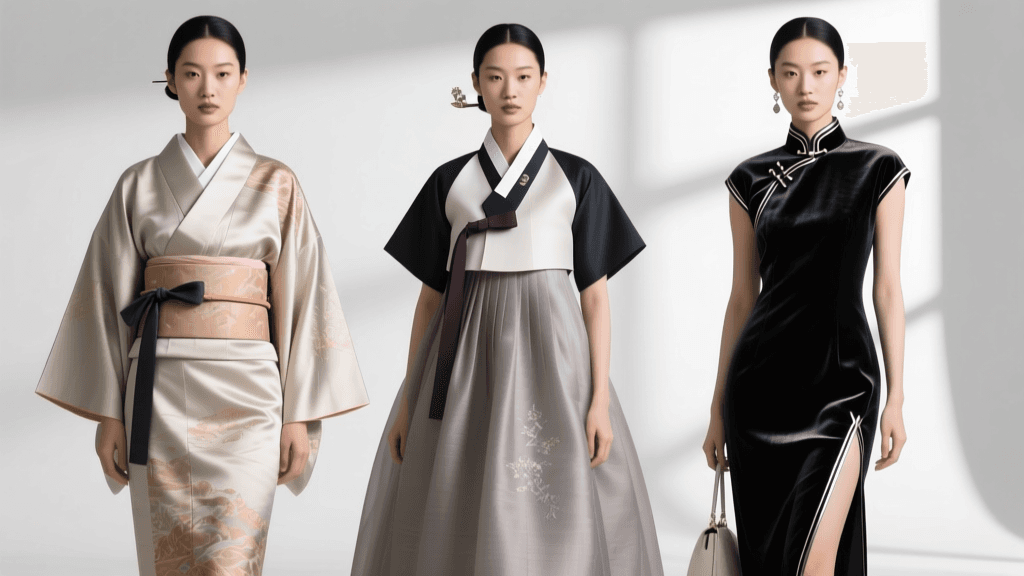
The landscape of traditional Asian fashion has undergone a remarkable renaissance as we navigate through 2026. No longer confined strictly to historical reenactments or rigid ceremonial obligations, the kimono of Japan, the hanbok of Korea, and the cheongsam (qipao) of China have firmly established themselves as dynamic, living garments. Today's designers and wearers are reimagining these iconic silhouettes, blending centuries-old construction techniques with cutting-edge 2026 textile innovations. Whether you are a textile collector, a fashion historian, or someone looking to incorporate traditional Asian garments into your modern wardrobe, understanding the structural and stylistic nuances of these three distinct forms is essential.
In this comprehensive guide, we will dissect the architectural differences, modern styling applications, and the latest fabric technologies defining the kimono, hanbok, and cheongsam in 2026. By comparing their unique approaches to the human form, we can better appreciate how each garment reflects the cultural philosophy of its origin while adapting to the demands of contemporary global fashion.
The Kimono: Linear Elegance and Architectural Layering
The Japanese kimono is fundamentally an exercise in linear geometry and two-dimensional construction. Unlike Western tailoring, which cuts fabric to follow the curves of the body, the kimono is constructed from straight bolts of fabric (tanmono) with minimal cutting, resulting in a T-shaped silhouette that wraps around the wearer. The aesthetic focus is not on the physical body beneath, but on the surface of the garment and the artistry of the layering.
In 2026, the kimono continues to be celebrated for its modular nature. The haori (a shorter, open-front jacket) has become a staple in global streetwear, frequently layered over contemporary turtlenecks and wide-leg trousers. According to the Victoria and Albert Museum's comprehensive archives on kimono evolution, the garment's historical adaptability is precisely what allows it to remain relevant on modern catwalks. Today's wearers are increasingly opting for washable, high-tech silk alternatives and sustainably dyed vintage upcycles, making the kimono more accessible for daily wear than it has been in decades.
The primary structural anchor of the kimono is the obi, a wide sash that secures the garment and provides a canvas for intricate knotting (musubi). In 2026, pre-tied, modular obi with hidden magnetic clasps have revolutionized the wearing experience, reducing the dressing time from over forty minutes to under ten, without sacrificing the volumetric beauty of the traditional taiko musubi knot.
The Hanbok: Volumetric Curves and Kinetic Movement
In stark contrast to the linear restraint of the kimono, the Korean hanbok is defined by its dramatic volumetric curves and kinetic movement. The traditional women's hanbok consists of the jeogori (a short, cropped jacket) and the chima (a full, high-waisted wrap skirt). The men's counterpart pairs the jeogori with baji (roomy, tied trousers). The silhouette is characterized by a tight upper body and an explosively full lower half, creating a bell-like shape that glides gracefully with the wearer's movements.
The visual impact of the hanbok relies heavily on obangsaek (the traditional Korean five-color spectrum) and the interplay of contrasting hues between the jeogori and chima. In 2026, the 'modern hanbok' movement has pushed these boundaries, utilizing lightweight, bio-luminescent organzas and aerogel-insulated linings for winter wear. The high waistline of the chima is particularly flattering and aligns seamlessly with contemporary preferences for elevated waistlines and flowing skirts.
The goreum, the long, flowing ribbon used to tie the jeogori, has been reimagined by 2026 designers as detachable, asymmetrical statement pieces. Furthermore, the integration of the hanbok into global pop culture and high fashion has led to the creation of 'fusion hanbok'—garments that maintain the iconic curved sleeve (baerae) and volumetric skirt but utilize modern zippers and elasticized waistbands for unprecedented ease of wear.
The Cheongsam: Form-Fitting Tailoring and Fluidity
Where the kimono obscures the body and the hanbok creates a new volumetric shape, the Chinese cheongsam (or qipao) is designed to celebrate and follow the natural contours of the wearer. Originating in the 1920s as a modernization of Manchu robes, the cheongsam is a masterclass in form-fitting tailoring. It features a high Mandarin collar, a diagonally asymmetrical front opening secured by pankou (knotted frog closures), and strategic side slits that allow for ease of movement while maintaining a sleek, columnar silhouette.
The Metropolitan Museum of Art's Asian Art textile collections highlight the cheongsam's historical significance as a symbol of modern femininity and urban sophistication. In 2026, this sophistication has been amplified by 3D-knitting technologies and stretch brocades. Modern cheongsams are no longer restricted to rigid, unforgiving silks; they are crafted from smart-textiles that offer four-way stretch, temperature regulation, and wrinkle resistance, making them the ultimate garment for the modern professional or the high-society gala.
The side slits of the cheongsam, which historically allowed for ease of walking, are now utilized as dramatic design elements, often layered over contrasting silk slips or tailored trousers. The pankou closures, once purely functional, are now crafted from laser-cut acrylics, precious metals, and even sustainable resins, serving as intricate, jewel-like focal points along the collar and shoulder.
Structural and Styling Comparison Chart
To fully grasp the distinctions between these three iconic garments, it is helpful to view their structural elements side-by-side. The following table outlines the core differences in construction, fastening, and contemporary styling as of 2026.
| Feature | Kimono (Japan) | Hanbok (Korea) | Cheongsam / Qipao (China) |
|---|---|---|---|
| Primary Silhouette | Linear, T-shaped, cylindrical | Volumetric, bell-shaped, high-waisted | Form-fitting, columnar, tailored |
| Construction Method | Straight seams, minimal cutting, 2D wrapping | Curved sleeves, gathered skirts, 3D volume | Darts, tailored seams, 3D body contouring |
| Primary Fastening | Obi (wide sash) and hidden ties (koshihimo) | Goreum (front ribbon tie) | Pankou (frog knots) and hidden side zippers |
| 2026 Fabric Trends | Washable Nishijin-ori, upcycled vintage silks | Bio-organza, aerogel winter linings | 4-way stretch brocade, 3D-knitted blends |
| Modern Styling | Haori over streetwear, modular obi belts | Fusion skirts with Western tops, cropped jeogori | Layering over trousers, modular detachable collars |
Textile Innovations and Preservation in 2026
The year 2026 marks a critical intersection between hyper-modern textile science and the urgent preservation of ancient crafting techniques. As mass production threatens traditional hand-weaving, organizations and governments are leveraging technology to protect these cultural assets. The UNESCO Intangible Cultural Heritage lists continue to play a vital role in safeguarding practices like Japanese yuki-tsumugi (silk floss weaving) and Korean mosi (ramie weaving), ensuring that the foundational textiles of these garments survive for future generations.
Simultaneously, laboratory innovations are providing ethical and sustainable alternatives to traditional materials. Lab-grown spider silk blends are being utilized in high-end kimono and cheongsam production, offering the luster and drape of premium mulberry silk with a fraction of the water and carbon footprint. For the hanbok, advancements in digital dyeing allow for the vibrant, color-fast obangsaek palettes without the toxic runoff associated with historical synthetic dyes.
Care and Maintenance for the Modern Wearer
Owning a traditional garment in 2026 requires a blend of old-world respect and new-world convenience. While vintage silk kimonos and heavily embroidered cheongsams still require professional, specialized dry cleaning, the market for 'care-free' traditional wear has exploded. Ultrasonic cleaning cabinets, now a common household appliance in many Asian metropolises, use high-frequency sound waves and specialized steam to sanitize and de-wrinkle delicate hanbok organzas and kimono silks without the harsh chemicals of traditional dry cleaning.
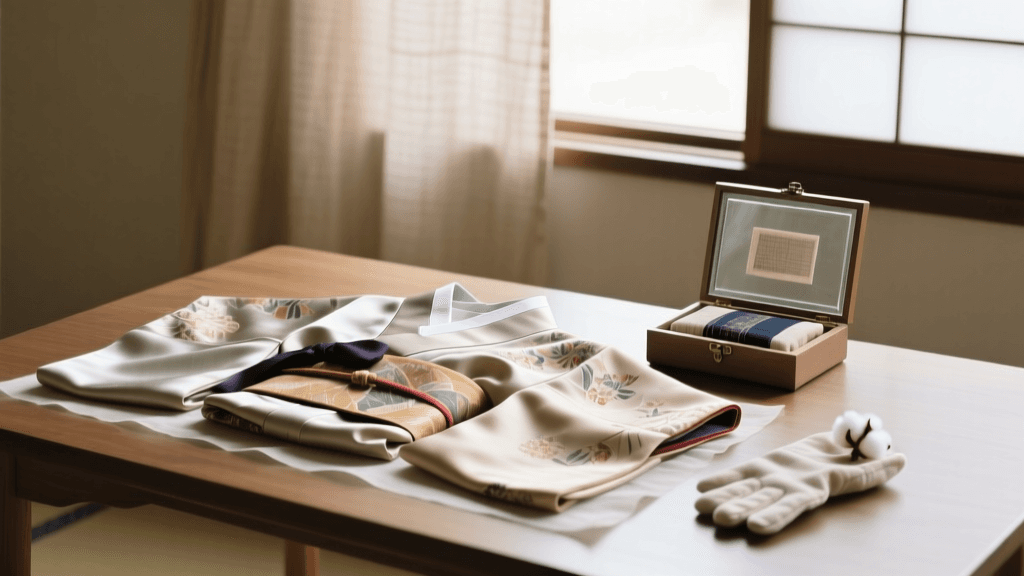
For storage, the traditional method of folding (tatami-shi for kimono) remains the gold standard to prevent permanent creasing along the seams. However, 2026 has seen the introduction of smart-wardrobes that monitor humidity and temperature, automatically adjusting the internal climate to prevent the degradation of natural protein fibers and the tarnishing of metallic embroidery threads.
Conclusion: Choosing Your Traditional Garment
Choosing between a kimono, a hanbok, and a cheongsam is ultimately a decision based on the aesthetic experience you wish to inhabit. If you are drawn to architectural structure, surface-level artistry, and the meditative process of layering, the kimono is your ideal canvas. If you prefer dramatic volume, kinetic movement, and a celebration of vibrant, contrasting colors, the hanbok offers an unparalleled sense of joyous grandeur. Finally, if your style leans toward sleek, sophisticated tailoring that highlights the natural form with elegant, fluid lines, the cheongsam remains the undisputed pinnacle of tailored grace.
In 2026, the boundaries between these garments and Western fashion are more porous than ever. By understanding their unique structural DNA, you can confidently integrate these masterpieces of Asian tradition into your personal style, honoring their rich histories while participating in their vibrant, ongoing evolution.