2026 Formal Guide: Kimono vs Hanbok vs Cheongsam Compared
The Renaissance of East Asian Formal Wear in 2026
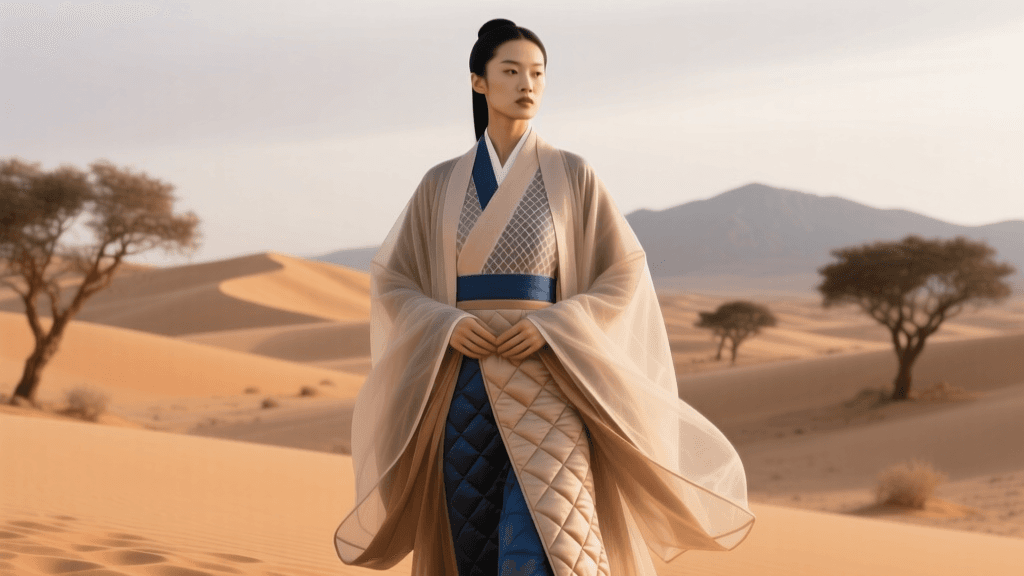
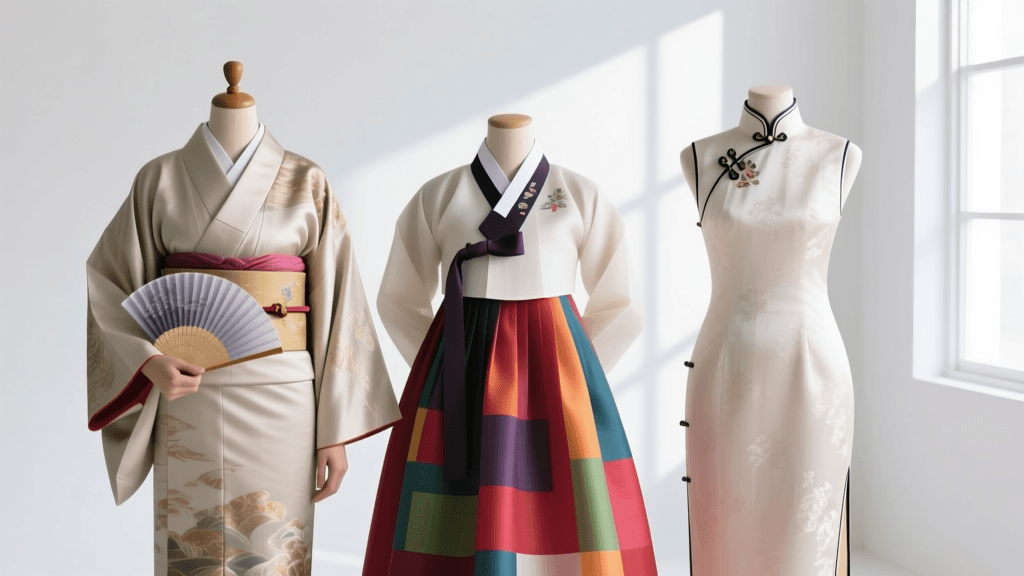
As we navigate the global fashion landscape in 2026, traditional East Asian garments have transcended their historical boundaries to become highly sought-after choices for formal events, weddings, and galas. The kimono of Japan, the hanbok of Korea, and the cheongsam (or qipao) of China each represent centuries of sartorial evolution, yet they offer distinctly different approaches to silhouette, construction, and cultural expression. For diaspora communities reconnecting with their heritage, and for global fashion enthusiasts seeking sustainable, meaningful formalwear, understanding the nuanced differences between these three iconic garments is essential.
Unlike Western formalwear, which often relies on structured corsetry and complex darting to mold fabric to the body, traditional East Asian garments historically emphasize the relationship between the fabric, the body, and the surrounding space. In 2026, contemporary artisans and bespoke tailors are blending these ancient philosophies with modern textile innovations, creating formalwear that is both culturally authentic and suited to the demands of modern events. This comprehensive guide compares the construction, styling, and cultural etiquette of the kimono, hanbok, and cheongsam to help you make an informed choice for your next formal occasion.
The Japanese Kimono: Linear Construction and Layered Elegance
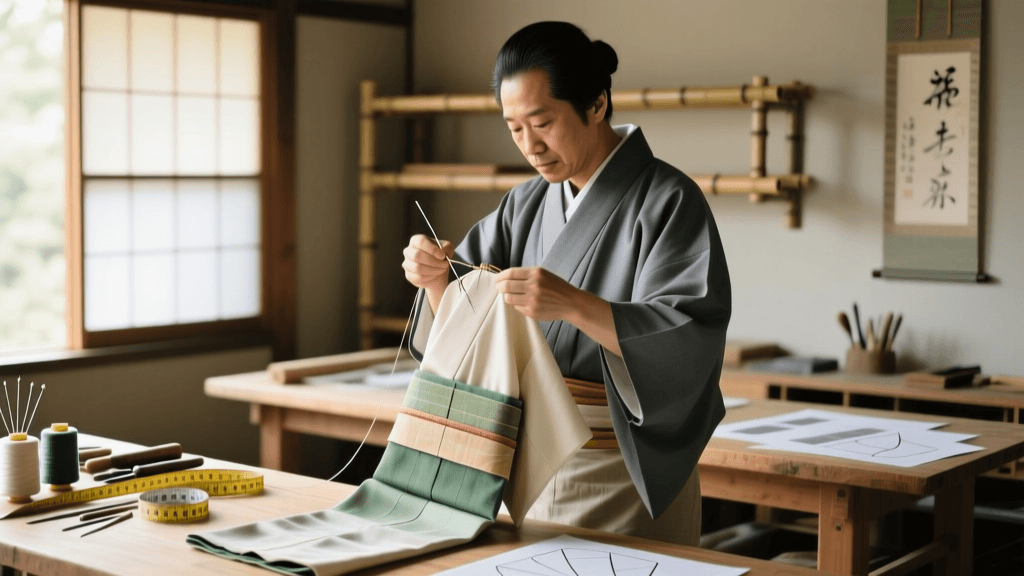
The Japanese kimono is perhaps the most structurally distinct of the three garments. Unlike Western clothing, which is cut to follow the curves of the body, the traditional kimono is constructed using straight lines. Bolts of silk, known as tanmono, are cut into rectangular panels and sewn together with minimal waste. This linear construction means that the kimono does not rely on the garment's shape to fit the wearer; instead, the fit is achieved through the intricate folding, wrapping, and tying process during dressing.
Key Components and 2026 Styling Trends
For formal events in 2026, the most common choices for women are the furisode (characterized by long, swinging sleeves, typically worn by unmarried women) and the kurotomesode (a black kimono with patterns only below the waist, worn by married women). The formality of a kimono is dictated not just by the garment itself, but by the accompanying accessories:
- The Obi: The wide sash that secures the kimono. Formal obi are heavily brocaded and tied in elaborate knots, such as the fukura-suzume or taiko musubi.
- Nagajuban: The undergarment worn beneath the kimono to protect the delicate outer silk from sweat and oils, while also providing a structured base.
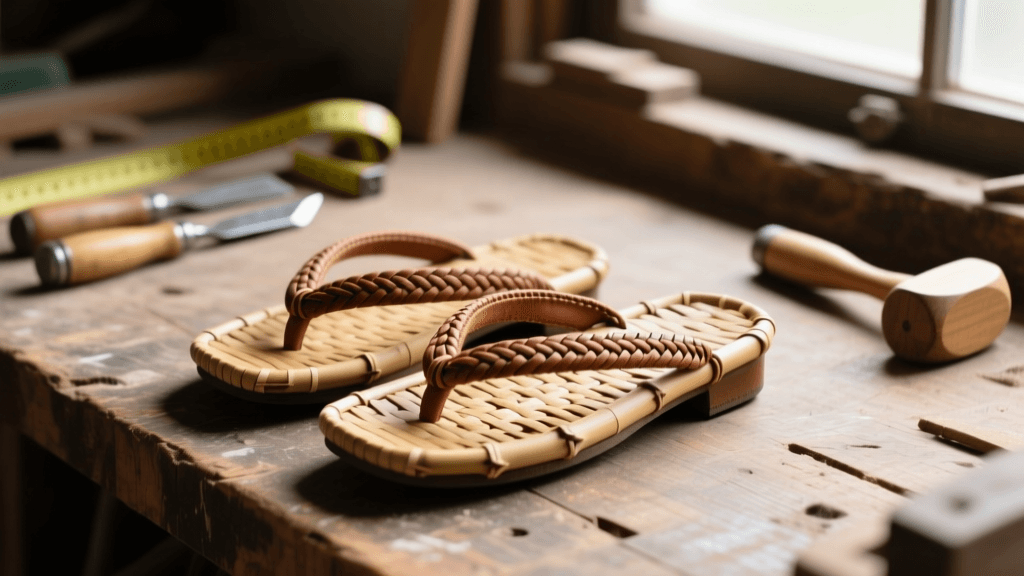
- Zori and Tabi: Formal footwear consists of zori (straw or brocade sandals) worn with tabi (split-toe socks), which are strictly white for formal occasions.
In 2026, there is a massive surge in the use of upcycled vintage silks and sustainably dyed textiles. According to the Victoria and Albert Museum's Asian Collections, the preservation and modern reinterpretation of techniques like yuzen (resist dyeing) and shibori (tie-dyeing) are at the forefront of contemporary Japanese textile arts, allowing wearers to don historically significant patterns with a modern, eco-conscious footprint.
The Korean Hanbok: Volumetric Silhouettes and Structural Grace
The Korean hanbok offers a striking contrast to the kimono's linear restraint. The traditional women's hanbok is defined by its dramatic volumetric silhouette, consisting of the chima (a full, high-waisted wrap skirt) and the jeogori (a short, cropped jacket). The visual impact of the hanbok relies on the juxtaposition of the tight, structured upper body against the expansive, flowing lower half, creating an elegant, bell-like shape that allows for incredible freedom of movement.
Modern Adaptations for Contemporary Events
While the traditional hanbok remains a staple for Chuseok, Seollal, and traditional weddings, the 2026 formalwear scene has fully embraced the saenghwal hanbok (everyday or modernized hanbok) for galas and red-carpet events. Modern designers are experimenting with the proportions of the jeogori, sometimes elongating it slightly or integrating Western-style closures while maintaining the iconic goreum (the long, flowing front ties).
The goreum is a critical focal point of the hanbok. In 2026, bespoke tailors are offering goreum crafted from contrasting colors or embedded with subtle metallic threads to catch the light during evening events. The National Folk Museum of Korea highlights how the hanbok's color palette historically followed the principles of Obangsaek (the five traditional colors representing the elements). Today, while pastels and muted jewel tones dominate formal weddings, avant-garde designers are reintroducing bold, high-contrast Obangsaek pairings for high-fashion formal events, as documented by the National Folk Museum of Korea.
The Chinese Cheongsam: Sculptural Tailoring and Fluidity
Where the kimono hides the body's contours and the hanbok creates a new architectural silhouette around it, the Chinese cheongsam (qipao) is designed to celebrate and trace the natural lines of the wearer. Originating in the 1920s in Shanghai as a modernization of traditional Manchu dress, the cheongsam is a masterclass in sculptural tailoring. It features a high Mandarin collar, a fitted bodice, and strategic side slits that allow for movement while maintaining a sleek, columnar profile.
Bespoke Fitting and 2026 Innovations
The cheongsam is notoriously difficult to mass-produce because its elegance relies entirely on a flawless, custom fit. The garment must skim the body perfectly without pulling at the seams or restricting the wearer's breath. In 2026, the bespoke cheongsam industry has been revolutionized by AI-driven 3D body scanning, which allows master tailors to map the wearer's exact proportions and posture, ensuring that the delicate silk brocades drape flawlessly.
Key elements of the cheongsam include the pankou (intricate knotted frog fasteners) and the side slits. While traditional pankou are functional, modern 2026 designs often use hidden zippers for ease of wear, reserving the pankou as purely decorative elements along the collar and shoulder. The Metropolitan Museum of Art's Heilbrunn Timeline of Art History notes the cheongsam's unique position as a garment that successfully bridged traditional Chinese aesthetics with modern, cosmopolitan tailoring, a legacy that continues to evolve in today's global fashion hubs.
Comprehensive Comparison Chart
To help you decide which garment best suits your formal event, refer to the comparison table below detailing the structural and practical differences between the three garments in 2026.
| Feature | Kimono (Japan) | Hanbok (Korea) | Cheongsam / Qipao (China) |
|---|---|---|---|
| Silhouette | Linear, tubular, conceals body shape | Volumetric, bell-shaped, high-waisted | Sculptural, columnar, form-fitting |
| Construction | Straight-line cutting, rectangular panels | Flat cutting for top, gathered/pleated skirt | Curved tailoring, darts, side slits |
| Fastening Method | Wrapped left over right, secured by wide Obi | Wrapped jacket, secured by long Goreum ties | Hidden zippers, decorative Pankou knots |
| Mobility | Restricted (requires specific walking gait) | High (skirt allows wide, free strides) | Moderate (slits allow movement, but fitted) |
| Dressing Assistance | Usually requires a professional dresser | Can be self-dressed with practice | Self-dressed (zipper closure) |
| Avg. Bespoke Cost (2026) | $1,500 - $5,000+ (including accessories) | $400 - $1,200 | $800 - $2,500 |
Fabric Choices and Climate Considerations for 2026 Events
Selecting the right fabric is crucial for comfort, especially as global temperatures fluctuate. For summer weddings or outdoor galas, the Korean hanbok often utilizes ramie or lightweight mosi, which offer exceptional breathability and a crisp, structured drape that maintains the skirt's volume without adding heat. The cheongsam is frequently crafted from lightweight silk crepe or modern Tencel-silk blends in 2026, providing a cooling effect while maintaining the garment's fluid drape.
For winter formal events, the kimono shines with its layering capabilities. A formal winter kimono setup includes multiple under-layers, a padded hanten (short jacket), and heavy silk brocades that provide substantial insulation. Similarly, winter hanboks may feature chima lined with cotton or fleece, and velvet jeogori for added warmth and a rich, luxurious texture.
Sourcing, Custom Tailoring, and 2026 Pricing
Investing in traditional formalwear requires careful planning and budgeting. In 2026, the lead time for a fully bespoke garment is typically 3 to 5 months. If you are commissioning a custom cheongsam, expect to pay between $800 and $2,500, depending on the complexity of the embroidery and the origin of the silk. Master tailors in Shanghai, Hong Kong, and specialized boutiques in global cities like New York and London command premium rates for their hand-finished seams and custom knot-work.
For the hanbok, prices are generally more accessible, ranging from $400 for high-quality ready-to-wear modern pieces to $1,200 for fully traditional, hand-embroidered bridal sets. The kimono represents the highest financial barrier to entry for a complete, formal ensemble. A new, formal silk kimono, combined with a brocade obi, undergarments, and accessories, can easily exceed $3,000. Consequently, the 2026 market has seen a booming rental industry and a highly respected vintage market, where collectors restore mid-century silk kimonos for modern formal use.
Cultural Etiquette and Respectful Wearing
Wearing these garments carries profound cultural weight, and understanding the etiquette is just as important as the aesthetic choice. For the kimono, the most critical rule is to always wrap the left side over the right. Wrapping right over left is strictly reserved for dressing the deceased for burial. Additionally, the formality of the kimono must match the event; wearing a highly casual yukata (cotton summer kimono) to a formal evening gala would be considered a significant faux pas.
When wearing a hanbok, the goreum must be tied correctly, with the longer tie draped gracefully over the shorter one, falling to the right side of the wearer. The hem of the chima should be held slightly when walking to prevent tripping and to show respect for the garment. For the cheongsam, the side slits should be appropriately sized for the event's formality; while high slits may be suitable for fashion-forward red carpets, modest, knee-level slits are preferred for traditional family weddings and conservative formal dinners.
Conclusion
The kimono, hanbok, and cheongsam are not merely historical artifacts; they are living, breathing expressions of East Asian artistry that continue to evolve in 2026. Whether you are drawn to the architectural layering of the kimono, the sweeping, joyful volume of the hanbok, or the sleek, sculptural elegance of the cheongsam, each garment offers a unique way to participate in formal events with deep cultural resonance. By understanding their distinct construction methods, styling requirements, and cultural etiquettes, you can confidently select and wear these magnificent garments with the respect and admiration they deserve.