Kimono vs Hanbok vs Cheongsam: 2026 Style Guide
The Resurgence of Heritage Couture in 2026
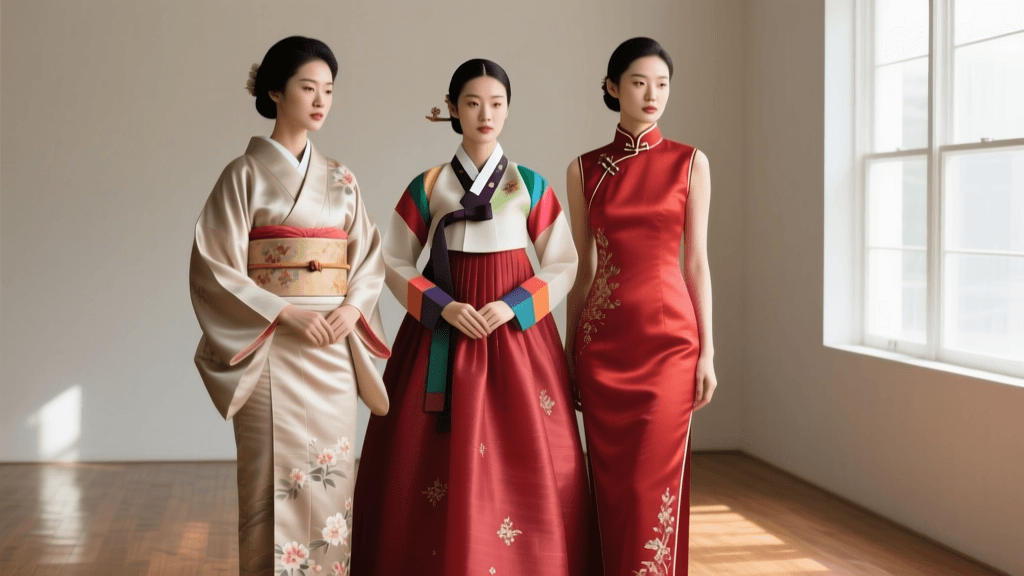
As we navigate the global fashion landscape of 2026, traditional Asian garments have transcended their historical boundaries to become mainstays on international red carpets, diplomatic summits, and high-society galas. No longer reserved exclusively for weddings or lunar new year celebrations, the Japanese kimono, Korean hanbok, and Chinese cheongsam (qipao) are being embraced for their architectural beauty, rich cultural narratives, and unparalleled craftsmanship. For the modern wearer, choosing between these three iconic silhouettes requires an understanding of their structural differences, contemporary styling adaptations, and cultural etiquette.
At The Garment Atlas, we frequently receive inquiries about which heritage garment is best suited for specific formal events. This comprehensive guide breaks down the kimono, hanbok, and cheongsam, comparing their fit, 2026 textile innovations, bespoke costs, and wearing protocols to help you make an informed, culturally respectful sartorial choice.
The Japanese Kimono: Structured Elegance
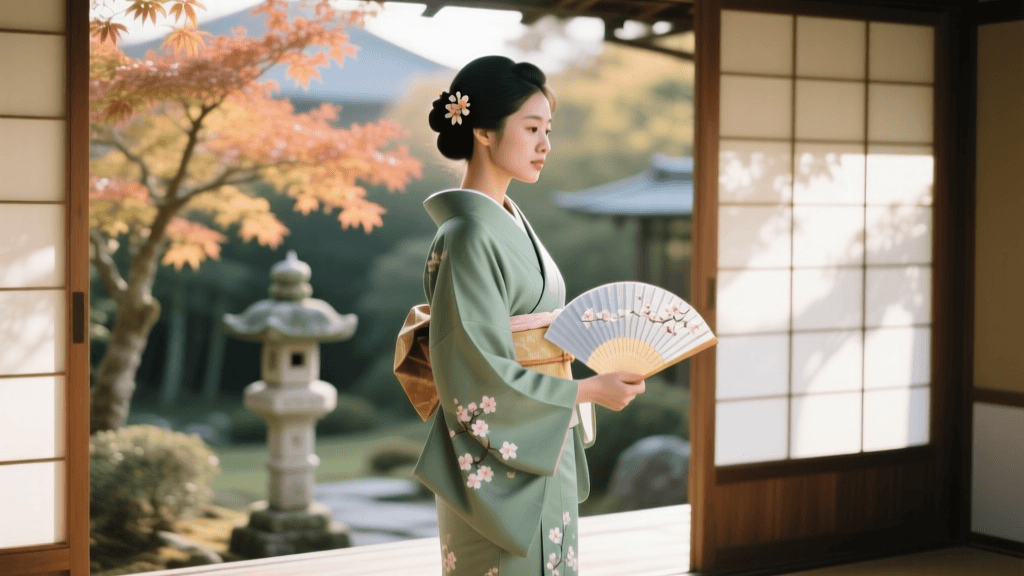
The kimono is perhaps the most globally recognized of all traditional Asian garments. Characterized by its T-shaped, straight-lined silhouette, the kimono wraps around the body and is secured with a wide, intricately tied sash known as an obi. According to Encyclopedia Britannica, the kimono evolved from the kosode of the Muromachi period, eventually becoming the principal garment for both men and women in Japan. Today, it remains a symbol of meticulous craftsmanship and seasonal awareness.
2026 Styling and Fabric Innovations
In 2026, the kimono market is defined by the 'neo-vintage' movement. Artisans in Kyoto and Kanazawa are remastering mid-century Showa-era silks using modern, climate-resistant weaves that prevent humidity damage during crowded indoor galas. Furthermore, the integration of sustainable peace silk and lab-grown spider silk blends has revolutionized the weight of the garment, allowing for a more breathable experience without sacrificing the luxurious drape required for formal wear.
Styling a kimono for a modern formal event often involves the fukuro obi, which allows for elaborate, sculptural knots at the back. In 2026, minimalist obi knots paired with contemporary, architectural hairpieces are highly favored by younger demographics attending international fashion weeks. The footwear, traditionally zori sandals, has been updated by bespoke cobblers with ergonomic, memory-foam insoles concealed beneath traditional tatami or brocade surfaces.
The Korean Hanbok: Voluminous Grace
The Korean hanbok is celebrated for its vibrant colors, sweeping lines, and voluminous silhouette. For women, the traditional ensemble consists of a jeogori (a short, cropped jacket) and a chima (a high-waisted, bell-shaped wrap skirt). Men typically wear a jeogori paired with baji (roomy, tied trousers). The hanbok's design philosophy prioritizes freedom of movement and a harmonious relationship with nature, a concept deeply rooted in Korean shamanistic and Confucian traditions. For a deeper historical context, Britannica's overview of the hanbok highlights its evolution from the Three Kingdoms period to the modern era.
Modernizing the Silhouette for 2026
The 'daily hanbok' movement of the early 2020s has matured into a sophisticated 'formal fusion' aesthetic by 2026. Contemporary designers are utilizing lightweight, crush-resistant organzas and smart-textiles that regulate body temperature, making the heavily layered chima far more comfortable for summer evening events. The traditional high waistline remains, but modern tailors are introducing subtle internal corsetry to provide structural support without the need for restrictive undergarments.
Color theory in the hanbok is deeply symbolic, often utilizing Obangsaek (the five traditional colors representing the elements). In 2026, while traditional jewel tones remain popular for weddings, formal galas see a rise in monochromatic hanboks—such as deep indigo or pearlescent ivory—accented with subtle, tonal embroidery that catches the light dynamically as the wearer moves.
The Chinese Cheongsam (Qipao): Tailored Sophistication
Originating in 1920s Shanghai, the cheongsam (or qipao) is a masterclass in tailored sophistication. Unlike the voluminous hanbok or the straight-lined kimono, the cheongsam is form-fitting, designed to accentuate the natural contours of the body. It is characterized by a high mandarin collar, asymmetrical side fastenings secured with pankou (intricate frog buttons), and strategic side slits. As noted by Britannica, the qipao represented a radical shift in Chinese women's fashion, symbolizing modernity, emancipation, and urban chic.
Contemporary Cuts and Textiles
The cheongsam of 2026 is a marvel of modern tailoring technology. Because the garment requires a flawless fit to maintain its elegant lines without restricting movement, top-tier tailors in Shanghai and Hong Kong now utilize 3D body scanning to map the wearer's exact proportions. This ensures that the side slits and knee articulations move perfectly with the wearer.
Textile innovations have also expanded the cheongsam's versatility. While heavy silk brocades remain the standard for winter weddings, 2026 has seen a surge in stretch-silk blends and sustainable bamboo-silk textiles for summer formal wear. Designers are also experimenting with contemporary cut-outs, sheer paneling, and detachable capes, allowing the wearer to transition seamlessly from a conservative daytime ceremony to an avant-garde evening reception.
Head-to-Head Comparison: Kimono vs Hanbok vs Cheongsam
To help you decide which garment aligns with your event requirements, body type, and comfort preferences, we have compiled a structured comparison of the three silhouettes based on 2026 market standards.
| Feature | Japanese Kimono | Korean Hanbok | Chinese Cheongsam |
|---|---|---|---|
| Silhouette | T-shaped, straight, columnar | A-line, voluminous, high-waisted | Form-fitting, contoured, tailored |
| Fastening Method | Obi sash and ties (no buttons) | Ribbons (goreum) and wrap ties | Frog buttons (pankou) and hidden zippers |
| Dressing Time | 30-45 minutes (requires assistance) | 10-15 minutes (relatively easy) | 5-10 minutes (simplest to wear) |
| Ideal Body Type | Petite to tall; creates a uniform column | All types; high waist flatters all figures | Hourglass or athletic; requires precise fit |
| 2026 Bespoke Cost | $3,500 - $8,000+ | $800 - $2,500 | $1,200 - $4,000 |
| Mobility | Restricted (short, gliding steps required) | High (very free leg movement) | Moderate (dependent on slit height) |
Cultural Etiquette and Wearing Rules
Wearing traditional garments requires a deep respect for the cultural protocols associated with them. In 2026, as these garments become more globalized, adhering to these rules is a sign of cultural appreciation rather than mere appropriation.
- Kimono Etiquette: The most critical rule of wearing a kimono is the wrap direction. The left side of the garment must always overlap the right side. Wrapping right-over-left is strictly reserved for dressing the deceased for funerals. Additionally, the nape of the neck should be slightly exposed, which is considered a mark of elegance.
- Hanbok Etiquette: When wearing a hanbok, the goreum (the long ribbon tying the jeogori) must be tied correctly with a specific loop and tail length. The hem of the chima should hover just above the floor, concealing the feet entirely when standing still. Historically, certain colors and motifs (like dragons or phoenixes) were reserved for royalty, though modern formal wear is more lenient, it is still best to consult a tailor regarding motif appropriateness for weddings.
- Cheongsam Etiquette: The cheongsam demands impeccable posture. The mandarin collar should sit flush against the neck without gaping. While side slits are a defining feature, for formal and diplomatic events in 2026, the slit should ideally not rise higher than the mid-thigh to maintain modesty and elegance when seated.
Sourcing and Bespoke Tailoring in 2026
If you are investing in a heritage garment, bespoke tailoring is highly recommended over off-the-rack purchases. In 2026, the most sought-after kimono artisans are based in Kyoto's Nishijin district, where the weaving of the obi and the hand-painting of the silk (yuzen dyeing) can take up to six months to complete. For the hanbok, Seoul's Bukchon Hanok Village remains the epicenter of master tailors who specialize in traditional hand-stitching and natural plant-based dyeing techniques. For the cheongsam, Shanghai's historic French Concession and Hong Kong's Central district boast master tailors who combine 1930s cutting techniques with modern 3D fit technology.
When commissioning a piece, expect a minimum of two to three fitting sessions. For international clients, many top-tier ateliers in 2026 offer virtual consultation and preliminary 3D-scanning via smartphone apps, followed by one in-person final fitting. Always budget an additional 15% of the garment's cost for essential accessories, such as custom undergarments (like the hanbok's sokchima or the kimono's juban), specialized footwear, and professional dressing services for the day of your event.
Conclusion
Choosing between the kimono, hanbok, and cheongsam ultimately depends on the nature of your event, your personal comfort, and the aesthetic you wish to project. The kimono offers unparalleled architectural grandeur and a deeply meditative wearing experience. The hanbok provides joyous volume, vibrant color, and exceptional comfort. The cheongsam delivers sleek, modern sophistication and a striking, tailored silhouette. By understanding the unique characteristics and 2026 innovations of each garment, you can step into your next formal event honoring centuries of Asian textile mastery while making a distinctly contemporary statement.