Japanese Kimono Milestones 2026: Dressing For Life Stages
The Enduring Legacy of the Kimono in Modern Japan
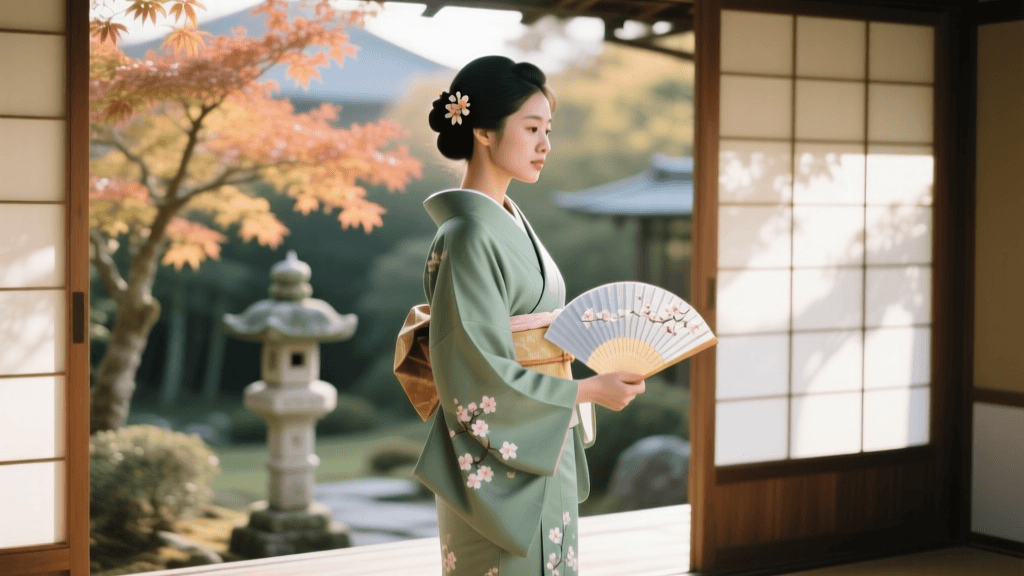
The kimono is far more than a beautiful garment; it is a deeply symbolic canvas that reflects the wearer's age, marital status, and the specific life milestone they are celebrating. As we navigate through 2026, the traditional Japanese wardrobe continues to evolve, blending centuries-old sartorial rules with modern innovations in textile sustainability and rental convenience. While everyday wear has largely transitioned to Western clothing, the kimono remains the undisputed centerpiece for Japan's most significant life events. Understanding which garment to wear, how to tie the obi, and what accessories to pair with your ensemble is essential for honoring these cultural touchstones.
According to Japan Guide's comprehensive overview of traditional garments, the rules governing kimono formality are strictly tied to the wearer's stage in life. In 2026, a new generation of Japanese youth and international cultural enthusiasts are embracing these traditions with renewed vigor, supported by a booming, tech-enabled rental market and a revival in artisanal silk weaving. Below, we explore the definitive kimono styles required for Japan's major life milestones.
Shichi-Go-San: The Ages of 3, 5, and 7
Held annually on November 15th, Shichi-Go-San (Seven-Five-Three) is a rite of passage celebrating the growth and health of young children. The garments worn during this shrine visit are highly specific to the child's age and gender.
Three-Year-Old Girls and Boys
At age three, both boys and girls traditionally wear a kimono, but the styling differs. Girls wear a vibrant, patterned silk kimono paired with a hifu—a padded, sleeveless vest that covers the obi, making it easier for toddlers to move comfortably. In 2026, many parents opt for lightweight, washable synthetic blends for the inner layers to accommodate active children, while reserving pure silk for the outer visual layers. Boys of this age may wear a simple kimono with a haori (jacket) and hakama (pleated trousers), though this is more commonly deferred to age five.
Five-Year-Old Boys
Five-year-old boys wear a formal montsuki (crested kimono) paired with a hakama and a haori. The hakama is typically striped in subdued colors like grey, navy, or charcoal, while the haori may feature auspicious motifs such as hawks, pine trees, or kabuto (samurai helmets). Completing the look are white tabi socks and zori sandals.
Seven-Year-Old Girls
By age seven, girls transition to wearing a full, adult-style kimono with a proper obi sash, symbolizing their first step into the structured world of adult dressing. The obi is usually tied in a fukura-suzume (puffed sparrow) knot. The sleeves are long, though not quite as long as the adult furisode, and the patterns are heavily concentrated on the lower half and the left shoulder, guiding the eye in a traditional aesthetic flow.
Seijin-no-Hi: The Twenty-Year-Old Gathering
Historically known as Coming of Age Day, this milestone celebrates youth reaching adulthood. Following the Japanese government's amendment to the Civil Code that lowered the legal age of adulthood to 18, municipalities in 2026 predominantly host these ceremonies for 20-year-olds under the name Hatachi no Tsudoi (Twenty-Year-Old Gathering). This preserves the traditional sartorial milestone associated with the age of 20, as documented in Japan Guide's guide to Seijin no Hi.
The Furisode for Young Women
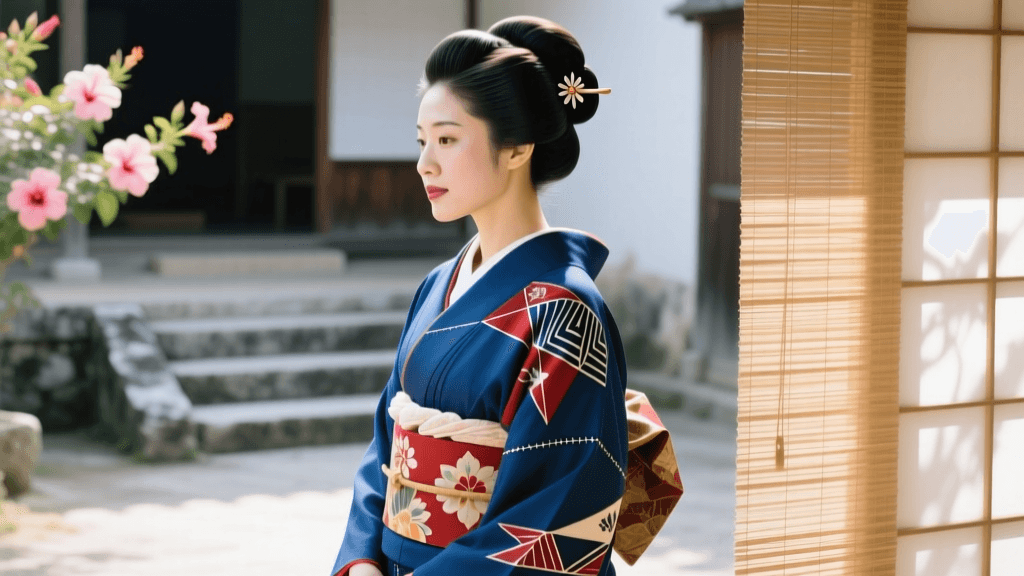
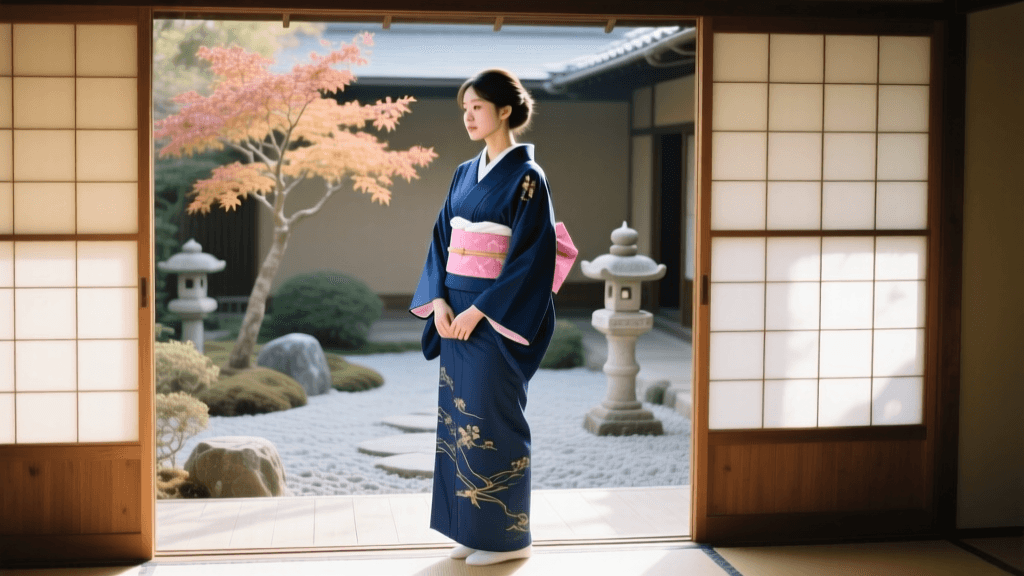
The furisode is the most formal kimono for unmarried women, instantly recognizable by its dramatically long, swinging sleeves (often measuring 100 to 114 centimeters in length). The expansive canvas of the furisode allows for breathtaking, all-over patterns featuring seasonal flowers, flowing water, and cranes. In 2026, deep jewel tones, metallic leaf accents, and retro-Taisho-era revival patterns are highly sought after. The obi is tied in elaborate, voluminous knots like the tateya (standing arrow) or hana-ori (flower weave), adorned with dangling kanzashi hairpins and a plush obi-age (sash scarf).
Hakama and Montsuki for Young Men
While many young men in 2026 opt for Western suits, those embracing tradition wear a formal black montsuki kimono bearing five family crests, paired with a striped silk hakama and a black haori. The ensemble projects dignity and maturity, marking the young man's official entry into adult society.
Weddings: Shiromuku, Irouchikake, and Montsuki
Japanese weddings are a masterclass in kimono formality, requiring multiple outfit changes that reflect the progression of the ceremony and the marital status of the attendees.
The Bride's Trousseau
The ceremony often begins with the Shiromuku, an entirely white ensemble including the kimono, obi, and wataboshi (hood), symbolizing purity and the bride's willingness to be dyed in the colors of her new family. For the reception, the bride changes into an Irouchikake, a heavily padded, colorful outer robe worn open over a base kimono. In 2026, brides are increasingly commissioning custom Irouchikake featuring subtle, modern geometric motifs intertwined with traditional peonies and phoenixes, utilizing sustainably sourced silk threads.
The Groom and Guests
The groom typically wears a five-crested black montsuki haori hakama, accessorized with a white fan and zori. For female guests, marital status dictates the attire. Unmarried women wear furisode, while married women wear a kurotomesode (black kimono with patterns only below the waist and five crests) if they are immediate family, or an irotomesode (colored tomesode) or homongi (visiting wear) for friends and extended relatives. The homongi features patterns that flow seamlessly across the seams, creating a unified, elegant picture.
Kanreki: The 60th Birthday Celebration
Kanreki marks a person's 60th birthday, completing one full cycle of the traditional Chinese zodiac calendar. The traditional garment for this milestone is a red chanchanko (a padded, sleeveless vest) worn over a kimono, symbolizing rebirth and the return to the beginning of the zodiac cycle. However, the 2026 interpretation of Kanreki fashion has become much more sophisticated. Many celebrants now prefer a subtle integration of red, such as a crimson silk haori, a vibrant red obi-jime (sash cord), or a modern, tailored red silk blouse worn beneath a subdued, elegant edo-komon (fine-patterned kimono), allowing for a stylish celebration that feels age-appropriate and contemporary.
Mourning and Mofuku
At the end of life's journey, the kimono takes on its most somber and strictly regulated form. Mofuku is the formal mourning attire worn by close family members at funerals. It consists of a plain black silk kimono with five family crests, a black obi, and black accessories. The undergarments (juban) and tabi socks must be stark white, creating a striking, solemn contrast. In 2026, while Western black mourning suits are common for distant acquaintances, immediate family members still adhere strictly to the mofuku dress code to show the utmost respect for the deceased.
2026 Kimono Rental vs. Purchase Comparison
As the cost of artisanal silk rises, the 2026 kimono market is heavily driven by high-end rental services that offer AI-assisted virtual try-ons and eco-friendly dry cleaning. Below is a comparison of costs and considerations for major milestones.
| Milestone | Garment Type | 2026 Avg. Rental Cost | 2026 Avg. Purchase Cost | Best Approach |
|---|---|---|---|---|
| Shichi-Go-San (Child) | Hifu / Hakama Set | ¥15,000 - ¥25,000 | ¥40,000 - ¥80,000 | Rental (Children outgrow garments quickly) |
| Seijin-no-Hi (Age 20) | Furisode / Montsuki | ¥50,000 - ¥120,000 | ¥300,000 - ¥1,000,000+ | Rental for trends; Purchase for family heirlooms |
| Wedding (Bride) | Shiromuku / Irouchikake | ¥150,000 - ¥300,000 | ¥800,000 - ¥3,000,000+ | Rental (Included in most 2026 venue packages) |
| Funeral (Close Family) | Mofuku (5 Crests) | ¥20,000 - ¥35,000 | ¥150,000 - ¥250,000 | Purchase (Expected to be kept for life) |
Note: Prices are estimated in Japanese Yen (JPY) based on 2026 market averages in major metropolitan areas like Tokyo and Kyoto. Rental packages typically include dressing services, hair styling, and necessary accessories like zori and tabi.
Preserving the Thread of Tradition
Navigating the sartorial rules of Japanese life stages can seem daunting, but it is ultimately a beautiful way to physically manifest one's journey through life. Whether you are dressing a toddler for their first shrine visit, celebrating your twenties in a sweeping furisode, or honoring a family elder's 60th birthday, the kimono provides a tangible link to the past. For those looking to explore these garments further, the Japan National Tourism Organization's cultural heritage resources offer excellent directories of certified kimono dressers and heritage textile workshops operating in 2026. By respecting the nuances of these garments, we ensure that the vibrant legacy of the kimono continues to drape elegantly over the milestones of future generations.