Kimono vs Hanbok vs Cheongsam: 2026 Formal Event Guide
The Renaissance of Asian Formalwear in 2026
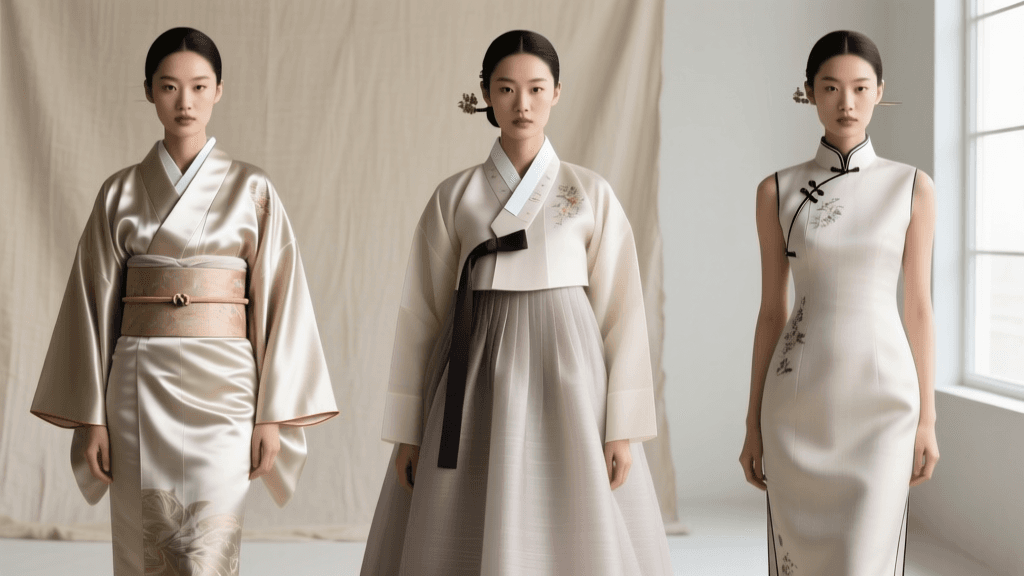
The global fashion landscape of 2026 has witnessed a profound renaissance in heritage formalwear. As sustainability, artisanal craftsmanship, and cultural pride take center stage in high-society events, traditional Asian garments have transcended their historical boundaries to become highly sought-after bespoke formalwear. For international galas, diplomatic dinners, and heritage weddings, the Japanese kimono, the Korean hanbok, and the Chinese cheongsam (qipao) represent the pinnacle of sartorial elegance. However, choosing between these three distinct silhouettes requires a deep understanding of their construction, fabric behavior, tailoring requirements, and cultural etiquette. This comprehensive guide compares the kimono, hanbok, and cheongsam from the perspective of a 2026 formal event attendee, providing actionable insights into bespoke costs, modern fabric innovations, and respectful styling.
The Japanese Kimono: Structured Elegance and Layered Silk
Construction and 2026 Fabric Innovations
The Japanese kimono is celebrated for its flat-pattern construction and T-shaped silhouette, which relies entirely on the drape of the fabric and the intricate tying of the obi (sash) rather than darts or seams to fit the body. For formal events in 2026, the Kurotomesode (black silk with crests, worn by married women) and the Furisode (long-sleeved, vibrant silk, worn by unmarried women) remain the gold standards. According to the Metropolitan Museum of Art’s Asian Art Department, the structural integrity and symbolic motifs of formal silk kimono represent centuries of unbroken textile lineage.
In 2026, the kimono market has seen a surge in demand for sustainably sourced Nishijin-ori brocade and upcycled vintage silks treated with modern, eco-friendly nano-stain repellents. This innovation allows wearers to navigate outdoor garden galas or humid summer receptions without the traditional anxiety of ruining delicate, multi-layered silk. Furthermore, the use of 3D-printed, lightweight obi clips has revolutionized the comfort of the heavy Maru obi, reducing lower back strain during long evening events.
Tailoring, Fitting, and Pricing
Unlike Western formalwear, a kimono is not tailored to the exact contours of the body; rather, the wearer’s body is padded and wrapped to create a uniform, cylindrical canvas for the garment. In 2026, commissioning a brand-new, bespoke formal kimono from a master weaver in Kyoto or Tokyo is a significant investment, reflecting the severe shortage of traditional artisans. Expect to pay between $3,500 and $6,500 for a complete formal ensemble, including the kimono, nagajuban (undergarment), formal obi, obijime (cord), and zori (sandals). The lead time for bespoke weaving and hand-painting (yuzen) can range from four to eight months. For those on a tighter timeline, the 2026 vintage luxury market offers impeccably preserved mid-century silk kimono, which can be professionally cleaned and paired with modern, contemporary obi for a fraction of the cost.
The Korean Hanbok: Voluminous Silhouettes and Modern Movement
The Architecture of the Chima and Jeogori
The Korean hanbok offers a striking visual contrast to the kimono, defined by its architectural volume and fluid movement. The traditional female formal hanbok consists of the jeogori (a cropped, tailored jacket) and the chima (a high-waisted, voluminous wrap skirt). For ultra-formal court-style events, the Dangui (a longer, ceremonial jacket) or the Wonsam are utilized. The Victoria and Albert Museum’s Asia collections frequently highlight how the hanbok’s sweeping lines and vibrant color pairings (obangsaek) were historically designed to reflect both social status and cosmic harmony.
In 2026, the formal hanbok has been beautifully modernized through the saenghwal (daily/living) movement, which has now fully penetrated the luxury gala sector. Designers in Seoul are utilizing lightweight peace silk, metallic organza overlays, and structural petticoats that provide the iconic bell-shape without the crushing weight of traditional layered cotton. The modern formal jeogori often features subtle laser-cut lace detailing along the dongjeong (white collar) and extended goreum (ribbon ties) that cascade elegantly to the floor.
Contemporary Bespoke Costs and Styling
One of the distinct advantages of the hanbok for modern formalwear is its inherent comfort and mobility. The high waistline of the chima allows for unrestricted leg movement, making it an excellent choice for events involving traditional dancing or extensive mingling. In 2026, a bespoke luxury formal hanbok, tailored to your exact measurements by a master artisan in Seoul’s Bukchon Hanok Village, typically costs between $1,200 and $2,800. The tailoring process is relatively swift, often taking four to eight weeks. Essential accessories include the norigae (a decorative pendant tied to the goreum or waist) and the daenggi (a silk ribbon woven into the hair), which in 2026 are frequently crafted with ethically sourced jade and recycled gold accents.
The Chinese Cheongsam: Sculptural Tailoring and Brocade
The Evolution of the Pankou and Slit
The Chinese cheongsam, also known as the qipao, is the epitome of sculptural, body-conscious tailoring. Originating in the 1920s and evolving through decades of high fashion, the modern formal cheongsam features a high mandarin collar, a fitted bodice with precise darts, intricate pankou (knotted frog closures), and strategic side slits. Exhibitions at the Smithsonian’s National Museum of Asian Art have extensively documented the cheongsam’s evolution as a symbol of modern femininity and cross-cultural sartorial exchange.
The defining trend for formal cheongsam in 2026 is the integration of advanced textile engineering. While traditional Songjiang brocade and heavy mulberry silk remain popular for winter galas, 2026 has seen the rise of stretch-silk blends interwoven with metallic micro-threads. These fabrics provide the structural rigidity required to hold the garment’s shape while offering the elasticity needed for sitting and dining comfortably. Furthermore, the pankou knots, once purely functional, are now treated as bespoke jewelry, with artisans crafting them from carved amber, pearl inlays, and enamel.
2026 Bespoke Market and AI Fitting
A formal cheongsam must fit like a second skin; a millimeter off in the darting can ruin the silhouette. In 2026, luxury boutiques in Shanghai, Hong Kong, and Singapore utilize non-invasive 3D body scanning to map the wearer’s exact proportions, ensuring the side slits open at the precise angle for walking and the collar sits flush against the neck without chafing. The cost for a master-tailored, bespoke formal cheongsam in 2026 ranges from $1,500 to $4,500, depending on the complexity of the hand-embroidery (such as Su embroidery) and the rarity of the brocade. Tailoring usually requires two to five months, with at least three mandatory in-person fittings to perfect the sculptural drape.
Comparative Data Table: Kimono vs. Hanbok vs. Cheongsam
To help you make an informed decision for your next 2026 formal engagement, consult the comparative data table below detailing the practical realities of commissioning and wearing each garment.
| Feature | Japanese Kimono | Korean Hanbok | Chinese Cheongsam |
|---|---|---|---|
| Primary Formal Fabric | Nishijin-ori Silk, Yuzen Dyed Crepe | Peace Silk, Metallic Organza, Ramie | Songjiang Brocade, Stretch-Silk Blend |
| Avg Bespoke Cost (2026) | $3,500 - $6,500 | $1,200 - $2,800 | $1,500 - $4,500 |
| Tailoring / Sourcing Time | 4 - 8 Months | 4 - 8 Weeks | 2 - 5 Months |
| Silhouette & Fit | Cylindrical, padded, flat-pattern wrap | Voluminous skirt, cropped tailored jacket | Sculptural, body-conscious, darted |
| Mobility & Comfort | Restricted stride, requires specific posture | High mobility, unrestricted leg movement | Moderate, relies on slit placement and stretch |
| Key 2026 Accessory | Maru Obi, 3D-Printed Obi Clips, Zori | Jade Norigae, Extended Silk Goreum | Enamel Pankou Knots, Hairpins |
Cultural Etiquette and Respectful Styling for 2026
As these garments gain global prominence, wearing them with cultural respect and historical accuracy is paramount. The era of treating traditional dress as mere "costumes" is long past; in 2026, cultural appreciation means honoring the strict rules of wear that govern each garment.
Kimono Etiquette
The most critical rule of kimono styling is the eri (collar) placement: the left side must always overlap the right side. The reverse (right over left) is strictly reserved for dressing the deceased for burial. Additionally, the hem of a formal kimono should graze the ankle, completely concealing the legs. When sitting, wearers must gently gather the fabric beneath them to avoid crushing the obi knot, which is considered the artistic focal point of the ensemble.
Hanbok Etiquette
The hanbok is more forgiving in its fit, but the tying of the goreum (the front ribbon) requires precision. The knot must be tied in a specific, asymmetrical loop that sits horizontally across the chest, never drooping or tied in a standard bow. Furthermore, the chima should be worn high, just beneath the bust, to maintain the elegant, flowing proportion intended by the designer. Wearing the skirt too low on the waist fundamentally alters the historical silhouette and is considered a styling faux pas.
Cheongsam Etiquette
Modesty and proportion are the guiding principles of the formal cheongsam. While the side slits are iconic, for conservative or diplomatic galas in 2026, the slit should not rise higher than the mid-thigh. The collar should remain fastened at all times in formal settings, as unbuttoning the mandarin collar is associated with casual or loungewear styles. Finally, the cheongsam is traditionally worn with sheer, skin-toned hosiery, even in the summer months, to maintain a polished, unbroken line from the hem to the heel.
Conclusion: Choosing Your Heritage Garment
Selecting between the kimono, hanbok, and cheongsam for a 2026 formal event ultimately depends on your personal styling preferences, the nature of the event, and your willingness to engage with the tailoring process. If you desire a majestic, highly structured presence and are prepared for the physical discipline of the obi, the kimono is unparalleled. If you prioritize sweeping elegance, vibrant color theory, and physical comfort, the modernized formal hanbok is a breathtaking choice. For those who wish to highlight sculptural tailoring, intricate knotwork, and a sleek, modern silhouette, the bespoke cheongsam remains the ultimate symbol of sophisticated glamour. Whichever path you choose, investing in authentic, artisan-crafted heritage formalwear ensures you will step into your 2026 event not just as a guest, but as a patron of living Asian art.