Top Hanfu Certification Programs 2026: Workshops Reviewed
The Rise of Formal Hanfu Education in 2026
The global fascination with traditional Chinese clothing has evolved from a niche internet subculture into a robust, multi-billion-dollar cultural industry. As we navigate 2026, the demand for authentic, historically accurate Hanfu has birthed a vital new sector: formal education workshops and certification programs. No longer satisfied with mass-produced, inaccurate costumes, consumers, museums, and film studios are demanding professionals who understand the intricate history, flat-pattern cutting techniques, and textile heritage of traditional Chinese garments.
Whether you are a fashion designer looking to integrate Ming Dynasty silhouettes into modern couture, a historian aiming to curate museum exhibitions, or an entrepreneur opening a high-end traditional styling studio, obtaining a formal certification is now the industry standard. In 2026, these programs blend ancient craftsmanship with cutting-edge technology, utilizing AI-assisted historical textile analysis and 3D virtual draping to preserve and innovate upon centuries-old techniques.
Why Pursue a Hanfu Certification?
The market for traditional garments is highly competitive. A certification serves as a mark of authenticity and rigor. It proves to clients and employers that you understand the strict distinctions between a Tang Dynasty Banbi (half-sleeve jacket) and a Song Dynasty Beizi (long jacket). Furthermore, certified professionals are increasingly sought after for high-profile projects, including historical drama productions, cultural diplomacy events, and luxury fashion houses that are heavily investing in Asian heritage collections for their 2026 global runway shows.
Beyond credibility, these workshops offer hands-on access to rare materials, master weavers, and specialized tools that are difficult to source independently. They also provide a network of peers and mentors dedicated to the preservation of intangible cultural heritage, aligning with global initiatives recognized by organizations like UNESCO.
Top 3 Hanfu Certification Programs for 2026
After evaluating dozens of global and domestic courses, we have identified the three most prestigious and comprehensive Hanfu education programs available for the 2026 academic year.
1. Beijing Institute of Fashion Technology (BIFT) - Traditional Garment Structural Design Certificate
Offered by China's premier fashion university, the Beijing Institute of Fashion Technology (BIFT), this rigorous 6-month program is the gold standard for structural design. Unlike Western fashion, which relies heavily on 3D draping and darts to contour the body, Hanfu is rooted in flat-pattern cutting (pingmian caijian). This course teaches the mathematical precision required to create the iconic cross-collars, seamless shoulders, and flowing sleeves of traditional robes without wasting fabric.
- Duration: 6 Months (Hybrid: 4 weeks on-campus in Beijing, followed by 5 months of mentored online project work).
- 2026 Tuition: $2,850 USD (Includes access to BIFT's digital historical textile archive).
- Best For: Professional fashion designers, pattern makers, and costume department heads.
- Key Module: AI-assisted pattern grading for historical accuracy, allowing designers to scale ancient garment proportions for modern, diverse body types while maintaining historical integrity.
2. China Huafu Promotion Association (CHPA) - Certified Hanfu Stylist & Etiquette Instructor
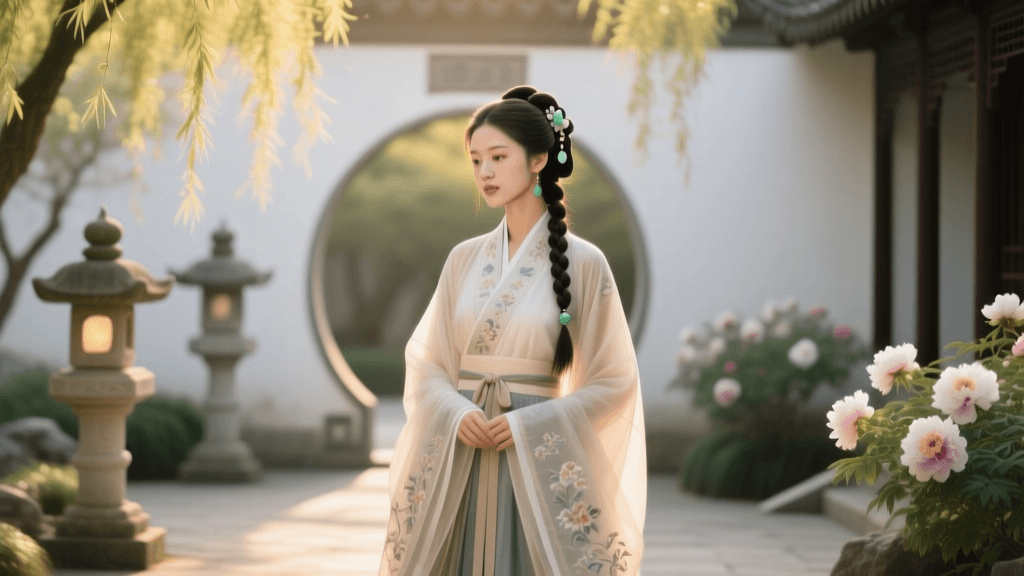
While BIFT focuses on construction, the CHPA program focuses on the wearer. This intensive 4-week workshop is designed for those who want to master the art of dressing, layering, and accessorizing. In 2026, the curriculum has been heavily updated to include regional variations in styling, moving beyond generic 'ancient' looks to specific, historically grounded regional aesthetics, such as the elaborate hair ornamentation (zanhua) of the Ming court versus the minimalist elegance of Song dynasty literati.
- Duration: 4 Weeks (Intensive, fully in-person in Xi'an and Hangzhou).
- 2026 Tuition: $1,400 USD (Includes all styling materials, hairpins, and historical makeup kits).
- Best For: Bridal stylists, cultural influencers, boutique owners, and etiquette coaches.
- Key Module: Historical color theory and the socio-political meaning of garment colors and motifs in different dynasties, ensuring stylists avoid cultural faux pas during ceremonial events.
3. The Global Hanfu Institute (GHI) - Eco-Dyeing and Textile Heritage Masterclass
For those passionate about the raw materials and sustainable practices of traditional dress, the GHI offers a highly specialized masterclass. This 8-week hybrid program dives deep into the natural dyeing methods that gave historical Hanfu its breathtaking colors. Students learn to extract pigments from madder root, indigo, pagoda tree buds, and pomegranate rinds, applying them to silk and ramie using traditional mordanting techniques.
- Duration: 8 Weeks (Online lectures with a shipped at-home eco-dyeing lab kit, plus a 3-day virtual reality dye-house tour).
- 2026 Tuition: $950 USD.
- Best For: Textile artists, sustainable fashion advocates, and artisan weavers.
- Key Module: Spectrophotometer analysis of historical fabric fragments to recreate lost dynasty-specific color palettes using only organic, eco-friendly materials.
2026 Program Comparison Chart
To help you choose the right path, here is a structured comparison of the top certification programs available this year.
| Program Name | Institution | Duration | 2026 Tuition | Format | Primary Focus |
|---|---|---|---|---|---|
| Structural Design Certificate | BIFT | 6 Months | $2,850 | Hybrid | Pattern cutting & garment construction |
| Stylist & Etiquette Instructor | CHPA | 4 Weeks | $1,400 | In-Person | Layering, hair, makeup & historical context |
| Eco-Dyeing Masterclass | GHI | 8 Weeks | $950 | Online/VR | Natural dyes, textiles & sustainability |
Core Curriculum: Beyond the Pleats and Collars
A common misconception is that Hanfu education is merely about learning how to sew a skirt. In reality, the 2026 curriculum for these top-tier certifications is deeply interdisciplinary. Students must study the socio-economic conditions that dictated fabric choices. For instance, understanding why the Mamianqun (horse-face skirt) utilized specific pleating techniques to allow for horseback riding while maintaining a dignified, static appearance when standing is crucial for historical accuracy.
Furthermore, modern certifications heavily emphasize the intersection of heritage and digital preservation. Students in the BIFT program, for example, are now required to use CLO 3D software to digitally reconstruct fragile, unearthed garments from the Mawangdui tombs. This digital archiving not only preserves the structural data of the garments but also allows designers to simulate how ancient silks would drape and move in real-time, bridging the gap between archaeological artifacts and wearable fashion.
Career Opportunities After Certification
Graduating with a recognized Hanfu certification in 2026 opens doors to a variety of lucrative and culturally significant career paths:
- Historical Drama Costume Director: With the boom in high-budget historical streaming series, production companies are hiring certified consultants to ensure the clothing accurately reflects the specific decade and social class of the characters.
- Museum Curator & Conservator: Cultural institutions globally are expanding their Asian textile wings. Certified professionals are needed to authenticate, restore, and properly display traditional garments, ensuring they are mounted without damaging the delicate flat-cut seams.
- Luxury Heritage Consultant: European and Asian luxury fashion houses frequently draw upon traditional Chinese motifs and silhouettes. Certified consultants guide these brands to ensure respectful, accurate, and historically informed collaborations, avoiding accusations of cultural appropriation.
- Bespoke Hanfu Atelier Owner: The high-end bridal and ceremonial market for custom-made, historically accurate Hanfu is booming. Certified tailors can charge premium prices for bespoke Zhifu (formal wedding attire) crafted from heritage silk and natural dyes.
How to Choose the Right Program for Your Goals
Selecting the right certification depends entirely on your professional background and future aspirations. If you are already a trained fashion designer but lack knowledge in historical Asian silhouettes, the BIFT Structural Design Certificate is non-negotiable; it will fundamentally change how you approach pattern making and fabric economy.
If your goal is to open a retail boutique, host cultural workshops, or become a prominent content creator in the traditional lifestyle space, the CHPA Stylist & Etiquette Instructor program provides the performative and historical knowledge necessary to educate and engage an audience. Finally, if you are a textile nerd, an eco-fashion advocate, or a hands-on artisan, the GHI Eco-Dyeing Masterclass will give you the scientific and historical foundation to create breathtaking, sustainable fabrics that honor the environment and the ancestors alike.
Conclusion
The year 2026 marks a turning point for traditional Chinese garments. The transition from hobbyist appreciation to professional, certified mastery ensures that the legacy of Hanfu will be preserved with the utmost respect and accuracy. By investing in one of these premier education workshops, you are not just learning to make or style clothes; you are becoming a vital custodian of Asian cultural heritage, equipped to bring the elegance and philosophy of traditional dress into the modern global consciousness.