Kimono vs Hanbok vs Cheongsam: 2026 Styling & Cost Guide
The Global Renaissance of Asian Formalwear in 2026
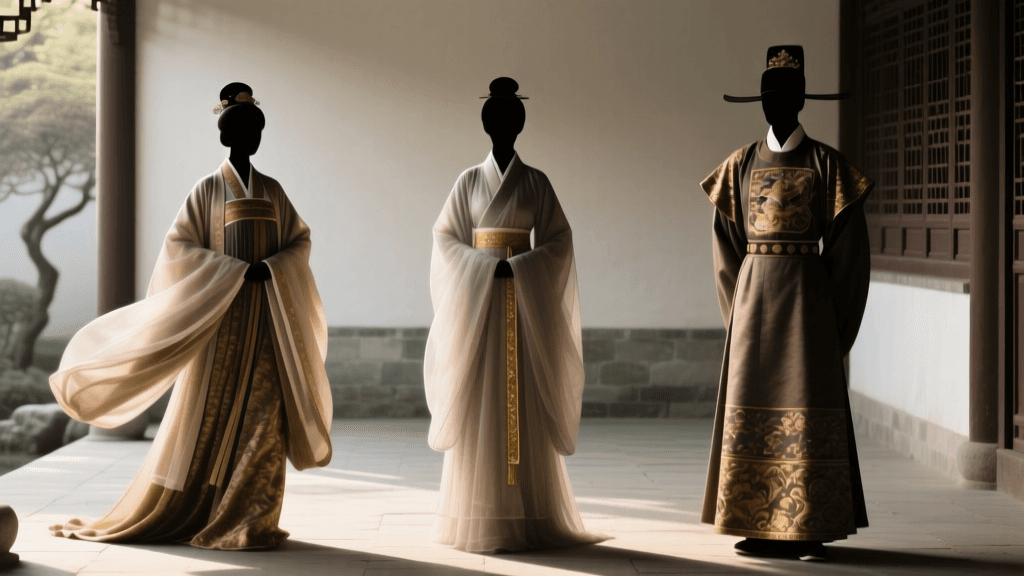
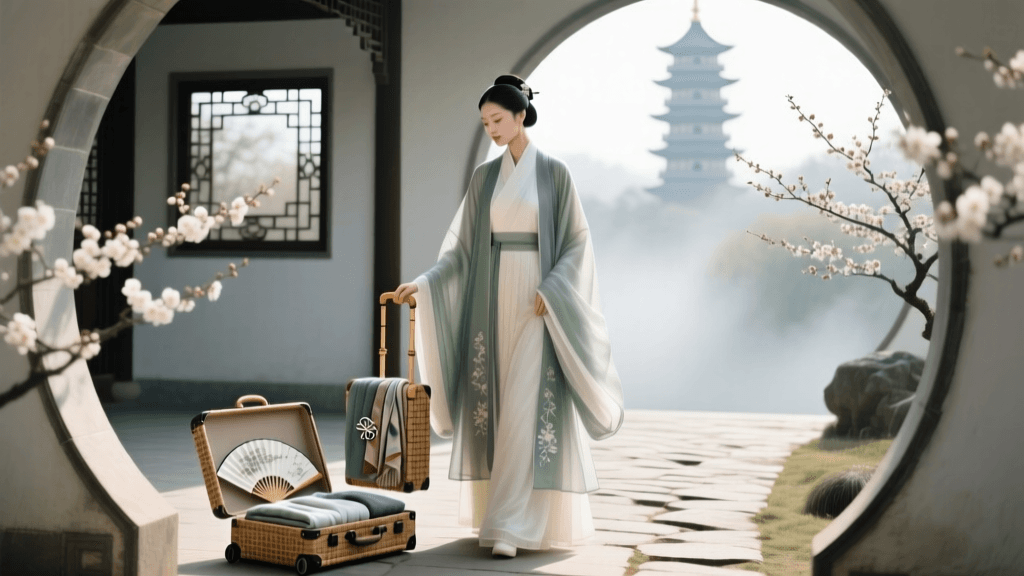
The global fashion landscape in 2026 has witnessed a profound renaissance in the appreciation and wearing of traditional Asian garments. No longer confined to historical reenactments or strictly regional ceremonies, the Japanese kimono, Korean hanbok, and Chinese cheongsam (qipao) have taken their rightful places on international red carpets, at high-society galas, and in modern bridal trousseaus. For collectors, fashion enthusiasts, and individuals attending multicultural formal events, choosing between these three iconic garments requires an understanding of their unique structural engineering, cultural significance, and current market dynamics. According to the Kyoto Costume Institute, the evolution of these garments reflects centuries of sartorial refinement, yet their 2026 iterations showcase a fascinating blend of ancestral techniques and cutting-edge sustainable textiles. This comprehensive guide compares the kimono, hanbok, and cheongsam across construction, styling, cost, and maintenance to help you make an informed investment for your formal wardrobe.
The Japanese Kimono: Structured Elegance and Heritage
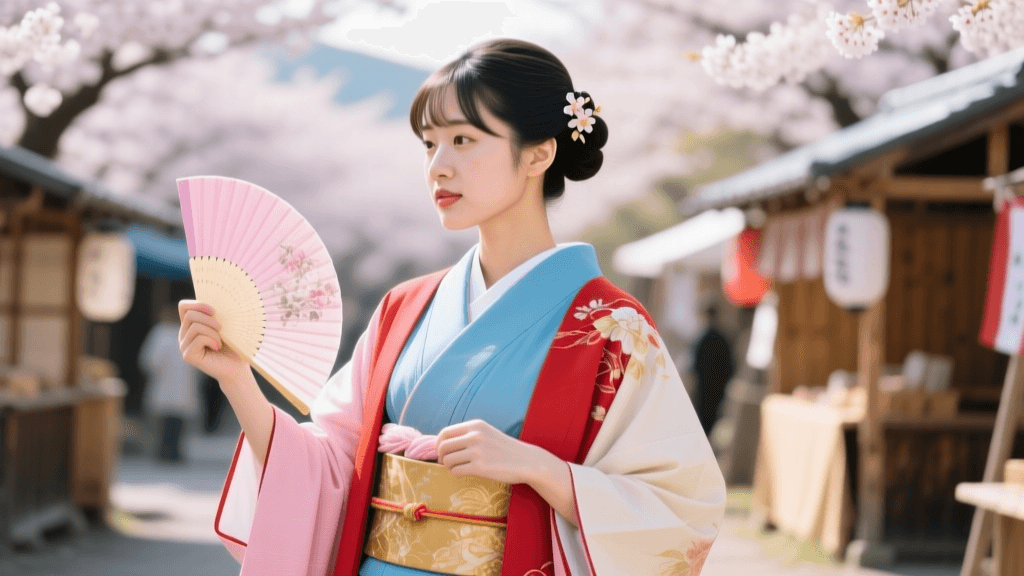
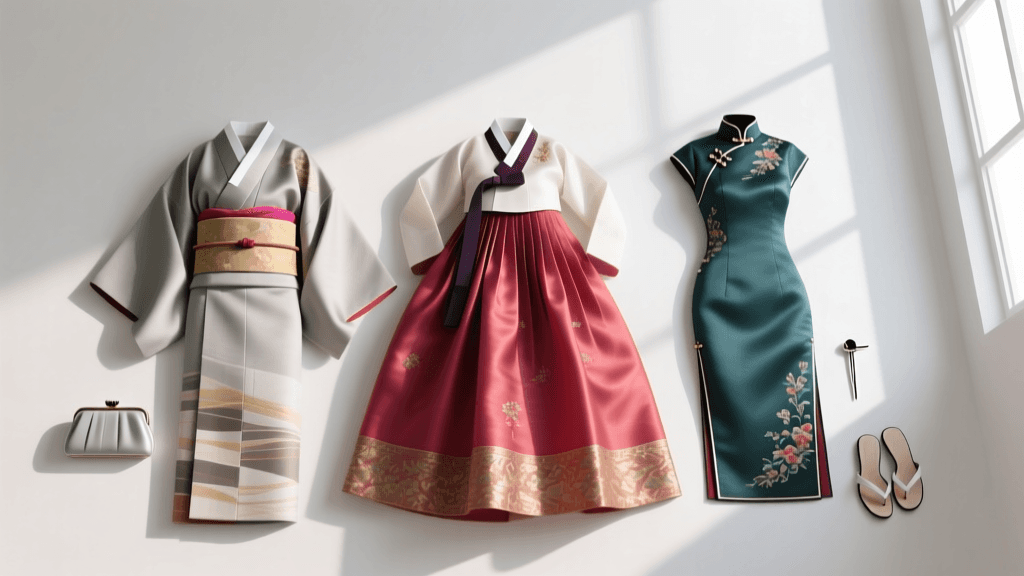
The kimono is a masterclass in flat-pattern construction and textile artistry. Unlike Western garments that are cut and tailored to follow the body's curves, the kimono is constructed from straight bolts of fabric, creating a T-shaped silhouette that wraps elegantly around the wearer. For formal events in 2026, the Houmongi (visiting dress) and Furisode (long-sleeved dress for unmarried women) remain the gold standards. The formality of a kimono is dictated not just by the garment itself, but by the intricate layering system. A proper formal kit includes the nagajuban (under-robe), date-eri (collar stiffener), the heavily brocaded obi (sash), and decorative accessories like the obijime (cord) and kanzashi (hair ornaments).
In 2026, styling the kimono for international galas often involves pairing it with contemporary minimalist jewelry or modern leather zori sandals to bridge the gap between heritage and avant-garde fashion. The cost of a bespoke, hand-painted silk Houmongi from a master artisan in Kyoto currently ranges from $3,500 to $8,000, reflecting the intense labor of yuzen dyeing. However, high-quality semi-formal options utilizing sustainable peace silk are available from modern ateliers for $1,200 to $2,500.
The Korean Hanbok: Volumetric Grace and Color Theory
The hanbok is celebrated for its vibrant color palettes and striking, volumetric silhouettes. The traditional women's formal hanbok consists of the jeogori (a short, cropped jacket) and the chima (a high-waisted, full, bell-shaped skirt). The structural brilliance of the hanbok lies in its ability to obscure the natural body shape while creating a sweeping, majestic line in motion. The crisp white dongjeong (removable paper collar) frames the face, providing a brilliant contrast to the vivid silks of the jeogori and chima.
Modern 2026 interpretations of the formal hanbok, often termed saenghwal hanbok or modernized formalwear, feature slightly elongated jeogori lengths and streamlined skirts that prevent tripping at crowded events while retaining the iconic bell shape. The Victoria and Albert Museum's Asia Collections frequently highlight the historical significance of Korean color theory (Obangsaek), which continues to influence modern designers who now utilize eco-friendly ramie blends and lab-grown spider silk to achieve the hanbok's signature crisp volume without the environmental toll of traditional heavy silk processing. A bespoke formal hanbok crafted by a recognized Seoul-based designer in 2026 typically costs between $1,500 and $4,000, depending on the complexity of the gold-leaf (geumbak) stamping on the sleeves.
The Chinese Cheongsam (Qipao): Tailored Precision and Silhouette
Where the kimono conceals and the hanbok creates volume, the Chinese cheongsam (or qipao) celebrates the natural silhouette through masterful tailoring. Originating in the 1920s and evolving continuously, the 2026 formal cheongsam is a marvel of precision. It features a high Mandarin collar, asymmetrical side closures fastened with intricate pankou (knotted buttons), and strategic side slits that allow for movement. The garment is typically darted at the waist and bust, requiring exact measurements to achieve its signature sleek, form-fitting drape.
In 2026, the bespoke cheongsam industry in Shanghai, Singapore, and Hong Kong has integrated 3D body-scanning technology to ensure flawless fits that accommodate the wearer's exact posture and proportions, eliminating the discomfort historically associated with rigid, tightly fitted qipaos. Modern formal styling often sees the cheongsam rendered in heavy, sustainable brocades or velvet, paired with statement drop earrings and sleek updos. A master-tailored, fully lined cheongsam with hand-knotted pankou and custom embroidery ranges from $1,800 to $5,500 in 2026, representing a significant but enduring investment in wearable art.
Textile Innovations and Sustainability in 2026
A major cross-garment trend in 2026 is the shift toward sustainable luxury. Traditional silk production, while historically vital, is being supplemented by innovative alternatives. As noted by preservation guidelines at UNESCO's Intangible Cultural Heritage registry, protecting traditional weaving techniques is paramount, but modern weavers are adapting. We are seeing the rise of lotus-silk blends in cheongsam tailoring, lab-grown peace silk for kimono obi sashes, and recycled synthetic organzas that provide the necessary structural stiffness for hanbok chimas without relying on harsh chemical stiffeners. These innovations allow wearers to honor the aesthetic traditions of Asian formalwear while aligning with modern ecological values.
2026 Formal Wear Comparison Matrix
| Feature | Japanese Kimono (Houmongi) | Korean Hanbok (Formal) | Chinese Cheongsam (Qipao) |
|---|---|---|---|
| Silhouette | T-shaped, cylindrical, layered | High-waisted, volumetric bell-shape | Form-fitting, darted, sleek |
| 2026 Base Cost | $1,200 - $8,000+ | $1,500 - $4,000 | $1,800 - $5,500 |
| Dressing Time | 45 - 90 mins (Requires professional kitsuke) | 15 - 25 mins (Self-dressable with practice) | 5 - 10 mins (Self-dressable, zipper/pankou) |
| Maintenance | High (Specialist spot-cleaning, air-drying) | Medium (Dry clean, careful folding) | Medium (Gentle dry clean, padded hangers) |
| Best Formal Use | Tea ceremonies, traditional weddings, state galas | Chuseok, weddings, cultural festivals | Red carpets, cocktail parties, evening banquets |
Investment, Sourcing, and Garment Care
Acquiring a high-quality traditional garment in 2026 requires navigating a market that blends heritage ateliers with modern digital storefronts. For kimonos, sourcing directly from certified dealers in Kyoto or utilizing reputable international vintage-curators who specialize in unworn shinbisa (deadstock) is highly recommended. For hanboks, Seoul's Bukchon Hanok Village remains the epicenter for bespoke commissions, though many master tailors now offer virtual consultations and 3D-measurement apps for international clients. Cheongsam enthusiasts should seek out heritage tailors in Hong Kong or Shanghai who still practice the art of hand-stitched pankou knots, a dying art that significantly elevates the garment's value.
Garment care has also evolved. Traditional dry cleaning chemicals can degrade natural silk dyes over time. In 2026, the industry standard for luxury Asian formalwear is liquid CO2 cleaning, an eco-friendly, non-toxic process that removes stains without stripping the fabric of its natural luster or causing shrinkage. Furthermore, smart-storage solutions—such as climate-controlled, cedar-lined garment boxes equipped with passive humidity regulators—are now considered essential for protecting heavy brocades and delicate yuzen dyes from environmental degradation.
Conclusion
Choosing between the kimono, hanbok, and cheongsam ultimately depends on the wearer's desired silhouette, the nature of the formal event, and an appreciation for the distinct cultural narratives each garment carries. Whether you are drawn to the architectural layering of the kimono, the majestic volume of the hanbok, or the sleek, tailored precision of the cheongsam, investing in these garments in 2026 is an embrace of living history. By understanding their construction, modern styling potential, and proper care, you ensure that these masterpieces of Asian sartorial heritage continue to grace the global stage with elegance and respect.