Hanfu Travel Wardrobe 2026: Packing Essentials & Destinations
The Global Rise of the Hanfu Travel Wardrobe in 2026
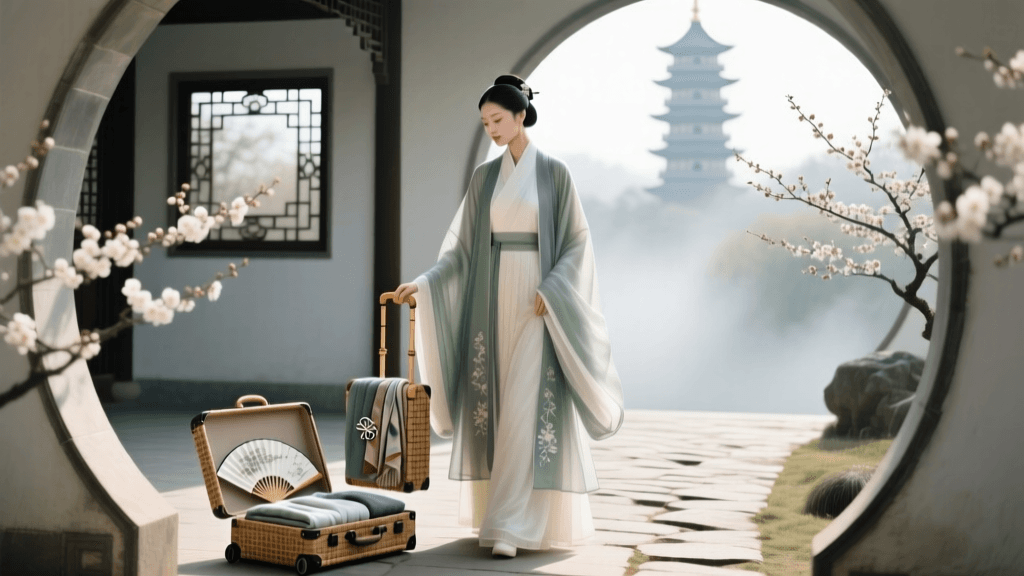
As we navigate the 2026 global travel landscape, the traditional Chinese garment known as Hanfu has transcended local festivals to become a staple of international cultural tourism and global street style. With high-speed rail networks expanding across Asia and international flight routes fully optimized post-2025, enthusiasts are no longer just wearing Hanfu in Xi'an or Beijing; they are packing these intricate garments for destinations ranging from the Zen gardens of Kyoto to the fashion-forward streets of Paris. However, traveling with traditional attire presents unique logistical challenges. From managing delicate silk pleats to coordinating multi-layered ensembles across different climate zones, building a functional Hanfu travel wardrobe requires strategic planning. This comprehensive 2026 guide covers everything from selecting wrinkle-resistant historical silhouettes to the latest smart-packing gear, ensuring your traditional garments arrive at your destination in pristine condition.
Building Your 2026 Hanfu Travel Capsule Wardrobe
A successful travel capsule relies on versatility, layering, and fabric technology. In 2026, textile manufacturers have perfected the blend of historical aesthetics with modern travel-friendly materials. When selecting pieces for your suitcase, prioritize silhouettes that offer maximum styling options with minimal packing bulk.
The Ming Dynasty Mamianqun (Horse-Face Skirt)
The Mamianqun remains the undisputed champion of Hanfu travel. Its structured, flat-front pleats and durable waistband make it remarkably resilient in a suitcase. For 2026, look for Mamianqun woven from Tencel-silk crepe blends. These modern jacquard weaves mimic the heavy, luxurious drape of traditional brocade but are engineered to resist deep creasing. A neutral-toned Mamianqun (such as slate grey or deep navy) can be paired with a traditional Ao (jacket) for formal temple visits, or dressed down with a modern cashmere turtleneck for a contemporary fusion look while exploring European capitals.
The Song Dynasty Beizi (Lightweight Duster)
The Beizi is an essential layering piece. Functioning similarly to a longline cardigan or duster, this open-front garment adds elegance to any outfit without adding restrictive bulk. Pack a Beizi made from ramie or high-grade synthetic chiffon. These materials are incredibly lightweight, dry rapidly if caught in a sudden spring shower, and provide just enough coverage for conservative sites or air-conditioned transit hubs.
The Tang Dynasty Banbi (Short-Sleeved Jacket)
For tropical destinations like Bali, Singapore, or summer trips to Southern Europe, the Banbi is your best ally. This half-sleeved jacket is designed for warmer climates and allows for maximum mobility. Opt for 2026's popular 'ice-silk' viscose blends, which offer a cooling touch against the skin and pack down to the size of a standard t-shirt.
2026 Hanfu Packing Matrix: Climate and Fabric Guide
Choosing the right garment for your destination's microclimate is crucial. The table below outlines the optimal pairings for the 2026 travel season.
| Garment Type | Best Destination Climate | 2026 Fabric Recommendation | Packing Method |
|---|---|---|---|
| Ming Mamianqun | Temperate / Cool (e.g., London, Kyoto) | Tencel-Silk Jacquard | Rolling along the pleat lines |
| Song Beizi | Mild / Variable (e.g., Paris, Seattle) | Ramie or Crepe Chiffon | Fold and compress in packing cube |
| Tang Banbi | Tropical / Hot (e.g., Singapore, Rome) | Ice-Silk Viscose Blend | Standard flat fold |
| Winter Pifeng (Cape) | Freezing / Snow (e.g., Hokkaido, Alps) | Wool-blend with faux-fur trim | Vacuum compression bag |
Essential Packing Gear for the Modern Hanfu Enthusiast
The days of stuffing delicate garments into standard luggage are over. The 2026 travel market has introduced specialized gear tailored specifically for traditional and historical wardrobes.
Smart Dual-Voltage Travel Steamers
A portable steamer is non-negotiable. The latest 2026 models feature dual-voltage capabilities and ceramic-coated steam plates that are safe for delicate embroidered silks. Look for steamers that heat up in under 30 seconds and offer a continuous steam output of at least 20 grams per minute to easily release stubborn pleat creases in a hotel bathroom.
Anti-Slip Silicone Skirt Clips
One of the most viral Hanfu accessories of 2026 is the anti-slip silicone waistband clip. Traditional skirts rely on ties, which can loosen during long days of walking or while navigating crowded subways. These discreet, medical-grade silicone clips grip the inner waistband of your Mamianqun to your undergarments, ensuring your skirt stays perfectly anchored without constant readjustment.
Specialized Garment Folders
For heavily embroidered Aoqun (jacket and skirt sets), consider investing in a rigid, tri-fold garment board. These boards prevent the garment from bending at awkward angles inside your suitcase, protecting delicate metallic thread embroidery from snapping or fraying during transit.
Destination-Specific Styling and Cultural Etiquette
Where you travel dictates not just what you pack, but how you style it. According to National Geographic's China Travel guides, cultural immersion through dress is highly encouraged in historical hubs, but requires nuance when taken globally.
Xi'an, China: The Epicenter of Tang Dynasty Glamour
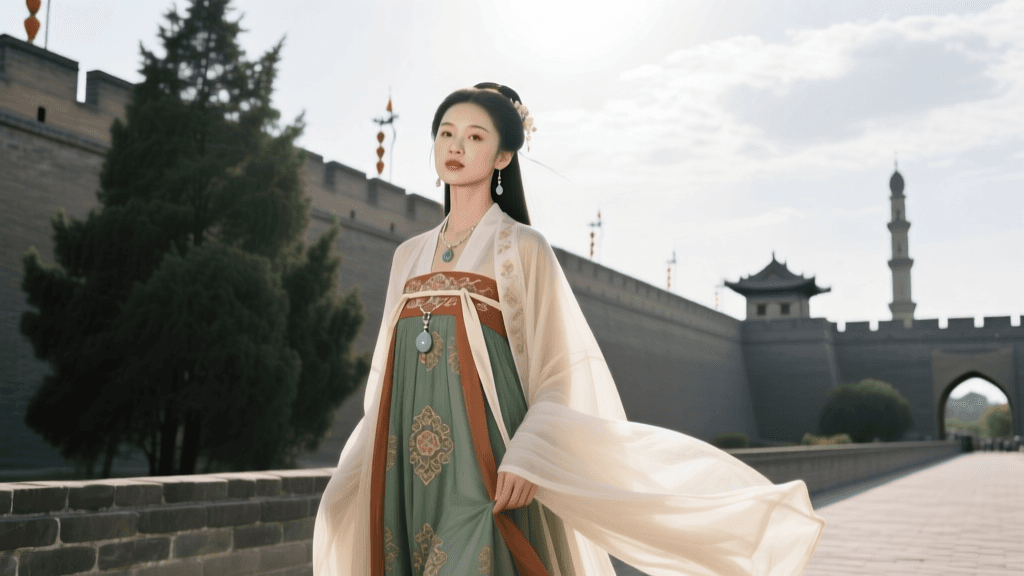
Xi'an's Datang Everbright City is the ultimate playground for Hanfu enthusiasts. Here, the architecture and lighting are designed to complement the sweeping silhouettes and vibrant colors of Tang Dynasty attire. Pack a Qixiong Ruqun (chest-high skirt) in jewel tones like ruby or emerald. The 2026 evening light shows in Xi'an are optimized for reflective fabrics, so garments with subtle metallic threading will photograph spectacularly.
Kyoto, Japan: Ming Dynasty Elegance in Zen Spaces
When visiting Kyoto's Arashiyama bamboo grove or historic temples, the Ming Dynasty aesthetic harmonizes beautifully with the structured, serene environment. Opt for a longer, grounded Beizi and a subdued Mamianqun. As historical textile exchange is a well-documented phenomenon—highlighted by the UNESCO Silk Roads Programme—wearing Ming-style garments in Japan feels like a respectful nod to the deep historical and cultural exchanges between the two nations during the Ming and Muromachi periods.
Paris, France: Street Style Fusion
Parisian street style in 2026 heavily embraces global heritage fusion. In Paris, treat your Hanfu pieces as high-fashion separates. Pair a heavily embroidered Song dynasty top with tailored, wide-leg modern trousers, or wear a Mamianqun with a crisp, oversized white button-down shirt and leather boots. This approach respects the garment's craftsmanship while adapting it for the fast-paced, fashion-forward environment of the Marais district.
Navigating Airport Security and Transit
Traveling with Hanfu involves more than just the clothes; it includes the intricate accessories that complete the look. Metal hairpins, elaborate Buyao (step hairpins), and metallic brooches can trigger airport security alarms. In 2026, the best practice is to pack all metal hair accessories in a dedicated, padded jewelry roll and place them in your carry-on's easy-access pouch. Avoid wearing full traditional metal headpieces through TSA or international security checkpoints to prevent delays and the risk of delicate wirework being bent or broken during manual inspections.
Garment Care and Maintenance on the Road
Maintaining traditional garments far from home requires a proactive approach to fabric care. The Textile Society of America frequently notes that improper cleaning is the leading cause of textile degradation. When traveling, avoid harsh hotel detergents.
- Spot Cleaning: Carry a waterless enzymatic stain removal pen. These are safe for protein-based silk fibers and can lift accidental food stains without requiring a full wash.
- Odor Removal: Instead of washing after every wear, hang your garments in a well-ventilated space and use a fabric refresher spray formulated specifically for natural fibers. Hanging garments in the bathroom while you take a hot shower is also an excellent, water-free way to release light wrinkles and odors.
- Storage: Pack a small muslin bag filled with cedar blocks. Placing this in your suitcase with your Hanfu prevents moisture buildup and deters pests, which is especially important when traveling to humid tropical destinations.
Conclusion: Embracing the Journey
The 2026 Hanfu travel movement is a testament to the enduring appeal and adaptability of traditional Asian garments. By thoughtfully curating a capsule wardrobe, investing in specialized packing technology, and understanding the cultural context of your destinations, you can seamlessly integrate historical fashion into your global adventures. Whether you are walking the ancient walls of Xi'an or sipping coffee in a Parisian cafe, your Hanfu wardrobe is ready to cross borders, turning every journey into a beautiful expression of living heritage.