Kimono vs Hanbok vs Cheongsam: 2026 Styling & Buyer Guide
The Heritage Wardrobe: Navigating Asian Traditional Garments in 2026
The global fashion landscape in 2026 has fully embraced heritage garments not merely as historical artifacts, but as living, breathing elements of modern formal and semi-formal wardrobes. For collectors, stylists, and individuals attending high-profile cultural events, weddings, or galas, choosing the right traditional attire requires an understanding of construction, cultural context, and modern market availability. The three most globally recognized pillars of East Asian traditional dress—the Japanese kimono, the Korean hanbok, and the Chinese cheongsam (qipao)—each offer distinct silhouettes, tailoring philosophies, and styling requirements.
Whether you are investing in a bespoke piece or navigating the booming vintage and rental markets, this comprehensive 2026 comparison will help you understand the structural differences, current pricing, and practical care requirements of these iconic garments. For deeper historical context on these textiles, the Victoria and Albert Museum's Asian Collections and the Metropolitan Museum of Art's Asian Art Department remain unparalleled authoritative resources.
The Kimono (Japan): Linear Elegance and Structured Volume
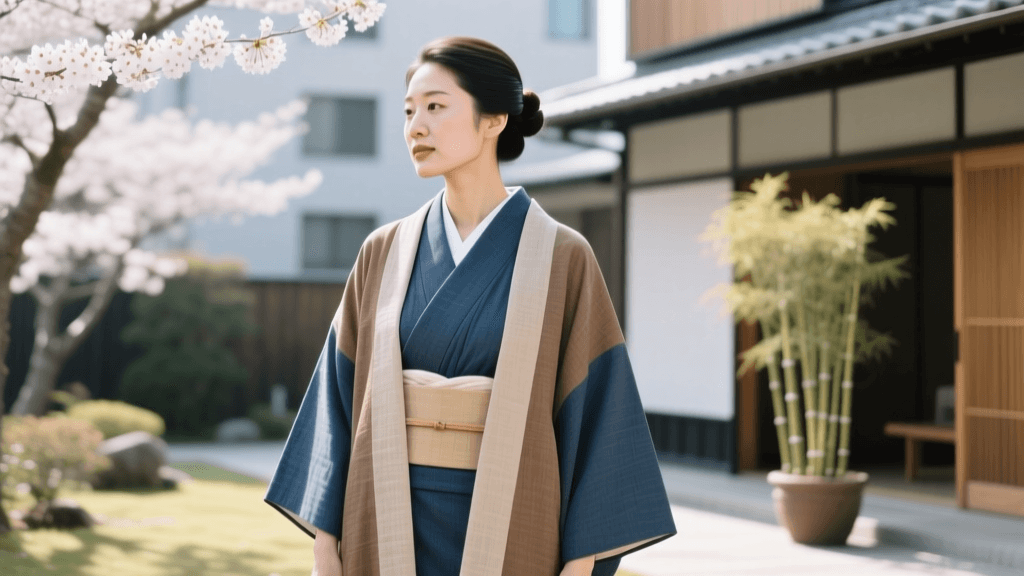
Unlike Western tailoring, which cuts fabric to conform to the body's natural curves, the traditional kimono is constructed from straight, uncut bolts of fabric known as tanmono. This zero-waste, linear construction creates a T-shaped silhouette that drapes elegantly, relying entirely on the obi (sash) and internal padding to shape the garment to the wearer.
2026 Trends and Market Realities
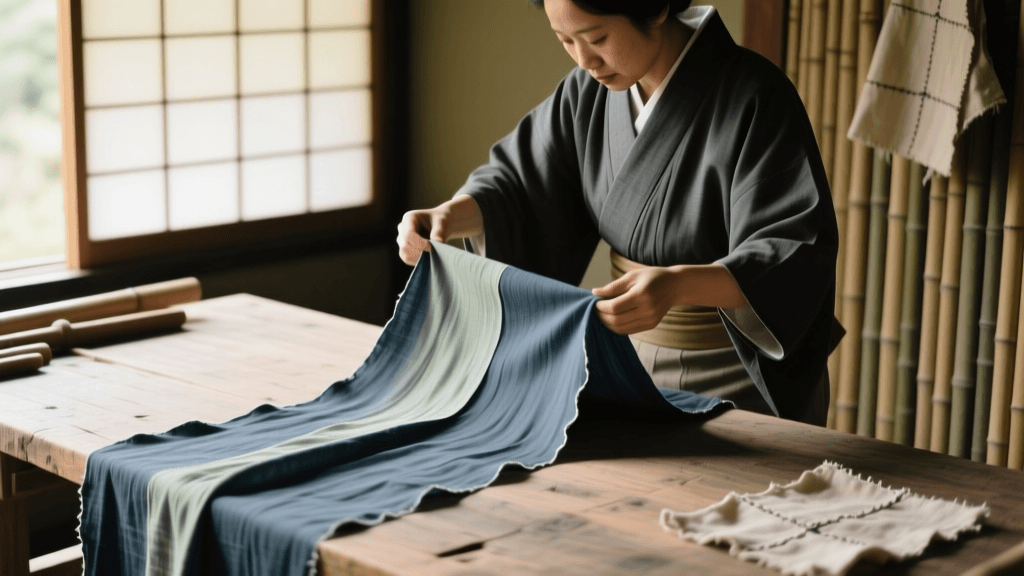
In 2026, the kimono market is heavily driven by sustainability and upcycling. Because a standard tanmono is roughly 12 meters long and 36 centimeters wide, vintage kimono are frequently deconstructed and re-dyed or tailored into modern outerwear. For formal events, the houmongi (visiting kimono) and furisode (long-sleeved kimono for unmarried women) remain the gold standard. Modern styling in Tokyo and Kyoto now frequently pairs traditional silk kimono with contemporary obijime (decorative cords) featuring metallic threads or 3D-printed resin obidome (brooches).
Investment and Sizing
- Bespoke / New Silk: $1,500 to $4,500+ (excluding the obi, which can cost an additional $800 to $3,000).
- Vintage / Secondhand: $150 to $600 for excellent condition pieces.
- Sizing: Kimono are generally one-size-fits-most in width, but the length must be adjusted via the ohashori (the fold at the waist). When buying, your height is the most critical measurement; the garment should ideally be within 10 cm of your total height.
The Hanbok (Korea): Vibrant Proportions and Flowing Movement
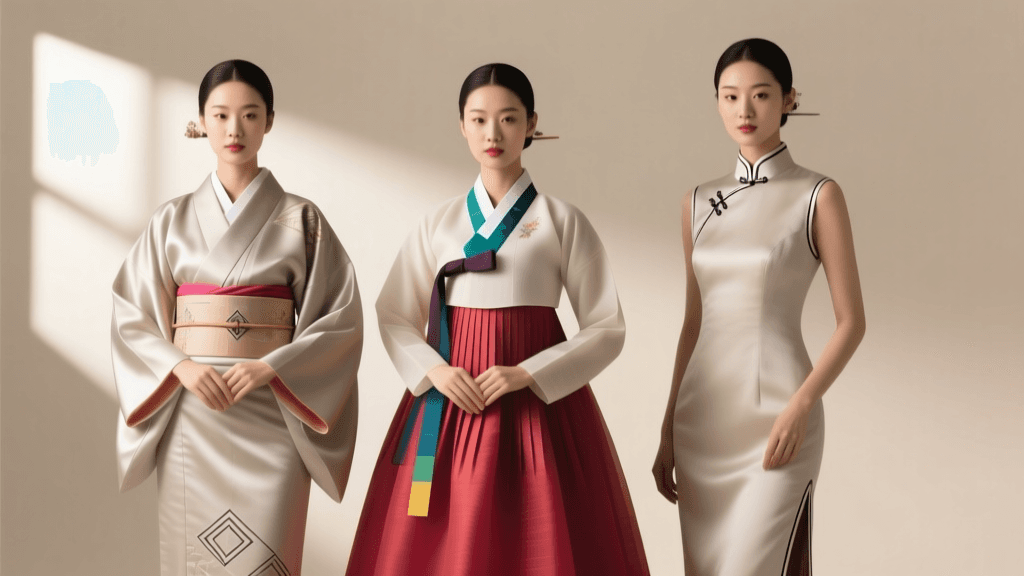
The structural brilliance of the hanbok lies in its contrasting proportions: a fitted, cropped upper garment (jeogori) paired with a dramatically voluminous, high-waisted lower garment (chima for women, baji for men). The sleeves of the jeogori feature a distinctive, gentle curve known as baerae, mimicking the eaves of traditional Korean architecture.
2026 Trends and Market Realities
The 'Daily Hanbok' movement has completely matured by 2026. Designers are utilizing lightweight, breathable ramie and advanced washable tech-silk blends, making the garment highly practical for summer weddings and outdoor garden parties. While ceremonial garments like the heavily embroidered hwalot or wonsam are still reserved for traditional weddings, the modern formal hanbok features streamlined goreum (coat ties) and slightly lowered waistlines to accommodate contemporary aesthetics without losing the iconic bell-shaped silhouette.
Investment and Sizing
- Designer Daily / Modern Formal: $250 to $900.
- Traditional Ceremonial (Bespoke): $1,200 to $3,000+.
- Sizing: Hanbok are highly forgiving due to the tie-fastened chima and wrap-style jeogori. However, bespoke pieces require precise shoulder and sleeve-length measurements to ensure the baerae curve sits correctly at the wrist.
The Cheongsam / Qipao (China): Masterful Tailoring and Form
The cheongsam represents a fascinating intersection of Eastern tradition and Western tailoring. Originating from the loose-fitting robes of the Manchu people, it was radically transformed in 1920s Shanghai into the form-fitting, side-slit garment recognized today. It relies on precise darting, a stiff Mandarin collar, and intricate pankou (knotted fabric buttons).
2026 Trends and Market Realities
In 2026, the Shanghai bespoke revival is in full swing, with tailors utilizing 3D body scanning to ensure the side slits and hemlines fall perfectly when the wearer is in motion. Modern formal cheongsam frequently incorporate stretch-silk blends and sustainable brocades, offering greater mobility than the rigid silks of the past. Minimalist, sleeveless variations with hidden side zippers and subtle, tonal pankou knots are highly sought after for black-tie events and red-carpet appearances.
Investment and Sizing
- Ready-to-Wear (High Street): $150 to $400.
- Bespoke / Master Tailored: $600 to $2,500+.
- Sizing: The cheongsam is the least forgiving of the three garments. It requires exact measurements of the bust, waist, hips, and shoulder width. A properly fitted cheongsam should allow for comfortable breathing and sitting without pulling at the side slits or collar.
Garment Comparison Matrix (2026 Data)
| Feature | Kimono (Japan) | Hanbok (Korea) | Cheongsam (China) |
|---|---|---|---|
| Silhouette | T-shaped, linear, floor-length | Bell-shaped, high-waisted volume | Form-fitting, tailored, side-slits |
| Primary Fastening | Obi (sash) & Obijime (cord) | Goreum (fabric ties) | Pankou (knots) & hidden zipper |
| 2026 Fabric Trends | Upcycled silk, washable crepe | Lightweight ramie, tech-blends | Stretch-silk, sustainable brocade |
| Avg. Bespoke Cost | $1,500 – $4,500+ | $600 – $2,000 | $400 – $2,500 |
| Dressing Time | 45 – 60 mins (needs assistance) | 10 – 15 mins (self-sufficient) | 5 – 10 mins (self-sufficient) |
| Undergarments | Nagajuban, hadajuban, padding | Sokgot (multiple underskirts) | Seamless slip, nude undergarments |
Practical Buying and Archival Care Guide
Where to Buy Authentically
As the demand for traditional garments has surged, so has the market for mass-produced, culturally inaccurate costumes. In 2026, serious buyers should avoid generic fast-fashion platforms. For kimono, utilize established Japanese proxy services or certified vintage dealers based in Kyoto who provide detailed condition reports regarding silk rot (suji) and staining. For hanbok, look for designers certified by the Hanbok Advancement Center or established boutiques in Seoul's Bukchon Hanok Village. For cheongsam, bespoke tailors in Shanghai's Former French Concession or established heritage brands in Hong Kong offer the highest quality construction and authentic pankou knotting.
Storage and Maintenance
Proper care is essential to protect your investment. Each garment requires a specific storage philosophy:
- Kimono: Never store silk kimono on hangers; the weight of the fabric will distort the straight seams. Fold them using tatoushi (acid-free, breathable paper) and store them flat in a tansu or a modern paulownia wood box (tatoushi), which naturally regulates humidity and repels insects. Unfold and air them out twice a year in the shade.
- Hanbok: Modern tech-blend hanbok can often be gently hand-washed, but traditional silk or ramie pieces must be dry-cleaned. Store the chima folded, but the jeogori should be lightly padded at the shoulders if hung, to maintain the structural integrity of the collar.
- Cheongsam: Always hang cheongsam on wide, padded hangers to preserve the tailored shoulder line and prevent the delicate silk from stretching. Use a breathable cotton garment bag—never plastic, which traps moisture and causes yellowing—and include natural cedar blocks to deter moths.
Final Thoughts for the Modern Wearer
Choosing between the kimono, hanbok, and cheongsam ultimately depends on the nature of your event, your comfort with complex dressing, and your personal aesthetic. The kimono offers unparalleled artistic canvas and structured elegance; the hanbok provides joyful movement and vibrant, forgiving volume; while the cheongsam delivers sophisticated, bespoke tailoring that highlights the natural form. By understanding the unique construction and 2026 market realities of each, you can confidently build a heritage wardrobe that honors tradition while embracing contemporary elegance.