Kimono vs Hanbok vs Cheongsam: 2026 Formal Wear Guide
The Resurgence of East Asian Formal Wear in 2026
The landscape of global formal and ceremonial fashion has witnessed a profound renaissance by 2026, with traditional East Asian garments taking center stage at international galas, high-profile weddings, and cultural diplomatic events. Discarding the notion that traditional dress is relegated to historical reenactments or strictly local holidays, modern sartorialists are now embracing the Japanese kimono, the Korean hanbok, and the Chinese cheongsam (qipao) as viable, breathtaking alternatives to Western evening gowns and tuxedos. However, selecting the right garment requires a nuanced understanding of their distinct silhouettes, construction methods, and cultural etiquettes.
Whether you are attending a spring wedding in Kyoto, a high-society banquet in Seoul, or a formal tea ceremony in Shanghai, understanding the architectural differences between these three iconic garments is essential. This comprehensive 2026 guide compares the kimono, hanbok, and cheongsam, detailing their construction, modern textile innovations, and how to style them for contemporary ceremonial occasions.
Kimono: The Architecture of Japanese Elegance
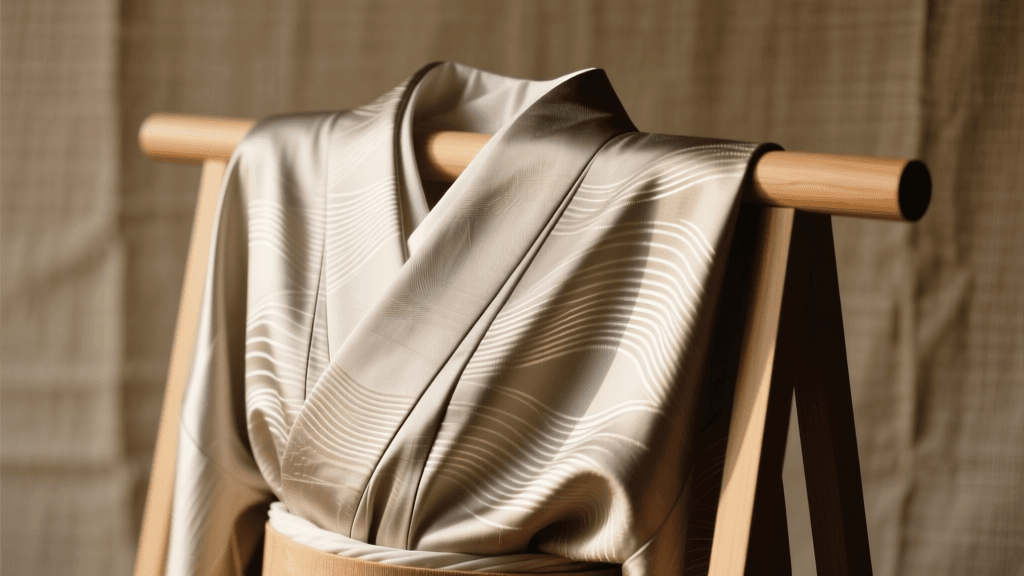
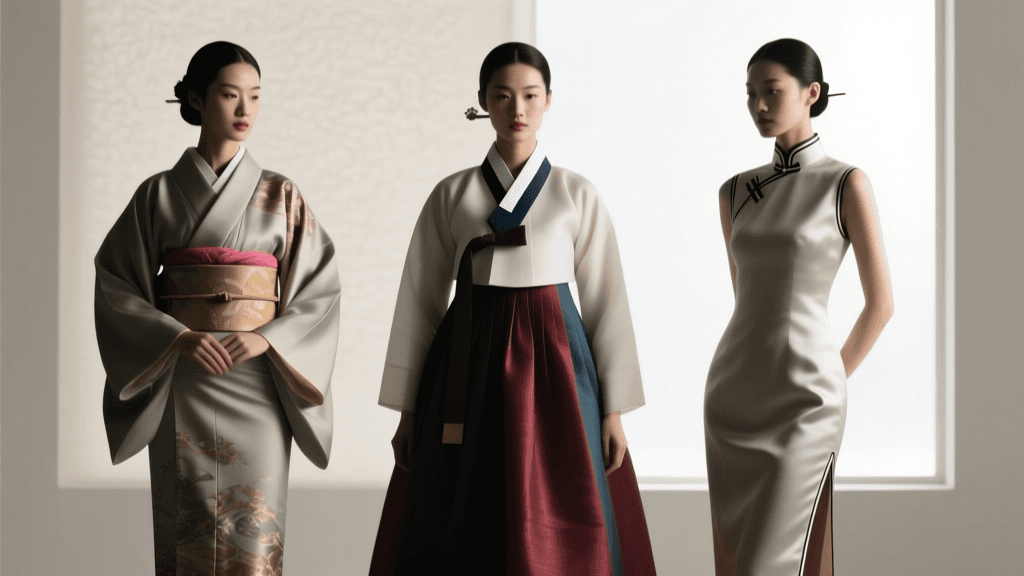
The Japanese kimono is a masterclass in linear geometry and surface design. Unlike Western garments that are cut to follow the curves of the human body, the kimono is constructed from straight bolts of fabric (tanmono), resulting in a T-shaped, cylindrical silhouette. The aesthetic focus is not on the physical form of the wearer, but on the drape, the layering, and the intricate textile artistry—ranging from Yuzen dyeing to Nishijin weaving.
Construction and 2026 Textile Innovations
Traditional formal kimono, such as the kurotomesode (for married women) or furisode (for unmarried women), are heavily structured. The silhouette is shaped entirely by the obi (sash) and the padding used to create a smooth, tubular foundation. In 2026, the kimono market has seen a massive shift toward sustainability. According to the Victoria and Albert Museum, contemporary kimono artisans are increasingly utilizing upcycled vintage silks and innovative, washable peace-silk blends that maintain the luxurious drape of traditional habutai silk without the environmental toll of conventional sericulture.
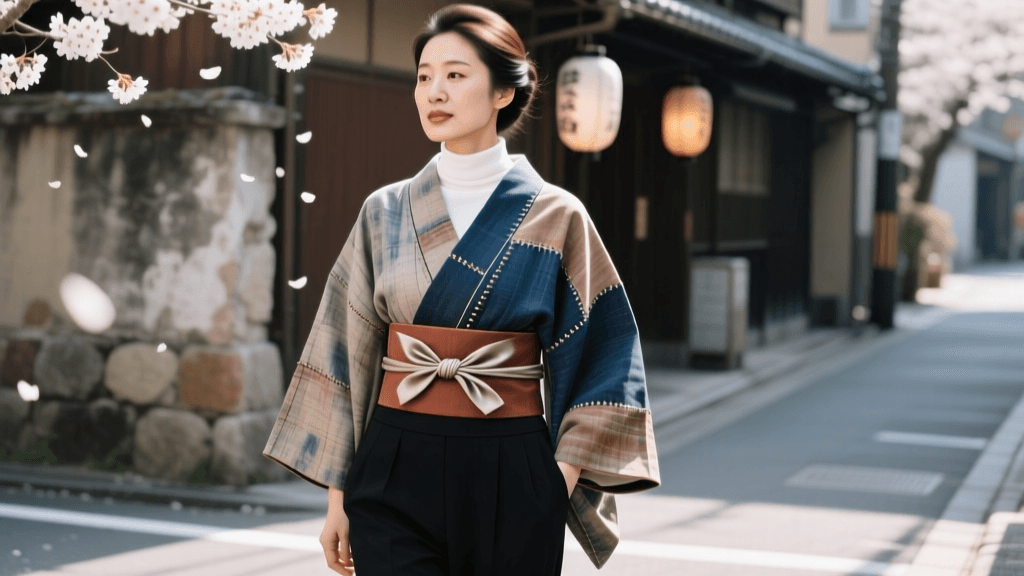
For formal events in 2026, the trend leans heavily toward 'neo-vintage' styling. Wearers are pairing antique Taisho-era obi belts with modern, solid-colored crepe kimono, creating a striking contrast that honors tradition while feeling distinctly contemporary. The cost of a fully bespoke, hand-painted formal kimono in 2026 starts around $4,500 USD, though high-end rental services in Tokyo and Kyoto offer premium packages for approximately $250 USD per day, including professional dressing services (kitsuke).
Hanbok: The Voluminous Grace of Korean Heritage
In stark contrast to the linear restraint of the kimono, the Korean hanbok is defined by its voluminous, bell-like silhouette and vibrant color harmonies. The traditional women's hanbok consists of the jeogori (a short, cropped jacket) and the chima (a full, high-waisted wrap skirt). The men's equivalent pairs the jeogori with baji (roomy, tied trousers). The beauty of the hanbok lies in its curved lines, particularly the baerae (the curved bottom line of the jeogori's sleeves) and the flowing goreum (the long, tied ribbons at the front).
Modern Saenghwal Hanbok for Formal Events
While traditional hanbok remains the strict standard for ancestral rites (charye) and traditional weddings, the 'saenghwal' (daily life) hanbok movement has evolved dramatically by 2026 to encompass formal evening wear. Modern formal hanbok now frequently incorporates Western-style structural elements, such as hidden zippers in the chima for easier wear, and lighter, more breathable fabrics like silk organza and metallic-threaded chiffon. The Korea.net Cultural Heritage Portal notes that contemporary designers are actively experimenting with global color palettes, moving beyond the traditional obangsaek (five cardinal colors) to include muted pastels, deep jewel tones, and monochromatic schemes suitable for black-tie galas.
The 2026 formal hanbok market is highly accessible. A custom-tailored, modern formal hanbok from a boutique in Seoul's Bukchon Hanok Village typically ranges from $800 to $2,200 USD, depending on the complexity of the embroidery and the grade of the silk used. The silhouette is universally forgiving, as the voluminous chima skims over the lower body, making it an incredibly comfortable option for long ceremonial dinners.
Cheongsam (Qipao): The Tailored Form of Chinese Couture
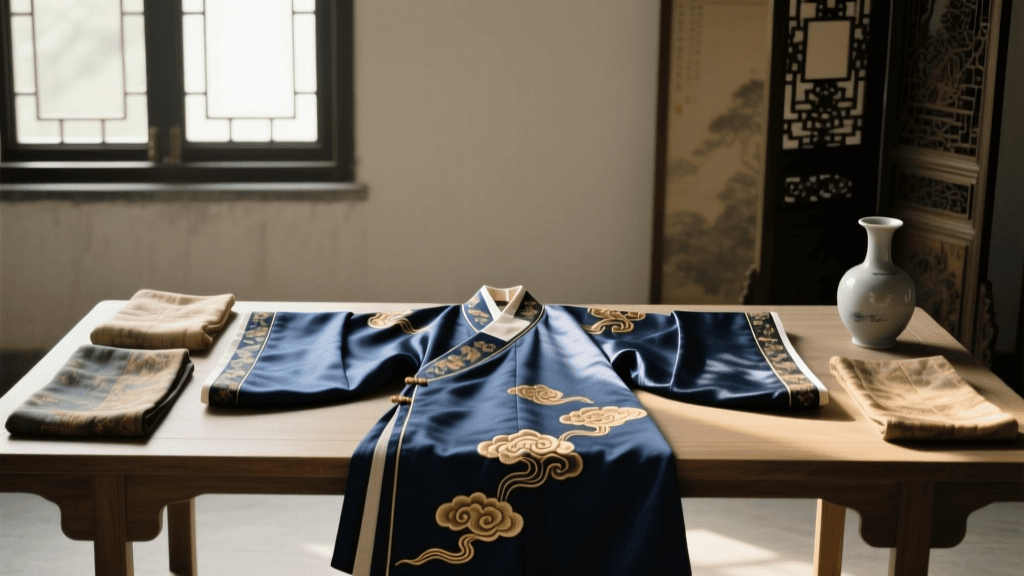
Where the kimono hides the body's contours and the hanbok exaggerates volume, the Chinese cheongsam (or qipao) celebrates the natural form. Originating in the 1920s as a symbol of modern femininity and gender equality, the contemporary cheongsam is a masterwork of three-dimensional tailoring. Characterized by its mandarin collar, asymmetrical front opening, pankou (knotted buttons), and high side slits, the cheongsam requires a precise, bespoke fit to flatter the wearer's silhouette.
The 2026 Bespoke Cheongsam Market
In 2026, the cheongsam has fully embraced advanced tailoring technologies. While traditional masters in Shanghai and Hong Kong still rely on hand-measured darting and bias-cutting to achieve the perfect fit, many top-tier ateliers now utilize 3D body scanning to map the wearer's exact proportions before cutting the fabric. This ensures that the rigid brocades and delicate silks move seamlessly with the body. According to cultural archives documented by China Highlights, the modern qipao is highly adaptable; it can be tailored to knee-length for cocktail parties or floor-length with a dramatic train for weddings.
The 2026 textile trends for formal cheongsams favor stretch-silk blends and lightweight velvet, which provide the structural integrity needed for the mandarin collar while offering unprecedented comfort. A bespoke, hand-finished cheongsam from a reputable Shanghai atelier currently starts at $1,500 USD, with haute couture pieces featuring hand-embroidered Suzhou silk work exceeding $10,000 USD. For those seeking immediate options, high-end ready-to-wear brands in Singapore and Taipei offer premium formal qipaos in the $400 to $900 USD range.
Comparative Analysis: Silhouette, Tailoring, and Cost
To help you decide which garment best suits your 2026 event calendar, we have broken down the core differences in construction, styling, and market pricing.
| Feature | Japanese Kimono | Korean Hanbok | Chinese Cheongsam |
|---|---|---|---|
| Silhouette | Linear, cylindrical, T-shaped | Voluminous, bell-shaped, high-waisted | Form-fitting, tailored, 3D contoured |
| Primary Fastening | Obi (wide sash) and ties | Goreum (front ribbon ties) | Pankou (knotted buttons) and hidden zippers |
| Tailoring Method | Flat pattern cutting (straight bolts) | Flat cutting with curved seams (baerae) | 3D tailoring with darts and bias cuts |
| 2026 Fabric Trend | Upcycled vintage silks, washable crepe | Silk organza, metallic chiffon, lightweight linen | Stretch brocade, sustainable peace silk, velvet |
| Avg. Formal Cost (USD) | $4,500+ (Bespoke) / $250 (Rental) | $800 - $2,200 (Modern Bespoke) | $1,500+ (Bespoke) / $400 (Ready-to-Wear) |
| Best Suited For | Tea ceremonies, traditional weddings, galas | Receptions, cultural festivals, formal dinners | Cocktail parties, red carpets, evening banquets |
Styling and Etiquette for 2026 Ceremonial Events
Wearing traditional East Asian garments in 2026 requires a balance of personal expression and cultural respect. Here are the essential styling and etiquette rules for the modern wearer:
- Footwear Pairings: The kimono strictly requires zori sandals with tabi (split-toe socks). The hanbok is traditionally worn with kkotsin (silk shoes) or modernized low-heeled pumps. The cheongsam is highly versatile and is frequently styled with strappy designer heels or elegant velvet flats.
- Collar Etiquette: When wearing a kimono, the left side must always cross over the right side. Crossing right-over-left is strictly reserved for dressing the deceased and is considered highly inauspicious in Japanese culture. The cheongsam's asymmetrical opening traditionally crosses from the right shoulder to the left side seam.
- Layering for Climate: For winter 2026 galas, kimono wearers utilize the haori (a formal jacket) or the kimono coat (michiyuki). Hanbok wearers often layer a durumagi (overcoat) or a modernized wool wrap. Cheongsam wearers typically pair the garment with a tailored silk shawl or a cropped velvet jacket.
- Undergarments: The success of all three garments relies heavily on specialized undergarments. The kimono requires the hadajuban and susoyoke to protect the silk and create the tubular shape. The cheongsam requires seamless, skin-toned undergarments to maintain the smooth, uninterrupted lines of the tailored silk.
Conclusion
As we navigate the fashion landscape of 2026, the kimono, hanbok, and cheongsam stand as testaments to the enduring power of cultural heritage when married with modern craftsmanship. The kimono offers a canvas for breathtaking textile art and disciplined elegance; the hanbok provides unmatched comfort and romantic, sweeping volume; and the cheongsam delivers sharp, sophisticated, and bespoke tailoring. By understanding the unique architectural and cultural nuances of each garment, you can confidently select the perfect traditional attire to honor the occasion and express your personal elegance on the global stage.