The Sensory Kimono: Fabric Sound & Texture Guide 2026
The Symphony of Silk: Understanding the Sensory Kimono
When we think of traditional Japanese garments, our minds immediately gravitate toward the visual: the vibrant dyes of Yuzen, the intricate gold leaf of Nishijin-ori, and the elegant drape of the silhouette. However, the true mastery of the kimono lies in its holistic sensory experience. In 2026, as global interest in mindful dressing and slow fashion reaches new heights, enthusiasts and preservationists are increasingly focusing on the auditory and tactile profiles of traditional textiles. The kimono is not merely meant to be seen; it is meant to be heard and felt.
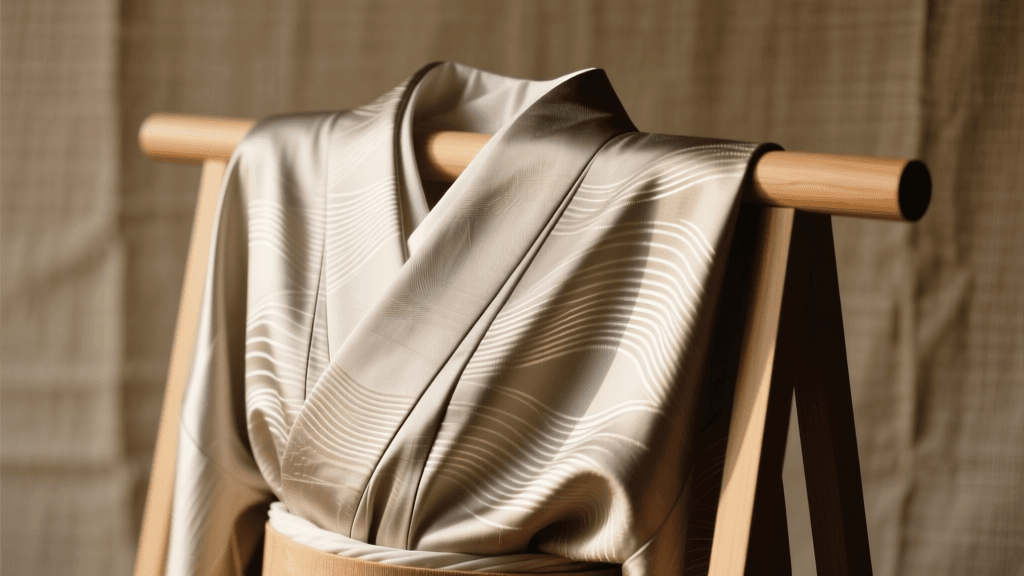
At the heart of this auditory experience is kinu-zure (衣擦れ), a poetic Japanese term that translates to the 'rustling of silk.' Historically, in Heian-period literature such as The Tale of Genji, the subtle sound of a lover's silk robes brushing against the floorboards or each other was a powerful romantic motif, signaling presence and movement before the person was even visible. Today, understanding and preserving this acoustic signature is a vital part of kimono appreciation, elevating the garment from a visual artifact to a fully immersive sensory experience.
The Science of Scroop and 2026 Eco-Finishing
In textile science, the rustling sound of silk is known as 'scroop.' This acoustic phenomenon is not inherent to all silk; it is the result of specific friction between the silk fibers, heavily influenced by the finishing process. Historically, scroop was enhanced by treating the woven silk with mild organic acid baths, which hardened the sericin (the natural gum coating the silk fibroin) just enough to create a crisp, resonant friction when the fibers rub together.
As of 2026, the textile hubs of Kyoto and Kiryu have revolutionized this process. Driven by stringent environmental regulations and a commitment to sustainable heritage crafts, modern weavers now utilize bio-based enzymatic finishes. These 2026 eco-treatments precisely target the sericin layer, enhancing the acoustic scroop without the use of harsh chemical acids that degrade the silk's tensile strength over time. According to the Kogei Japan Traditional Crafts Portal, this integration of biotechnology ensures that modern kimono silks possess a crisper, longer-lasting acoustic profile while remaining entirely biodegradable and gentle on the skin.
Acoustic and Tactile Profiles of Major Kimono Weaves
The sound and feel of a kimono change dramatically depending on the weave structure. The interplay of warp and weft threads dictates how air moves through the fabric, how light reflects off it, and how the fibers interact acoustically. Below is a comprehensive breakdown of the primary kimono weaves and their unique sensory signatures.
| Weave Type | Japanese Name | Acoustic Profile (Sound) | Tactile Sensation | Best Season |
|---|---|---|---|---|
| Crepe | Chirimen | Crisp, pronounced rustle | Textured, bumpy, dry | Spring / Autumn |
| Damask | Rinzu | Soft, muted whisper | Smooth, fluid, heavy | Winter / Formal |
| Pongee | Tsumugi | Dull, earthy thud | Nubby, warm, lightweight | All Seasons (Casual) |
| Plain Weave | Habutae | High-pitched, sharp glide | Sleek, cool, papery | Summer (Unlined) |
| Leno Weave | Ro / Sha | Faint, airy swish | Breezy, crisp, net-like | High Summer |
Chirimen (Crepe): The Crisp Rustle
Chirimen is created by using tightly twisted weft threads that alternate in their direction of twist. When the fabric is washed and finished, the threads untwist slightly, creating a micro-pebbled surface. This texture generates high friction, resulting in the classic, loud kinu-zure rustle. Tactilely, chirimen feels dry, slightly bumpy, and incredibly resilient against wrinkles. It is the quintessential fabric for the crisp, auditory announcement of a geiko or maiko walking through the streets of Gion.
Rinzu (Damask): The Soft Whisper
Rinzu features a satin weave base with intricate patterns woven in a contrasting matte texture. Because the surface is dominated by long, unbroken floating threads, friction is minimized. The acoustic profile of rinzu is a soft, luxurious whisper, lacking the sharp bite of chirimen. Tactilely, it is heavy, fluid, and exceptionally smooth, draping like liquid over the body. It is highly favored for formal winter garments and wedding uchikake.
Tsumugi (Pongee): The Earthy Mute
Woven from pre-dyed, slubbed silk yarns (often spun from silk noil or shorter fibers), tsumugi lacks the uniform smoothness of filament silk. Its acoustic profile is virtually mute—a dull, earthy thud rather than a rustle. However, its tactile sensation is highly prized; it feels warm, nubby, and almost cotton-like against the skin, offering a deeply comforting, grounded sensory experience that the Metropolitan Museum of Art notes has been historically associated with the refined, understated elegance of the merchant and samurai classes.
Tactile Sensations: Weight, Drape, and Temperature
Beyond sound and surface texture, the Japanese concept of fu-ai (風合い) encompasses the overall 'hand' or character of the fabric—its weight, drape, and thermal properties. In 2026, modern kitsuke (dressing) schools emphasize the importance of matching a fabric's fu-ai to the wearer's sensory comfort and the ambient environment.
For example, summer garments woven in ro or sha (leno weaves) are engineered for thermal regulation. The twisted warp threads create tiny, stable gaps in the fabric, allowing for maximum airflow. Tactilely, these fabrics feel cool and slightly stiff, preventing the silk from clinging to perspiring skin. Conversely, winter garments utilize awase (lined) constructions with heavy chirimen or rinzu, which trap body heat and provide a reassuring, weighted sensation that grounds the wearer during cold, windy months.
2026 Innovations in Sensory Preservation
As vintage and Edo-period kimono become too fragile to be worn or handled, the sensory experience of these historical textiles risks being lost to time. In response, 2026 has seen the rise of advanced sensory archiving. Leading textile conservation labs in Kyoto are now utilizing acoustic mapping and haptic feedback technology to digitize the exact sound and feel of fragile historical garments.
By using laser vibrometry to measure the microscopic vibrations of silk fibers when subjected to simulated movement, researchers can recreate the exact acoustic scroop of a 19th-century kimono. This data is then fed into haptic gloves used by fashion students and historians, allowing them to 'feel' the drape and texture of a fragile artifact without physically touching it. This intersection of heritage preservation and sensory technology ensures that the kinu-zure of the past is not forgotten, a mission heavily supported by institutions like the Victoria and Albert Museum in their ongoing global textile initiatives.
Actionable Guide: Selecting and Testing Kimono Fabrics
Whether you are purchasing a vintage piece, commissioning a custom weave, or shopping for modern silk in 2026, evaluating the sensory profile is crucial. Use this actionable testing guide to assess your next kimono:
- The Auditory Scrunch Test: Gently gather a portion of the fabric in your hands and lightly compress it near your ear. High-quality chirimen will emit a distinct, crisp 'crunch' or rustle. If the fabric is silent or sounds muffled, it may be heavily degraded, blended with synthetic fibers, or stripped of its sericin through improper washing.
- The Drape and Flow Assessment: Unroll the fabric and let it cascade over your arm. Observe how it folds. Rinzu and habutae should form sharp, fluid, waterfall-like folds. Chirimen will form softer, more voluminous, and slightly buoyant folds due to its textured structure.
- The Temperature Transfer Test: Press the fabric against the inside of your wrist. Authentic, high-quality silk should initially feel cool to the touch before rapidly adapting to your body temperature. Synthetic imitations (like polyester chirimen) will often feel immediately warm or clammy and lack the dynamic thermal regulation of true protein fibers.
- The Friction Glide: Rub two layers of the fabric together between your thumb and forefinger. You should feel a distinct 'grab' or friction in crepe weaves, and a buttery, frictionless glide in damask weaves. This physical feedback directly correlates to the acoustic sound the garment will make in motion.
Preserving the Acoustic and Tactile Integrity of Your Garments
The sensory magic of a silk kimono is deeply tied to its physical health. Improper care will permanently destroy the scroop and alter the fu-ai. To maintain the acoustic and tactile integrity of your collection in 2026, adhere to these strict preservation protocols:
- Avoid Alkaline Detergents: Never wash silk with standard laundry detergents. Alkaline solutions strip the sericin and fibroin proteins, permanently silencing the fabric's rustle and leaving it limp and lifeless. If washing is required, use only pH-neutral, enzyme-free silk washes specifically formulated for heritage textiles.
- Climate-Controlled Storage: Silk is highly hygroscopic. In 2026, smart-climate closets and specialized storage boxes equipped with passive humidity buffers are the standard. Maintain a relative humidity (RH) of exactly 50% to 55%. Too dry, and the fibers become brittle and lose their acoustic resonance; too humid, and the fabric risks mold and structural warping.
- Proper Tatou (Storage Paper): Always wrap your kimono in acid-free, unbleached tatou paper. This allows the silk to breathe while protecting it from dust and light. Avoid plastic garment bags entirely, as they trap moisture and off-gas chemicals that degrade the silk's tactile surface over time.
- The Air-Out Ritual: Twice a year, during the dry, crisp days of autumn and spring, remove your kimono from storage and hang them in a shaded, well-ventilated room for a few hours. This traditional practice, known as mushiboshi, allows the fibers to release trapped moisture and reset their natural crimp, revitalizing both the drape and the sound of the silk.
Conclusion
The kimono is a masterclass in multisensory design. By looking beyond the visual beauty of the patterns and engaging with the crisp rustle of kinu-zure, the comforting weight of rinzu, and the earthy warmth of tsumugi, we unlock a much deeper appreciation for Asian textile traditions. As we move through 2026, embracing both the ancient poetry of silk and the modern science of its preservation ensures that the symphony of the kimono will continue to resonate for generations to come.