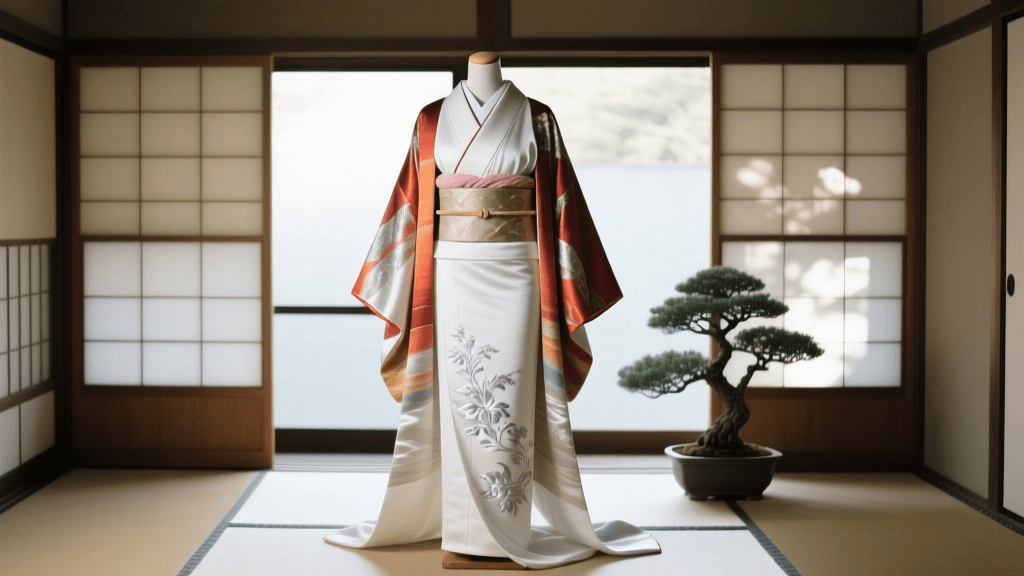
Kimono on Global Runways: 2026 Fashion Week Trends
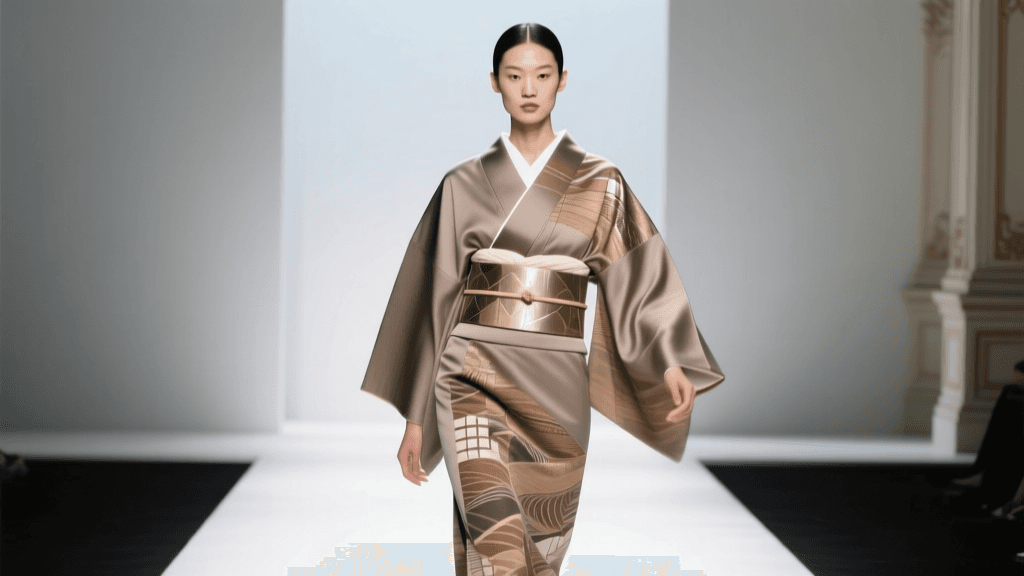
The Renaissance of the Kimono Silhouette in 2026
The global fashion landscape in 2026 has witnessed a profound and respectful renaissance of traditional Japanese garments, moving far beyond the superficial "Japonisme" of past decades. As we analyze the Spring/Summer 2026 and Fall/Winter 2026 collections from Paris, Milan, and Tokyo, it is evident that the kimono is no longer merely a costume reference; it is a foundational architectural blueprint for modern haute couture and luxury ready-to-wear. Designers are now collaborating directly with multi-generational artisans in Kyoto and Kanazawa, bringing ancient techniques like Nishijin-ori weaving and Yuzen dyeing to the world's most prestigious catwalks.
According to the Metropolitan Museum of Art, the kimono's T-shaped, straight-seamed construction has historically influenced Western fashion, but the 2026 runway season marks a pivotal shift toward sustainability and artisanal preservation. High-fashion houses are upcycling vintage silk kimono fabrics, integrating them into zero-waste patterns that honor the garment's original integrity while pushing the boundaries of contemporary silhouettes.
Key Kimono-Inspired Runway Trends for 2026
1. The Deconstructed Obi Belt
The obi, traditionally the wide sash used to secure a kimono, has been reimagined by European luxury houses as the ultimate statement accessory for 2026. Rather than merely mimicking the look, designers are utilizing authentic, vintage brocade obi textiles, deconstructing them, and integrating them with modern corsetry and structured leather. This fusion creates a striking juxtaposition between the rigid, historic weaving of the Nishijin district and the avant-garde tailoring of Parisian ateliers. Styling tip: Pair a deconstructed obi belt with a minimalist, monochromatic slip dress or an oversized tailored blazer to let the intricate gold and silver threads command attention.
2. Nishijin-ori Textiles in Haute Couture
Nishijin-ori, the premier silk weaving technique of Kyoto, is dominating the outerwear category this year. Characterized by its dense, tapestry-like quality and complex geometric or floral patterns, this textile is being used to craft structured trench coats, bomber jackets, and even tailored trousers. The Victoria and Albert Museum notes that the meticulous process of creating Nishijin textiles involves dozens of specialized steps, making it one of the most labor-intensive fabrics in the world. In 2026, luxury brands are highlighting this craftsmanship by leaving the selvedge edges visible and using raw, unlined finishes to showcase the textile's structural brilliance.
3. The Haori as the Ultimate Transitional Layer
While the full kimono remains a formal and highly structured garment, the haori (the traditional hip- or thigh-length kimono-style jacket) has emerged as the most commercially viable and wearable runway export of 2026. Designers are presenting sheer silk organza haori jackets, heavily embroidered with metallic threads, layered over casual streetwear like distressed denim and graphic tees. This high-low styling approach bridges the gap between traditional Japanese ceremonial wear and modern urban utility.
Designer Spotlight: East Meets West on the Catwalk
To understand the financial and stylistic investment required for these pieces, we have compiled a comparison of the top luxury brands integrating kimono elements into their 2026 flagship collections.
| Designer / Brand | 2026 Collection Focus | Traditional Technique Used | Estimated Retail Price (USD) |
|---|---|---|---|
| Maison Margiela | Deconstructed Artisanal Outerwear | Upcycled Vintage Yuzen Silk | $4,500 - $8,200 |
| Gucci | Maximalist Evening Wear | Kanoko Shibori (Tie-Dye) | $3,800 - $6,500 |
| Yohji Yamamoto | Avant-Garde Draping & Tailoring | Traditional Indigo Aizome Dyeing | $2,200 - $5,000 |
| Comme des Garçons | Sculptural Volume & Layering | Nishijin-ori Brocade Weaving | $5,500 - $12,000 |
How to Style Runway Kimono Pieces for Everyday Wear
Incorporating high-fashion, kimono-inspired pieces into a daily wardrobe requires a careful balance of proportions and textures. The Kyoto Costume Institute emphasizes that the beauty of traditional Japanese dress lies in its relationship to the body and the space ("ma") between the fabric and the skin. Here are actionable styling rules for 2026:
- Honor the Silhouette: If you are wearing a wide-sleeved kimono-inspired coat, keep the underlying garments slim and streamlined. Wide-leg trousers paired with a voluminous haori can overwhelm the frame; opt for straight-leg denim or tailored cigarette pants instead.
- Mix Eras and Textures: Avoid looking like you are wearing a costume. Contrast delicate, hand-painted Yuzen silk with rugged, modern materials like distressed leather, heavy cotton canvas, or brushed steel hardware.
- Footwear Matters: Traditional geta or zori sandals are rarely practical for city living. In 2026, the runway standard is to pair kimono outerwear with split-toe Tabi boots, chunky lug-sole loafers, or minimalist leather sneakers to ground the ethereal fabrics in contemporary reality.
- Minimalist Jewelry: Because traditional textiles like Nishijin-ori and intricate Shibori patterns are visually dense, avoid heavy necklaces or chandelier earrings. Opt for a single, sculptural ear cuff or a sleek, metallic cuff bracelet.
Sourcing Authentic vs. Runway-Inspired Pieces
While runway pieces carry a premium price tag, the 2026 market offers diverse avenues for acquiring both authentic vintage garments and modern interpretations. For those seeking genuine, historically significant pieces, the secondhand market in Tokyo's Omotesando and Shimokitazawa districts remains unparalleled. Online platforms specializing in curated vintage Japanese textiles have also surged in popularity, offering authenticated 1920s Taisho-era romaji kimono and mid-century Showa-era haori jackets for between $150 and $800.
Collectors and fashion archivists are currently paying a premium for Kurotomesode (black formal kimono with crests) and Furisode (long-sleeved kimono for unmarried women), which feature dramatic, sweeping motifs that translate beautifully into modern floor-length dusters and evening capes. When sourcing online, always request detailed photographs of the silk's condition, specifically checking for "shimi" (age spots) and structural weakness along the fold lines.
Conversely, if you are looking for modern, ready-to-wear pieces that capture the 2026 runway aesthetic without the fragility of antique silk, contemporary Japanese brands like Matohu and Jotaro Saito offer machine-washable, modern-cut kimono and haori jackets designed specifically for global climates and modern lifestyles. These pieces typically range from $800 to $2,500 and utilize advanced synthetic blends that mimic the drape and luster of pure silk while offering superior durability.
The Future of Traditional Garments in High Fashion
The integration of the kimono into global fashion weeks is no longer a fleeting trend; it is a permanent dialogue between Eastern heritage and Western innovation. As the fashion industry faces increasing pressure to adopt sustainable, slow-fashion practices, the kimono's inherent zero-waste pattern cutting and the meticulous, generational craftsmanship of its textiles offer a masterclass in mindful consumption.
"The kimono is not a relic of the past; it is a blueprint for the future of sustainable fashion. Its flat-pattern cutting generates virtually no textile waste, a lesson the modern luxury industry is finally learning." — 2026 Global Fashion Sustainability Report
By investing in these garments, whether through a $10,000 haute couture coat or a $200 vintage haori, consumers in 2026 are not just buying clothes—they are participating in the preservation of a living, breathing cultural artifact that continues to shape the global sartorial landscape.