Japanese Kimono Types & Formality Rules: 2026 Guide
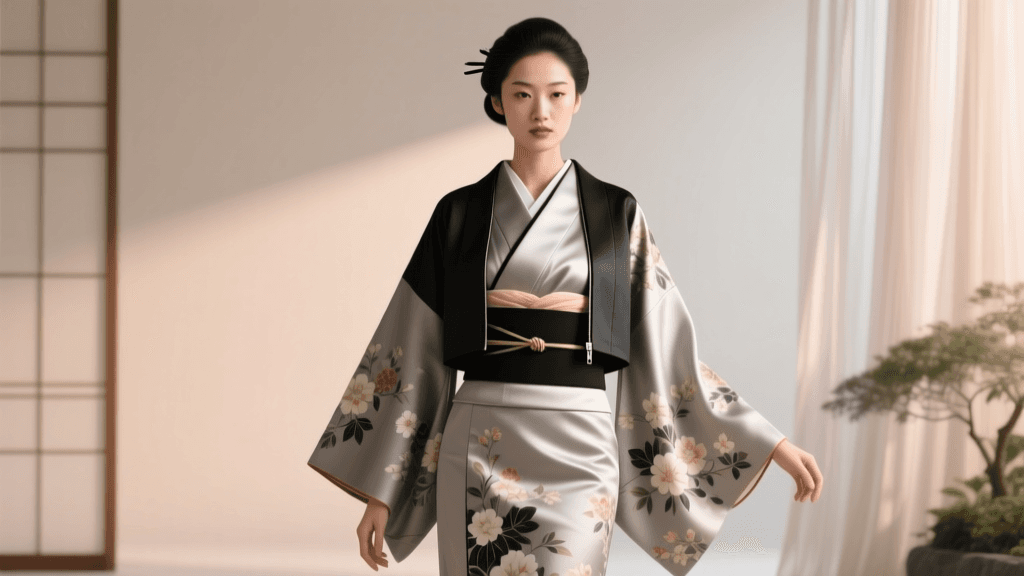
The Enduring Legacy of the Kimono in 2026
The Japanese kimono stands as one of the most recognizable and meticulously constructed traditional garments in the world. As we navigate the fashion landscape of 2026, the kimono has transcended its historical boundaries, emerging as a symbol of sustainable luxury and cultural preservation. Unlike the fast-fashion cycles that dominate contemporary Western apparel, the kimono operates on a philosophy of longevity, with garments frequently passed down through generations or meticulously restored. According to the Metropolitan Museum of Art's Heilbrunn Timeline of Art History, the evolution of the kimono from the straight-line-cut method of the Heian period to the highly structured, formality-bound garment of the Edo period represents a masterclass in textile engineering. Today, in 2026, a new generation of wearers is embracing these garments, blending ancestral rules with modern sensibilities.
Understanding the TPO Rule: Time, Place, and Occasion
Before diving into specific garment types, it is imperative to understand the Japanese concept of TPO (Time, Place, and Occasion). In 2026, while international styling has become more fluid, domestic Japanese culture still strictly adheres to TPO when selecting a kimono. The formality of the garment is dictated not just by its silhouette, but by the fabric type, the presence and placement of family crests (kamon), and the complexity of the dyeing or weaving techniques. The Victoria and Albert Museum notes that the visual language of the kimono—communicating age, marital status, and social standing through sleeve length and pattern placement—remains one of the most sophisticated sartorial coding systems in human history.
Comprehensive Guide to Japanese Kimono Types
1. Furisode: The Pinnacle of Unmarried Formality
The furisode is the most formal kimono for unmarried women. Its defining characteristic is its exceptionally long, swinging sleeves, which can measure anywhere from 85 to 114 centimeters in length. Historically, the swinging sleeves were believed to ward off evil spirits and express romantic interest. In 2026, the furisode remains the mandatory attire for Seijin no Hi (Coming of Age Day) and is frequently worn by bridesmaids at traditional Shinto weddings. The fabric is exclusively high-grade, heavily patterned silk, often featuring luxurious gold or silver leaf accents (surihaku). Because a new, custom-tailored furisode can cost upwards of ¥1,000,000 in the current 2026 market, most young women opt for specialized rental services or inherit restored vintage pieces.
2. Tomesode: The Married Woman's Formal Wear
Once a woman marries, the long sleeves of the furisode are traditionally shortened, signaling her new status. The most formal garment for married women is the tomesode. There are two primary variants: the kurotomesode (black) and the irotomesode (colored). The kurotomesode is strictly reserved for the closest relatives of the bride and groom at weddings. It features a solid black background with patterns located exclusively below the waistline (eba-moyo) and bears five white family crests. The irotomesode, featuring a colored background, is slightly less formal and can be worn by a broader circle of relatives and distinguished guests. In 2026, master dyers in Kyoto are utilizing eco-friendly, plant-based dyes to create stunning irotomesode that appeal to environmentally conscious consumers without sacrificing traditional prestige.
3. Homongi: The Elegant Visiting Wear
The homongi translates literally to 'visiting wear' and is a highly versatile, semi-formal to formal garment suitable for both married and unmarried women. Its defining feature is the eba-moyo technique, where the pattern is dyed across the seams so that it flows continuously over the shoulders, across the back, and down the sleeves, creating a single, unified canvas when the garment is laid flat. Homongi are appropriate for tea ceremonies, gallery openings, and formal parties. They typically feature one to three family crests. In the 2026 spring season, pastel-toned homongi featuring subtle, abstract geometric motifs inspired by modern architecture are trending heavily among younger practitioners of the tea ceremony.
4. Komon: Everyday Elegance
For casual, everyday wear, the komon is the garment of choice. The term translates to 'fine pattern,' referring to the small, repeating motifs that cover the entire surface of the fabric. Unlike the homongi or tomesode, the komon does not feature continuous, seam-spanning patterns, nor does it bear family crests. It is the perfect attire for a casual lunch, a day of shopping in Tokyo's Omotesando district, or attending a casual cultural workshop. The 2026 market has seen a massive resurgence in vintage Edo komon—a highly specialized dyeing technique originating in the Edo period that creates patterns so microscopic they appear as a solid color from a distance. Sustainable fashion advocates highly praise the komon for its durability and ease of maintenance compared to formal silks.
5. Yukata: The Summer Staple
The yukata is the most casual and accessible form of Japanese traditional dress. Originally worn as a bathrobe by the nobility during the Heian period, it evolved into the standard summer festival attire for all classes. Unlike other kimono types, the yukata is made from breathable, unlined cotton or modern hemp-blend fabrics, and is worn directly over undergarments without the need for a formal nagajuban (under-kimono). In 2026, yukata festivals across Japan, from the Gion Matsuri in Kyoto to the Awa Odori in Tokushima, draw millions of participants. Contemporary brands are releasing yukata lines featuring bold, pop-culture-inspired prints and pre-tied, clip-on obi to cater to international tourists and younger demographics seeking hassle-free traditional styling.
2026 Kimono Formality & Fabric Comparison Chart
To navigate the complexities of Japanese traditional garments, refer to the structured comparison table below. This chart outlines the core attributes, target demographics, and current 2026 market pricing for authentic pieces.
| Garment Type | Formality Level | Target Wearer | Primary Fabric | 2026 Avg. Rental / Purchase Price |
|---|---|---|---|---|
| Furisode | Ultra-Formal | Unmarried Women | Heavy Silk, Brocade | ¥15,000 Rental / ¥800,000+ Buy |
| Kurotomesode | Ultra-Formal | Married Women | Black Silk, Crepe | ¥12,000 Rental / ¥500,000+ Buy |
| Homongi | Formal / Semi-Formal | All Women | Silk, Chirimen (Crepe) | ¥10,000 Rental / ¥300,000+ Buy |
| Komon | Casual / Everyday | All Women | Silk, Tsumugi, Wool | ¥5,000 Rental / ¥50,000+ Buy |
| Yukata | Ultra-Casual | All Genders | Cotton, Hemp, Linen | ¥3,000 Rental / ¥15,000+ Buy |
Modern Styling & Accessory Rules for 2026
Wearing a kimono requires an intricate assembly of undergarments, ties, and accessories. The obi (sash) is arguably as important as the kimono itself. For formal wear like the furisode and tomesode, a stiff, heavily brocaded maru obi or fukuro obi is tied in a complex taiko musubi (drum knot) or an elaborate floral knot for unmarried women. In 2026, a popular modern styling trend involves utilizing antique, Meiji-era obi as table runners or wall art when they become too fragile to wear, while sourcing newly woven, sustainably produced fukuro obi from artisans in Nishijin, Kyoto.
Footwear is equally regulated. Formal silk kimono demand zori (flat, woven sandals) paired with white tabi (split-toe socks). The yukata, being casual, is paired with geta (wooden clogs) and bare feet or specialized toe-socks. The Japan National Tourism Organization frequently highlights that mastering the art of walking gracefully in geta and zori is a crucial component of traditional garment etiquette, a skill taught in specialized 2026 kimono styling boot camps across Tokyo and Osaka.
Sourcing, Renting, and Buying in the Current Market
For international enthusiasts and locals alike, acquiring a kimono in 2026 involves navigating a vibrant mix of high-end boutiques, specialized rental salons, and thriving vintage markets. The second-hand kimono market has exploded, driven by a global emphasis on circular fashion. Neighborhoods like Shimokitazawa in Tokyo and the flea markets surrounding Kyoto's Tenmangu Shrine offer incredible opportunities to purchase vintage silk komon and yukata for a fraction of their original cost, often ranging from ¥3,000 to ¥15,000.
When purchasing vintage, it is vital to inspect the silk for shimi (stains) and check the integrity of the stitching along the shoulder seams. For those seeking bespoke, newly tailored garments, commissioning a piece from a recognized master in Kyoto or Kanazawa requires a lead time of six to twelve months and represents a significant financial investment. However, the result is a bespoke masterpiece that perfectly aligns with the 2026 ethos of mindful, heritage-driven consumption.
Conclusion
The Japanese kimono is not a relic of the past; it is a living, breathing tradition that continues to adapt to the modern era. By understanding the strict formality levels, the nuanced differences between furisode, tomesode, homongi, komon, and yukata, and the proper styling rules, wearers can participate in this rich cultural legacy with respect and confidence. As we move through 2026, the intersection of traditional craftsmanship and contemporary sustainable values ensures that the kimono will remain a vital and celebrated cornerstone of Asian sartorial heritage for generations to come.