Decoding Kimono Formality: Dress Codes for Formal Events
Introduction to Kimono Formality and TPO
Navigating the world of traditional Japanese clothing requires more than just an appreciation for beautiful textiles; it demands an understanding of strict social codes. At the heart of kimono etiquette is the concept of TPO: Time, Place, and Occasion. Unlike Western formalwear, where a standard tuxedo or evening gown might suffice for almost any black-tie event, the kimono system is highly granular. The garment you choose communicates your relationship to the host, your marital status, the season, and the exact level of formality required. According to the Victoria and Albert Museum, the kimono is not merely a piece of clothing but a complex canvas of social signaling, where every fold, pattern, and accessory carries profound cultural weight.
Whether you are attending a Shinto wedding, participating in a traditional tea ceremony, or graduating from a Japanese university, wearing the correct kimono is a sign of deep respect for the host and the occasion. This comprehensive guide will decode the hierarchy of kimono formality, providing actionable advice, styling rules, and etiquette guidelines for major life events.
The Hierarchy of Kimono Formality
The foundation of kimono etiquette lies in understanding the hierarchy of the garments themselves. Formality is dictated by several factors: the presence and number of kamon (family crests), the placement and style of the dyeing or weaving, the fabric type, and the color. For instance, a garment with five family crests (itsutsu-mon) is reserved for the highest levels of formality, while a garment with no crests is generally considered casual or semi-formal.
The Metropolitan Museum of Art notes that the evolution of these garments reflects centuries of shifting sumptuary laws and aesthetic philosophies, culminating in the highly structured system seen in modern Japan. Below is a structured comparison chart of the primary kimono types and their appropriate use cases.
| Kimono Type | Formality Level | Target Wearer | Best Occasions | Key Features |
|---|---|---|---|---|
| Kurotomesode | Highest (Formal) | Married Women | Weddings (close family) | Black silk, 5 crests, patterns only below the waist. |
| Irotomesode | High (Formal) | Married/Unmarried | Weddings (relatives), Medals | Colored silk, 1-5 crests, patterns below the waist. |
| Homongi | High (Semi-Formal) | Married/Unmarried | Weddings (guests), Tea Parties | Continuous patterns flowing over seams, 0-3 crests. |
| Tsukesage | Medium (Semi-Formal) | Married/Unmarried | Tea ceremonies, Dinners | Patterns confined to specific panels, do not cross seams. |
| Edo Komon | Medium (Semi-Formal) | Married/Unmarried | Tea ceremonies, Graduations | Micro-patterns that look solid from a distance, 1-3 crests. |
| Komon | Low (Casual) | Married/Unmarried | Shopping, Casual dining | Repeating patterns all over the garment, no crests. |
| Yukata | Lowest (Casual) | Married/Unmarried | Summer festivals, Onsen | Unlined cotton, worn without nagajuban (undergarment). |
Dress Codes for Specific Occasions
Weddings (Kekkonshiki)
Weddings are the most complex events in the kimono calendar. The rules differ drastically depending on whether you are the bride, a close family member, or a guest. The bride traditionally wears a shiro-muku (pure white kimono) for the ceremony and an iro-uchikake (colorful, heavily padded outer robe) for the reception. Because white is reserved exclusively for the bride, guests must absolutely avoid wearing white or predominantly ivory kimono.
For the mothers of the bride and groom, the kurotomesode is the standard. This black silk kimono features five family crests and exquisite gold or silver embroidery below the waist. It is typically paired with a highly formal fukuro obi woven with metallic threads, and white tabi socks. Renting a full kurotomesode set, including professional dressing services, typically costs between 30,000 and 50,000 JPY ($200–$350 USD).
For friends and distant relatives, the homongi is the most appropriate choice. Homongi translates to 'visiting wear' and features elegant, continuous patterns that flow across the seams. Unmarried women might opt for a furisode (long-sleeved kimono) to signify their youth and single status, though the sleeves must not be so long that they drag on the floor or knock over glasses at the reception table.
Tea Ceremonies (Chakai)
The traditional Japanese tea ceremony is rooted in the principles of harmony, respect, purity, and tranquility. Therefore, kimono etiquette for a chakai prioritizes subdued elegance over flashy displays of wealth. The goal is to complement the tea room and the utensils, not to outshine them.
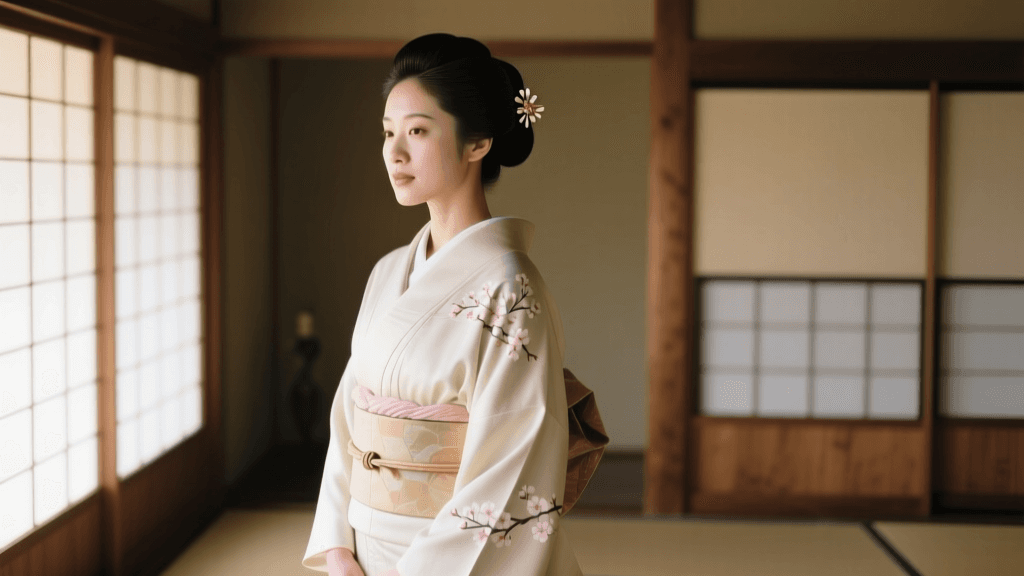
Guests should wear a tsukesage, edo komon, or a high-quality komon with a single crest. Patterns should be modest, and colors should reflect the current season—pastels and cherry blossom motifs in spring, or deep russets and maple leaves in autumn. Avoid overly bright colors, large metallic obi, or loud, contrasting patterns. As highlighted by BBC Culture, the modern kimono continues to balance historical restraint with contemporary aesthetic expressions, a balance perfectly exemplified in the tea room.
Crucially, you must wear pristine white tabi (split-toe socks). Bare feet or colored socks are considered highly disrespectful in a tatami-mat tea room. Furthermore, avoid wearing wristwatches or large jewelry, as metal can scratch the precious, antique tea bowls when you hold them.
Graduation Ceremonies (Sotsugyoshiki)
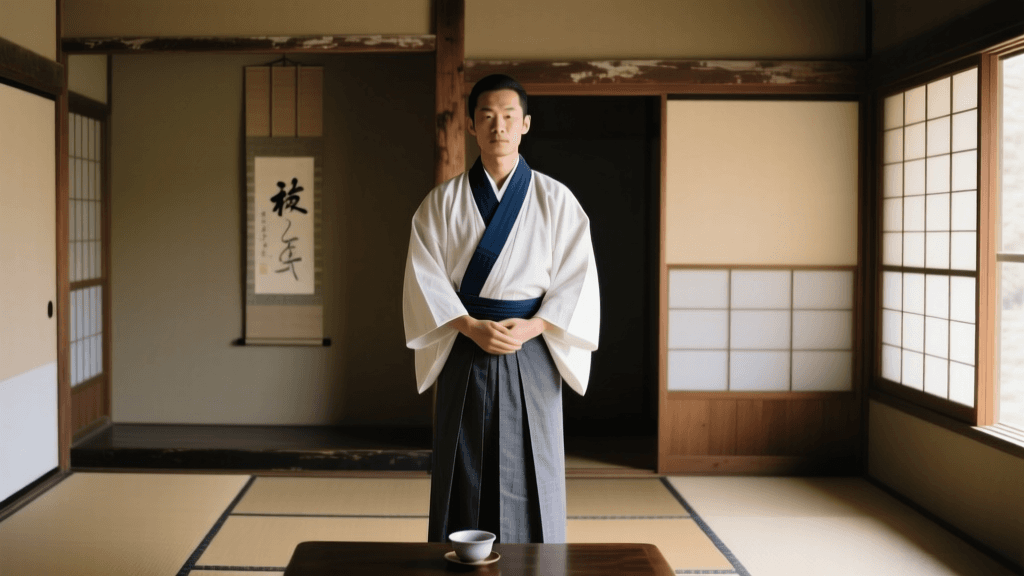
University graduations in Japan feature a highly specific and beloved sartorial tradition: the hakama. Originally worn by samurai and male courtiers, the hakama (a pleated, skirt-like trouser) was adopted by female teachers and students in the Meiji era as a symbol of academic pursuit and women's empowerment.
Today, female university students and teachers wear a mid-length kimono (often a furisode or a brightly colored komon) paired with a maroon, navy, or black hakama tied high just below the bust. While traditional zori sandals are acceptable, it has become a massive modern trend for female graduates to wear lace-up leather Victorian-style boots (known as hakama boots) with their hakama. This unique blend of Western and traditional Japanese fashion is strictly reserved for graduation day and is rarely seen in other contexts.
Funerals (Ososhiki)
Mourning attire, known as mofuku, is strictly regulated. A traditional mofuku is a plain, matte black silk kimono featuring five family crests. The undergarments, the obi, the obi-jime (cord), and the zori sandals must all be solid black. The only exception is the white haneri (collar) and white tabi socks.
It is vital to avoid any shiny fabrics, metallic threads, or subtle patterns. The matte finish of the silk represents the solemnity and dullness of grief. If a full mofuku is not available, a plain black Western suit or dress is considered vastly preferable to an inappropriate, slightly-too-casual kimono. In mourning, the rule of 'less is more' is absolute.
Essential Accessories and Etiquette Rules
Beyond the main garment, the accessories and the way the kimono is worn are subject to rigid rules.
- The Collar Rule (Migi-Mae): The left side of the kimono must always wrap over the right side. Wrapping right-over-left is strictly reserved for dressing the deceased for burial. Making this mistake is considered a severe faux pas and an ill omen.
- The Haneri (Collar): For all formal and semi-formal occasions, the haneri (the decorative collar attached to the undergarment) must be pure white. Embroidered or colored collars are reserved for casual wear or specific fashion-forward styling that breaks traditional rules.
- Obi Selection: The obi is just as important as the kimono. A fukuro obi (a long, fully patterned, formal sash) is required for kurotomesode and homongi. A nagoya obi (pre-folded and stitched for ease of tying) is appropriate for tsukesage and edo komon. Never pair a casual cotton hanhaba obi with a formal silk kimono.
- Footwear: Formal events require zori (flat, woven or vinyl sandals) worn with white tabi. Geta (wooden clogs) are generally too casual for formal silk kimono and are better suited for yukata or casual wool kimono in the winter.
Conclusion
Mastering kimono etiquette is a lifelong pursuit, even for native Japanese citizens. The intricate dance of matching the garment to the season, the occasion, and one's social standing is a beautiful reflection of Japan's deep respect for harmony and mindfulness. By understanding the TPO principle and the hierarchy of formality, you can participate in Japan's most sacred and celebratory traditions with confidence, ensuring that your attire honors the culture and the hosts who welcome you.