Decoding Kimono Fashion in Edo-Period Ukiyo-e Woodblock Prints
The "Vogue" of the Floating World
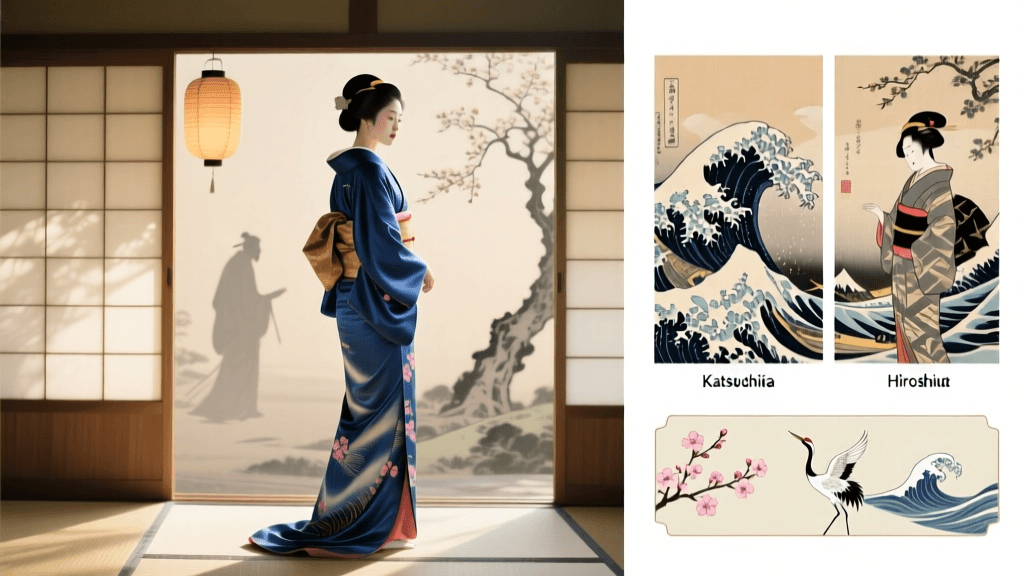
Long before the advent of modern fashion magazines and digital lookbooks, the citizens of Edo-period Japan (1615–1868) relied on ukiyo-e woodblock prints to stay abreast of the latest sartorial trends. Translating to "pictures of the floating world," ukiyo-e captured the ephemeral, pleasure-seeking lifestyle of the urban merchant class, kabuki actors, and courtesans. At the heart of these vibrant prints was the kimono—a garment that served not merely as clothing, but as a complex canvas for social signaling, seasonal awareness, and artistic expression.
For the modern enthusiast of Asian traditional garments, studying ukiyo-e offers an unparalleled window into the historical evolution of Japanese textiles. The woodblock artists of the Edo period were meticulous in their depiction of fabric drape, layering techniques, and intricate textile patterns. By examining these prints, we can trace the shift from the rigid, heavily brocaded garments of the early Edo period to the fluid, highly decorated silk robes made possible by the invention of yuzen (resist-dyeing) techniques in the late 17th century.
The Aesthetic of Iki: Subtlety in Textile Design
To truly understand kimono fashion in ukiyo-e, one must grasp the Edo-period aesthetic concept of iki. Often translated as "chic" or "refined elegance," iki favored subtle sophistication over ostentatious display. While the ruling samurai class enforced strict sumptuary laws that dictated the colors and fabrics commoners could wear, the wealthy merchant class circumvented these restrictions through hidden luxuries.
Ukiyo-e artists masterfully captured this subversion. A print might depict a courtesan wearing a seemingly subdued, dark indigo kimono with a muted geometric pattern. However, the artist would hint at a vibrant, crimson silk undergarment (nagajuban) peeking out at the collar or hem, or showcase an exquisitely woven, gold-threaded obi (sash) tied in a complex knot at the back. This interplay of restraint and hidden opulence is a hallmark of Edo fashion, beautifully preserved in woodblock ink.
"The true elegance of the Edo kimono lay not in its outward flashiness, which was forbidden by law, but in the whispered luxury of its inner layers and the poetic resonance of its hidden motifs." — Historical Textile Curatorial Notes.
Decoding Kimono Motifs: A Seasonal Guide
Japanese traditional garments are deeply tied to the changing of the seasons. Ukiyo-e artists utilized specific motifs to indicate the exact time of year a scene was taking place, as well as the cultural literacy of the wearer. When analyzing a woodblock print, look for these recurring textile patterns:
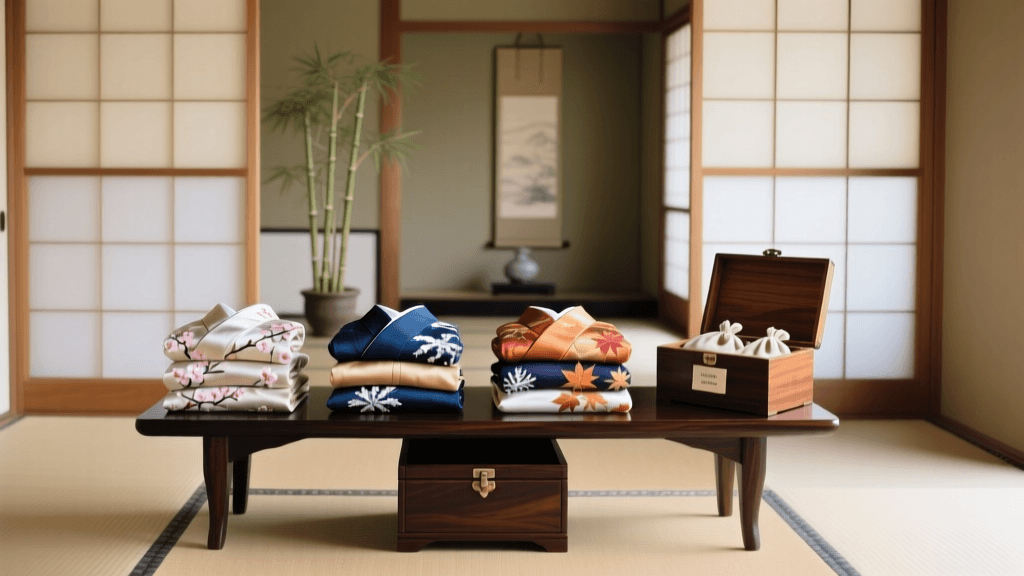
- Sakura (Cherry Blossoms): The quintessential spring motif. In ukiyo-e, cherry blossoms scattered across a kimono signify the fleeting nature of beauty and youth, often worn by young women or courtesans during the spring hanami (flower viewing) festivals.
- Tsuru (Cranes): A symbol of longevity and good fortune. Cranes are frequently depicted in formal, winter kimono or wedding trousseaus. In prints, a crane motif on a subject's garment often elevates their perceived social status or indicates a formal occasion.
- Seigaiha (Ocean Waves): Characterized by concentric, overlapping semi-circles, this geometric pattern represents the sea and is heavily associated with summer. It conveys a sense of coolness and resilience against life's unpredictable tides.
- Kiku (Chrysanthemums): The flower of autumn and a symbol of the imperial family. In woodblock prints, chrysanthemum patterns on a kimono denote nobility, maturity, and the melancholic beauty of the fading year.
- Shibori Patterns (Kanoko): Artists often used small, distinct white dots to represent kanoko shibori (fawn-spot tie-dye). Because genuine shibori was incredibly labor-intensive and expensive, depicting it in a print immediately signaled the immense wealth of the subject.
Master Printmakers and Their Signature Kimono Styles
Different ukiyo-e masters approached the depiction of traditional garments with unique stylistic signatures. The table below compares how four legendary artists rendered kimono fashion in their works.
| Artist | Active Period | Signature Kimono Style & Focus | Notable Subject Matter |
|---|---|---|---|
| Kitagawa Utamaro | 1753–1806 | Master of the bijinga (beautiful women) genre. Focused on the drape of the fabric, the delicate nape of the neck, and sheer, translucent summer fabrics (usumono). | High-ranking Yoshiwara courtesans and geisha. |
| Suzuki Harunobu | 1725–1770 | Pioneered full-color nishiki-e prints. Depicted delicate, slender figures in soft, pastel-colored kimono with subtle, poetic motifs. | Young lovers and ordinary women in domestic settings. |
| Katsushika Hokusai | 1760–1849 | Emphasized bold, graphic patterns and the working class. Often depicted indigo-dyed cotton kimono, happi coats, and practical, layered travel garments. | Artisans, travelers, and mythological figures. |
| Utagawa Hiroshige | 1797–1858 | Integrated kimono patterns with landscape elements. Used heavy, dark outlines and striking color contrasts, often featuring the kasuri (ikat) weave patterns of rural travelers. | Travelers on the Tokaido road and urbanites in the rain/snow. |
Practical Guide: Collecting Ukiyo-e Fashion Prints
For collectors and historians of Asian traditions, acquiring original Edo-period ukiyo-e is a tangible way to preserve textile history. However, navigating the antique print market requires specific knowledge regarding authentication, pricing, and preservation.
Budgeting and Pricing Tiers
The value of an ukiyo-e print is determined by the artist, the rarity of the design, the edition (first editions are paramount), and the condition of the paper and pigments.
- Entry-Level ($150 – $600): Late 19th-century Meiji-period prints, common landscapes, or later Edo-period reprints. These are excellent for beginners wanting to study garment silhouettes and late-Edo textile patterns.
- Mid-Tier ($1,000 – $5,000): Original Edo-period bijinga (pictures of beautiful women) by secondary masters or later works by famous artists. Prints in this tier often feature excellent color retention and clear depictions of complex yuzen patterns.
- High-End ($10,000 – $50,000+): Pristine, first-edition works by Utamaro, Harunobu, or Sharaku. These pieces are museum-quality, featuring rare, unfaded organic pigments (like beni red) and impeccable impressions of the textile designs.
Authentication and Preservation
When evaluating a print for its historical garment depictions, look for the kiwame (censorship seal). During the Edo period, all publications had to be approved by censors. The presence and shape of the kiwame seal can help date the print to a specific decade, allowing you to accurately place the kimono fashion in its historical timeline.
Preservation is critical. Ukiyo-e were printed on handmade washi paper using organic, light-sensitive dyes. To protect your investment:
- Storage: Store prints flat in archival, acid-free folders. Never use PVC plastics, which trap moisture and cause mold.
- Environment: Maintain a stable humidity level between 45% and 55%. Fluctuations will cause the washi paper to warp and the pigments to flake.
- Lighting: Never display original ukiyo-e in direct sunlight or under unfiltered UV gallery lights. If framing, use museum-grade UV-filtering acrylic glazing, and limit display time to three months before returning the print to dark storage.
Where to View Authentic Ukiyo-e Garment Art
To train your eye in identifying historical kimono cuts, layering systems, and textile motifs, studying high-resolution archives and visiting major collections is essential. According to curatorial experts at The Metropolitan Museum of Art, the intersection of textile arts and woodblock printing represents one of the most vital commercial industries of the Edo period, where printmakers and kimono merchants frequently collaborated on cross-promotional designs.
Similarly, the Victoria and Albert Museum has extensively documented how the garments seen in ukiyo-e directly influenced global fashion, tracing the lineage from Edo-period woodblocks to modern couture. For those seeking digital archives, the Smithsonian's National Museum of Asian Art offers an expansive, searchable online database where researchers can zoom in on the microscopic details of printed kimono patterns, observing the exact registration marks left by the woodblock carvers.
Conclusion
Ukiyo-e woodblock prints are far more than beautiful historical artifacts; they are meticulous visual archives of Japanese traditional garments. By learning to decode the seasonal motifs, understand the subtle aesthetics of iki, and recognize the signatures of master printmakers, collectors and enthusiasts can unlock a profound understanding of Asian fashion history. Whether you are studying the drape of a courtesan's summer silk or the sturdy indigo cotton of a traveler's coat, the floating world continues to offer endless inspiration for the study of traditional Asian textiles.