2026 Kimono Guide: Birth, Coming-of-Age & Memorials
The Enduring Role of Kimono in Japanese Family Milestones
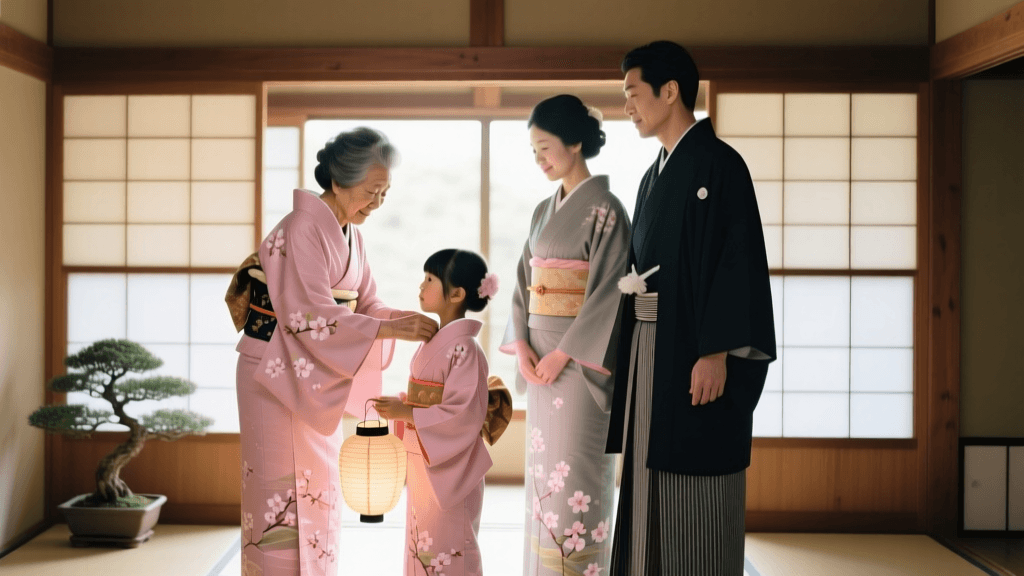
In Japan, the passage of time and the milestones of human life are deeply intertwined with the garments we wear. As we navigate 2026, the kimono remains an indispensable element of family ceremonies, serving as a visual language that communicates respect, joy, mourning, and social standing. While everyday Western clothing dominates modern Japanese streets, the traditional garment experiences a profound resurgence during pivotal life events. From the first shrine visit of a newborn to the solemn remembrance of ancestors, the rules governing kimono selection are intricate, steeped in centuries of etiquette, and continually adapting to contemporary lifestyles.
For families planning their ceremonial wardrobes in 2026, understanding the nuances of formality, fabric, and family crests (kamon) is essential. Furthermore, the modern kimono industry has evolved significantly, with eco-conscious rental platforms, climate-adaptive fabrics, and shifting demographic celebrations redefining how these garments are sourced and worn today. This comprehensive guide explores the specific kimono requirements for birth, coming-of-age, and memorial ceremonies, providing actionable advice for navigating these sacred traditions.
Omiyamairi: The First Shrine Visit
Omiyamairi is the traditional Shinto shrine visit that occurs roughly 30 days after a baby is born. This ceremony introduces the newborn to the local guardian deity (ujigami) and prays for the child's health and longevity. The sartorial focus of this event is entirely on the infant, though the accompanying family members must also dress in appropriate formal wear.
The Baby's Garments
The baby is traditionally dressed in a pure white silk or cotton kimono called a shirogi, which symbolizes purity and the unblemished beginning of life. Over this, a colorful, decorative outer kimono known as the uwagi is draped. In 2026, many families opt for lightweight, breathable silk-blend uwagi to ensure the infant's comfort, especially during the humid Japanese summers. The outer garment is often adorned with auspicious motifs such as cranes, pine trees, or treasure ships, and is tied loosely over the shoulder of the person carrying the child.
Family Attire
The baby is typically carried by the paternal grandmother, though modern family dynamics in 2026 see maternal grandmothers or fathers taking on this role with equal frequency. The carrying adult should wear a semi-formal kimono, such as a homongi or tsukesage, featuring elegant, subdued patterns. The mother, still in her postpartum recovery phase, often opts for a comfortable yet formal iromuji (a solid-colored kimono with one to three crests) or a high-quality Western formal suit, which is entirely acceptable in contemporary 2026 shrine etiquette.
Shichi-Go-San: Celebrating Childhood Milestones
Held annually in November, Shichi-Go-San celebrates children who have reached the ages of three, five, and seven. This ceremony is a vibrant display of childhood joy and parental gratitude. For three-year-old girls, the standard attire is a bright, patterned kimono worn with a hifu—a padded, sleeveless vest that makes tying a traditional obi unnecessary and keeps the child comfortable. Five-year-old boys wear their first hakama (pleated trousers) over a kimono, often featuring bold, martial motifs like eagles or samurai helmets, paired with a haori (jacket) bearing the family crest. Seven-year-old girls transition into wearing a more structured kimono tied with a real, adult-style obi, marking their first step into the more restrictive but elegant world of adult kimono dressing.
Coming-of-Age: The Evolution of Seijin-shiki in 2026
The Seijin-shiki (Coming-of-Age Day) is perhaps the most visually spectacular kimono event in Japan, held on the second Monday of January. Following the national shift in the legal age of adulthood to 18 earlier this decade, municipalities spent recent years recalibrating their festivals to avoid clashing with rigorous university entrance exams. As of 2026, the established norm across most of Japan is to hold 'Twenty-Year-Old Festivals' (often renamed from the traditional Seijin-shiki), allowing young adults to celebrate without academic pressure.
Furisode for Young Women
The undisputed star of the coming-of-age ceremony is the furisode, a formal kimono characterized by its long, swinging sleeves. The length of the sleeve denotes formality: the oburisode (large furisode) features sleeves over 110 centimeters long and is the most formal option. In 2026, there is a massive trend toward vintage and upcycled furisode, with young women seeking unique, Showa-era patterns that stand out against mass-produced contemporary rentals. The outfit is completed with a highly decorative obi tied in elaborate knots like the fukura-suzume (sparrow knot), plush zori sandals, and a fluffy white fur stole to ward off the January cold.
Hakama for Young Men
While many young men in 2026 choose Western suits for their coming-of-age ceremonies, those who embrace traditional wear don a formal black or dark navy kimono with a haori jacket and striped hakama. The ensemble must feature the five family crests (itsutsu-mon) to be considered appropriate for this level of formality. White tabi socks and woven zori complete the dignified look.
Memorials and Hoji: Dressing for Mourning and Remembrance
Buddhist memorial services, known as Hoji, require the strictest adherence to kimono etiquette. The attire worn depends entirely on the proximity to the deceased and the specific anniversary being observed.
Mofuku: The Deepest Mourning
For the funeral and the immediate 49-day mourning period, immediate family members wear mofuku. This is a completely solid black silk kimono featuring exactly five family crests (one on the back of the neck, two on the outer sleeves, and two on the chest). The obi, obijime (cord), and obidome (clasp) must also be matte black or subdued dark grey. In 2026, genuine mofuku is rarely purchased by younger generations due to its single-use nature; instead, specialized mourning rental services provide immaculately maintained, high-quality black silk sets that adhere strictly to religious requirements.
Iro-Mofuku and Iromuji: Later Anniversaries
As time passes, the strictness of the mourning attire relaxes. For the first, third, and seventh anniversary memorials, attendees transition to iro-mofuku (subdued colors like dark grey, navy, or deep purple, still featuring five crests) or a dark iromuji with one to three crests. The accessories also shift from matte black to subtle silver or dark tortoiseshell. It is crucial to avoid any shiny fabrics, flashy patterns, or bright colors, as the focus must remain entirely on solemn remembrance and respect for the departed.
2026 Ceremony Kimono Quick-Reference Guide
To help you navigate the complexities of family event planning, refer to the table below for a snapshot of standard garments, formality levels, and current 2026 market pricing for premium rental packages.
| Ceremony | Primary Garment | Formality Level | 2026 Avg. Rental Cost (JPY) | Key Accessories |
|---|---|---|---|---|
| Omiyamairi (Birth) | Shirogi & Uwagi | Sacred / Formal | 15,000 - 25,000 | Denki-mamori (charm) |
| Shichi-Go-San (Age 3) | Kimono & Hifu | Festive / Formal | 12,000 - 20,000 | Kazari-geta (sandals) |
| Seijin-shiki (Age 20) | Furisode | Maximum Formal | 50,000 - 150,000 | Furisode zori, Fur wrap |
| Wedding (Mother) | Kurotomesode | Maximum Formal | 40,000 - 80,000 | Gold/Silver fan |
| Funeral (Immediate) | Mofuku | Mourning | 20,000 - 35,000 | Juzu (prayer beads) |
| Hoji (3rd/7th Anniv) | Iro-mofuku | Semi-Mourning | 15,000 - 30,000 | Dark tortoiseshell |
Renting vs. Buying in 2026: The Sustainable Shift
The economics of ceremonial kimono have shifted dramatically. According to cultural and demographic analyses by Nippon.com, the aging population and smaller household sizes have led to a decrease in multi-generational kimono inheritance. Consequently, the 2026 market is heavily dominated by premium rental services and curated vintage platforms. Renting a high-end furisode or kurotomesode (the black, five-crested kimono worn by married female relatives at weddings) is no longer seen as a compromise; it is the preferred, sustainable choice for modern families.
When renting in 2026, always verify the inclusion of essential undergarments such as the hadajuban (skin-adjacent under-robe) and nagajuban (inner kimono), as well as the koshihimo (tying cords). For those who prefer ownership, the secondary market for authenticated vintage silk has exploded, offering families the chance to acquire high-quality, hand-painted garments at a fraction of the cost of new bespoke pieces. The Tokyo National Museum frequently highlights the historical continuity of these textile arts, reminding us that whether rented, inherited, or purchased vintage, the kimono remains a living, breathing archive of Japanese family history.
Conclusion: Honoring Tradition with Modern Grace
Dressing for Japanese family ceremonies in 2026 requires a delicate balance of respecting ancient protocols and embracing modern conveniences. Whether you are wrapping a newborn in the pure white silk of an omiyamairi set, tying the elaborate obi of a furisode for a coming-of-age festival, or donning the solemn black of mofuku to honor a lost loved one, the kimono elevates the human experience. By understanding the specific requirements of each milestone, families can ensure that their attire reflects the profound emotional weight of these occasions, preserving a beautiful cultural legacy for the generations yet to come.