Kimono Fabric Sounds: The 2026 Sensory Experience
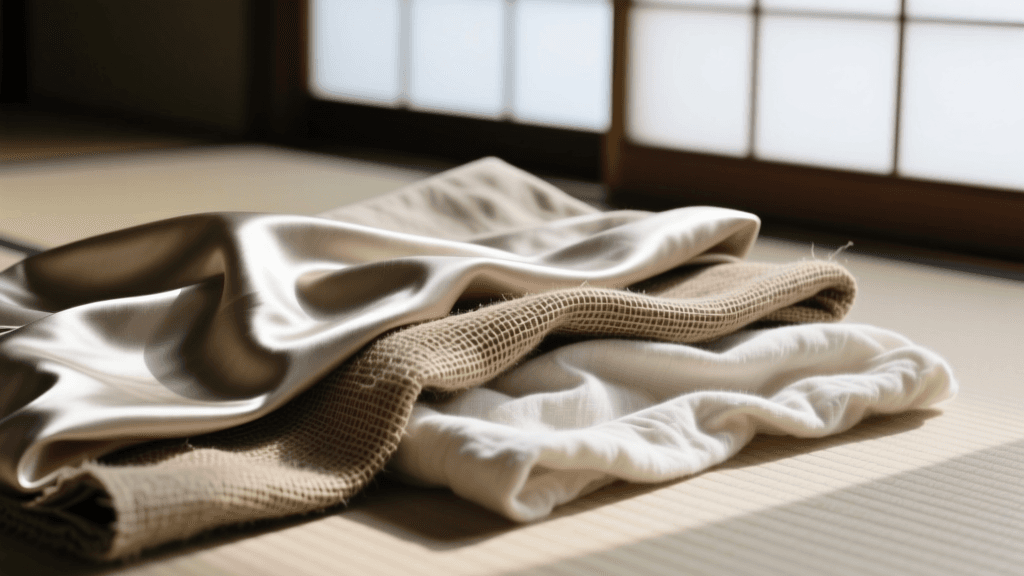
When we think of the kimono, we often visualize the stunning patterns, the vibrant dyes, and the elegant silhouette. However, in 2026, a growing movement of textile enthusiasts, cultural preservationists, and fashion historians is focusing on a frequently overlooked dimension of traditional Japanese garments: the sensory experience. The rustle of silk, the crisp friction of hemp, and the comforting weight of woven pongee create an immersive acoustic and tactile environment for the wearer. This phenomenon, sometimes referred to as sartorial acoustics, transforms the act of wearing a kimono into a multi-sensory journey that connects the individual to centuries of artisanal craftsmanship.
The Acoustic Profile of Traditional Kimono Fabrics
Japanese language is remarkably rich in onomatopoeia, and this linguistic precision is especially evident when describing the sounds of textiles. The auditory feedback of a kimono is not merely a byproduct of movement; it is a carefully engineered characteristic of the weave, tension, and fiber preparation.
Chirimen (Silk Crepe) and the "Suri-Suri" Sound
Chirimen is characterized by its crinkled surface, created by tightly twisting the weft threads—sometimes up to 3,000 twists per meter—before weaving. When a wearer walks in a Chirimen kimono, the fabric produces a soft, muted "suri-suri" sound. This gentle rustling is considered the quintessential acoustic signature of formal silk kimono. In 2026, master weavers in the Tango region of Kyoto continue to use specialized looms to ensure the twist tension perfectly captures this acoustic profile, creating a sound that is both soothing and deeply traditional.
Tsumugi (Pongee) and the "Shari-Shari" Friction
Tsumugi, woven from silk noil or floss silk, has a distinctly different acoustic footprint. Because the fibers are shorter and the weave is tighter and flatter, Tsumugi produces a crisp, dry "shari-shari" sound. This sound is highly prized among aficionados of casual and semi-formal wear, as it conveys a sense of rustic elegance and groundedness. The friction between the tightly packed yarns creates an auditory crispness that synthetic blends simply cannot replicate.
Asa (Hemp) and the Rhythmic Swish
Hemp and ramie fabrics, such as those used in high-end summer Jofu kimono, offer a stiffer, more structured acoustic experience. The sound is a rhythmic, papery swish that cuts through the humid air of the Japanese summer. According to the Japan Traditional Crafts Association, the meticulous hand-ramming and weaving of Ojiya-chijimi hemp not only creates a cooling tactile sensation but also a distinct, resonant acoustic feedback that honors the natural stiffness of the bast fibers.
Tactile Sensations: Weight, Drape, and Temperature
Beyond sound, the tactile experience—or te-zawari (hand feel)—is paramount. In 2026, with shifting global climates and a renewed interest in sustainable, natural fibers, the thermal and textural properties of kimono fabrics are more relevant than ever.
The Cooling Touch of Ro and Sha
For summer wear, open-weave silks like Ro and Sha are indispensable. The tactile sensation is incredibly light, and the open gaps in the weave allow air to circulate directly against the skin or the undergarment. The slight stiffness of the twisted threads provides a cooling, non-clinging sensation that is highly sought after during the sweltering months of July and August.
The Grounding Weight of Omeshi
Omeshi is a heavily pre-dyed, tightly woven silk crepe that is notably heavier than standard Chirimen. The tactile experience of wearing Omeshi is one of grounding weight and substantial drape. It molds to the body's movements over time, creating a personalized fit that feels like a protective, comforting second skin during the colder months.
Sensory Layering: The Role of the Juban
The sensory experience of a kimono is not isolated to the outer garment; it is deeply influenced by the juban (undergarment). In 2026, practitioners are increasingly pairing specific juban materials with outer fabrics to enhance the overall tactile and acoustic feedback. A crisp, stiff hemp juban worn beneath a lightweight Ro silk kimono amplifies the swishing sound and provides a satisfying, structured friction against the skin. Conversely, a soft, washed-silk juban worn beneath a heavy Omeshi kimono creates a luxurious, frictionless glide that emphasizes the outer garment's weight and drape.
2026 Fabric Sensory Comparison Chart
| Fabric Type | Acoustic Profile | Tactile Sensation | Ideal Season |
|---|---|---|---|
| Chirimen (Crepe) | Soft "suri-suri" rustle | Crinkled, soft, moderate weight | Spring / Autumn |
| Tsumugi (Pongee) | Crisp "shari-shari" | Dry, textured, lightweight | Autumn / Winter |
| Ro / Sha | Breezy, light swish | Smooth, airy, non-clinging | Summer |
| Asa (Hemp) | Papery, rhythmic swish | Crisp, cool, structured | Summer |
| Omeshi | Deep, muted friction | Heavy, substantial, molding | Winter |
Preserving the Sensory Experience in 2026
Maintaining the specific sound and feel of a kimono requires specialized care. The "hand" of the fabric can be easily ruined by improper washing, harsh chemicals, or inadequate storage.
The Shift Towards Specialized Mizuarai (Water Washing)
While traditional dry cleaning using petroleum-based solvents has been the standard for decades, it often strips silk of its natural sericin and oils, leading to a loss of the fabric's acoustic resonance and a flattening of its texture. In 2026, there is a massive surge in specialized Mizuarai (artisan water washing) techniques. Master washers use proprietary, pH-neutral botanical detergents and precise temperature controls to clean the garment while actually enhancing the "shari-shari" sound of Tsumugi or the softness of Chirimen. This method revitalizes the fibers, allowing them to breathe and move with their original acoustic intent.
Proper Storage for Acoustic Preservation
To preserve the crispness of hemp and the dry friction of Tsumugi, garments must be stored flat in tatou (traditional paper sleeves) within a paulownia wood chest (tansu). Paulownia wood naturally regulates humidity, preventing the silk or hemp from absorbing excess moisture. Excess moisture would otherwise dampen the fabric's acoustic properties, making it feel limp and sound muffled when worn.
Actionable Guide: Choosing Your Sensory Kimono
For collectors and practitioners in 2026, selecting a kimono is no longer just about visual aesthetics; it is about curating a sensory wardrobe. Here is how to choose based on your sensory preferences:
- For acoustic subtlety: Choose a high-quality Chirimen from the Tango region. The tight, uniform twist of the weft threads guarantees a consistent, soothing rustle that is perfect for tea ceremonies and formal gatherings.
- For tactile grounding: Invest in an Oshima Tsumugi. The mud-dyeing process and tight weave create a remarkably smooth yet dry texture that improves with age, softening slightly while retaining its structural integrity and crisp sound.
- For thermal regulation and crispness: Seek out authentic Miyako Jofu hemp. As highlighted by the Victoria and Albert Museum's textile archives, high-end ramie and hemp garments are masterpieces of functional design, offering unparalleled breathability and a uniquely crisp hand-feel that defines summer elegance.
The Future of Sartorial Acoustics
As we move through 2026, the intersection of traditional craftsmanship and sensory awareness is reshaping how we value historical garments. Institutions like the Metropolitan Museum of Art have long documented the visual and structural brilliance of Japanese textiles, but contemporary wearers are bringing the auditory and tactile elements back to the forefront of daily life. By understanding, preserving, and prioritizing the sounds and textures of these fabrics, we ensure that the kimono remains not just a beautiful garment to be looked at, but a living, breathing, and rustling experience to be deeply felt and heard.