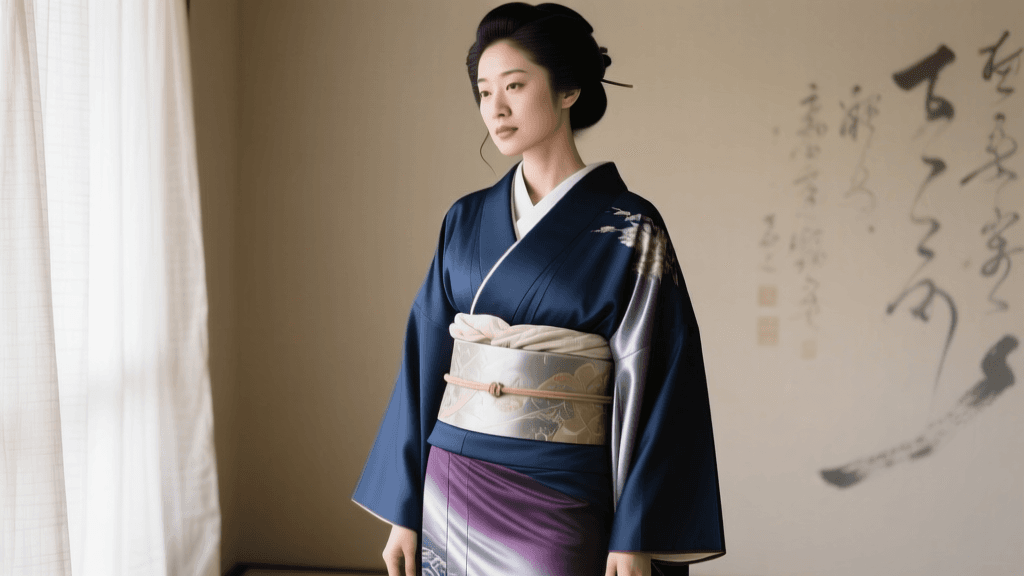
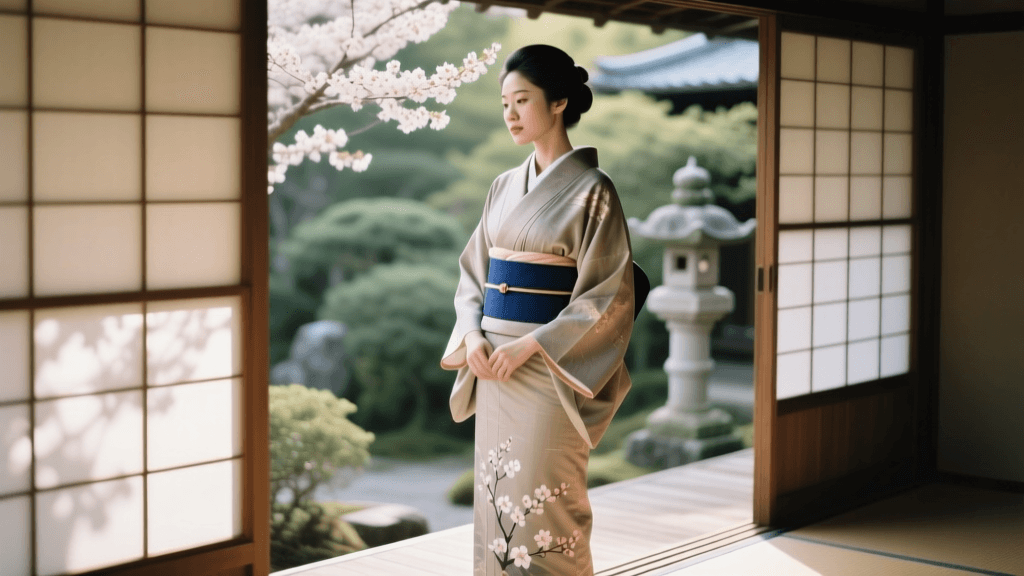
Kimono Etiquette: Formal Dress Codes & Occasion Rules
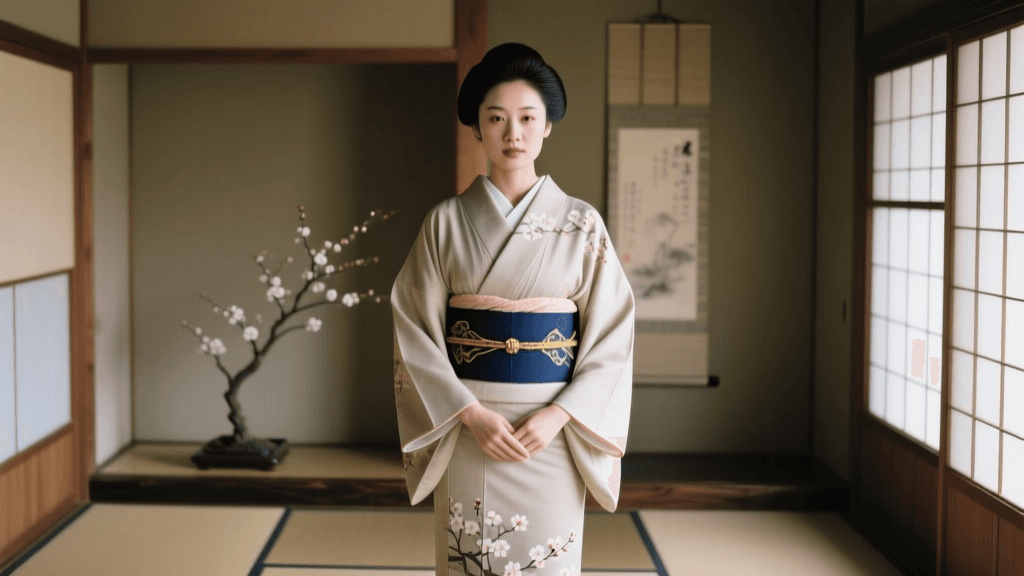
Introduction to Kimono Etiquette and the TPO Rule
The traditional Japanese kimono is far more than a beautiful garment; it is a highly structured, non-verbal language woven from silk, patterns, and meticulous layering. In Japan, dressing appropriately is governed by the TPO principle: Time, Place, and Occasion. Understanding TPO is essential for anyone looking to wear a kimono respectfully, whether attending a formal wedding, participating in a tea ceremony, or exploring the historic streets of Kyoto. According to Japan Guide's comprehensive kimono overview, while modern fashion has relaxed some rules for casual wear, formal occasions still demand strict adherence to centuries-old sartorial codes.
Navigating these rules requires an understanding of garment hierarchy, seasonal fabrics, accessory pairings, and the subtle markers of marital status and age. This guide provides actionable, detailed advice on formal kimono dress codes, ensuring you honor the tradition while looking impeccably appropriate.
The Golden Rule: Collar Alignment and Undergarments
Before discussing specific kimono types, one universal rule must be memorized: the left side of the kimono must always overlap the right side. As noted by the Japan National Tourism Organization, wrapping the right side over the left is strictly reserved for dressing the deceased for burial. Making this mistake in a formal setting is considered highly inauspicious and disrespectful.
Formal kimono etiquette also dictates the use of specific undergarments. A juban (under-kimono) is worn beneath the main garment to protect the expensive silk from sweat and oils. For formal events, the juban must be made of silk or high-quality synthetic crepe, and it must feature a han-eri (decorative collar). For the highest levels of formality, the han-eri must be stark white and heavily embroidered or woven with subtle metallic threads.
Seasonality: Awase, Hitoe, and Usumono
Formality is not just about the event; it is also about the calendar. Traditional kimono etiquette mandates specific fabric weights depending on the month:
- Awase (October to May): A lined kimono worn during the cooler months. The lining adds weight and warmth, and the collar of the juban is worn slightly higher to protect the neck from the cold.
- Hitoe (June and September): An unlined kimono made of a single layer of silk. It provides breathability during the transitional, humid months of early summer and early autumn.
- Usumono (July and August): A sheer, gauze-like silk kimono (often made of ro or sha weave) designed for the peak heat of the Japanese summer. Wearing a lined awase kimono in August is considered a major faux pas, as it shows a disregard for the season.
The Hierarchy of Formality: Choosing the Right Kimono
The formality of a kimono is determined by its color, pattern placement, and the number of kamon (family crests) dyed into the fabric. The crests are placed in specific locations: the back of the neck, the outer sleeves, and the chest. More crests indicate higher formality.
1. Kurotomesode (First Formal)
The kurotomesode is a black silk kimono featuring patterns only below the waistline and adorned with five family crests. It is the highest level of formality and is exclusively worn by married women. It is the standard attire for the mother of the bride or groom at a Japanese wedding.
2. Irotomesode (Formal)
Similar in cut and pattern placement to the kurotomesode, the irotomesode is made from colored silk (often pastel shades like blush pink, pale green, or soft lavender) rather than black. It can feature three or five crests and is worn by married or unmarried women who are close relatives of the bride or groom.
3. Homongi (Formal Visiting Wear)
The homongi is characterized by an eba-moyo pattern, meaning the design flows continuously across the seams of the garment, creating a single, cohesive picture when the kimono is laid flat. It typically features one to three crests and is appropriate for both married and unmarried women attending formal parties, galas, or high-level tea ceremonies.
4. Tsukesage (Semi-Formal)
The tsukesage features patterns that do not cross the seams; the designs are contained within individual panels of the kimono. It usually has zero or one crest and is considered semi-formal. It is highly versatile, suitable for graduation ceremonies, formal dinners, and cultural events.
5. Komon and Yukata (Casual)
Komon features small, repeating patterns all over the fabric and has no crests. It is strictly for casual outings, shopping, or informal dinners. The yukata, made of lightweight cotton, is reserved for summer festivals and relaxing at ryokan inns. Neither should ever be worn to a formal wedding or official ceremony.
Accessorizing for Formality: Obi, Zori, and Bags
A kimono is incomplete without its accessories, which must also match the TPO of the event.
- The Obi (Sash): For formal kimono (Tomesode and Homongi), a Fukuro obi is required. This is a heavy, brocade sash woven with gold or silver threads, measuring approximately 31 cm in width and 4.5 meters in length. It is tied in a formal Taiko musubi (drum knot). For semi-formal Tsukesage, a high-quality Fukuro or an ornate Nagoya obi may be used.
- Zori (Footwear): Formal zori are sandals with a base covered in brocade, vinyl, or woven rattan. For first-formal events, the zori base should be gold or silver. The hanao (thongs) must be pristine and match the formality of the shoe.
- Tabi (Socks): Split-toe tabi socks are mandatory. For any formal occasion, tabi must be pure white and made of cotton or silk. Colored or patterned tabi are strictly for casual wear.
- Bags: Formal kimono require a small, structured clutch or top-handle bag made of brocade or silk that matches or complements the obi. Large shoulder bags or leather handbags clash with formal silk garments and are considered inappropriate.
Formal Occasion Guidelines
Weddings
If you are a guest at a Japanese wedding, avoid wearing white (reserved for the bride) and avoid wearing kurotomesode unless you are the mother of the couple. Unmarried female guests should opt for a furisode (long-sleeved kimono) or a vibrant homongi. Married guests should choose a subdued homongi or tsukesage. When attending the ceremony, it is customary to bring a formal fukusa (silk cloth) to wrap your monetary gift, and your obi knot should be tied securely to avoid readjusting it in public.
Tea Ceremonies
Attending a traditional tea ceremony requires a more subdued aesthetic. According to Japan Guide's etiquette for tea ceremonies, the focus should be on the host, the tea, and the utensils, not on the guest's clothing. Avoid overly flashy homongi or heavy gold brocade obi. Instead, choose an elegant, muted tsukesage or a high-quality edo-komon (fine micro-patterns). Keep your jewelry to an absolute minimum; rings and long necklaces can scratch the precious ceramic tea bowls.
Graduations
University graduations in Japan feature a unique sartorial tradition: the pairing of a kimono with a hakama (pleated, skirt-like trousers). Female graduates typically wear a furisode or a vibrant tsukesage beneath a dark, embroidered hakama. Footwear shifts from formal zori to leather lace-up boots, a tradition dating back to the Meiji era when female teachers and students adopted Western footwear for practicality.
Data Table: Kimono Formality, Occasions, and Rental Costs
For international visitors and expats, renting is the most practical way to wear formal kimono. The table below outlines the expected rental costs in major cities like Kyoto and Tokyo, which typically include the garment, obi, undergarments, tabi, zori, bag, and professional dressing service (kitsuke).
| Kimono Type | Formality Level | Crests (Kamon) | Ideal Occasion | Avg. Rental Cost (USD) |
|---|---|---|---|---|
| Kurotomesode | First Formal | 5 | Weddings (Mothers/Sisters) | $150 - $250 |
| Irotomesode | Formal | 3 or 5 | Weddings (Close Relatives) | $120 - $200 |
| Homongi | Formal | 1 to 3 | Tea Parties, Galas, Visits | $90 - $160 |
| Tsukesage | Semi-Formal | 0 or 1 | Graduations, Dinners | $70 - $120 |
| Komon | Casual | 0 | Shopping, Casual Outings | $30 - $60 |
Practical Tips for Renting and Wearing Formal Kimono
Timing and Reservations: Formal kimono rentals require advanced booking, especially during peak seasons like the spring cherry blossom season (late March to early April) and the autumn foliage season (November). For a wedding or formal tea ceremony, book your rental and dressing appointment at least two to three months in advance.
The Kitsuke Process: Professional dressing takes approximately 45 to 60 minutes. The dresser will use a series of koshi-himo (thin cotton ties) and date-jime (wide under-sashes) to secure the garment and create the signature cylindrical silhouette, which intentionally flattens the bust and waist. Communicate if the ties are too tight, as you will be wearing the garment for several hours.
Movement and Posture: Walking in a formal kimono requires small, deliberate steps. Keep your toes pointed slightly inward and slide your zori along the ground rather than lifting them high. When sitting, especially in a traditional tatami room, smooth the back of your kimono and obi to prevent wrinkling, and sit with your knees together, angled slightly to the side to maintain the drape of the fabric.
Conclusion
Mastering kimono etiquette is a rewarding endeavor that deepens your appreciation for Japanese culture. By respecting the TPO principle, understanding the hierarchy of formality, and paying attention to the subtle details of collars, crests, and seasonal fabrics, you honor the artisans who craft these magnificent garments. Whether you are attending a solemn wedding or a quiet tea ceremony, dressing correctly ensures that you participate in the tradition with grace, respect, and authenticity.