Kimono Guide for Family Ceremonies 2026: Birth, Age & Memorials
The Evolution of Ceremonial Kimono in 2026
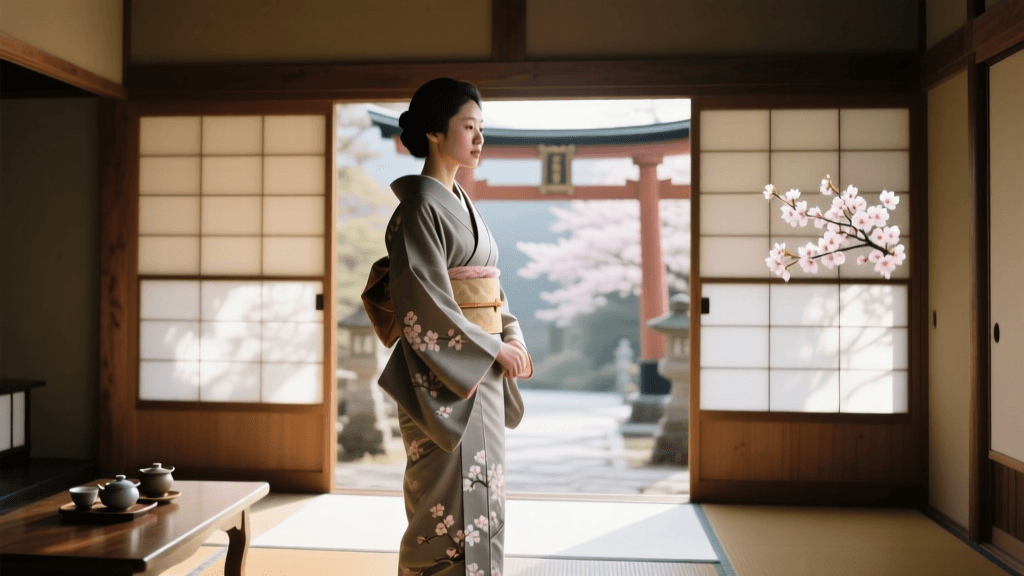
In Japan, the kimono is far more than a beautiful garment; it is a living archive of cultural identity, familial duty, and seasonal awareness. As we navigate through 2026, the landscape of traditional Japanese clothing has seen a remarkable renaissance. Driven by a blend of deep respect for heritage and a modern commitment to sustainable fashion, families are increasingly turning to upcycled vintage silks and eco-conscious rental boutiques for their most significant life milestones. Whether celebrating the birth of a child, marking the transition into adulthood, or honoring ancestors during memorial services, understanding the precise etiquette of ceremonial kimono is essential.
This comprehensive 2026 guide explores the specific garments, styling rules, and modern market trends for Japan's most pivotal family ceremonies. From the vibrant furisode of Coming-of-Age Day to the subdued elegance of mourning attire, we break down everything you need to know to dress appropriately and beautifully for every milestone.
Birth and Early Childhood: Miyamairi and Shichi-Go-San
Miyamairi: The First Shrine Visit
When a baby is approximately one month old, families participate in Miyamairi, a traditional Shinto shrine visit to pray for the child's health and longevity. In 2026, while some urban families opt for modern christening-style gowns, the traditional route remains highly popular, especially in regions like Kyoto and Kanazawa.
The baby is typically dressed in a white ubugi (undergarment) wrapped in a vibrant, beautifully dyed outer robe known as an uwagi. These outer robes often feature auspicious motifs such as cranes, turtles, or treasure ships, applied via the meticulous yuzen dyeing technique. The mother, who traditionally carries the baby during the ritual, wears an iromuji (a single-colored silk kimono) or a houmongi (visiting kimono) featuring one to three kamon (family crests). The color palette for the mother in 2026 leans heavily toward soft, nurturing pastels like sakura pink, wisteria, and pale matcha green, avoiding overly flashy patterns that might distract from the infant.
Shichi-Go-San: The Seven-Five-Three Festival
Held annually on November 15th, Shichi-Go-San celebrates the growth and well-being of children aged three, five, and seven. This is one of the most visually stunning times of the year at Shinto shrines across Japan.
- Three-Year-Olds (Boys and Girls): Children wear a standard kimono layered with a hifu, a sleeveless, padded silk vest. The hifu is often brightly colored or embroidered, providing a cute, forgiving silhouette that accommodates the unpredictable movements of a toddler.
- Five-Year-Old Boys: Boys transition to wearing a formal hakama (pleated trousers) over a kimono, often adorned with a haori (jacket) bearing the family crest. In 2026, deep navy and charcoal hakama paired with gold-leaf haori are the top choices among modern parents.
- Seven-Year-Old Girls: Girls wear their first formal, adult-style hiki-furisode (shorter-sleeved furisode) tied with a complex, decorative obi knot, such as the choucho (butterfly) or hana (flower) musubi.
Coming-of-Age Day (Seijin no Hi) 2026 Trends
Held on the second Monday of January, Seijin no Hi honors those who have reached the age of majority (which was officially lowered to 18 in Japan, though the kimono-wearing tradition remains steadfastly tied to the 20th birthday). This ceremony is the undisputed pinnacle of the Japanese kimono calendar.
The Furisode Phenomenon
Unmarried young women wear the furisode, characterized by its dramatically long, swinging sleeves that can measure up to 114 centimeters in length. The furisode represents youth, availability for marriage, and vibrant energy. For 2026, the dominant trend is the 'Taisho Roman' revival—a nostalgic aesthetic featuring deep burgundies, mustard yellows, and large, bold floral motifs reminiscent of the 1920s. Furthermore, the 'circular fashion' movement has exploded, with over 40% of young women in Tokyo opting for meticulously restored vintage furisode from the Showa era rather than purchasing newly manufactured silk.
Men's Hakama and Haori
While many young men wear Western suits, those who choose traditional attire don a formal black or navy kimono paired with a striped sendaihira silk hakama and a black haori jacket bearing five family crests. The 2026 market has seen a surge in bespoke hakama rentals that include modern, breathable under-layers to combat the chilly January weather while maintaining a sharp silhouette.
2026 Pricing and Package Comparison
Planning for Seijin no Hi requires significant financial and logistical preparation. Below is a breakdown of the average costs in major metropolitan areas like Tokyo and Osaka for the 2026 season.
| Attire Category | 2026 Rental Package | 2026 Purchase (New) | Vintage Upcycle | Inclusions |
|---|---|---|---|---|
| Furisode (Women) | ¥85,000 - ¥150,000 | ¥350,000 - ¥800,000 | ¥60,000 - ¥120,000 | Kitsuke (dressing), hair styling, zori sandals, photo session |
| Hakama Set (Men) | ¥35,000 - ¥60,000 | ¥150,000 - ¥300,000 | ¥25,000 - ¥45,000 | Kitsuke, haori jacket, tabi socks, hakama |
| Iromuji (Mothers) | ¥25,000 - ¥40,000 | ¥120,000 - ¥250,000 | N/A (Usually owned) | Obi rental, dressing service |
Memorials, Obon, and Mourning Attire
While celebrations call for vibrant silks, ceremonies of remembrance demand strict adherence to subdued aesthetics and profound respect. Understanding the hierarchy of mourning wear is crucial for any family navigating loss and ancestral veneration.
Mofuku: The Deepest Mourning
Mofuku is the formal mourning attire worn exclusively by close family members during the funeral and the immediate 49-day mourning period. It consists of a plain, matte black silk kimono featuring five kamon (family crests) placed on the back, chest, and sleeves. The obi, obijime (cord), and zori sandals must also be entirely black and matte. In 2026, strict etiquette still dictates that shiny fabrics, metallic threads, and any hint of color are strictly forbidden in Mofuku.
Iromuji and Hōji: Subsequent Memorials
For subsequent memorial services (Hōji) held on the 1st, 3rd, 7th, and 13th anniversaries of a passing, as well as for the summer Obon festival, the attire shifts to Iromuji or subdued Houmongi. The colors must be muted and melancholic: slate grey, deep navy, plum, or dark forest green. The number of family crests is reduced to one or three, depending on the closeness of the relation to the deceased.
Summer Obon Heat Adaptations
With summer temperatures in Japan frequently exceeding 35°C (95°F) during the August Obon season, heat management during grave visits and temple ceremonies has become a major focus in 2026. Families are increasingly utilizing ro (sheer silk with woven stripes) and sha (leno-weave gauze) kimono for summer memorials. These breathable fabrics are worn over specialized cooling juban (undergarments) treated with contact-cool technology, allowing wearers to maintain strict traditional modesty without risking heatstroke.
Sourcing, Etiquette, and the 2026 Digital Shift
The way families acquire and prepare their ceremonial kimono has evolved dramatically. According to cultural insights documented by authorities on traditional Japanese clothing, the integration of technology into the kimono industry has streamlined what was once a highly intimidating process.
Virtual Fittings and AI Styling
In 2026, leading rental salons in Tokyo's Ginza and Kyoto's Gion districts offer AI-assisted virtual fitting rooms. Clients can upload their biometric data and skin-tone profiles to visualize how different furisode patterns and obi combinations will look before committing to a physical fitting. This has drastically reduced the time spent in-store and minimized the stress of decision-making for young adults preparing for Seijin no Hi.
Booking Timelines
To secure the best garments for major 2026 ceremonies, timing is everything:
- Seijin no Hi: Book rental packages at least 8 to 12 months in advance. The most sought-after vintage Taisho Roman furisode are often reserved by mothers while their daughters are still in high school.
- Shichi-Go-San: Reserve children's hakama and hifu sets by early September to ensure sizing availability, as children's growth spurts require precise last-minute adjustments.
- Weddings and Miyamairi: A 3 to 4-month lead time is generally sufficient for securing high-end houmongi and baby uwagi sets.
Final Thoughts on Preserving the Thread
Whether wrapping a newborn in the protective silk of a Miyamairi uwagi, or standing in quiet reflection in a slate-grey iromuji at a family grave, the kimono remains the ultimate vessel for Japanese familial emotion. In 2026, the harmonious blend of ancestral respect and modern innovation ensures that these breathtaking garments will continue to grace the most important days of our lives, weaving the past seamlessly into the future.