2026 Guide: Kimono for Birth, Coming-of-Age & Memorial Ceremonies
The Enduring Legacy of Kimono in Japanese Family Milestones
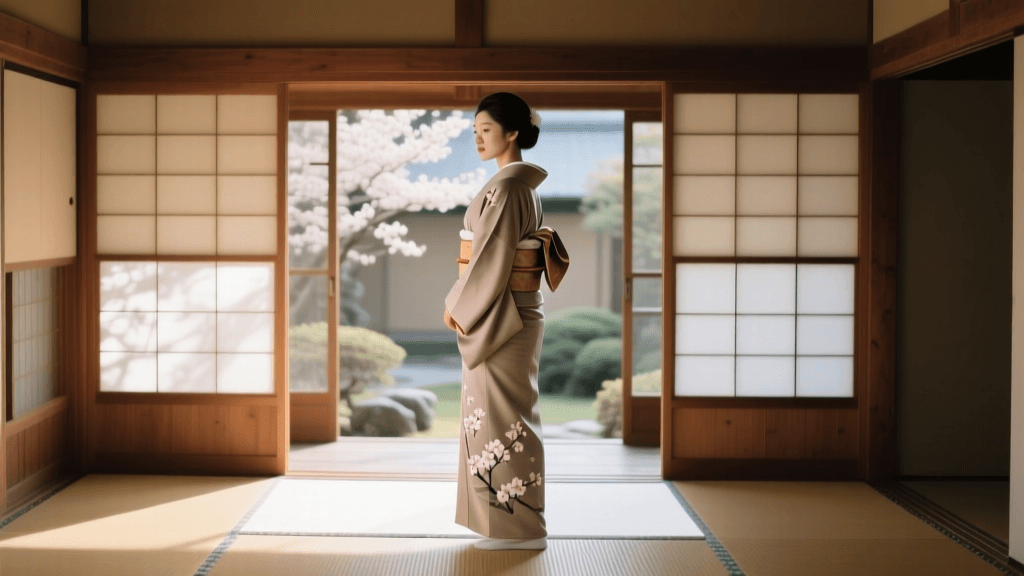
In 2026, the kimono remains far more than a beautiful textile; it is a vital conduit for generational connection, spiritual reverence, and familial duty in Japan. While daily wear has largely transitioned to Western clothing, traditional garments are strictly preserved for life’s most significant milestones. From the first shrine visit of a newborn to the solemnity of ancestral memorials, the rules governing kimono selection, styling, and etiquette are deeply codified. However, the modern landscape of 2026 has introduced sustainable silk blends, AI-assisted rental fittings, and climate-adaptive undergarments that make participating in these traditions more accessible than ever.
Whether you are a resident navigating your family’s ceremonial calendar or an expatriate invited to participate in a Japanese milestone, understanding the nuances of ceremonial kimono is essential. This comprehensive guide breaks down the sartorial requirements for birth, coming-of-age, and memorial ceremonies in 2026, complete with current rental costs, booking timelines, and etiquette rules.
Birth and Childhood Milestones: Omiyamairi & Shichi-Go-San
Omiyamairi: The First Shrine Visit
Approximately one month after a baby is born, families participate in Omiyamairi, a shrine visit to thank the deities for the child’s safe delivery and to pray for their future health. The focal point of this ceremony is the Ubadogi (or Iwai-gi), a ceremonial baby kimono. Traditionally, the baby is cradled in the arms of the paternal grandmother, draped in this exquisite garment.
In 2026, parents are increasingly opting for lightweight, breathable silk-cotton blends for summer Omiyamairi to prevent infant overheating. The garment is typically adorned with auspicious motifs such as cranes, pine trees, or treasure ships. While purchasing a handmade silk Ubadogi can exceed ¥80,000, specialized 2026 rental packages—which include the baby’s kimono, a matching outer layer for the mother, and professional dressing services—average around ¥25,000 to ¥35,000.
Shichi-Go-San: The Festival of Ages Three, Five, and Seven
Held annually in November, Shichi-Go-San celebrates the growth of children at the ages of three, five, and seven. According to cultural primers published by Web Japan (Ministry of Foreign Affairs), these specific ages were historically considered critical developmental thresholds requiring spiritual protection.
- Three-Year-Olds (Boys and Girls): Children wear vibrant, colorful kimono. Girls often wear a hifu, a padded silk vest that makes the outfit comfortable and easy to move in, while boys wear a simple kimono with a haori (jacket).
- Five-Year-Olds (Boys): Boys don their first formal hakama (pleated trousers) over a kimono, symbolizing their entry into the wider community.
- Seven-Year-Olds (Girls): Girls transition from simple tied sashes to wearing a proper obi (sash), mirroring adult women’s formal wear, albeit in child-sized, brightly patterned silks.
Rental shops in 2026 heavily promote antibacterial, machine-washable inner linings for children’s rentals, a post-pandemic innovation that has become an industry standard. Expect to budget between ¥15,000 and ¥30,000 per child for a full weekend rental package, including studio photography.
Coming-of-Age: Seijin-shiki and the 'Hatachi' Shift
The transition into adulthood is marked by Seijin no Hi (Coming-of-Age Day), held on the second Monday of January. Following the legal adulthood shift enacted earlier this decade, the 2026 ceremony season fully embraces the 'Hatachi no Tsudoi' (Gathering of 20-Year-Olds) branding. This ensures that participants are out of high school, legally permitted to consume alcohol, and able to celebrate without the pressures of university entrance exams.
Women’s Furisode
Unmarried women celebrate this milestone wearing a furisode, a highly formal kimono characterized by its long, swinging sleeves. According to textile archives maintained by the Victoria and Albert Museum's Asian Collections, the length of the sleeve historically correlated with the depth of emotion and formality, with modern furisode sleeves measuring between 100cm and 114cm.
The 2026 trends lean heavily into 'Taisho Roman' revival aesthetics—bold, retro-modern geometric patterns mixed with classic florals—and upcycled vintage silks dyed with eco-friendly botanical pigments. A full 2026 rental package for a furisode, including dressing, hair styling, and a photoshoot, ranges from ¥60,000 to ¥150,000. Due to immense demand, booking must be secured at least 8 to 10 months in advance.
Men’s Montsuki Haori Hakama
Men typically wear a Montsuki Haori Hakama, consisting of a black kimono adorned with five family crests (kamon), a formal jacket, and striped pleated trousers. While traditionally black and white, 2026 has seen a surge in men opting for deep navy, charcoal, or subtle emerald haori jackets to express individuality while maintaining strict formal etiquette.
Memorial and Funeral Attire: Mofuku & Iromofuku
Mourning attire in Japan is governed by strict rules of respect, sobriety, and familial proximity to the deceased. Understanding the distinction between immediate funeral wear and subsequent memorial anniversaries is crucial to avoiding severe social faux pas.
Mofuku: Immediate Mourning
For the funeral and the immediate 49-day mourning period, close relatives wear Mofuku. This is a solid black silk kimono featuring five family crests. The obi must also be black or dark grey, woven without any shiny or metallic threads. Accessories, including the obi-jime (cord) and obi-age (sash scarf), must be entirely black or white. Tabi socks must be pristine white, and zori sandals should be plain black with no decorative embellishments.
Iromofuku: Memorial Anniversaries
For subsequent memorial services (such as the 1st, 3rd, 7th, 13th, and 33rd anniversaries), attendees transition to Iromofuku. These are subdued, solid-colored kimono in shades of grey, navy, plum, or muted green, featuring one to three family crests. The strictness of the accessories relaxes slightly, allowing for subtle, non-flashy patterns on the obi, though gold, silver, and bright red remain strictly prohibited. For travelers and expatriates navigating these somber events, the Japan National Tourism Organization (JNTO) provides extensive cultural etiquette guides to ensure respectful participation.
2026 Ceremony Rental & Purchase Comparison
The decision to rent or purchase depends heavily on the frequency of ceremonies, storage capabilities, and budget. The table below outlines the 2026 market averages for major ceremonial garments.
| Ceremony Type | Primary Garment | 2026 Avg. Rental Cost (JPY) | 2026 Avg. Purchase Cost (JPY) | Booking Lead Time |
|---|---|---|---|---|
| Omiyamairi (Birth) | Ubadogi (Baby Kimono) | ¥25,000 - ¥35,000 | ¥80,000 - ¥150,000 | 1 - 2 Months |
| Shichi-Go-San (Childhood) | Hifu / Hakama Set | ¥15,000 - ¥30,000 | ¥50,000 - ¥120,000 | 3 - 4 Months |
| Seijin-shiki (Coming-of-Age) | Furisode / Montsuki | ¥60,000 - ¥150,000 | ¥300,000 - ¥800,000+ | 8 - 10 Months |
| Funeral (Immediate) | Mofuku (5 Crests) | ¥15,000 - ¥25,000 | ¥150,000 - ¥300,000 | On-Demand (24-48 hrs) |
| Memorial Anniversaries | Iromofuku (1-3 Crests) | ¥20,000 - ¥40,000 | ¥100,000 - ¥250,000 | 1 - 2 Months |
Modern Adaptations: Weather and Comfort in 2026
One of the most significant hurdles to wearing traditional kimono is managing Japan’s extreme seasonal weather. The heavy layering of silk can be oppressive in the humid summer, while winter shrine visits can be bitterly cold. Fortunately, 2026’s textile innovations have revolutionized ceremonial comfort.
Summer Cooling Technologies
For summer Omiyamairi or outdoor memorial services, modern juban (under-kimono) are now routinely woven with cooling polymers and moisture-wicking bamboo fibers. Brands like Kohaku and specialized rental shops offer 'contact-cooling' innerwear that drops the skin's surface temperature by up to 2°C. Additionally, breathable mesh date-jime (under-sashes) allow for vital airflow around the torso without compromising the structural integrity of the outer obi.
Winter Thermal Solutions
January’s Seijin-shiki requires standing outdoors for photographs in freezing temperatures. In 2026, it is standard practice to wear ultra-thin, heat-generating compression wear (such as advanced Heattech variants) beneath the kimono. Furthermore, disposable adhesive heat patches (kairo) are strategically placed on the lower back and abdomen. For the feet, thermal-lined tabi socks and fleece-lined zori insoles ensure that participants remain warm without altering the traditional silhouette.
Final Thoughts on Ceremonial Etiquette
Navigating the world of ceremonial kimono requires a balance of historical respect and modern pragmatism. Whether you are wrapping a newborn in the protective silk of an Ubadogi, celebrating a young adult’s transition in a sweeping furisode, or paying respects in the solemn black of mofuku, the garment serves as a physical manifestation of family bonds. By understanding the 2026 market, utilizing modern comfort technologies, and adhering to traditional etiquette, participants can fully immerse themselves in these profound Asian traditions with confidence and grace.