Kimono Guide for Family Ceremonies in 2026: Birth, Age & Memorials
The Enduring Role of Kimono in Japanese Family Milestones
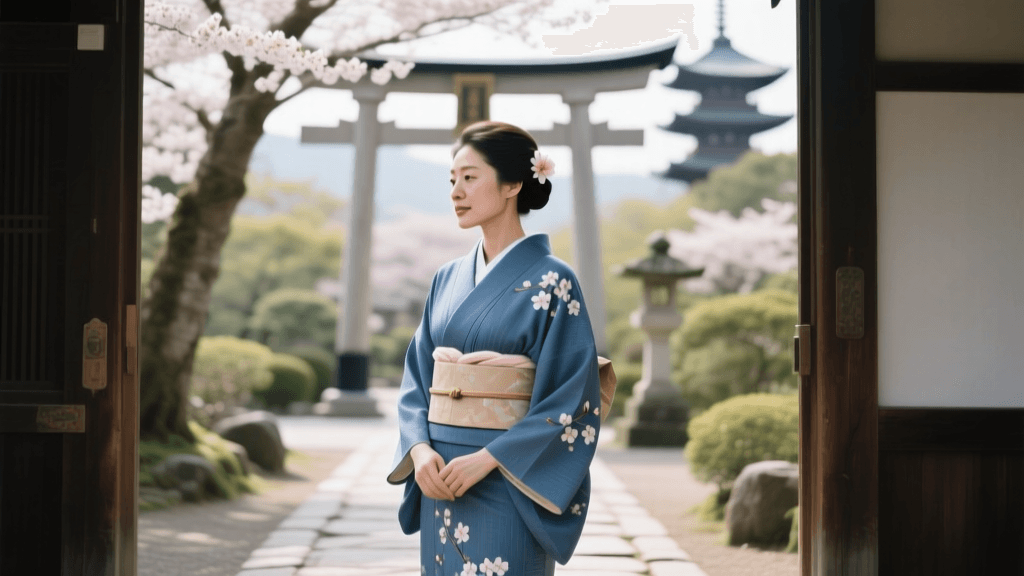
Japanese family ceremonies are deeply intertwined with the changing of seasons, the honoring of ancestors, and the celebration of life’s most profound milestones. In 2026, despite the rapid modernization of daily fashion, the kimono remains the undisputed garment of choice for these sacred moments. From the first shrine visit of a newborn to the vibrant Coming-of-Age Day, and finally to the solemn observances of memorials, traditional garments serve as a visual language of respect, joy, and mourning. According to the Victoria and Albert Museum's authoritative guide to kimono history and structure, the garment is not merely clothing but a canvas that communicates the wearer's age, marital status, and the specific nature of the ceremony they are attending.
Navigating the strict dress codes of Japanese ceremonies can be daunting, especially as the industry adapts to new climate realities and economic shifts in 2026. This comprehensive guide breaks down the essential kimono etiquette, rental trends, and practical considerations for three major family milestones: birth, coming-of-age, and memorials.
Omiyamairi: Celebrating Birth and New Beginnings
The Omiyamairi is a traditional shrine visit that takes place approximately one month after a baby is born. It is a moment of gratitude to the local deity (Ujigami) for the safe delivery of the child and a prayer for the infant's healthy future. In 2026, while some urban families opt for modern western christening gowns, the traditional kimono ensemble remains highly popular, particularly for families wishing to honor regional heritage.
The Baby's Ceremonial Garments
The newborn is traditionally dressed in a white under-kimono (shiro-habugi) and wrapped in an elaborate outer kimono known as an ubugi or iwai-gi. These garments are often crafted from luxurious silk crepe or satin and feature auspicious motifs. For boys, motifs like hawks, pine trees, or samurai helmets (kabuto) are common, while girls' garments feature peonies, cranes, and cherry blossoms. A notable trend in 2026 is the use of sustainably sourced, lightweight silk blends that prevent overheating, a crucial adaptation as Japan's summers continue to grow warmer.
Dress Code for the Mother and Grandmothers
The mother and grandmothers play a central role in the Omiyamairi. The mother typically wears an iromuji (a single-colored kimono with one to three family crests) or a subdued houmongi (visiting kimono) with elegant, flowing patterns that do not overshadow the baby's garment. Because the mother is often still recovering and managing a newborn, 2026 rental shops have introduced 'easy-wear' two-piece kimono sets that mimic the look of a traditional houmongi but fasten with hidden velcro and zippers, drastically reducing dressing time and physical strain.
Seijin-shiki: The Coming-of-Age Ceremony
Held annually on the second Monday of January, Seijin-shiki celebrates young adults reaching the age of majority. As noted in Japan Guide's comprehensive overview of Coming of Age Day, the festival is a vibrant display of youth, tradition, and civic responsibility. Although Japan legally lowered the age of adulthood to 18 in 2022, the cultural consensus in 2026 still heavily favors celebrating the traditional kimono-clad ceremony at age 20, aligning with university life and the legal age for drinking and smoking.
Furisode: The Pinnacle of Unmarried Women's Fashion
For young women, the furisode is mandatory for a traditional Seijin-shiki. Characterized by its long, swinging sleeves (ranging from 90cm to 114cm in length), the furisode is the most formal kimono an unmarried woman can wear. In 2026, the 'retro-modern' aesthetic is dominating the runways and rental shops. Many young women are requesting Taisho-era (1912-1926) inspired color palettes—deep burgundies, mustard yellows, and emerald greens—paired with bold, geometric yuzen dye patterns.
The cost of purchasing a brand-new, artisan-crafted silk furisode in 2026 averages between ¥400,000 and ¥800,000, reflecting a severe shortage of traditional dyers and weavers. Consequently, over 75% of participants opt for rental packages. A premium 2026 rental package, which includes the furisode, a maru obi, zori sandals, a hairpiece, and professional dressing services at a local salon, typically costs between ¥150,000 and ¥250,000.
Hakama and Montsuki for Men
While the majority of young men now wear Western business suits to Seijin-shiki, there is a growing revival of the traditional montsuki hakama ensemble. This consists of a black kimono bearing five family crests, paired with a stiff, pleated hakama skirt and a haori jacket. In 2026, rental shops report a 15% year-over-year increase in men reserving hakama, driven by social media trends and a renewed interest in masculine samurai aesthetics.
Memorials, Obon, and Honoring Ancestors
While birth and coming-of-age are celebrations of life, Japanese culture places equal, if not greater, emphasis on honoring those who have passed. Funerals, the annual Obon festival in mid-summer, and the Higan equinoxes require strict adherence to mourning etiquette.
Kuromontsuki: The Garment of Mourning
For immediate family members attending a funeral or a major memorial service, the kuromontsuki is the required attire. This is a matte black silk kimono dyed with five family crests (itsutsumon). The fabric must be entirely devoid of shine; glossy silks like rinzu are strictly forbidden in mourning contexts. The obi must be a matte black or dark grey brocade, tied in a simple, flat knot (nijuudaiko) that symbolizes the finality of death—never to be untied and retied.
Subdued Elegance for Distant Relatives and Obon
For more distant relatives, or for the annual Obon grave visits, a full mourning kimono is not required. Instead, women wear an iromuji in somber tones like navy, charcoal, or deep plum, featuring only one or three crests. Men typically wear a dark, uncrested kimono with a subdued hakama. In 2026, a major innovation in memorial wear is the introduction of 'cooling mourning fabrics.' Because Obon takes place during Japan's most sweltering, humid weeks, textile manufacturers have developed matte-black synthetic-silk blends that wick moisture and reflect UV rays, allowing participants to maintain strict traditional etiquette without risking heatstroke.
2026 Ceremony Comparison and Rental Economics
Understanding the financial and logistical requirements of these ceremonies is vital for modern families. The table below outlines the standard expectations and average 2026 market costs for kimono rentals across these three major life events.
| Ceremony | Recommended Garment | 2026 Avg. Rental Cost (JPY) | Key Etiquette Rule |
|---|---|---|---|
| Omiyamairi (Birth) | Iromuji / Houmongi (Mother) | ¥30,000 - ¥60,000 | Patterns must be subdued; avoid outshining the baby's ubugi. |
| Seijin-shiki (Age 20) | Furisode (Women) / Hakama (Men) | ¥150,000 - ¥250,000 | Long sleeves denote unmarried youth; vibrant colors are encouraged. |
| Funeral (Immediate Family) | Kuromontsuki (5 Crests) | ¥40,000 - ¥80,000 | Strictly matte black; no shiny fabrics or festive obi knots. |
| Obon (Grave Visits) | Dark Iromuji / Subdued Komon | ¥20,000 - ¥45,000 | Somber colors; minimal crests; breathable fabrics for summer heat. |
Navigating the 2026 Kimono Rental Market
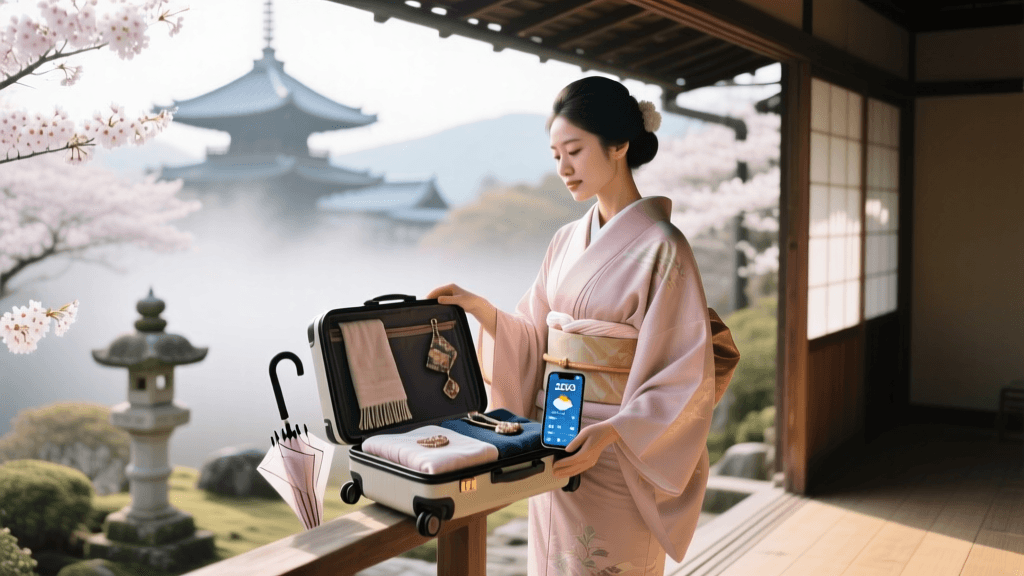
The kimono rental industry in 2026 has become highly digitized and customer-centric. Families no longer need to visit physical shops to browse inventory. Most major rental houses in Tokyo, Kyoto, and Osaka now offer AI-driven Augmented Reality (AR) fitting apps. By uploading a precise 3D body scan via their smartphone, users can see exactly how a specific furisode or kuromontsuki will drape on their body, accounting for height and shoulder width.
Furthermore, booking timelines have shifted. Due to the consolidation of kimono dressing salons and a shortage of certified kitsuke (kimono dressing) professionals, families planning for Seijin-shiki in January 2026 are advised to book their rental packages and salon appointments by August of the previous year. For Omiyamairi and Obon, a lead time of four to six weeks is generally sufficient.
Climate Adaptations and Undergarment Technology
One cannot discuss wearing traditional garments in 2026 without addressing the climate. The traditional kimono requires multiple layers, including the hadajuban (undershirt) and nagajuban (under-kimono). In the past, these were made of cotton or heavy silk, which trap heat. Today, the foundation of ceremonial kimono wear relies on advanced contact-cooling textiles.
Modern juban are frequently woven with xylitol-infused fibers and phase-change materials that actively draw heat away from the skin. For summer ceremonies like Obon or early-autumn Omiyamairi, families also utilize kyaramako (cooling collars) that slip into the back of the kimono neckline, providing hours of localized air circulation. These technological adaptations ensure that the beauty and solemnity of the garment are preserved, without compromising the health and comfort of the wearer.
Conclusion
Whether wrapping a newborn in the hopeful silks of an ubugi, celebrating youth in the sweeping sleeves of a furisode, or honoring ancestors in the dignified matte black of a kuromontsuki, the kimono remains the emotional anchor of Japanese family life. By understanding the nuances of dress codes, embracing modern rental technologies, and adapting to contemporary climate realities, families in 2026 can continue to participate in these ancient traditions with grace, respect, and comfort.