How To Style Saenghwal Hanbok Jeogori In Your 2026 Wardrobe
The Renaissance of Saenghwal Hanbok in 2026
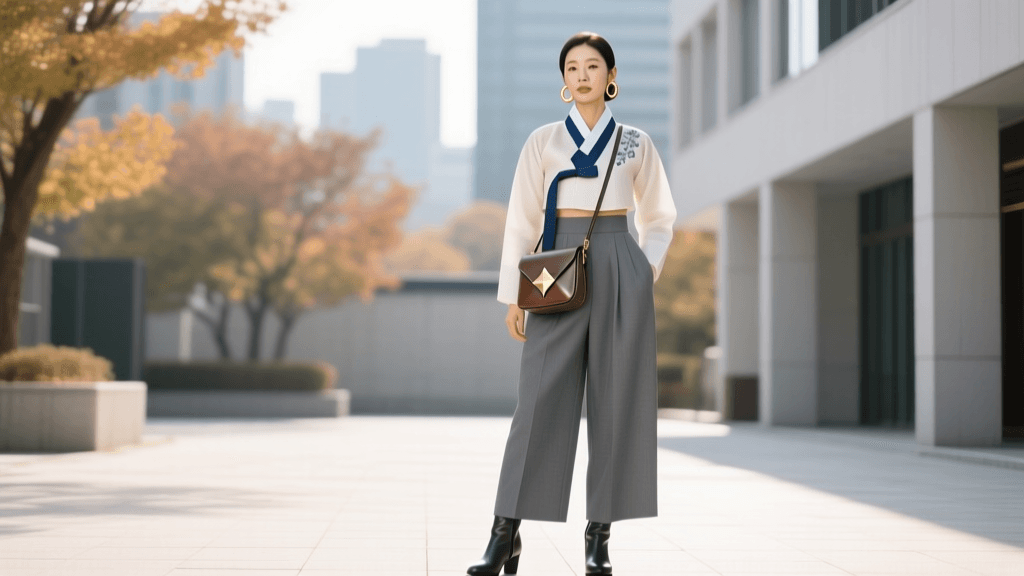
As we navigate the 2026 fashion landscape, the global appetite for heritage wear has shifted from mere ceremonial appreciation to everyday integration. At the forefront of this movement is the saenghwal hanbok (everyday hanbok), a modernized iteration of Korea’s traditional dress designed for contemporary mobility. While the full ensemble remains a staple for holidays like Chuseok and Seollal, the jeogori (the traditional upper garment or jacket) has emerged as a highly versatile standalone piece. When styled correctly, the jeogori bridges the gap between historical reverence and modern minimalism, offering a unique silhouette that disrupts the monotony of standard Western tailoring.
According to Britannica's historical overview of the hanbok, the fundamental structure of the garment has remained remarkably consistent for centuries, characterized by its curved lines, vibrant colors, and distinct proportions. However, the 2026 interpretation of the jeogori prioritizes climate-adaptive textiles, streamlined hardware, and modular layering, making it an ideal candidate for a modern capsule wardrobe.
Anatomy of the Modern Jeogori
To successfully mix a jeogori with modern apparel, one must first understand the anatomical shifts that define the 2026 saenghwal variations. Traditional jeogori were often cut with a voluminous bust and a hemline that hovered just below the chest, secured by long, flowing goreum (ties). Today’s everyday adaptations feature several critical modifications:
- Shortened, Tailored Hems: Modern jeogori typically feature a cropped hem hitting exactly at the natural waist (approximately 14 to 16 inches from the shoulder seam). This allows the garment to sit cleanly above high-waisted trousers without bunching.
- Hidden Closures: While the decorative goreum remains for formal occasions, 2026 streetwear iterations frequently utilize hidden magnetic snaps or minimalist hook-and-eye closures along the seop (front overlap), creating a sleek, uninterrupted facade.
- The Dongjeong (White Collar): The crisp, white detachable collar of the jeogori mimics the sharpness of a contemporary button-down shirt. In modern styling, this element acts as a natural frame for the face and provides a built-in layering piece that eliminates the need for an undershirt.
- Textile Innovations: Moving away from high-maintenance, stiff traditional silks, contemporary artisans are utilizing sustainable cupro, matte crepe, and breathable Tencel blends. These fabrics drape beautifully, resist wrinkling during commutes, and align with the strict 2026 sustainability mandates favored by conscious consumers.
Streetwear Integration: Denim and Proportions
The most striking way to incorporate a jeogori into a casual wardrobe is by playing with proportion. The inherent volume in the sleeves of a traditional jeogori—specifically the gentle curve of the baerae (underarm curve)—pairs exceptionally well with the structured, heavy drape of modern denim.
For a quintessential 2026 weekend streetwear look, pair a cropped, jewel-toned jeogori (such as deep plum or oxidized teal) with high-waisted, wide-leg raw denim. The waist-cinching effect of the jeogori’s natural silhouette contrasts beautifully with the relaxed, pooling hem of the wide-leg jeans. Ground the outfit with chunky, retro-inspired sneakers and a minimalist leather crossbody bag. The key here is to let the jeogori act as the statement piece; keep accessories muted and let the architectural sleeves do the heavy lifting. For deeper cultural context on how these silhouettes evolved, the Victoria and Albert Museum's curated insights on Korean dress provide an excellent visual history of the garment's structural geometry.
The Office Capsule: Tailoring and Layering
Integrating heritage wear into a professional environment requires a focus on tonal harmony and structured layering. The saenghwal hanbok jeogori is uniquely suited for the modern office because its dongjeong (white collar) naturally reads as professional business attire when layered beneath or over contemporary tailoring.
Consider a monochromatic approach: a slate-grey matte crepe jeogori worn over a fitted, charcoal merino wool turtleneck. Pair this with high-waisted, pleated wool trousers and polished leather loafers. The slight A-line flare of the jeogori’s hem provides a sophisticated alternative to a standard cropped blazer. For colder months, the jeogori can be layered underneath an oversized, drop-shoulder wool overcoat. The contrast between the sharp, traditional white collar peeking out from a modern, relaxed outer layer creates a striking, fashion-forward aesthetic that commands attention in any boardroom.
Proportion and Pairing Matrix
Getting the silhouette right is crucial when mixing traditional Asian garments with Western basics. Use the following matrix to balance your 2026 wardrobe pairings:
| Jeogori Silhouette | Ideal Bottom Pairing | Footwear Recommendation | Occasion |
|---|---|---|---|
| Cropped (14-inch hem) | High-waisted wide-leg denim | Chunky retro sneakers | Weekend Streetwear |
| Standard (18-inch hem) | Straight-leg tailored trousers | Pointed-toe ankle boots | Smart Casual / Dinner |
| Oversized / Drop-shoulder | Slim-fit leather pants or leggings | Minimalist leather loafers | Gallery Hopping / Evening |
| Cinched with modern belt | A-line midi skirt (pleated) | Classic Oxford shoes | Office / Professional |
Sourcing, Costs, and Hardware in 2026
The market for saenghwal hanbok has matured significantly. In 2026, consumers are moving away from mass-produced, synthetic costumes and investing in artisan-crafted, everyday pieces. A bespoke, made-to-measure saenghwal jeogori from a reputable contemporary atelier typically ranges from $220 to $480, depending on the complexity of the textile and the origin of the natural dyes.
When sourcing, pay close attention to the hardware. Modern designers are replacing traditional fabric ties with subtle, brushed-brass magnetic clasps or carved wooden toggles that nod to traditional craftsmanship while offering the convenience required for modern commuting. Always verify that the inner lining is made of breathable cotton or bamboo silk to ensure comfort during long days.
Garment Care for Hybrid Textiles
Mixing traditional pieces with a modern wardrobe also means adapting your garment care routine. While traditional silk hanbok required exhaustive dry-cleaning and careful folding to preserve the structural seams, the 2026 saenghwal iterations are designed for practical maintenance.
- Washing: Most modern Tencel and cupro blend jeogori can be hand-washed in cold water using a pH-neutral detergent. Never wring the fabric; instead, press the water out gently and lay flat to dry to maintain the integrity of the shoulder seams.
- Ironing: The dongjeong (white collar) must remain impeccably crisp. Use a low-heat steam iron, placing a cotton pressing cloth over the collar to prevent scorching the delicate outer fabric.
- Storage: Do not hang the jeogori on wire hangers, as this will distort the curved shoulder line. Use padded, contoured wooden hangers and store in a breathable cotton garment bag away from direct sunlight to prevent the natural dyes from fading.
Conclusion
The integration of the saenghwal hanbok jeogori into a modern 2026 wardrobe is more than a fleeting trend; it is a thoughtful approach to sartorial storytelling. By respecting the architectural heritage of the garment while embracing contemporary proportions, sustainable textiles, and modern styling techniques, you can create a capsule wardrobe that is deeply rooted in culture yet entirely relevant for the modern world. Whether paired with heavy denim for a weekend market run or layered under a tailored overcoat for a corporate meeting, the jeogori proves that tradition and modernity are not mutually exclusive—they are the ultimate style partnership.