Kimono Destination Weddings: Travel & Styling Guide
The Allure of the Kimono Destination Wedding
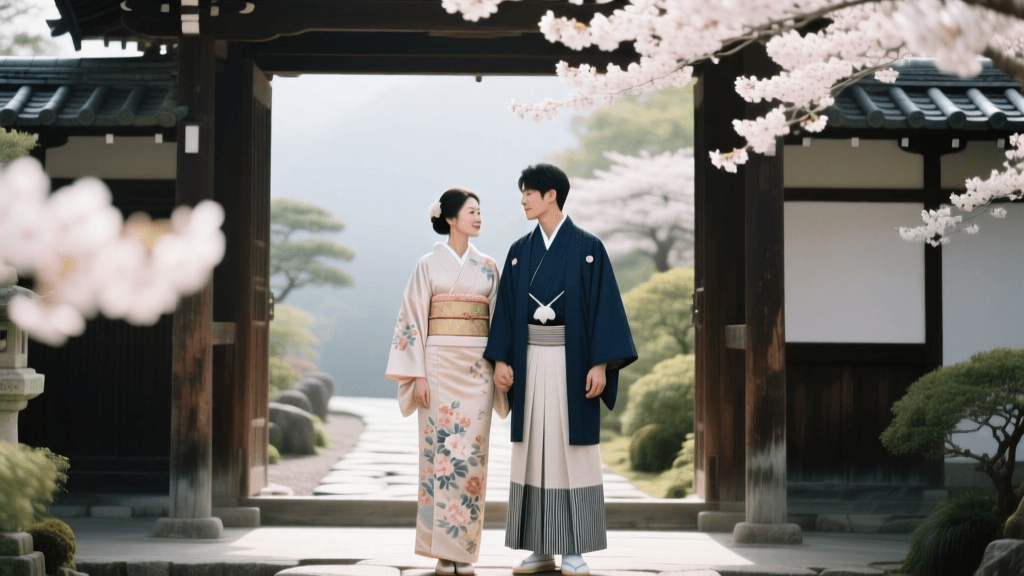
Destination weddings have evolved far beyond simple beach ceremonies. Today, couples are seeking profound cultural connections, breathtaking historical backdrops, and deeply personal sartorial choices. For those with Japanese heritage or a deep appreciation for Asian traditions, a kimono destination wedding offers an unparalleled blend of elegance, history, and visual splendor. Whether you are exchanging vows at a serene Kyoto shrine, a tropical resort in Hawaii, or a historic European estate, wearing traditional Japanese garments requires meticulous planning. As noted by The Metropolitan Museum of Art, the kimono is not merely a piece of clothing but a complex architectural garment that interacts dynamically with the wearer's body and environment. When you remove this garment from its native context and transport it across the globe, logistical challenges arise. This comprehensive guide will walk you through selecting, packing, and styling your kimono for a flawless destination wedding or special event.
Choosing the Right Bridal Kimono for Travel
The first step in planning your destination wedding is selecting the appropriate garment. Traditional bridal kimono are voluminous, heavy, and highly sensitive to environmental factors. Understanding the differences between the primary bridal styles will help you choose a garment that suits both your aesthetic vision and your travel logistics.
Shiromuku vs. Iro-uchikake vs. Hikizuri
The shiromuku is the pure white, heavily padded silk kimono traditionally worn for Shinto shrine ceremonies. While breathtaking, its immense weight and stark white color make it highly susceptible to travel wrinkles and outdoor stains. The iro-uchikake (colored outer robe) is worn over a base kimono and is often heavily embroidered with gold and silver threads. It is slightly more forgiving regarding minor stains but requires a professional dresser to manage the trailing hem. The hikizuri is a trailing kimono often used by geisha and maiko, increasingly popular for alternative or vintage-inspired weddings. It requires exceptional posture and hem-management skills, especially on uneven outdoor terrain.
| Garment Type | Best Environment | Travel & Care Considerations | Estimated Weight |
|---|---|---|---|
| Shiromuku | Indoor shrines, controlled climates | High stain risk; requires heavy steaming upon arrival | 4.5 - 6 kg |
| Iro-uchikake | Hotel ballrooms, gardens, estates | Embroidery can snag; needs padded hangers for transport | 3.5 - 5 kg |
| Hikizuri | Studio shoots, flat terraces | Hem easily dirtied outdoors; requires constant adjustment | 2.5 - 4 kg |
| Polyester Blends | Beaches, tropical resorts, summer | Wrinkle-resistant, washable, breathable but less formal | 1.5 - 2.5 kg |
For tropical or highly humid destinations, many modern brides opt for high-quality polyester or rayon-silk blend kimono. While purists may prefer 100% silk, modern synthetic blends resist humidity-induced sagging and are vastly easier to pack and maintain in remote locations where professional dry cleaning is unavailable.
The Art of Packing: Protecting Silk in Transit
Packing a silk kimono in a standard suitcase is a recipe for disaster. Silk fibers can permanently crease if compressed under heavy items, and moisture trapped in luggage can lead to mildew. According to conservation guidelines from the Victoria and Albert Museum, proper storage and handling of silk garments require acid-free materials and careful folding techniques to preserve the structural integrity of the weave and dye.
Essential Packing Materials
- Tatoushi (Kimono Wrapping Paper): Never fold a kimono directly against itself or plastic. Use traditional tatoushi or acid-free archival tissue paper to cushion the folds and prevent dye transfer.
- Paulownia Wood Box (Kiri-bako) or Hard-Shell Garment Bag: While traditional wooden boxes are ideal for home storage, they are too fragile for airline cargo. Use a rigid, hard-shell garment bag or a specialized kimono travel case with internal straps to prevent shifting.
- Desiccant Packs: Place silica gel packets inside the wrapping layers to combat fluctuating humidity levels in the airplane cargo hold.
Folding and Rolling Techniques
Unlike Western gowns, which are often rolled or stuffed into bags, a kimono must be folded along its designated seam lines (hon-datami folding). Once folded and wrapped in tatoushi, place the bundle at the very top of your hard-shell suitcase. Alternatively, the uchikake can be gently rolled around a padded cardboard tube to completely avoid fold lines, though this requires a significantly larger travel case.
"When traveling with heirloom silk, always carry your most precious accessories—such as antique obi, kanzashi hairpins, and family crests—in your personal carry-on luggage. Checked baggage can be lost or subjected to extreme temperature fluctuations that damage delicate metals and vintage threads."
Climate Control and Undergarments (Juban)
A destination wedding often means contending with unfamiliar climates. The traditional kimono silhouette requires multiple layers, which can quickly lead to overheating in tropical destinations or freezing in winter alpine settings.
Beating the Heat: Summer and Tropical Weddings
If you are marrying in a humid climate, your secret weapon is the nagajuban (under-kimono). Modern kitsuke (dressing) shops offer specialized cooling juban made from breathable mesh, bamboo fiber, or fabrics treated with xylitol cooling technology. You can also purchase Kobe-mesh (cooling mesh inserts) that tie around the waist and back to create a layer of air circulation between your skin and the heavy silk. Furthermore, using an anti-perspirant spray specifically designed for traditional dancers can prevent sweat from staining the inner collar (han-eri).
Staying Warm: Winter and Alpine Weddings
For winter destination events, layering is key. Wear a haramaki (fleece or wool belly warmer) beneath your koshi-maki (hip wrap). Adhesive heat patches (kairo) can be strategically placed on the lower back and abdomen—never directly on the silk, but on the cotton undergarments. Additionally, consider wearing thick, fleece-lined tabi socks to keep your feet warm while standing on cold stone or snow.
Logistics: Hiring a Kitsuke-shi Abroad
Dressing in a formal bridal kimono is impossible to do alone. It requires a licensed kitsuke-shi (kimono dresser). When planning a destination wedding, you generally have two options: fly a dresser out from your home country, or hire a local professional at your destination.
If you are marrying in Japan, the Japan National Tourism Organization and local wedding planners can easily connect you with shrine-affiliated dressers. However, if you are marrying in Europe, North America, or a tropical island, finding a qualified dresser requires advanced research. When interviewing a potential dresser abroad, ask the following critical questions:
- "Do you provide the dressing kit, or must I supply my own?" Many overseas dressers expect the bride to provide the koshihimo (tying sashes), datejime (wide under-belts), obi-ita (stiffeners), and makura (obi pillows).
- "Are you experienced with the specific obi knot I want?" The bridal taiko-musubi or elaborate fukura-suzume knots require specific technical skills that casual kimono dressers may not possess.
- "Do you offer on-location dressing and touch-up services?" A bridal kimono settles and shifts as you move. You will need the dresser to remain on-site for at least the first two hours of photography to adjust the eri (collar) and smooth the obi.
Footwear and Terrain Management
Destination venues rarely feature the smooth, flat floors of a traditional Japanese tatami room. Cobblestone paths, sandy beaches, and grassy lawns pose significant challenges for traditional zori sandals and tabi socks.
For outdoor venues, avoid high-heeled formal zori. Opt for a lower, more stable heel height (around 3 to 4 centimeters) with a textured, non-slip rubber sole attached to the bottom. If you are walking on sand or grass, consider having a dedicated attendant carry a decorative parasol and a clean, heavy fabric cloth to place on the ground for you to step on between photo locations, protecting the pristine white tabi from mud and stains. Always pack a spare pair of white tabi; they are inexpensive and can save your photographs if the first pair becomes soiled during the ceremony.
Embracing the Journey
A kimono destination wedding is a labor of love that bridges continents, cultures, and generations. The effort required to transport, prepare, and wear these magnificent garments is rewarded the moment you step into your chosen landscape. The sweeping lines of the uchikake catching a coastal breeze, or the rich silk hues contrasting against ancient foreign architecture, create a visual legacy that standard Western bridal wear simply cannot replicate. By respecting the garment's logistical needs and preparing for the environmental realities of your destination, you ensure that your traditional attire remains a source of joy, comfort, and profound beauty on your special day.